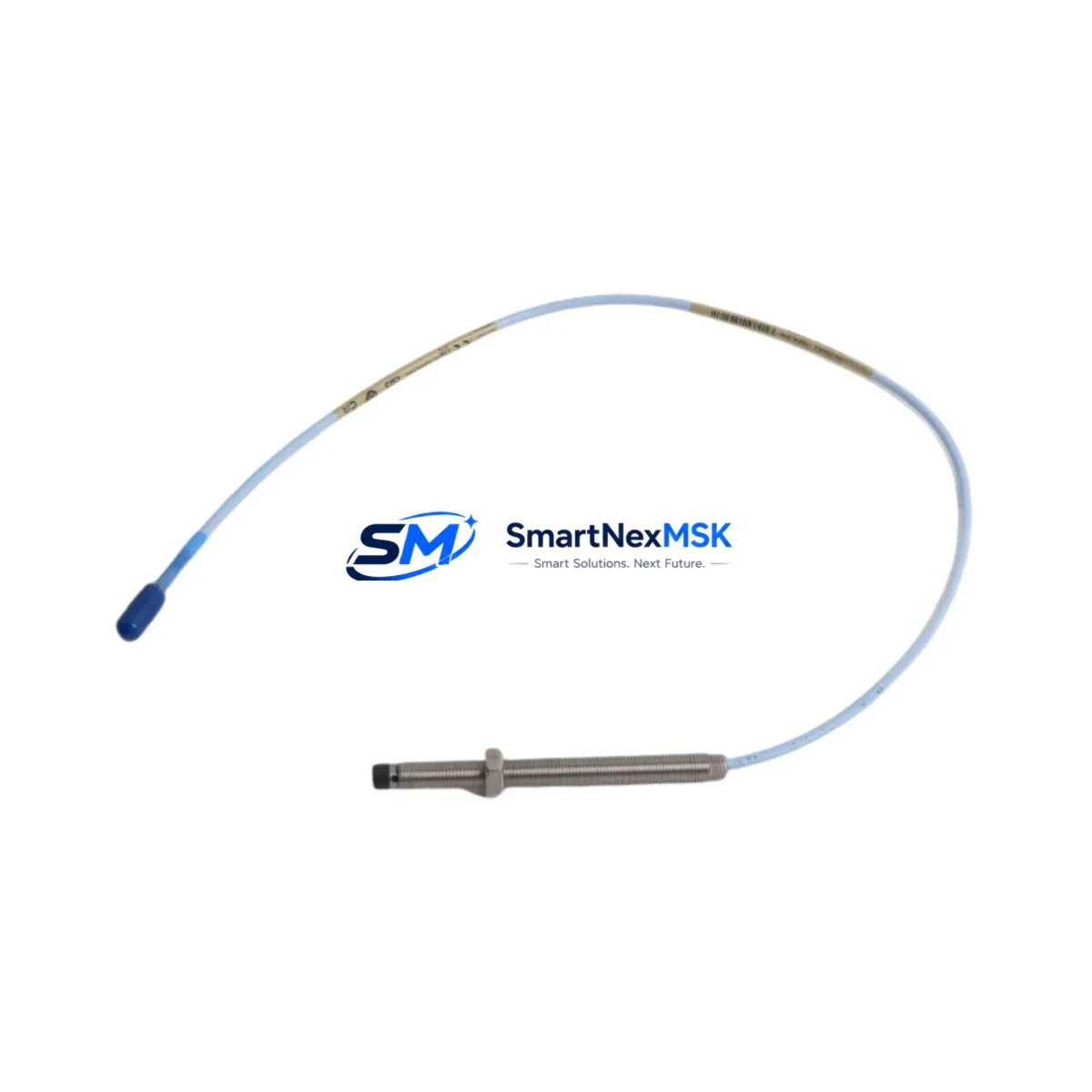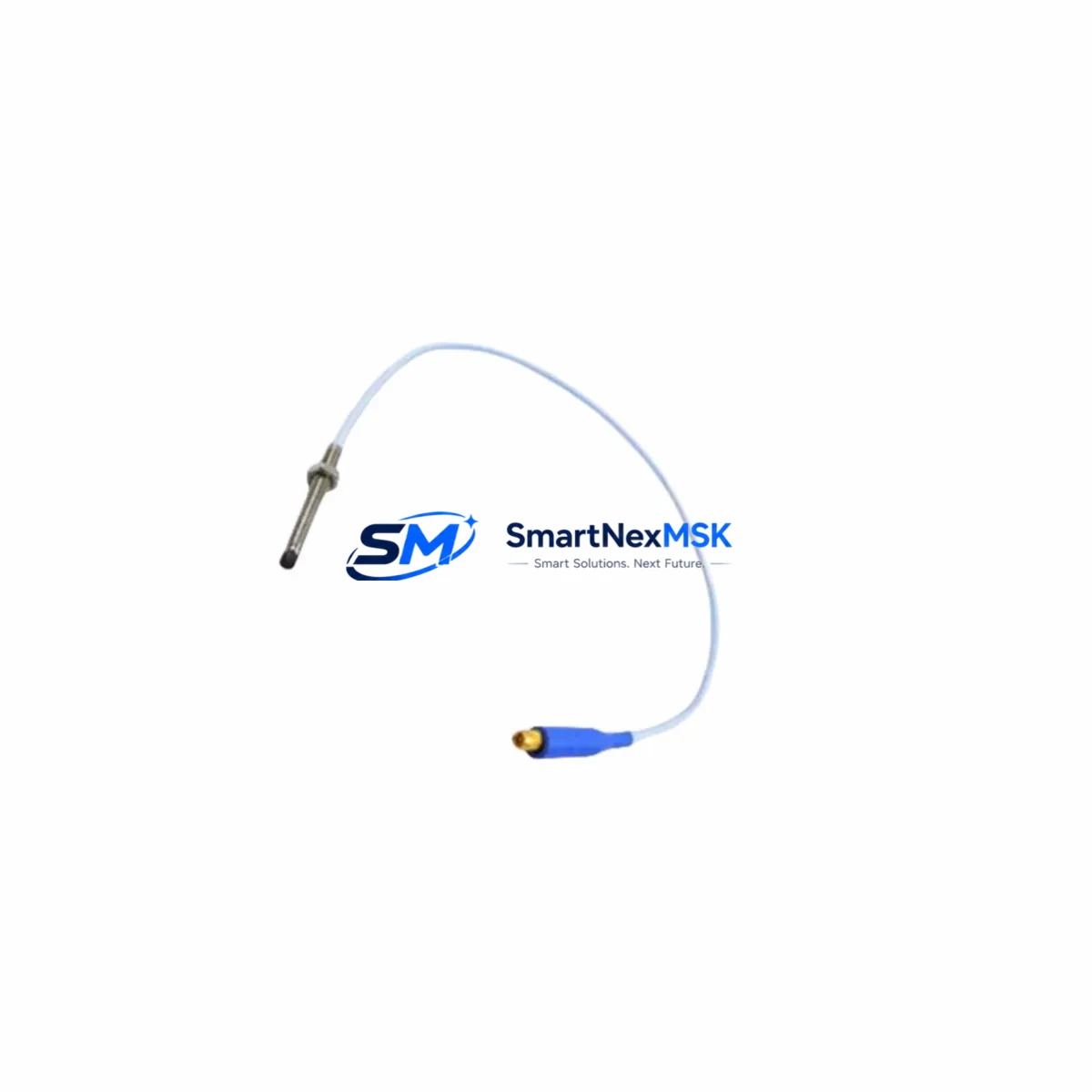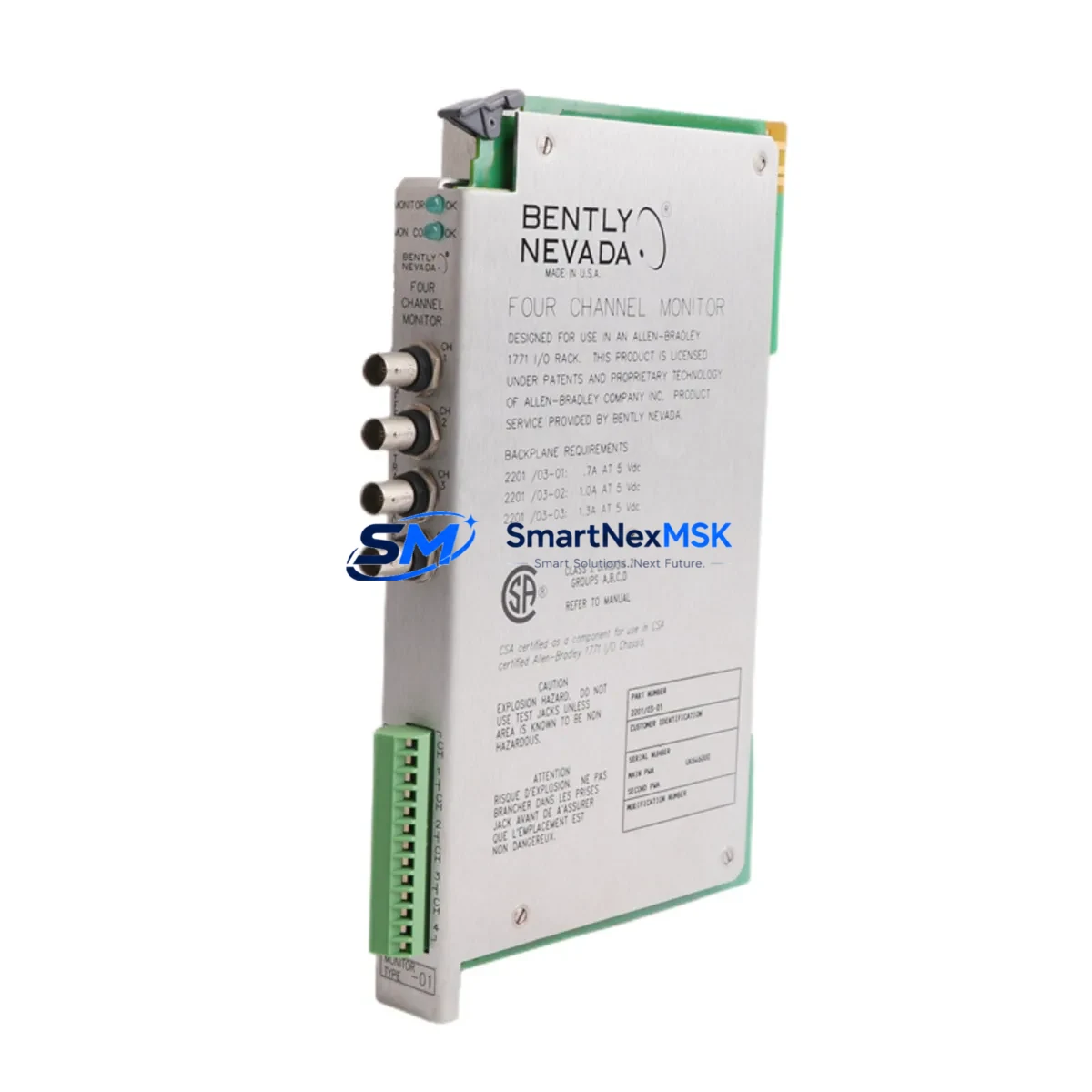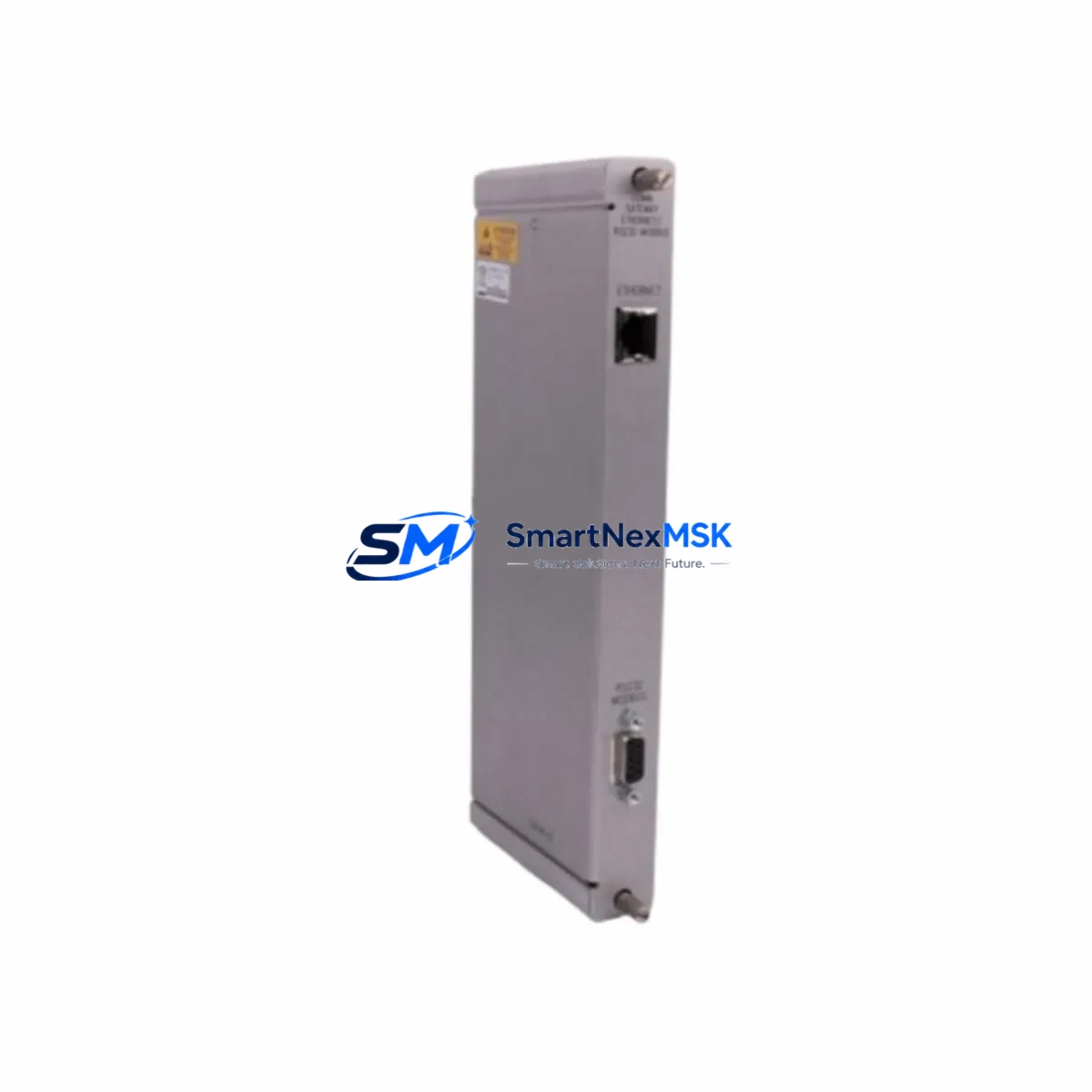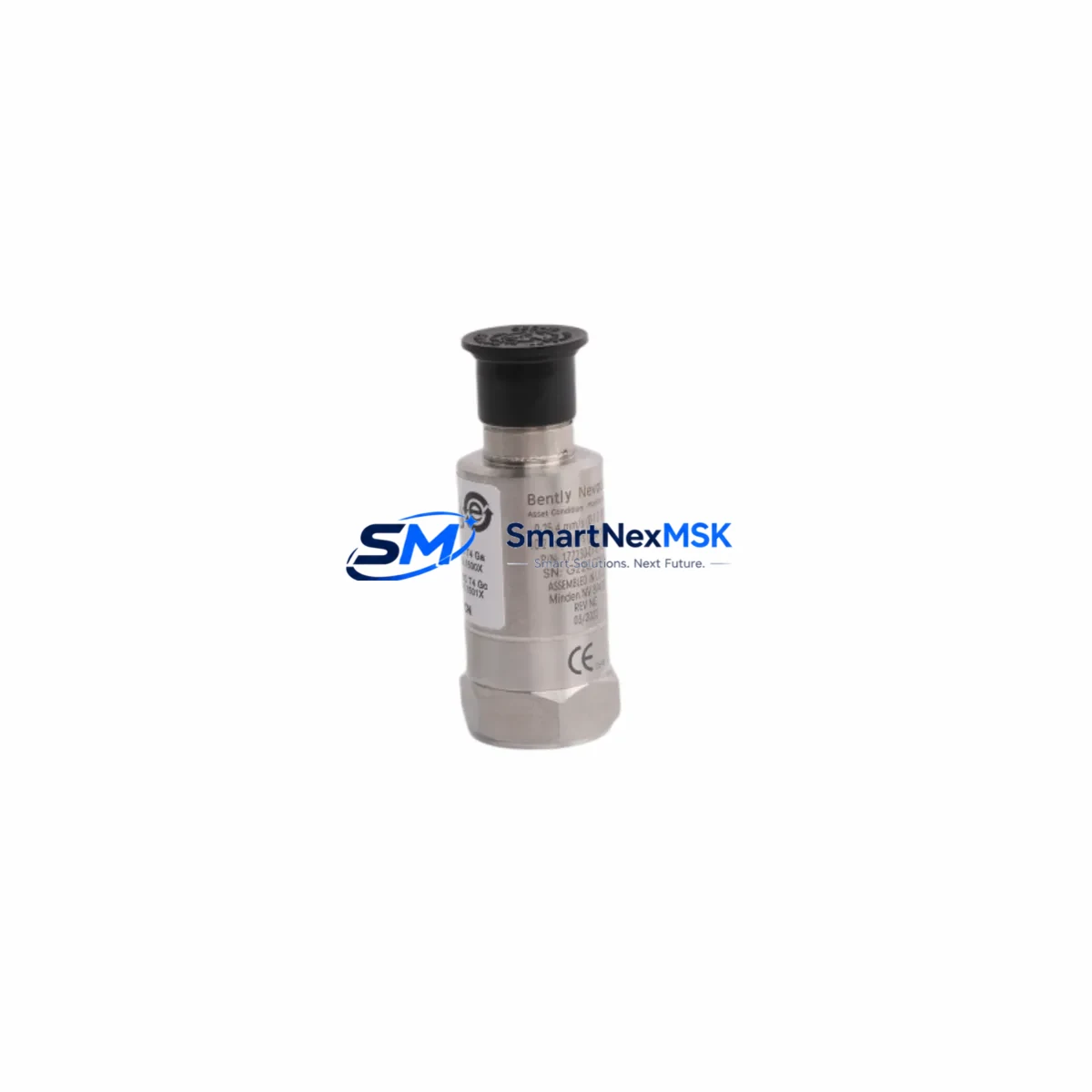
Bently Nevada 177230-01-01-CN Retrofit-Ready Seismic Velocity Transmitter for 3300 Series Control Systems
The Bently Nevada 177230-01-01-CN is a seismic velocity transmitter engineered for direct retrofit into existing 3300 Series vibration monitoring systems. As legacy Bently Nevada installations age and original spare parts become increasingly difficult to source, the 177230-01-01-CN provides a verified drop-in replacement path that preserves existing wiring, terminal assignments, and signal conditioning infrastructure — minimizing engineering rework and unplanned downtime during system migration or emergency restoration.
This transmitter is designed to interface directly with Bently Nevada 3300 Series monitoring racks, including the 3300/16 and 3300/20 rack assemblies commonly deployed in rotating machinery protection systems for turbines, compressors, pumps, and fans. The 4–20 mA analog output is fully compatible with upstream DCS input cards, PLC analog input modules, and safety instrumented system (SIS) interfaces, making it suitable for integration into both legacy and modernized control architectures without signal chain reconfiguration.
Upgrade Compatibility Table
| Parameter | Detail |
|---|---|
| SKU / Part Number | 177230-01-01-CN |
| Brand | Bently Nevada |
| Compatible Series | Bently Nevada 3300 Series |
| Output Signal | 4–20 mA analog |
| Mounting Interface | Compatible with 3300/16 and 3300/20 rack assemblies |
| Terminal Wiring | Direct terminal-for-terminal replacement; no rewiring required |
| Communication Compatibility | Analog 4–20 mA; compatible with DCS, PLC, and SIS analog input cards |
| Replacement Recommendation | Direct drop-in for discontinued 177230 series variants |
| Commissioning Notes | Verify rack slot address, confirm signal range calibration, validate alarm setpoints in monitoring software |
| Warranty | 12 months from date of shipment |
| Origin | USA |
| Stock Status | In stock — available for immediate dispatch |
Retrofit Planning for Existing Automation Systems
When planning a retrofit involving the 177230-01-01-CN, engineers must account for the full signal chain from the sensor to the control room. In a typical 3300 Series installation, the seismic velocity transmitter feeds into a Bently Nevada 3300/16 or 3300/20 monitoring rack, which in turn communicates alarm and trip signals to the plant DCS or safety PLC. During replacement, it is essential to document the existing terminal block wiring — including shield grounding, power supply polarity, and signal return paths — before removing the original module.
Power supply requirements should be confirmed against the rack’s internal 24 VDC bus. If the existing Bently Nevada 3300 Series power supply module (such as the 3300/15 power supply) is aging or showing voltage drift, it is advisable to replace it concurrently to avoid nuisance trips after the transmitter swap. Similarly, if the installation includes a Bently Nevada 3300 XY/8 or 3300/55 proximitor interface, these should be inspected for connector integrity and signal isolation before commissioning the new transmitter.
For sites migrating from older Bently Nevada 7200 Series or 9000 Series monitoring systems to the 3300 platform, the 177230-01-01-CN serves as a key component in the I/O modernization path. In these scenarios, the retrofit typically also involves replacing the Bently Nevada 3500/42M or 3500/45 position monitor cards, updating the Bently Nevada System 1 software configuration, and re-mapping analog input channels on the plant DCS — commonly a Honeywell Experion PKS, Emerson DeltaV, or ABB 800xA system. The 4–20 mA output of the 177230-01-01-CN is natively compatible with all major DCS analog input cards without signal conditioning adapters.
Where the control system includes a Rockwell Automation ControlLogix or CompactLogix PLC handling machinery protection logic, the 177230-01-01-CN’s analog output can be wired directly to a 1756-IF16 or 1769-IF4 analog input module. Engineers should verify the PLC program’s engineering unit scaling and alarm threshold parameters match the transmitter’s output range before returning the machine to service. If the site uses a Siemens S7-300 or S7-400 PLC with SM 331 analog input modules, the same verification process applies.
HMI screens displaying vibration trend data should be reviewed after replacement to confirm that tag bindings, display ranges, and alarm visualization remain consistent with the new transmitter’s output characteristics. In SCADA environments using Wonderware InTouch or Ignition, this typically involves verifying the I/O tag configuration and confirming that historian archiving is capturing the new signal correctly.
Downtime Control During System Migration
Minimizing production downtime during a seismic transmitter replacement requires a structured pre-outage preparation process. Before the maintenance window opens, the replacement 177230-01-01-CN should be bench-tested against a known 4–20 mA calibrator to confirm output linearity and zero/span accuracy. All terminal wiring documentation should be completed in advance, and the DCS or PLC should be placed in manual control mode for the affected machinery loop to prevent spurious trips during the swap.
During the physical replacement, the original module’s terminal connections should be photographed and labeled before disconnection. The 177230-01-01-CN should be installed into the same rack slot, with terminal connections restored in the same order. After power-up, the signal output should be verified at the DCS or PLC analog input card before releasing the loop back to automatic control. The entire hot-swap procedure, when pre-planned, can typically be completed within a 30–60 minute maintenance window, preserving the original control program logic and alarm configuration without modification.
For critical rotating machinery where continuous monitoring is required, a temporary bypass monitoring arrangement using a portable vibration analyzer can maintain protection coverage during the brief period when the permanent transmitter is offline. This approach is particularly recommended for high-speed turbine and compressor applications where unmonitored operation — even briefly — may conflict with insurance or regulatory requirements.
Retrofit Support FAQ
Q: Is the 177230-01-01-CN a direct replacement for the original Bently Nevada 177230 series transmitters?
A: Yes. The 177230-01-01-CN is designed as a form-fit-function replacement for the original 177230 series seismic velocity transmitters used in Bently Nevada 3300 Series monitoring systems. Terminal wiring, rack slot dimensions, and signal output characteristics are compatible with the original installation without modification.
Q: What commissioning steps are required after installation?
A: After physical installation, verify the 4–20 mA output signal at the DCS or PLC analog input card using a calibrated loop tester. Confirm that the engineering unit scaling in the control system matches the transmitter’s output range. Check alarm and trip setpoints in the Bently Nevada System 1 software or equivalent monitoring platform, and perform a functional test by simulating a vibration input before returning the machine to service.
Q: Can this transmitter be used with non-Bently Nevada control systems?
A: Yes. The 177230-01-01-CN’s 4–20 mA analog output is a universal industrial standard signal compatible with DCS analog input cards, PLC analog input modules (including Rockwell 1756-IF16, Siemens SM 331, and equivalent), and safety instrumented system input cards. No signal conditioning adapters are required for integration into third-party control platforms.
Q: What does the 12-month warranty cover?
A: The 12-month warranty covers manufacturing defects and functional failures under normal operating conditions from the date of shipment. Each unit undergoes pre-shipment functional testing to verify output signal accuracy and terminal integrity. Warranty claims are supported directly through SMARTNEXMSK with expedited replacement dispatch to minimize site downtime.
© 2026 SMARTNEXMSK. All rights reserved.
Original Source: https://smartnexmsk.com
Contact: [email protected] | +86 18259474341