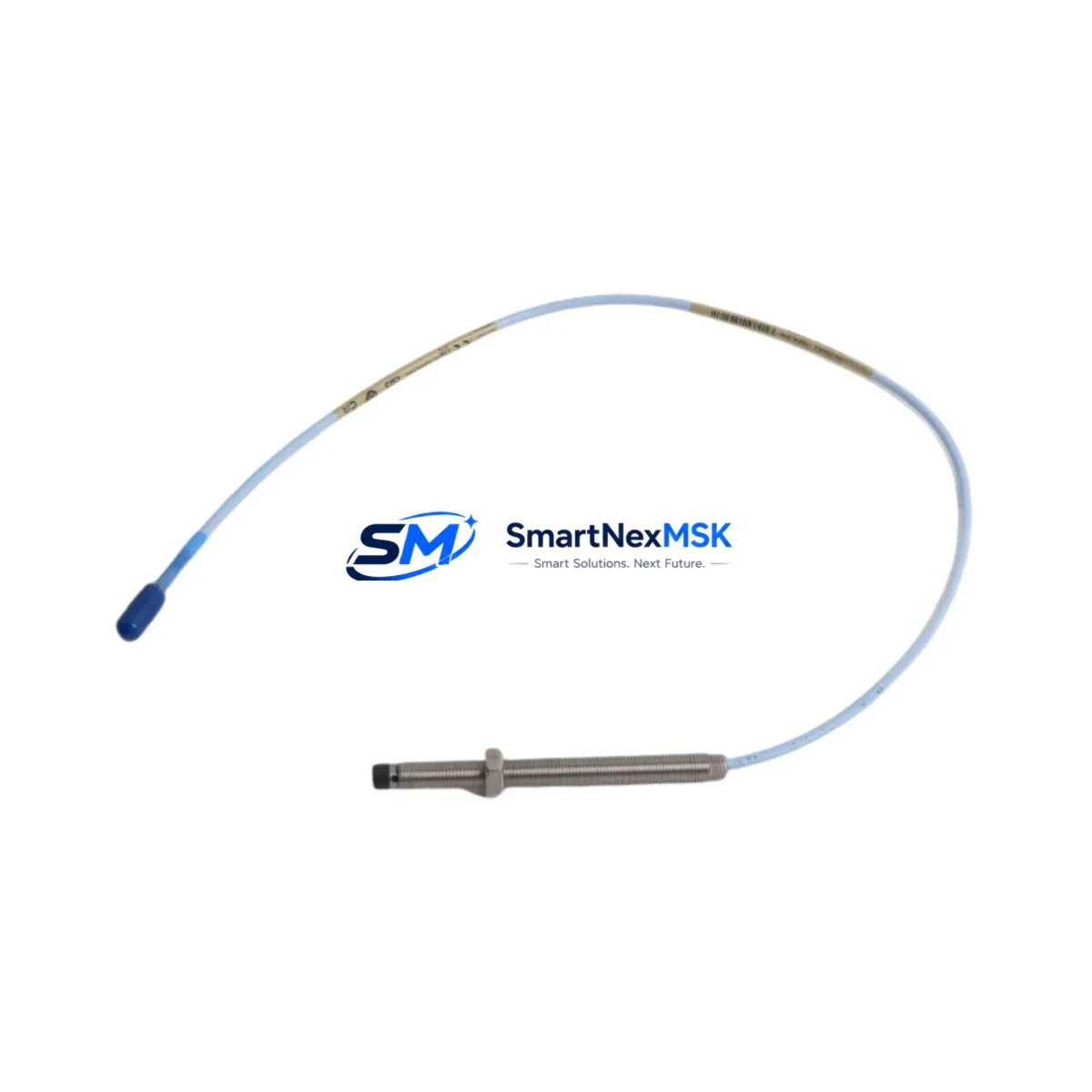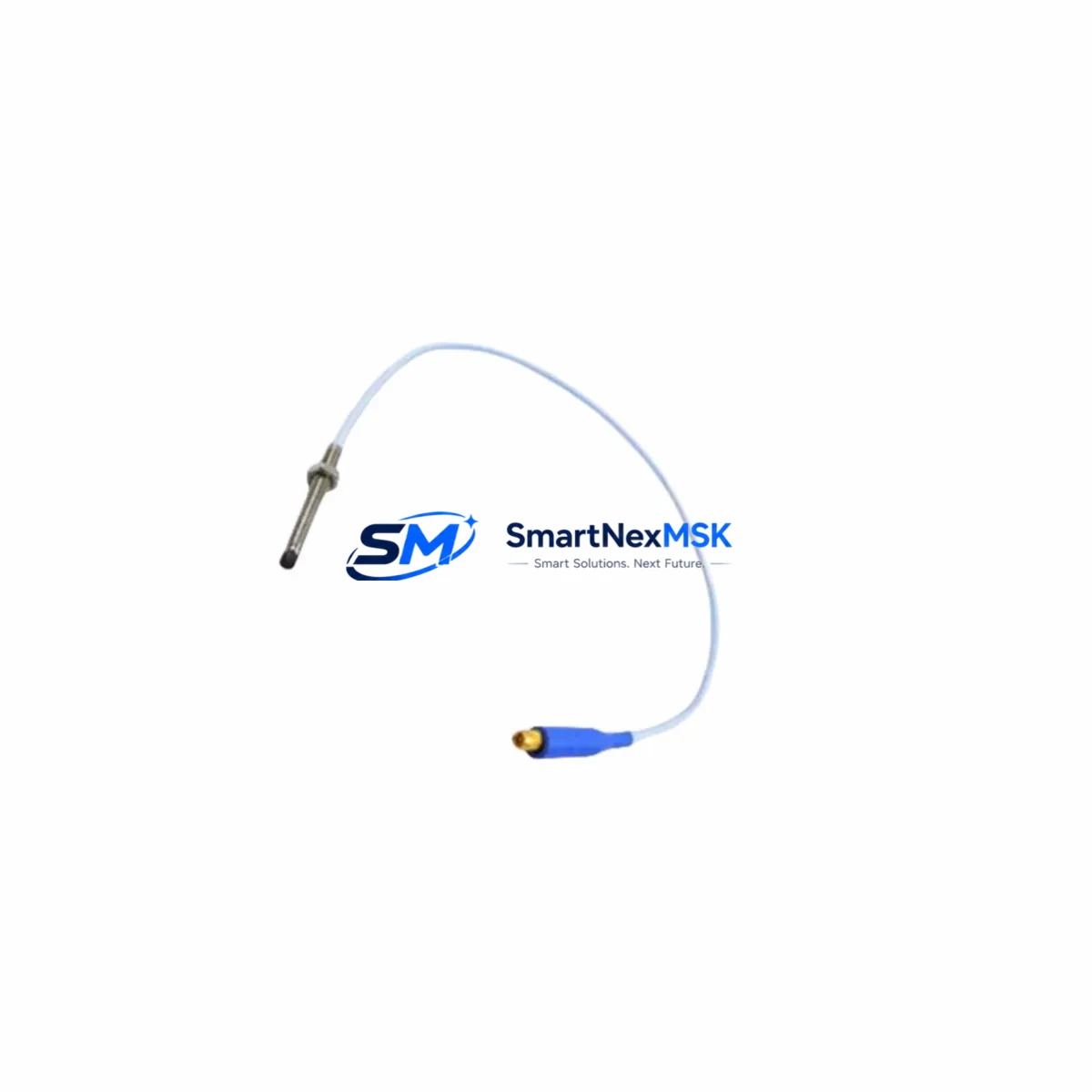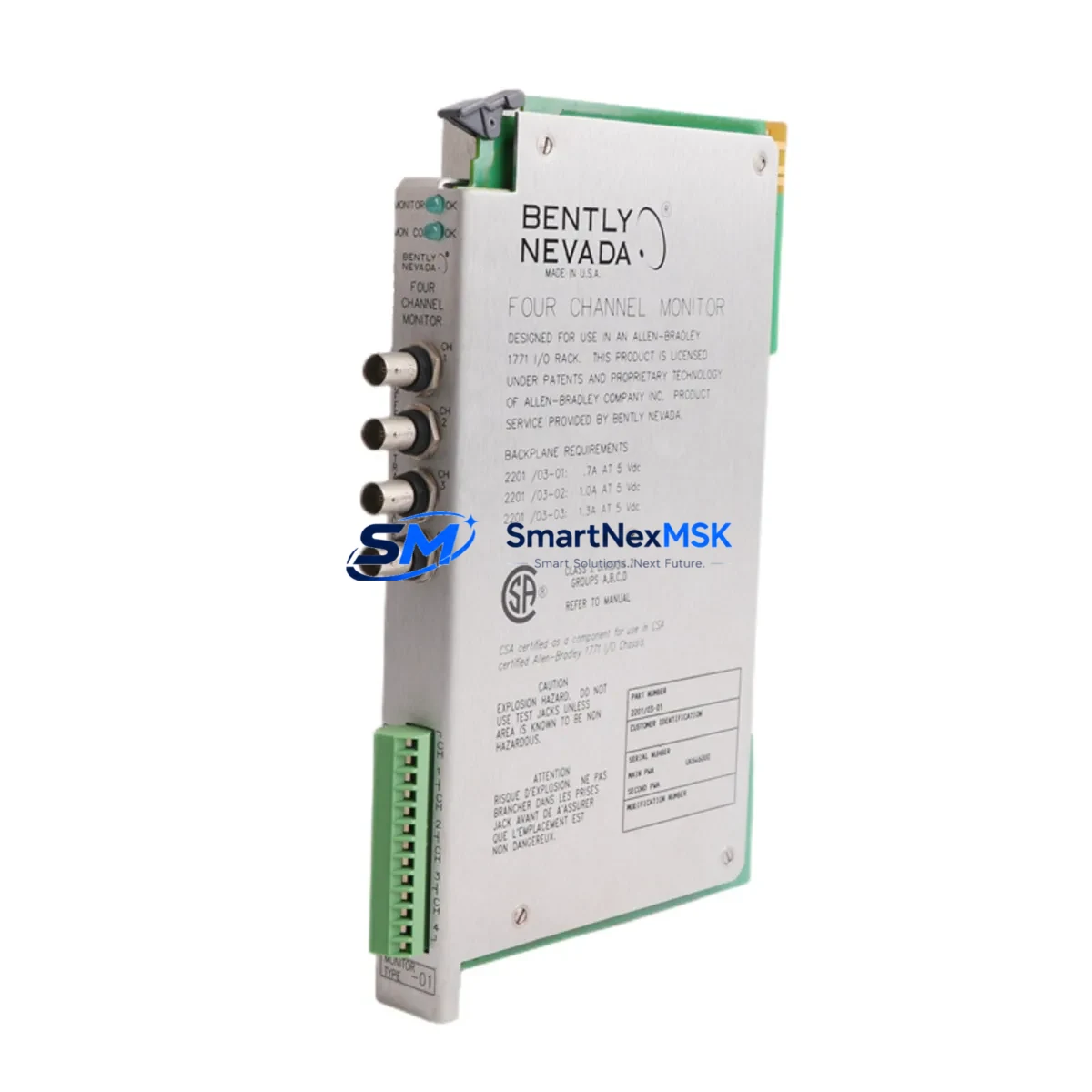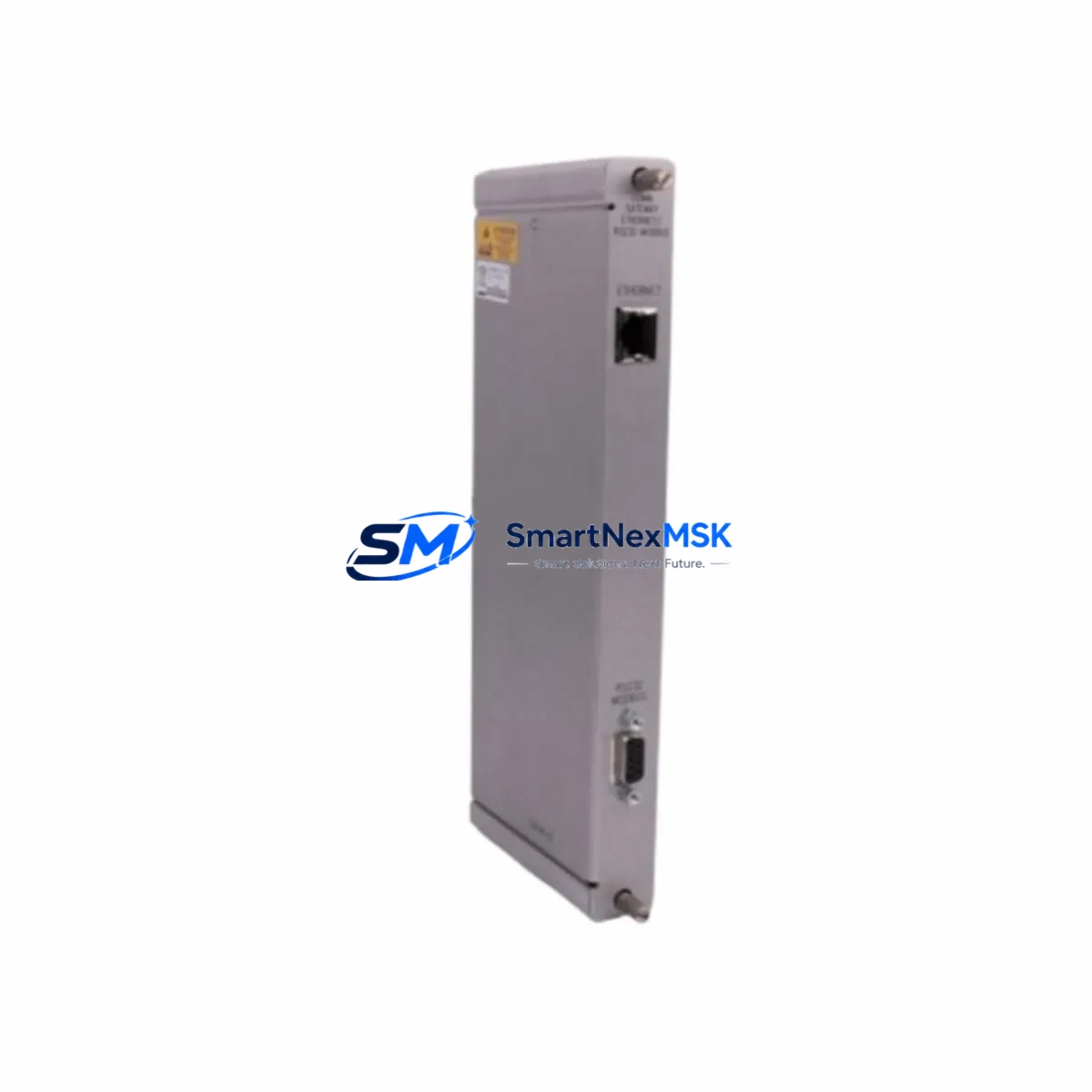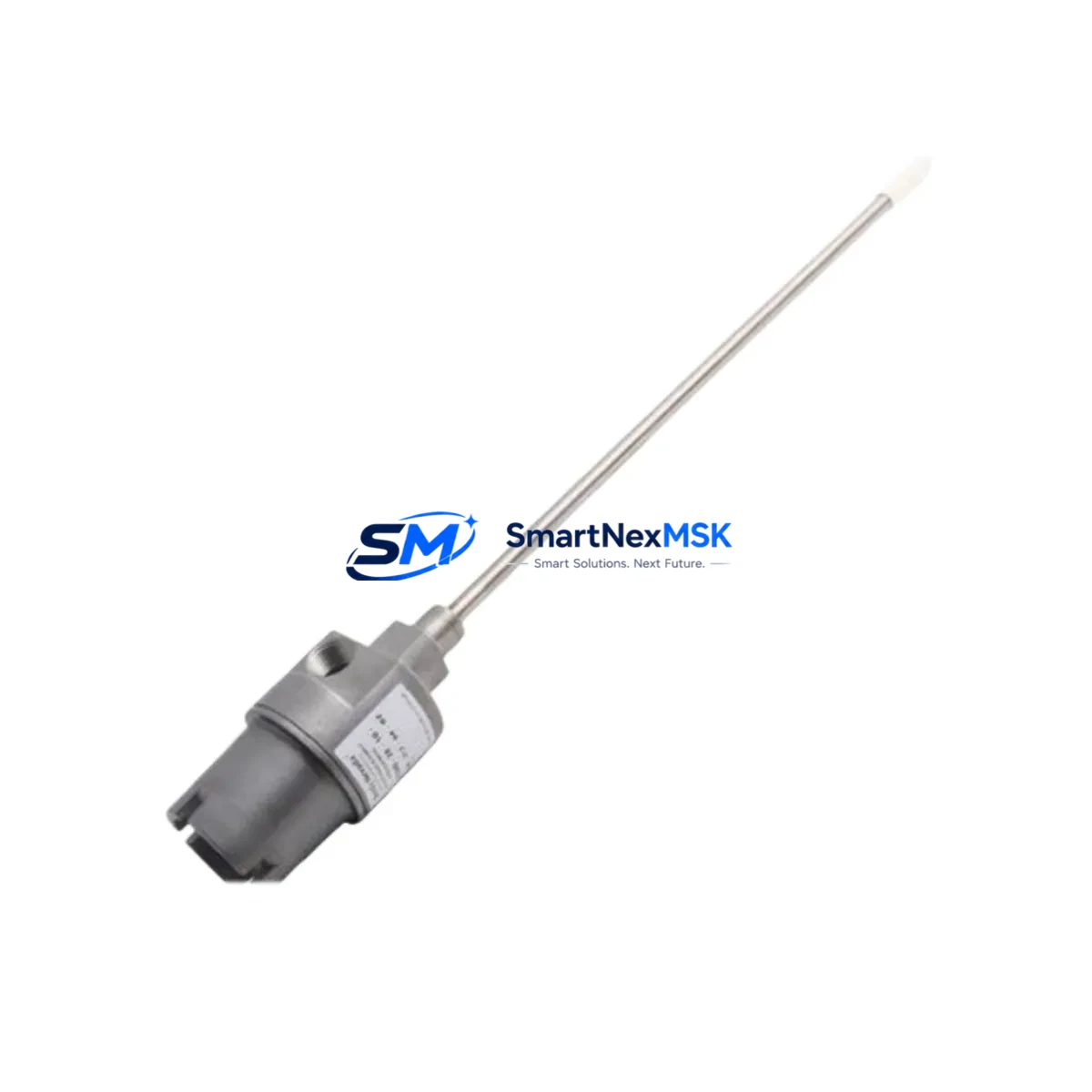
Bently Nevada 21000-16-05-00-055-03-02 Retrofit-Ready Velocity Sensor for 21000 Series Control Systems
The Bently Nevada 21000-16-05-00-055-03-02 is a precision velocity vibration sensor engineered for seamless integration into legacy and active 21000 Series machinery protection systems. As industrial facilities face increasing pressure to extend the operational life of existing monitoring infrastructure while meeting modern reliability standards, this sensor provides a verified drop-in replacement path that eliminates the need for full system overhauls. Whether you are managing a turbine protection panel, a compressor monitoring rack, or a rotating machinery surveillance system built around the Bently Nevada 3500 or 21000 platform, this sensor delivers the signal fidelity and mechanical compatibility required for confident retrofit deployment.
Sourced from verified supply channels and subjected to pre-shipment functional testing, each unit is backed by a 12-month warranty covering manufacturing defects and performance deviations. Global shipping is available with lead times confirmed at order placement, making this sensor a reliable choice for both planned maintenance windows and emergency spare procurement.
Upgrade Compatibility Table
| Parameter | Details |
|---|---|
| SKU / Part Number | 21000-16-05-00-055-03-02 |
| Brand / Manufacturer | Bently Nevada (Baker Hughes) |
| Series Compatibility | Bently Nevada 21000 Series Machinery Protection |
| Sensor Type | Velocity Vibration Transducer |
| Mounting Interface | Standard threaded stud mount; verify thread pitch against existing bracket |
| Signal Output | Velocity (mV/mm/s or mV/in/s per configuration); confirm with existing monitor card |
| Communication Compatibility | Analog signal; compatible with 3500/21000 Series monitor racks |
| Replacement Recommendation | Direct replacement for discontinued 21000 Series velocity transducers |
| Commissioning Notes | Verify sensitivity scaling on monitor card; re-zero after installation |
| Warranty | 12 Months from shipment date |
Retrofit Planning for Existing Automation Systems
Successful retrofit of the 21000-16-05-00-055-03-02 into an existing machinery protection system requires a structured pre-installation review. Begin by auditing the current monitor rack configuration. In most 21000 Series installations, the velocity sensor interfaces directly with a Bently Nevada 3500/42M Velocity Monitor or a legacy 21000 Series monitor card. Confirm that the monitor card’s input sensitivity range matches the output specification of the replacement sensor before proceeding.
Terminal wiring is a critical checkpoint. The 21000-16-05-00-055-03-02 uses a standard two-wire coaxial connection. Cross-reference the existing field wiring diagram against the sensor’s pinout to avoid polarity errors that can corrupt vibration readings or trigger false alarms on the Bently Nevada 3500 Series rack. If the installation involves a junction box or field barrier, verify that the barrier’s impedance characteristics remain within the sensor’s drive capability.
For facilities running a Bently Nevada 3500 Series rack, the associated 3500/20 Rack Interface Module and 3500/22M Transient Data Interface should be checked for firmware compatibility if the rack has undergone any software updates since the original sensor was installed. Similarly, if the system feeds data to a System 1 condition monitoring platform, confirm that the channel configuration in System 1 reflects the new sensor’s sensitivity and measurement range to avoid data scaling errors in trend displays and alarm setpoints.
In control cabinets where the 21000 Series sensor feeds a DCS or safety system, such as a Honeywell Experion or Emerson DeltaV platform, the analog input card receiving the velocity signal should be verified for input impedance compatibility. If the cabinet also houses a Bently Nevada 3500/15 Power Supply Module, inspect the supply voltage rails to confirm adequate power budget after adding or replacing transducers on the rack.
For I/O-intensive installations where multiple velocity and proximity sensors share a common rack, review the Bently Nevada 3500/40M Proximitor Seismic Monitor channel assignments alongside the velocity channels to ensure no address conflicts exist after the swap. If the facility uses a Bently Nevada TK-3 Proximitor or a 330180 Series proximity transducer system in adjacent measurement points, their calibration records should be reviewed concurrently to maintain system-wide measurement consistency.
Cable routing from the sensor to the monitor rack should be inspected for insulation integrity, especially in high-temperature or high-vibration environments. Use shielded instrumentation cable and maintain shield grounding at one end only to prevent ground loop interference. If the existing cable run exceeds the manufacturer’s recommended length for the sensor model, signal attenuation should be evaluated before finalizing the installation.
Downtime Control During System Migration
Minimizing unplanned downtime during a velocity sensor replacement on a live machinery protection system requires careful sequencing. Where process conditions permit, schedule the sensor swap during a planned maintenance window rather than an emergency outage. Before removing the existing sensor, document all current alarm and danger setpoints on the associated monitor card, including the OK relay status and the buffered output signal level, to serve as a baseline for post-installation verification.
If the machinery cannot be taken offline, coordinate with the control room to place the affected monitor channel in bypass mode through the Bently Nevada 3500 rack’s configuration software before disconnecting the sensor. This prevents spurious trips or alarms from propagating to the DCS or safety instrumented system during the swap interval. Ensure that the bypass is logged and that a time limit is agreed upon with the operations team before work begins.
After installing the 21000-16-05-00-055-03-02, restore the channel from bypass and verify the OK LED status on the monitor card. Perform a slow-roll check if the machine can be brought up gradually, comparing the new sensor’s output against adjacent measurement points or a portable vibration analyzer to confirm signal validity before returning the channel to normal protection mode. Retain the original program logic and HMI display configurations unchanged; only update the sensor sensitivity scaling parameter if the replacement unit’s specification differs from the original.
For facilities where the vibration data feeds an HMI built on Wonderware, FactoryTalk, or a Bently Nevada System 1 operator display, confirm that the tag mapping and engineering unit conversion remain correct after the sensor change. A brief functional test at the HMI level, comparing live readings against the portable analyzer, provides the final confirmation that the retrofit is complete and the protection system is fully operational.
Retrofit Support FAQ
Q: Is the 21000-16-05-00-055-03-02 a direct replacement for the original Bently Nevada 21000 Series velocity sensor?
A: Yes. This unit is sourced and verified as a compatible replacement for the 21000 Series velocity transducer family. Mechanical dimensions, thread specification, and signal output characteristics are consistent with the original design. Minor sensitivity tolerance variations are normal and should be confirmed against the monitor card’s acceptable input range during commissioning.
Q: What wiring changes are required during installation?
A: In most cases, no wiring changes are required. The sensor uses the same two-wire coaxial interface as the original unit. Verify terminal labeling on the existing junction box or monitor card input against the replacement sensor’s datasheet before connecting. If the existing cable uses a different connector type, a field-wireable adapter may be required.
Q: How is compatibility with the Bently Nevada 3500 rack confirmed before shipment?
A: Each unit undergoes pre-shipment functional testing to verify output signal level, sensitivity, and mechanical integrity. Test records are available upon request. For rack-level compatibility confirmation, provide your monitor card model number and we will cross-reference against known compatible configurations before dispatch.
Q: What does the 12-month warranty cover?
A: The 12-month warranty covers manufacturing defects, premature component failure under normal operating conditions, and deviations from published performance specifications. It does not cover damage resulting from incorrect installation, overvoltage, mechanical impact, or operation outside the sensor’s rated environmental limits. Warranty claims are processed with return authorization and include replacement or repair at our discretion.
© 2026 SMARTNEXMSK. All rights reserved.
Original Source: https://smartnexmsk.com
Contact: [email protected] | +86 18259474341