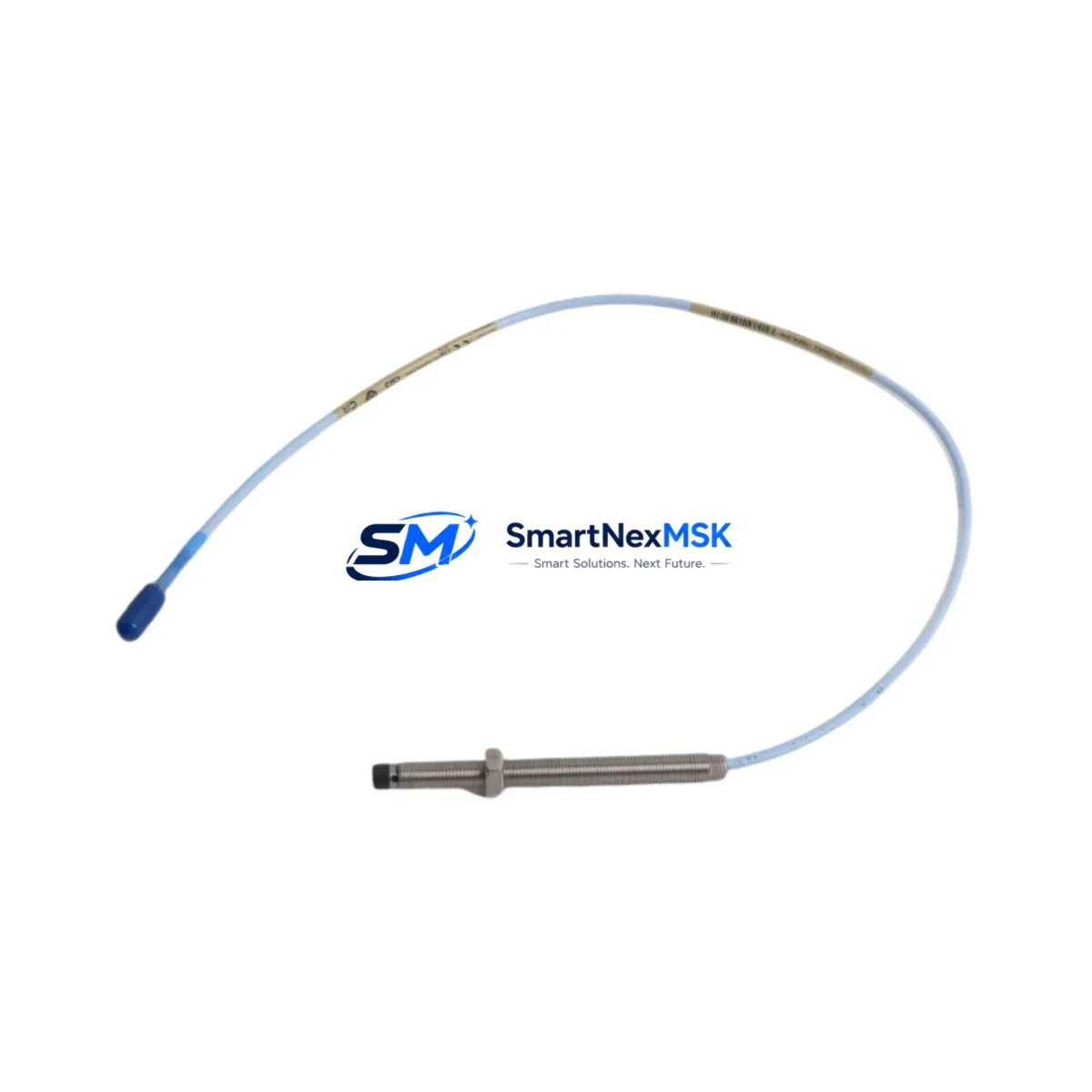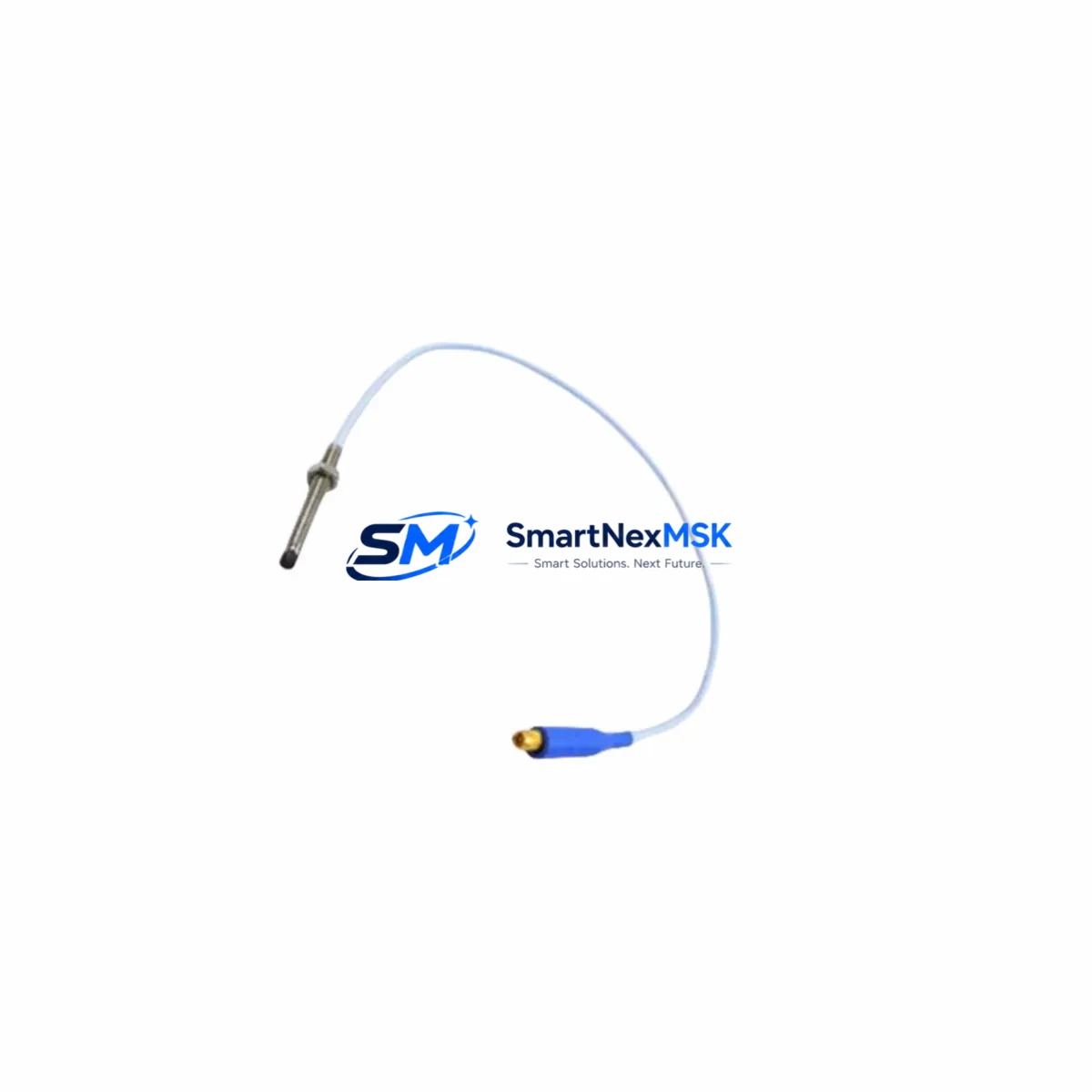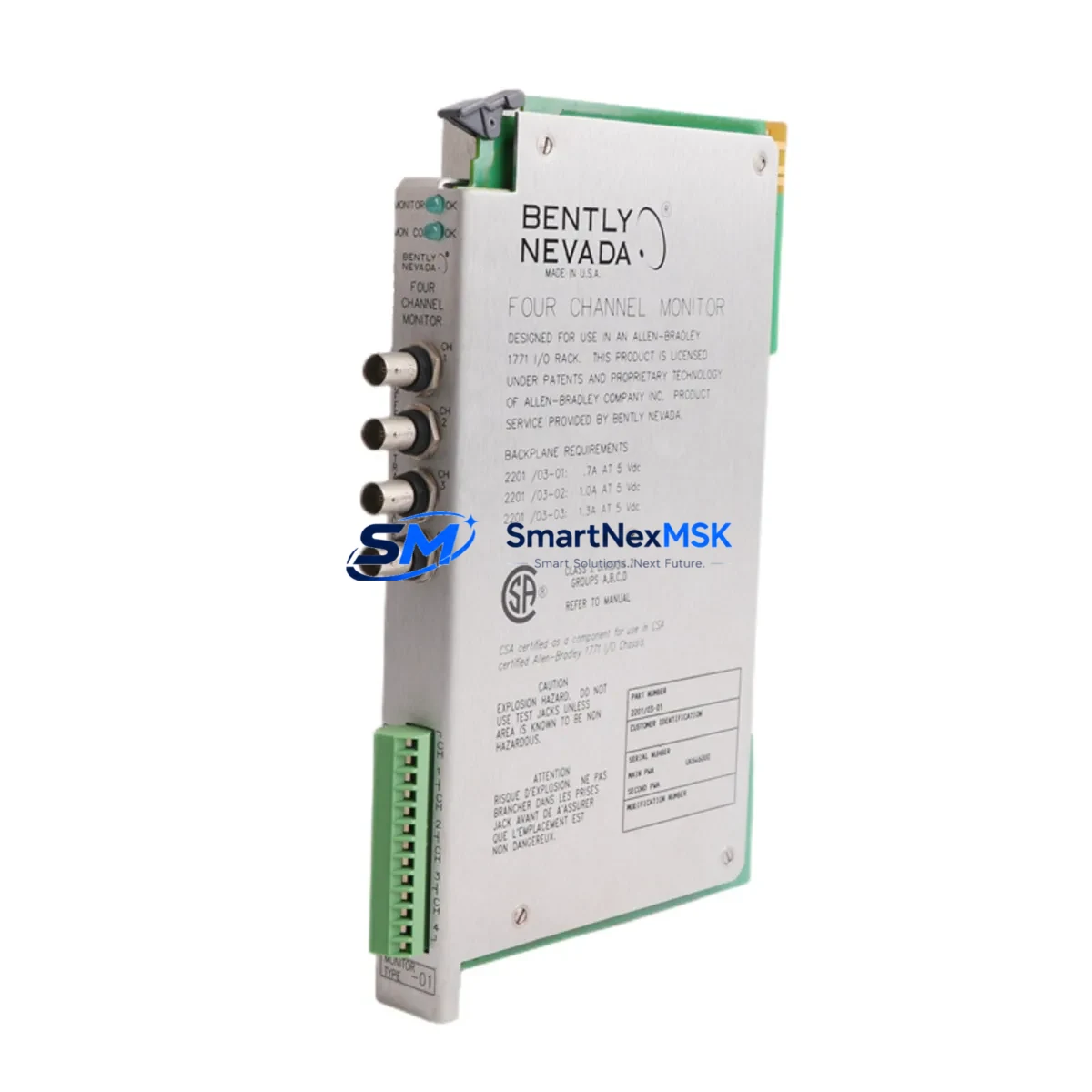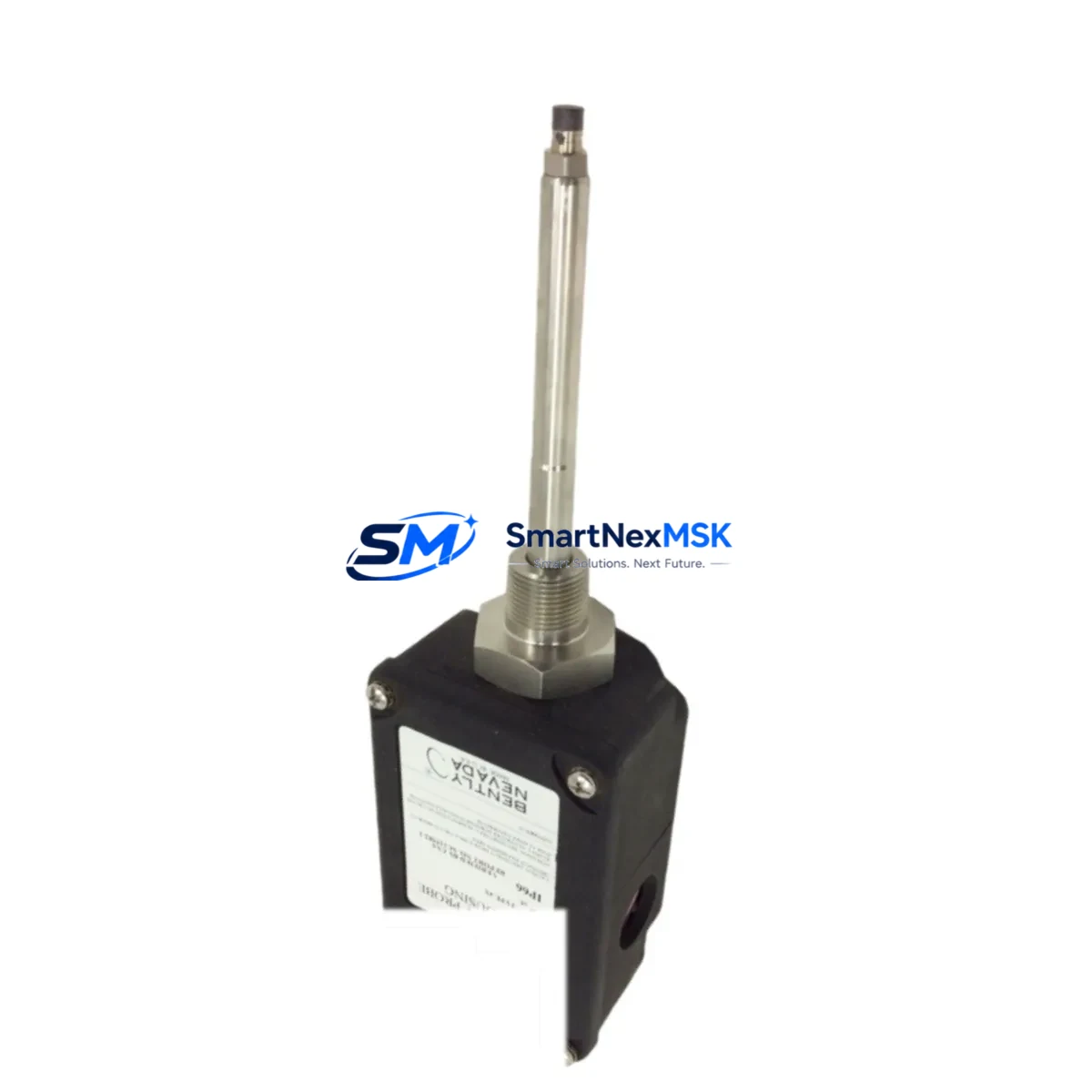
Bently Nevada 32000-16-05-05-080-03-02 Retrofit-Ready Proximity Probe Housing for 3300 XL Control Systems
The Bently Nevada 32000-16-05-05-080-03-02 is a precision-engineered Proximity Probe Housing designed for seamless integration into Bently Nevada 3300 XL Series vibration monitoring systems. As legacy machinery monitoring infrastructure ages across petrochemical, power generation, and heavy industrial facilities, this component serves as a critical retrofit solution — enabling engineers to restore full system functionality without replacing the entire monitoring rack or reconfiguring the control architecture.
Whether you are replacing a failed housing on an existing 3300 XL rack, upgrading from an earlier 3300/05 or 3300/16 series configuration, or restoring a mothballed machine train back to operational status, the 32000-16-05-05-080-03-02 provides a verified drop-in fit. Each unit shipped from our inventory has been bench-tested against Bently Nevada factory specifications, with dimensional verification of the probe tip geometry, cable connector integrity, and housing thread engagement. Our 12-month warranty covers all functional defects identified during commissioning or in-service operation.
Upgrade Compatibility Table
| Parameter | Details |
|---|---|
| Compatible Series | Bently Nevada 3300 XL, 3300/16, 3300/05 |
| Probe Interface | Standard 3300 XL proximity probe connector, 5-meter or 8-meter extension cable compatible |
| Mounting Thread | M10 × 1.0 or 3/8-24 UNF (confirm per machine drawing) |
| Installation Clearance | Verify radial and axial clearance per OEM shaft proximity spec |
| Communication Compatibility | Passive transducer — signal conditioned via 3300 XL proximitor module (e.g. 330180 series) |
| Replacement Recommendation | Direct drop-in for 32000-16-05-05-080-03-02; verify cable length suffix before ordering |
| Commissioning Focus | Gap voltage calibration (typically −10 VDC at nominal gap), signal linearity check |
| Warranty | 12 months from date of shipment, covering manufacturing defects and functional failure |
Retrofit Planning for Existing Automation Systems
Retrofitting a Bently Nevada proximity probe housing within an active machine monitoring system requires careful coordination across multiple subsystem layers. Before removing the 32000-16-05-05-080-03-02 from service, engineers should document the existing gap voltage reading at the proximitor output — typically measured at the 330180-51-05 or 330180-91-00 proximitor module — and record the baseline vibration amplitude and phase reference for each monitored shaft position.
The 3300 XL rack housing the proximitor modules should be inspected for available I/O channel capacity. In systems where the rack is operating near full channel utilization, it may be necessary to audit the 3500/42M Proximitor Monitor or the 3500/22M Transient Data Interface to confirm that the replacement probe signal will be correctly mapped to the existing channel address. If the system uses a 3500 Series rack rather than the older 3300 XL chassis, the probe housing itself remains compatible, but the proximitor driver card — such as the 3500/42 or 3500/40M — must be verified for cable driver compatibility.
For facilities running Bently Nevada System 1 software or the legacy Data Manager 2000 platform, the channel tag assignments and alarm setpoints stored in the monitoring software do not require reconfiguration when performing a like-for-like housing replacement. However, if the retrofit involves changing the probe cable length — for example, migrating from a 5-meter to an 8-meter extension cable assembly — the proximitor sensitivity factor must be recalculated and the gap voltage recalibrated accordingly.
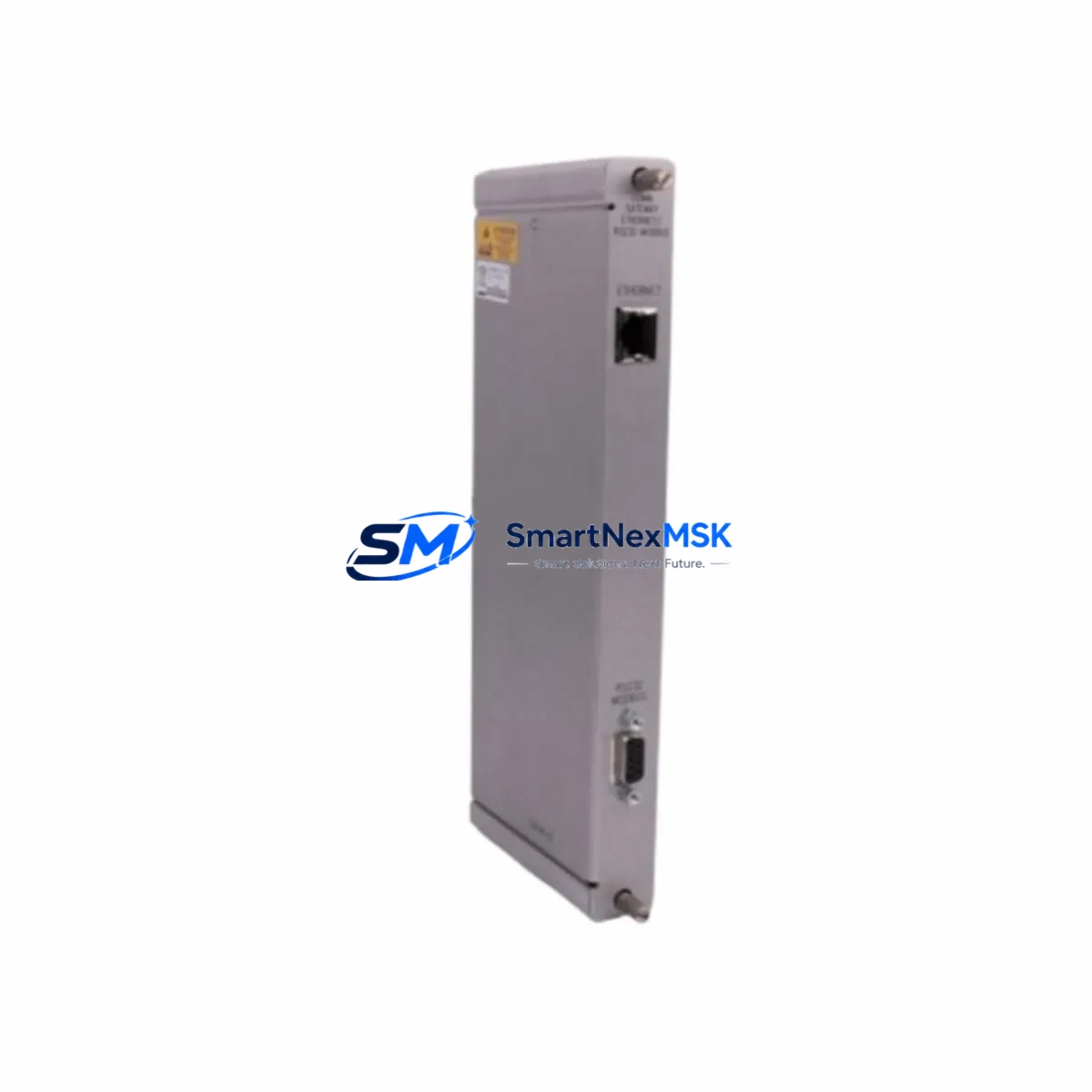
In control cabinets where the 3300 XL rack is integrated alongside a Bently Nevada 3500/20 Power Supply Module and a 3500/92 Communication Gateway, the replacement procedure should be coordinated with the DCS operator to suppress nuisance alarms during the brief signal interruption. The 3500/92 gateway, which bridges the monitoring rack to the plant DCS via Modbus TCP or OPC, will report a channel fault during probe disconnection — a suppression window of 15 to 30 minutes is typically sufficient for a trained technician to complete the swap, re-gap, and verify signal restoration.
Where the machine train includes both radial and axial proximity probes — for example, a configuration using paired 32000-16-05-05-080-03-02 housings for X-Y radial vibration and a separate 32000-28-00-05-020-02-00 thrust position probe — the retrofit should be sequenced to maintain at least one active channel per measurement plane throughout the procedure, minimizing the risk of unmonitored operation during the transition.
Downtime Control During System Migration
Minimizing unplanned downtime during a proximity probe housing replacement begins with pre-staging all required components before the maintenance window opens. This includes the replacement 32000-16-05-05-080-03-02 housing, the appropriate extension cable assembly, a calibrated gap-setting tool, and a portable oscilloscope or Bently Nevada field calibrator for immediate signal verification.
The original program logic stored in the plant DCS — whether running on a Honeywell Experion PKS, Emerson DeltaV, or ABB 800xA platform — does not require modification for a probe housing replacement. The monitoring rack outputs a standardized 4–20 mA or voltage signal to the DCS analog input card, and this interface remains unchanged. Engineers should confirm that the DCS historian is logging the pre-replacement baseline data and that the alarm management system is in maintenance override mode before beginning physical work.
For facilities where continuous operation is mandatory, a hot-standby probe configuration — using a dual-probe bracket with a 3300 XL dual-channel proximitor card — allows one probe to remain active while the second is replaced. This approach is particularly valuable on critical compressor trains or turbine shafts where API 670 compliance requires uninterrupted vibration monitoring.
After reinstallation, the gap voltage should be verified at the proximitor terminal strip before the DCS alarm suppression is lifted. A stable reading within the linear range of the 330180 proximitor — typically between −7 VDC and −18 VDC depending on shaft material and probe model — confirms that the replacement is complete and the system is ready to return to normal monitored operation.
Retrofit Support FAQ
Q: Is the 32000-16-05-05-080-03-02 a direct replacement for earlier 3300/16 series probe housings?
A: In most cases, yes. The 32000-16-05-05-080-03-02 is dimensionally compatible with the 3300/16 and 3300 XL probe mounting configurations. However, customers should verify the thread specification and cable connector type against their existing installation drawings before ordering, as some early-production 3300/16 installations used a non-standard thread pitch.
Q: What commissioning steps are required after installing the replacement housing?
A: After mechanical installation, the probe gap must be set to the OEM-specified nominal distance (typically 1.0 mm to 2.5 mm depending on shaft diameter and probe model). The gap voltage at the proximitor output should then be measured and compared to the baseline recorded before removal. A linearity sweep across the full measurement range is recommended for critical machinery applications.
Q: Does the unit ship with a test certificate, and what does the 12-month warranty cover?
A: Yes. Each 32000-16-05-05-080-03-02 unit is shipped with a functional test record confirming electrical continuity, insulation resistance, and dimensional compliance. The 12-month warranty covers all manufacturing defects and functional failures under normal operating conditions. It does not cover damage resulting from incorrect installation, mechanical impact, or operation outside the specified environmental ratings.
Q: Can this probe housing be used with third-party proximitor drivers not made by Bently Nevada?
A: The 32000-16-05-05-080-03-02 is a passive transducer housing and is electrically compatible with any proximitor driver that conforms to the Bently Nevada 3300 XL signal conditioning standard (typically a 24 VDC bias supply with a sensitivity of 7.87 V/mm). Compatibility with third-party drivers such as those from Metrix or Wilcoxon should be verified against the driver manufacturer’s probe compatibility list before deployment.
© 2026 SMARTNEXMSK. All rights reserved.
Original Source: https://smartnexmsk.com
Contact: [email protected] | +86 18259474341