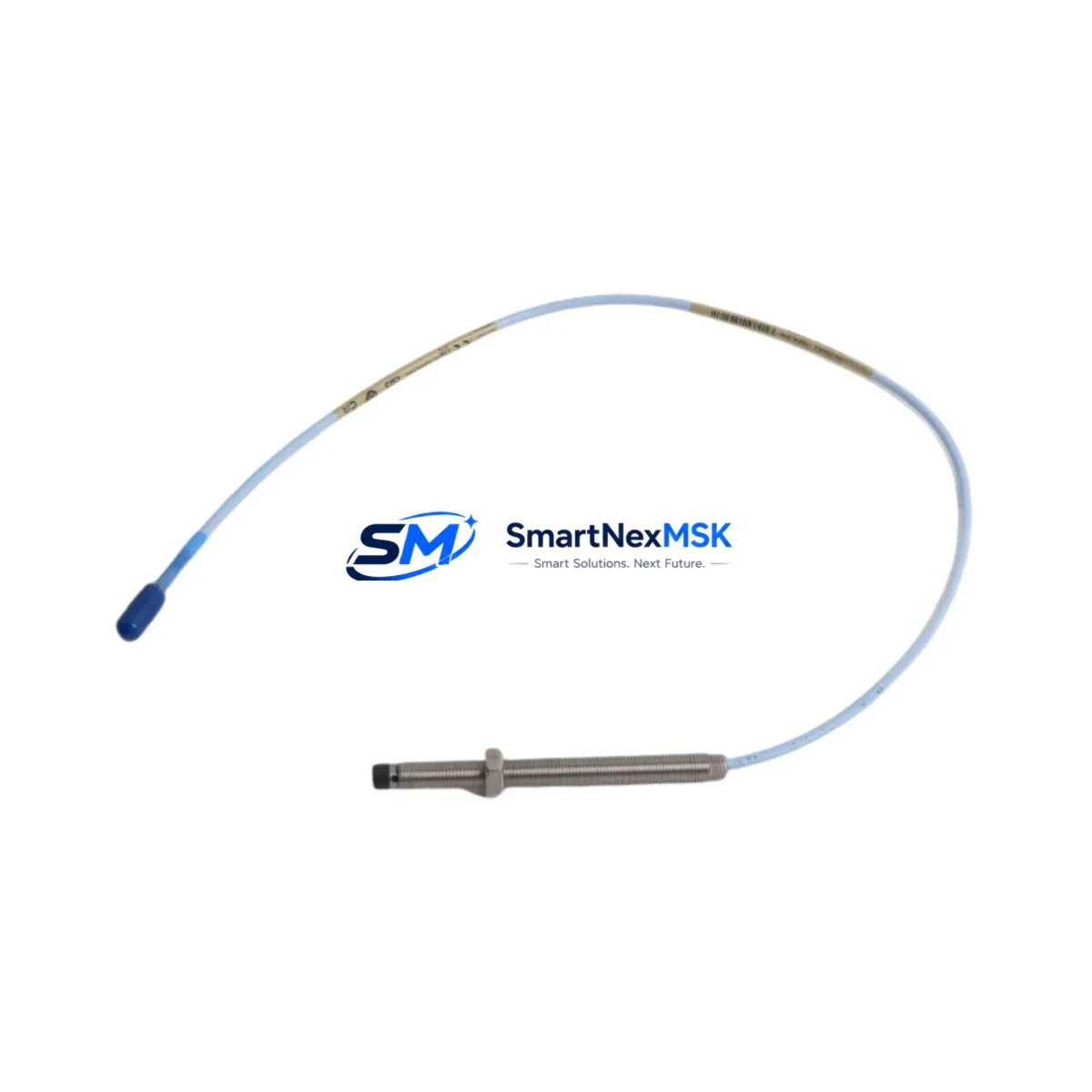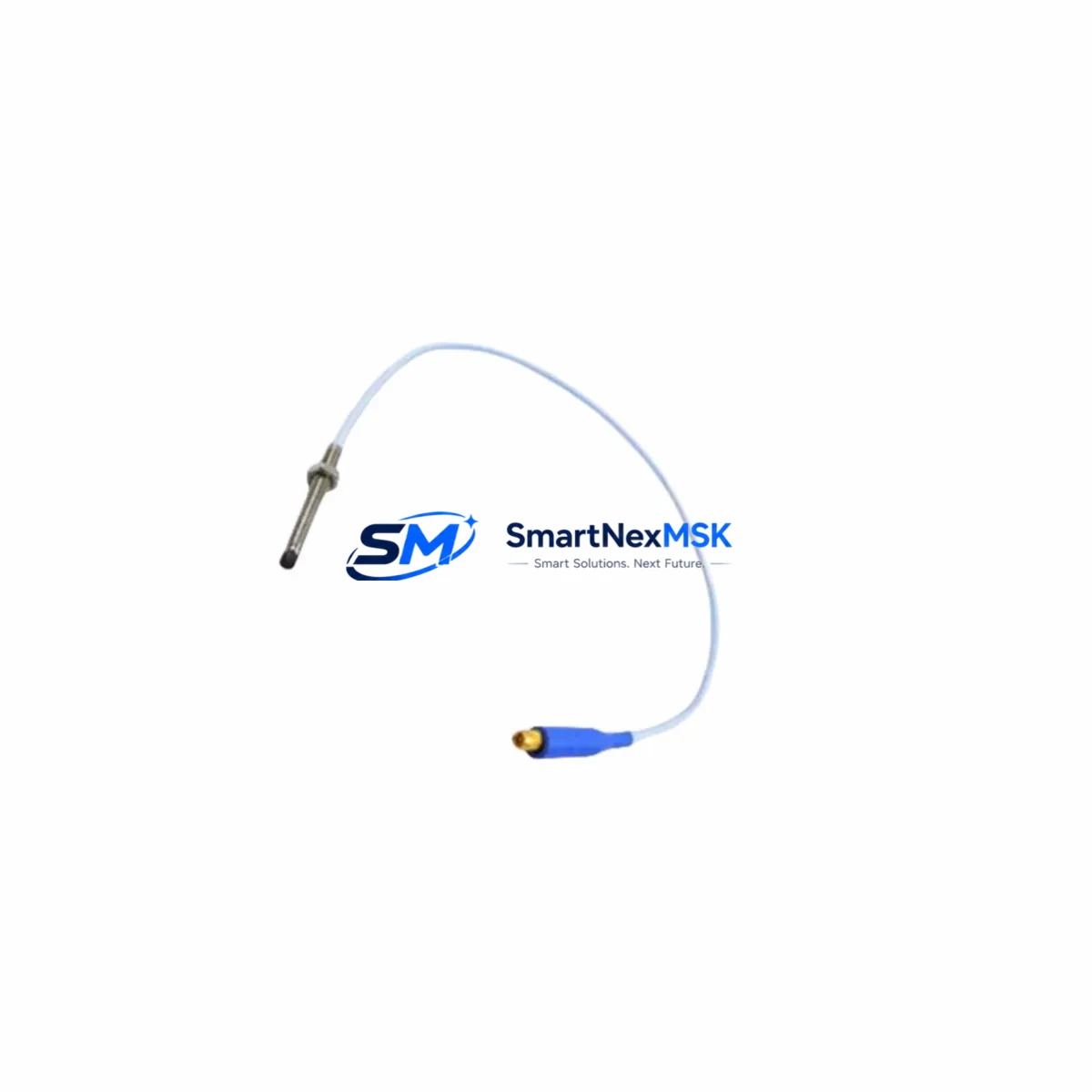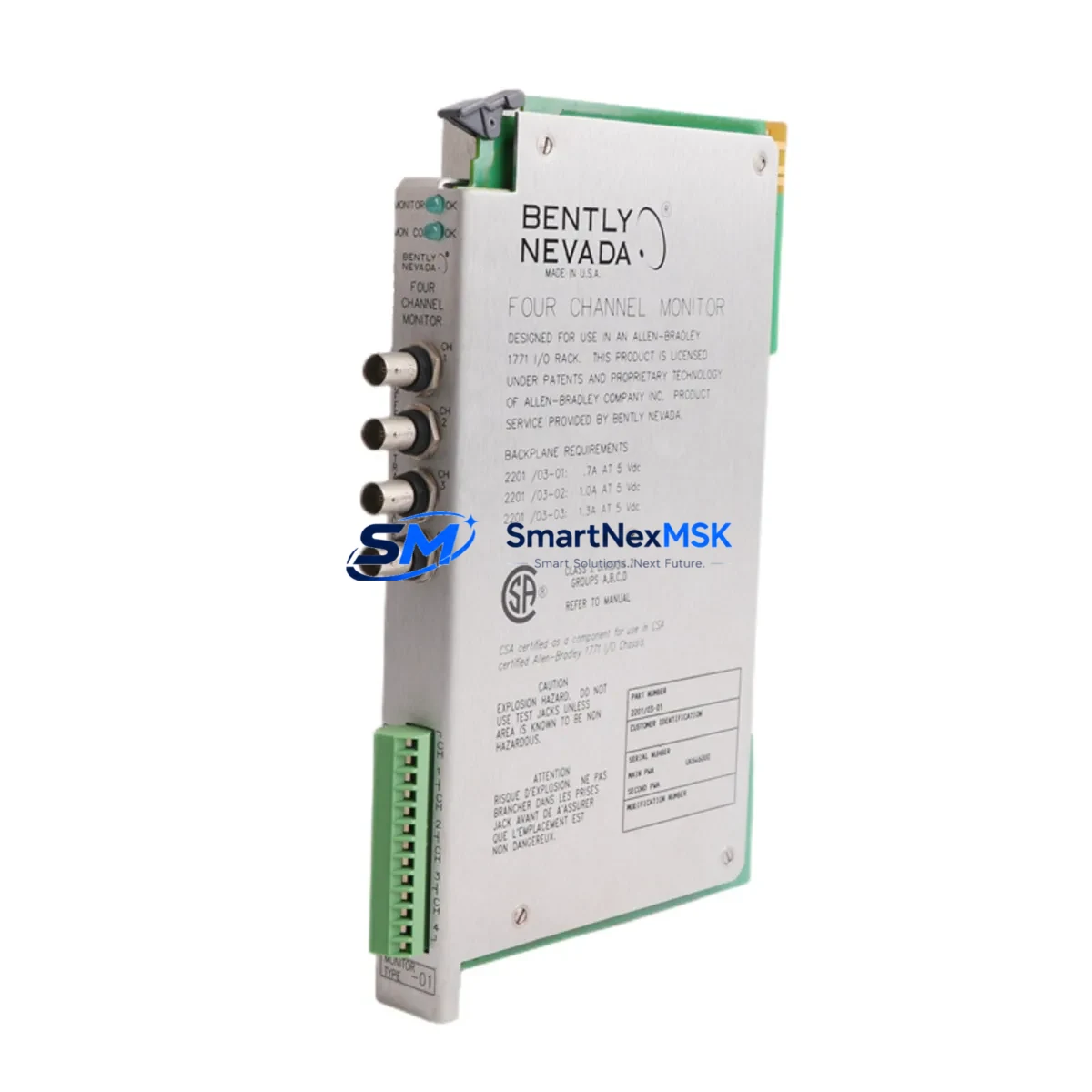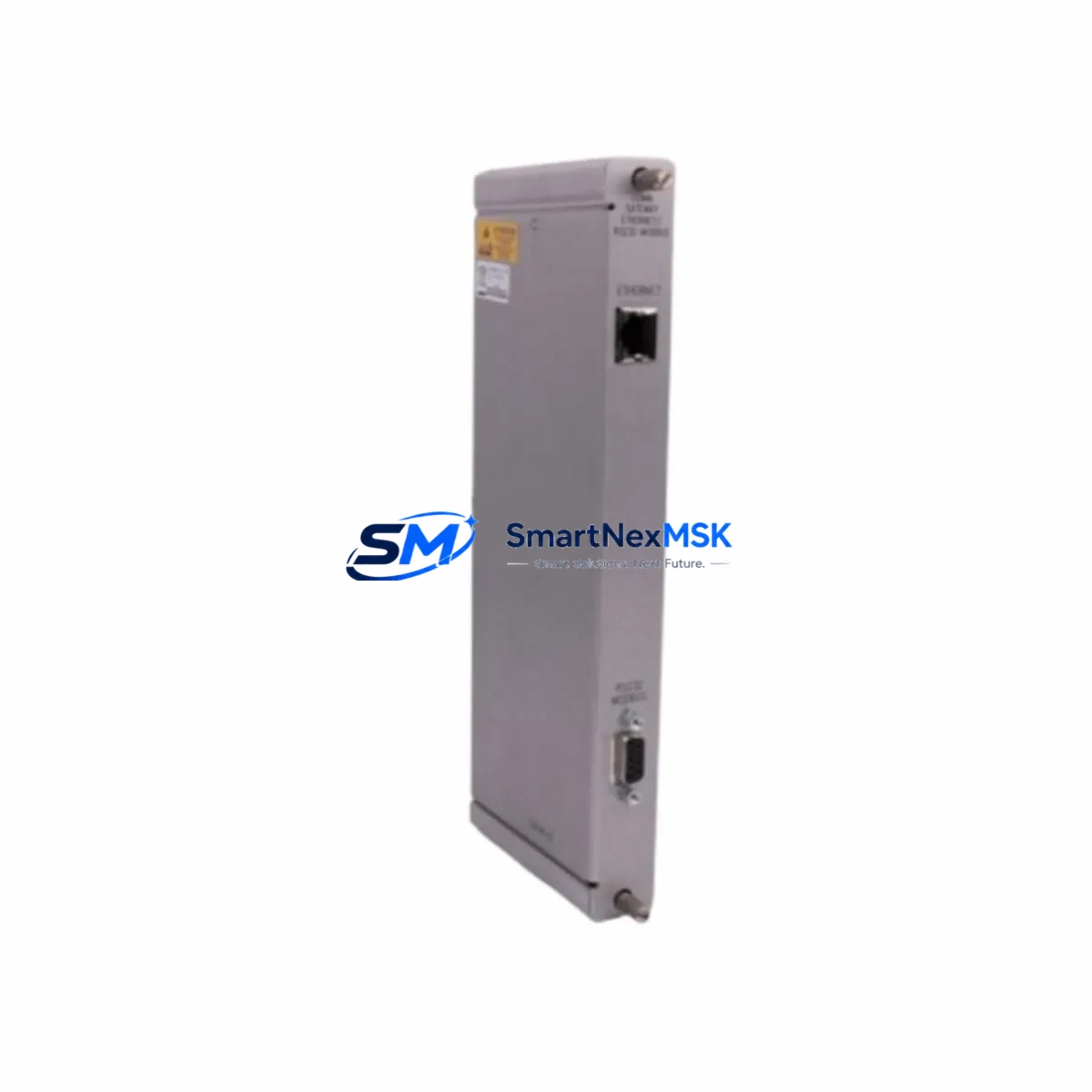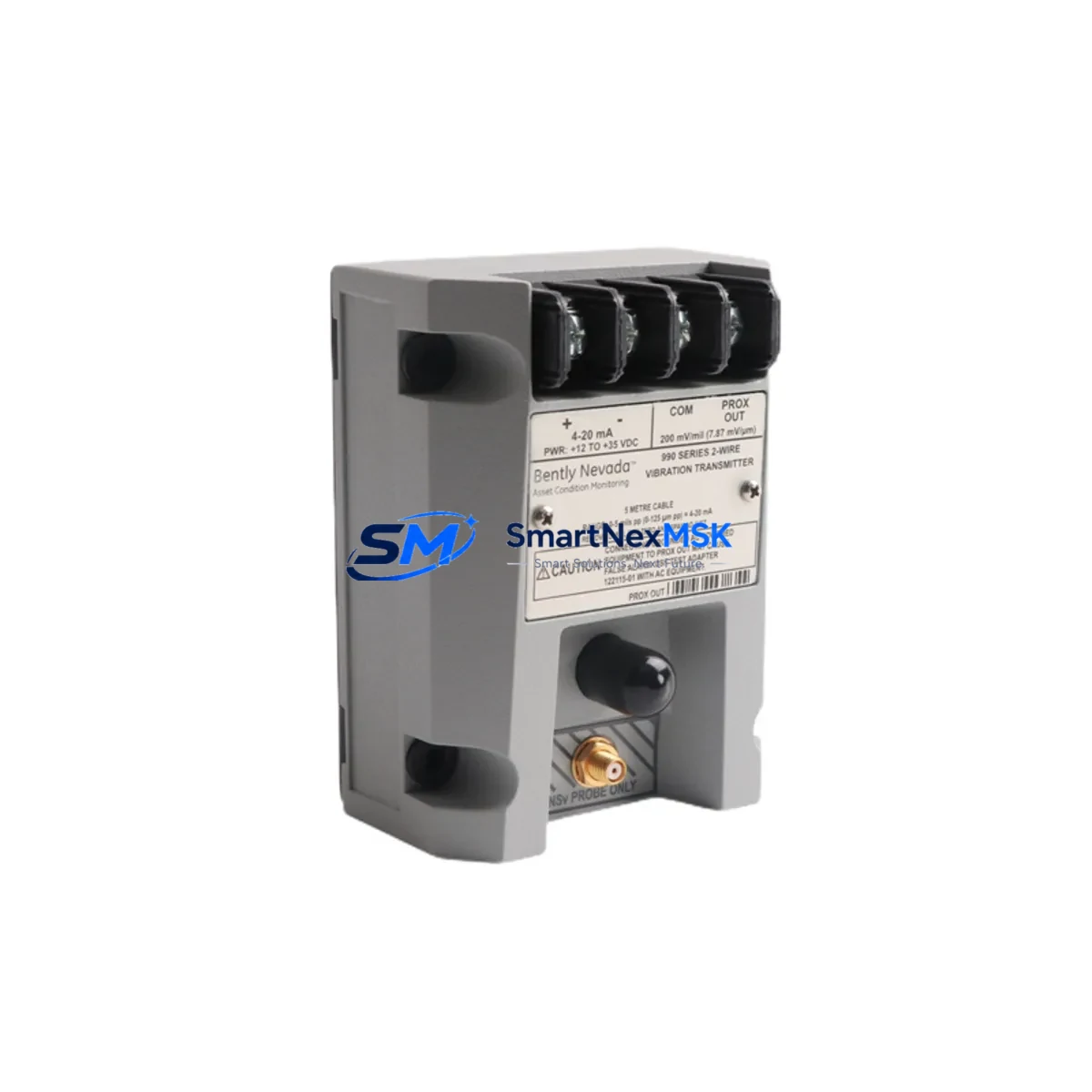
Bently Nevada 990-05-50-02-01 Retrofit-Ready Proximity Transducer for 3300 XL Control Systems
The Bently Nevada 990-05-50-02-01 is a high-precision proximity transducer engineered for direct retrofit into existing 3300 XL Series vibration monitoring systems. As legacy Bently Nevada 3300 XL installations approach end-of-service milestones, plant engineers and reliability teams increasingly require drop-in replacement components that preserve original signal conditioning architecture, terminal wiring layouts, and system calibration without requiring full panel redesign. The 990-05-50-02-01 meets these requirements with full backward compatibility to the 3300 XL platform, making it the preferred choice for planned maintenance shutdowns, emergency spare replacement, and phased system modernization programs.
This transducer operates within the standard Bently Nevada proximitor/transducer signal chain, delivering a linear output voltage proportional to the gap between the probe tip and the observed rotating shaft surface. It is designed for use with the 3300 XL 8mm Proximity Transducer System and is compatible with the corresponding Bently Nevada 3300 XL proximitor extension cables and driver electronics. Engineers retrofitting older 3300 Series (non-XL) installations should verify driver compatibility and gap voltage calibration tables before substitution.
Upgrade Compatibility Table
| Parameter | Details |
|---|---|
| Compatible Platform | Bently Nevada 3300 XL Series Vibration Monitoring System |
| Replaces / Supersedes | Bently Nevada 990-05-50-02-01 (OEM equivalent); compatible with legacy 3300 Series with driver verification |
| Mounting Interface | Standard 8mm proximity probe thread; direct fit to existing probe holders and armored cable assemblies |
| Signal Output | -18 VDC nominal at 2.0 mm gap; linear range per 3300 XL calibration specification |
| Communication / Protocol | Analog voltage signal; compatible with 3300 XL monitor rack I/O cards and Keyphasor® input modules |
| Installation Requirement | Verify extension cable length (5m / 9m options); confirm proximitor driver model (3300 XL Driver) |
| Calibration / Commissioning | Gap voltage re-verification required after installation; use Bently Nevada calibration fixture or equivalent |
| Warranty | 12 Months — covers manufacturing defects, signal linearity, and connector integrity |
Retrofit Planning for Existing Automation Systems
Successful retrofit of the 990-05-50-02-01 into an operating plant environment requires systematic pre-installation planning. The transducer integrates into a signal chain that typically includes the Bently Nevada 3300 XL Proximitor Driver, a matched armored extension cable (commonly the 330130 or 330180 series), and a rack-mounted monitor card within the 3300 XL monitor chassis. Before removing the existing probe, technicians should document the installed gap voltage reading and record the proximitor serial number to confirm driver-transducer pairing.
In control cabinets where the 3300 XL monitor rack is co-located with other Bently Nevada components — such as the 3500/42M Proximitor/Seismic Monitor or the 3500/22M Transient Data Interface — care must be taken to isolate the affected channel without disrupting adjacent monitoring loops. The 3300 XL system’s modular rack architecture allows individual channel cards to be swapped during a controlled outage window, minimizing exposure to the broader machinery protection system.
For plants migrating from older 3300 (non-XL) installations toward the 3300 XL platform, the retrofit path often involves replacing not only the proximity probe but also the proximitor driver and, in some cases, the terminal block wiring within the junction box. The 990-05-50-02-01 is wiring-compatible with standard Bently Nevada field wiring practices, but engineers should cross-reference the terminal assignment diagram against the existing field cable labeling before energizing the new probe. Where the original installation used a Bently Nevada 3300 RAM (Rack Adapter Module), confirm that the RAM firmware version supports the XL-series transducer output range.
Plants operating DCS platforms — including Emerson DeltaV, Honeywell Experion PKS, or ABB System 800xA — that receive vibration data from the 3300 XL monitor via Modbus RTU or FOUNDATION Fieldbus should verify that the channel address mapping remains unchanged after the transducer swap. A mismatch between the physical channel number and the DCS tag assignment can result in false alarms or missed trips during the post-installation verification run. Coordinate with the DCS engineer to confirm that the vibration tag associated with the replaced channel is placed in bypass mode during installation and restored to normal monitoring status only after gap voltage and signal linearity have been confirmed.
Where the plant uses a Bently Nevada System 1 condition monitoring software platform, the historian tag linked to the replaced transducer channel should be reviewed to ensure that the engineering unit scaling and alarm setpoints remain valid for the new probe’s calibration curve. This is particularly important in installations where the original probe was a non-standard gap range variant.
Downtime Control During System Migration
Minimizing unplanned downtime during a proximity transducer replacement is a primary concern for reliability engineers. The 990-05-50-02-01 is supplied pre-tested and gap-verified, reducing on-site commissioning time. A structured replacement procedure should begin with placing the affected vibration channel into bypass within the machinery protection system — typically via the 3300 XL monitor’s front-panel bypass switch or through the System 1 software interface — before any mechanical work begins on the probe holder.
Original program logic within the DCS or safety instrumented system (SIS) that references the vibration channel should not be modified during the transducer swap. The goal is a like-for-like signal restoration: same gap voltage, same output polarity, same alarm thresholds. If the plant’s SIS uses a Triconex or Rockwell GuardLogix safety controller that receives a hardwired trip signal from the 3300 XL monitor, the safety loop should be placed in maintenance override per the site’s management of change (MOC) procedure before work begins, and restored and proof-tested before the machine is returned to service.
Post-installation, the technician should perform a slow-roll check at reduced machine speed to confirm that the vibration signal is tracking correctly before the unit is brought to full operating speed. Any deviation from the pre-outage baseline gap voltage — typically more than ±0.5 VDC — should be investigated before the bypass is cleared. Keeping a calibration record for each replaced 990-05-50-02-01 unit supports future predictive maintenance planning and provides documentation for insurance and regulatory compliance purposes.
Retrofit Support FAQ
Q1: Is the 990-05-50-02-01 a direct drop-in replacement for the original Bently Nevada part of the same number?
A: Yes. The 990-05-50-02-01 supplied by SMARTNEXMSK is a functionally equivalent replacement for the original Bently Nevada OEM part. It matches the thread specification, cable connector type, output sensitivity, and gap range of the original component. No mechanical modification to the probe holder or extension cable is required for standard 3300 XL installations.
Q2: What wiring checks are required before installing the replacement transducer?
A: Before installation, verify the extension cable continuity and insulation resistance between the probe cable conductors and shield. Confirm that the proximitor driver power supply voltage (typically -24 VDC) is within specification. Check the terminal block connections at the junction box for corrosion or loose terminations, particularly in high-vibration or high-humidity environments. Re-torque all terminals to the specified value after reconnection.
Q3: How is compatibility with the 3300 XL monitor verified after installation?
A: After mechanical installation and electrical reconnection, power up the proximitor driver and measure the gap voltage at the monitor card input terminals. The reading should fall within the linear range specified in the 3300 XL calibration table for the installed air gap. Compare this value against the pre-outage baseline recorded before removal of the original probe. If the gap voltage is outside the expected range, adjust the probe position in the holder until the correct gap is achieved, then lock the probe in place per the site’s mechanical procedure.
Q4: What does the 12-month warranty cover, and what is the return process?
A: The 12-month warranty covers manufacturing defects, signal linearity deviations outside the published specification, and connector or cable integrity failures under normal operating conditions. It does not cover damage resulting from incorrect installation, overvoltage, mechanical impact, or operation outside the specified temperature and vibration environment. To initiate a warranty claim, contact SMARTNEXMSK with the purchase order number, installation date, and a description of the observed fault. A replacement unit will be dispatched upon fault verification.
© 2026 SMARTNEXMSK. All rights reserved.
Original Source: https://smartnexmsk.com
Contact: [email protected] | +86 18259474341