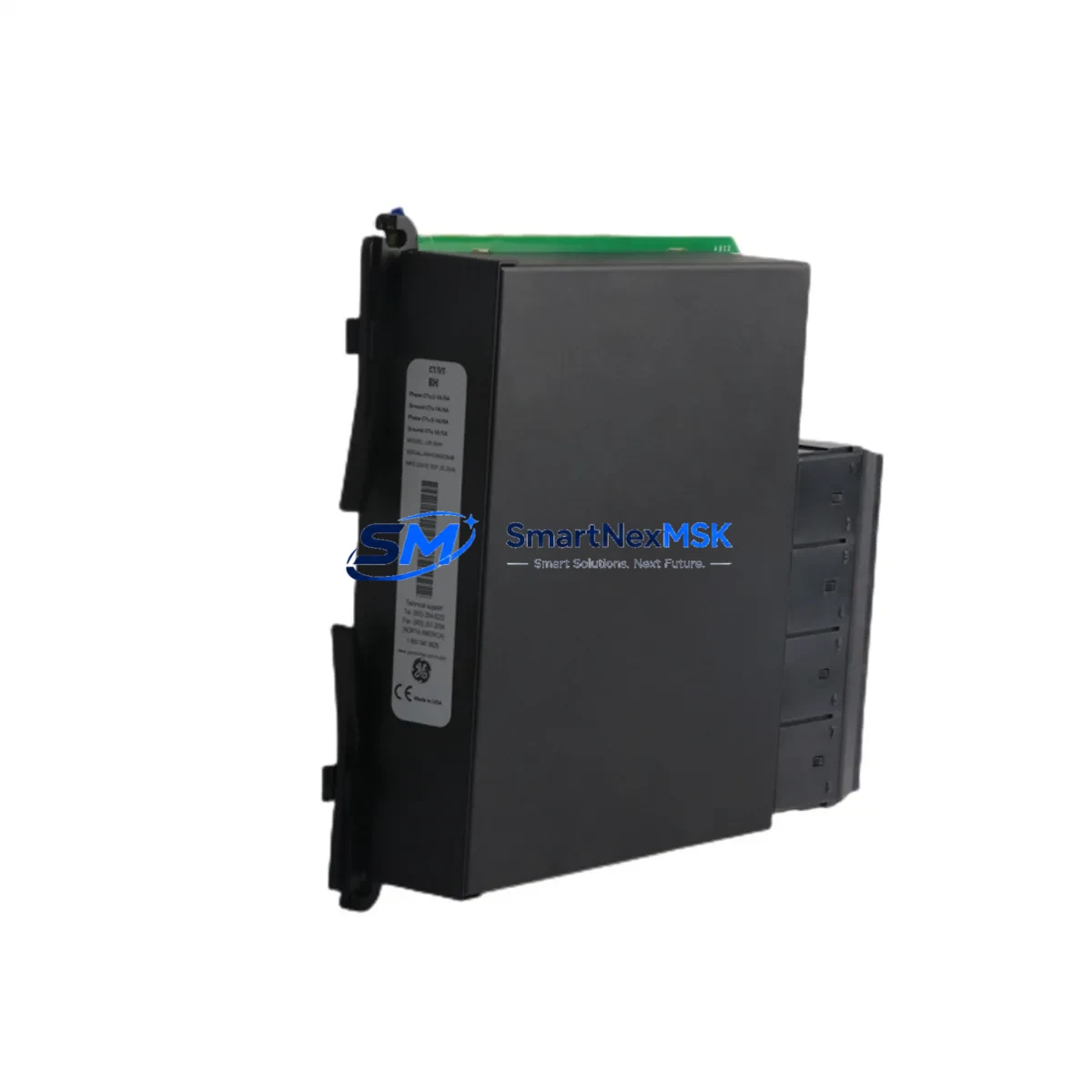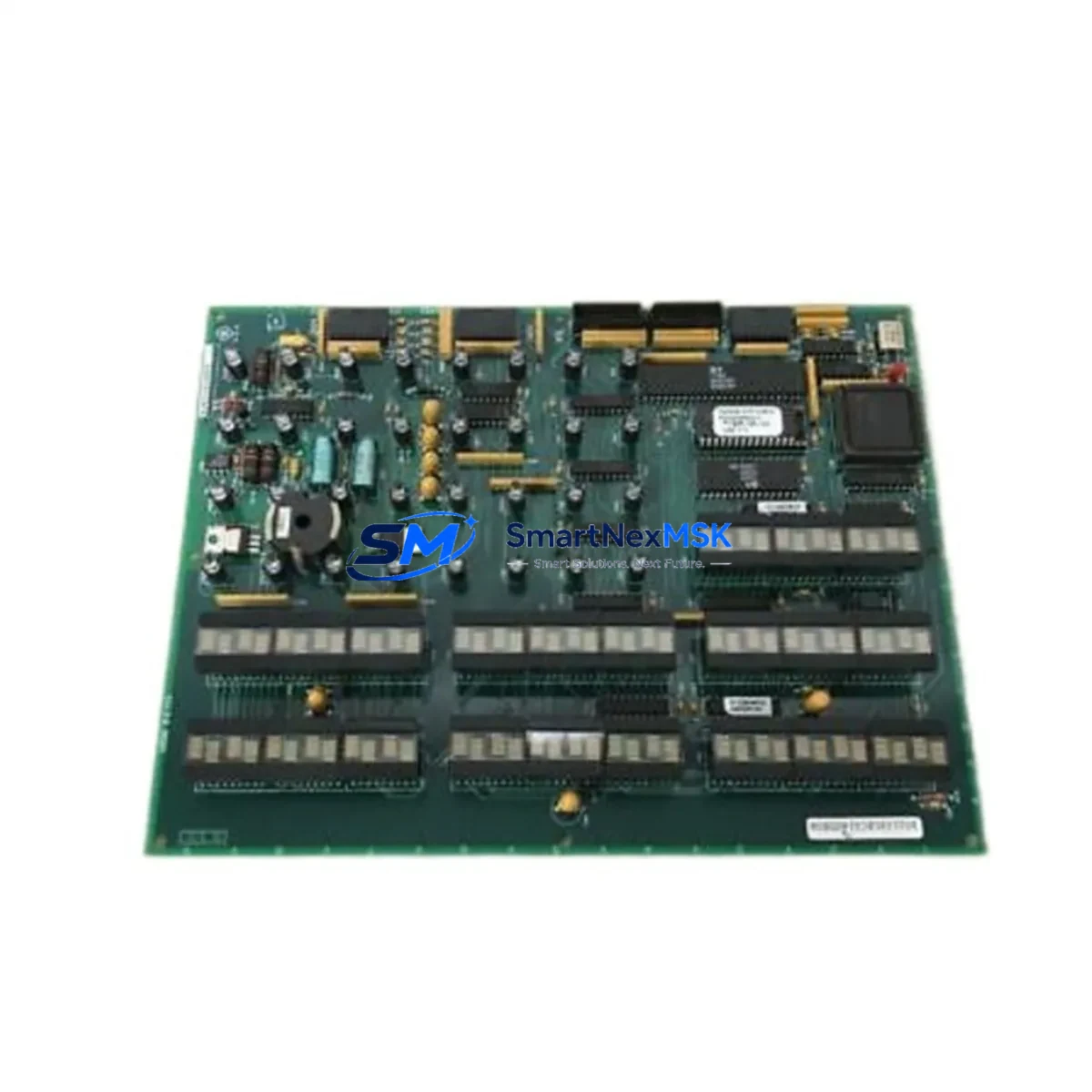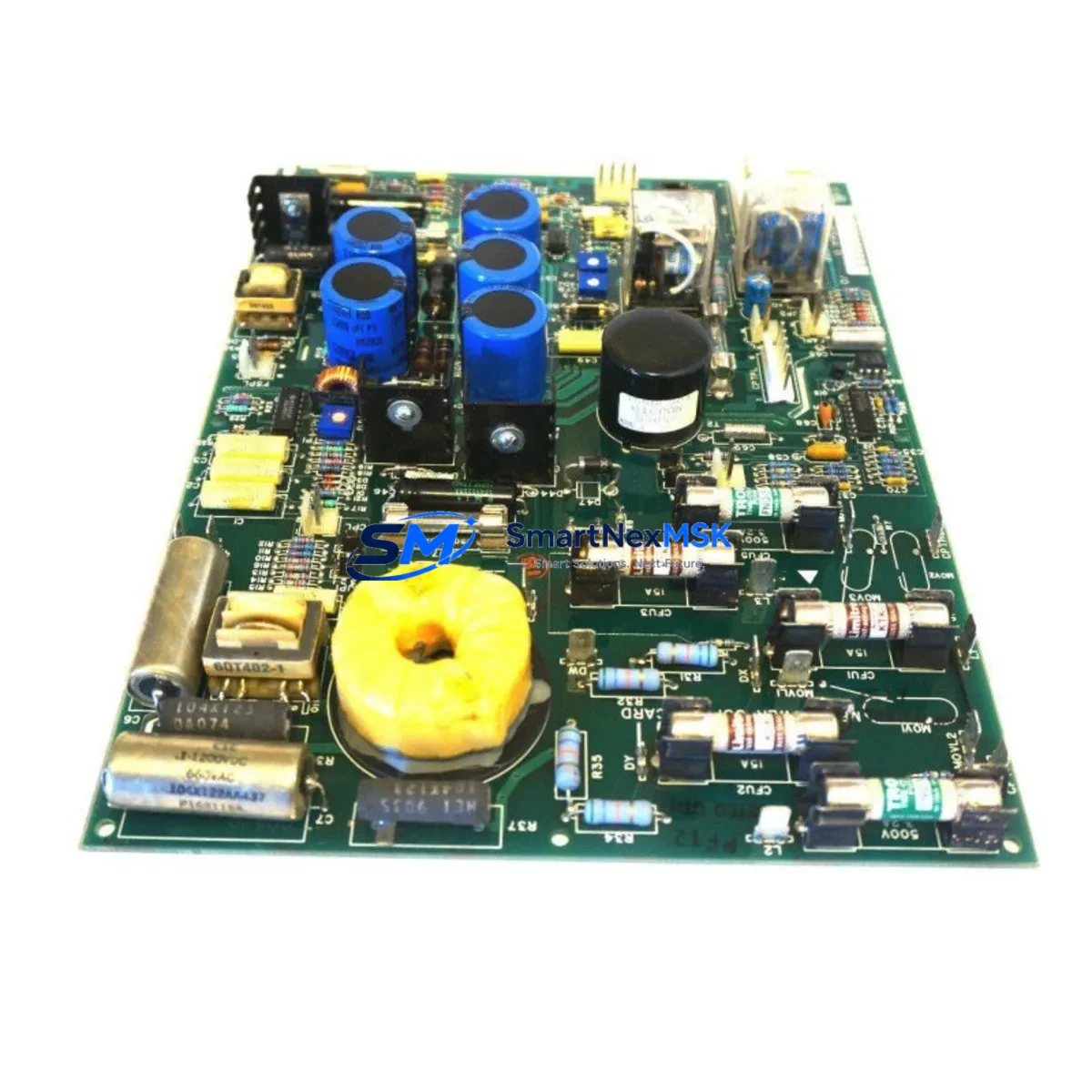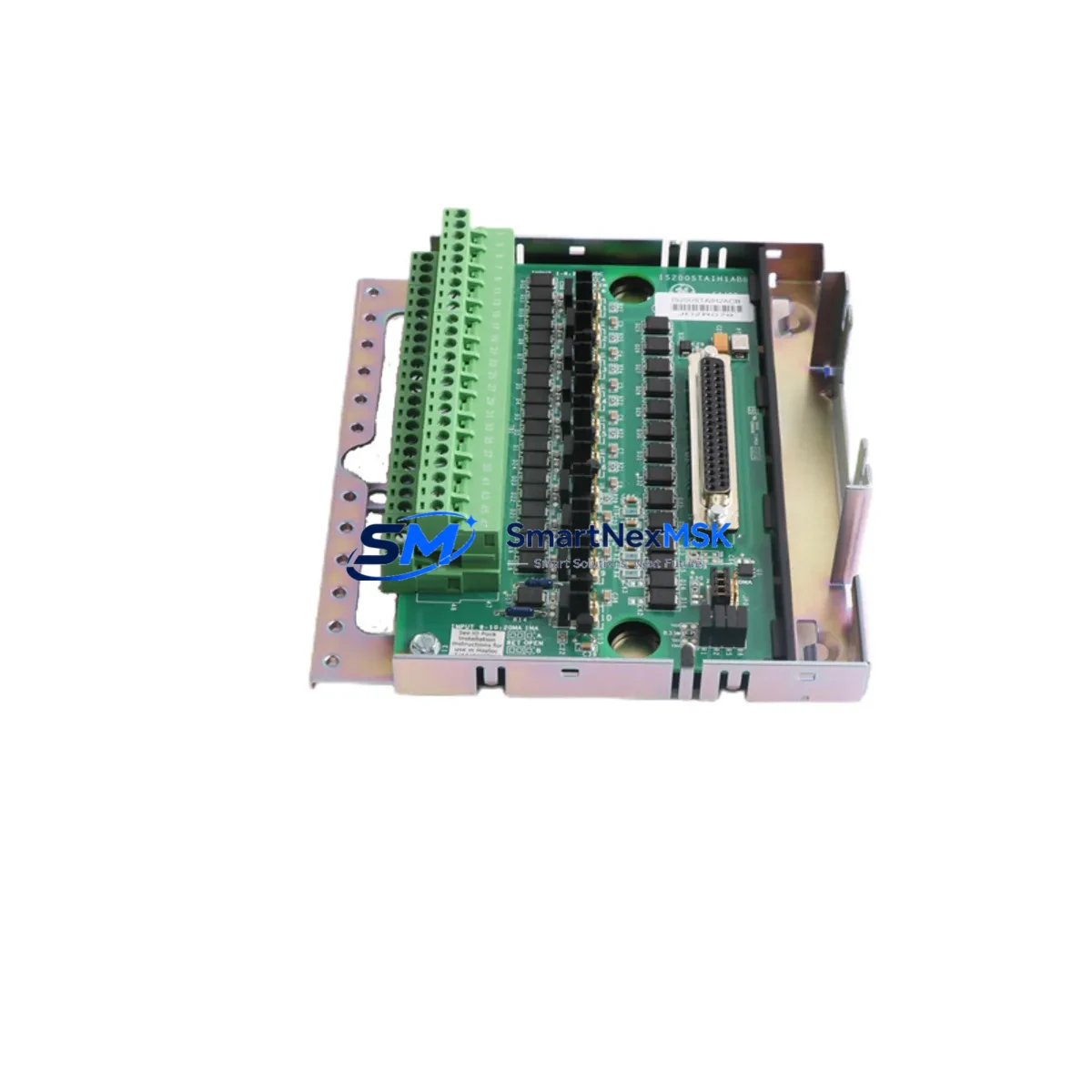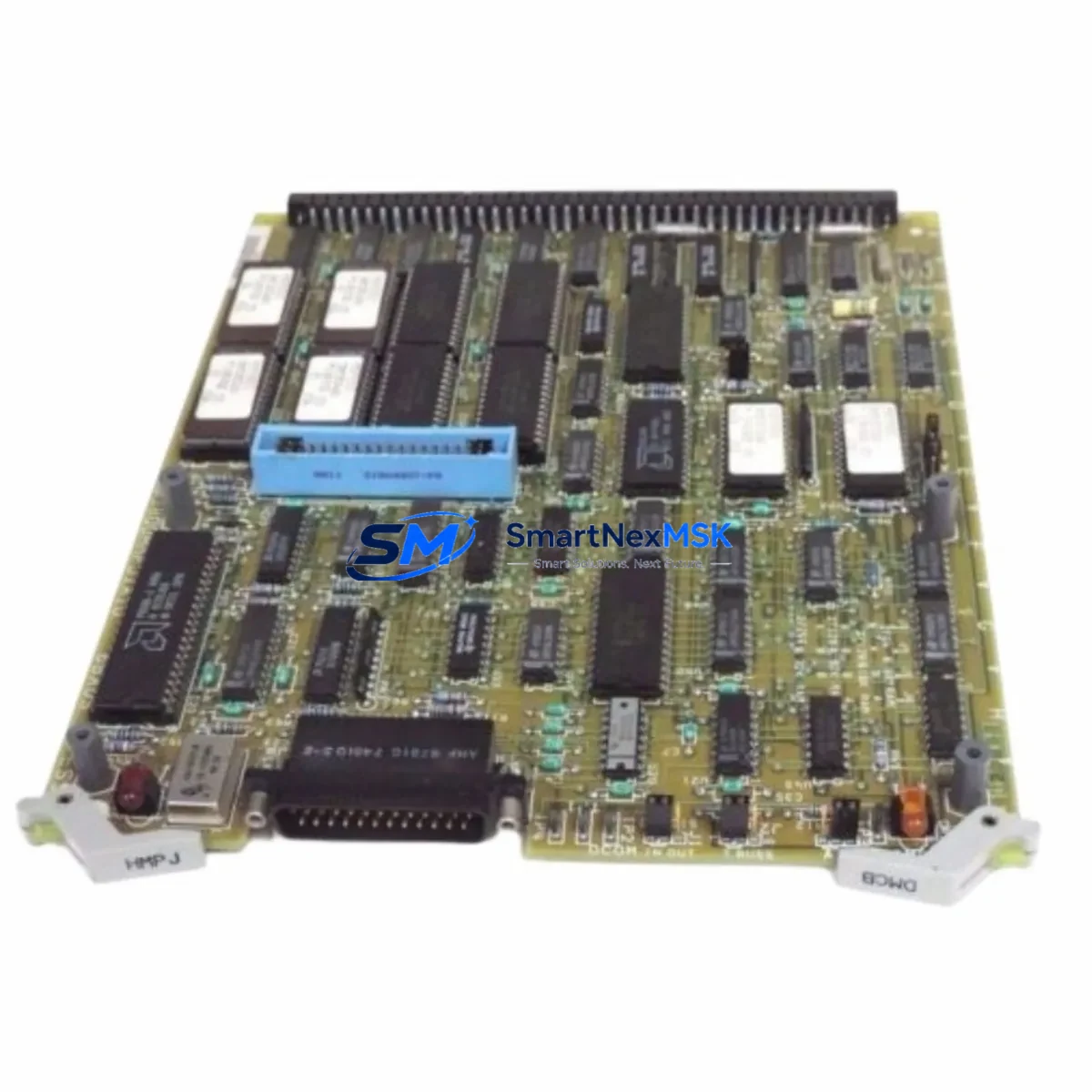
GE DS3800HMPJ1A1D Retrofit-Ready HMI Board for Speedtronic MKIV Control Systems
The GE DS3800HMPJ1A1D is a Human-Machine Interface panel board engineered for the GE Speedtronic Mark IV (MKIV) turbine control platform. As legacy Mark IV systems approach end-of-support and original spare parts become increasingly scarce, the DS3800HMPJ1A1D serves as a critical retrofit component enabling plant operators to extend operational life, restore HMI functionality, and maintain control continuity without committing to a full Mark VI or Mark VIe migration. This board is a direct form-fit-function replacement for failed or degraded HMI panel assemblies within the MKIV control cabinet, and it is fully compatible with the existing backplane architecture, terminal wiring, and operator interface logic native to the Mark IV platform.
When planning a retrofit around the DS3800HMPJ1A1D, engineers must first audit the existing power supply capacity within the control cabinet. The Mark IV panel typically draws regulated +5 VDC and ±15 VDC rails from the DS3800PSAD or equivalent power supply module. Confirming that the power supply can sustain the HMI board’s load — particularly after years of capacitor degradation — is a prerequisite before installation. If the power supply shows signs of voltage ripple or thermal stress, replacing it concurrently with the DS3800PSAD or DS3800PSAR is strongly recommended to avoid repeat failures post-retrofit.
Terminal wiring compatibility is the next critical checkpoint. The DS3800HMPJ1A1D connects to the Mark IV backplane via a defined edge connector and ribbon interface. Technicians should verify that the existing backplane — typically a DS3800BPAG or DS3800BPAH variant — is free of corrosion, cracked traces, or damaged connector pins before seating the replacement board. Any backplane integrity issues will manifest as intermittent communication faults or display anomalies that are difficult to distinguish from board-level failures.
Module addressing within the Mark IV architecture is handled through hardware DIP switch configurations on the board itself. Before powering up the replacement DS3800HMPJ1A1D, technicians must replicate the address settings from the original board. Failure to match the module address will prevent the controller — typically a DS3800NMEC or DS3800NMID processor card — from recognizing the HMI panel, resulting in a system fault condition. Photograph or document the original DIP switch positions before removing the failed board.
Program logic compatibility is generally preserved during an HMI board swap, as the control logic resides on the processor and I/O modules rather than the HMI panel itself. However, if the plant has customized operator display sequences or alarm setpoint screens, these configurations are stored in the HMI memory and must be reloaded from backup after the replacement. Coordinate with the controls engineer to ensure that the latest HMI configuration file — including turbine startup sequences, load control displays, and trip alarm screens — is available before the maintenance window begins.
Communication link integrity between the HMI panel and the Mark IV I/O modules — including analog input cards such as the DS3800HSIA and thermocouple input modules like the DS3800NTBA — should be verified using the Mark IV diagnostic software after board installation. Any communication errors at this stage typically indicate a wiring fault, an address conflict, or a damaged backplane connector rather than a board defect.
For plants considering a phased migration toward the Mark VI platform, the DS3800HMPJ1A1D provides a cost-effective bridge solution. Rather than executing a full cutover — which requires replacing the processor, I/O racks, power supplies, and HMI simultaneously — operators can stabilize the existing Mark IV system with verified replacement boards while planning the migration timeline. This approach minimizes unplanned downtime and allows engineering teams to develop and test the Mark VI configuration offline before the final cutover.
Upgrade Compatibility Table
| Parameter | DS3800HMPJ1A1D Specification |
|---|---|
| Compatible Platform | GE Speedtronic Mark IV (MKIV) |
| Board Function | HMI Panel Interface Board |
| Backplane Interface | DS3800BPAG / DS3800BPAH compatible |
| Power Requirements | +5 VDC, ±15 VDC (from DS3800PSAD/PSAR) |
| Module Addressing | Hardware DIP switch — must match original configuration |
| Communication Compatibility | Mark IV native serial bus; compatible with DS3800NMEC/NMID processor |
| I/O Module Compatibility | DS3800HSIA, DS3800NTBA, DS3800DMPD and standard Mark IV I/O |
| Installation Type | Direct drop-in replacement; no cabinet modification required |
| Retrofit Recommendation | Replace power supply concurrently if >10 years in service |
| Commissioning Requirement | DIP address match + HMI config reload + comms verification |
| Warranty | 12-Month Warranty — covers manufacturing defects and functional failure |
Retrofit Planning for Existing Automation Systems
A successful DS3800HMPJ1A1D retrofit begins well before the maintenance window opens. The planning phase should include a full inventory of the Mark IV control cabinet, identifying the condition of all installed modules. Beyond the HMI board itself, the retrofit team should assess the DS3800NMEC or DS3800NMID processor card for memory integrity, check the DS3800DMPD display processor for display driver faults, and inspect the DS3800HSIA analog signal conditioning board for drift or calibration errors. If the plant operates with thermocouple-based temperature monitoring — common in gas turbine applications — the DS3800NTBA thermocouple input board should be tested for cold junction compensation accuracy before the retrofit window.
The control cabinet’s terminal block wiring should be photographed and documented in full before any board is removed. Mark IV systems often have field-modified wiring that deviates from the original engineering drawings, and undocumented changes are a leading cause of extended commissioning time during retrofits. Pay particular attention to the wiring between the HMI panel and any external operator workstations or remote display panels connected via the Mark IV serial communication bus.
If the plant uses a GE Mark IV programming cable — such as the IC693CBL316 or equivalent serial interface cable — to connect a laptop for configuration uploads, verify that the cable and the laptop’s serial port driver are functional before the maintenance window. Configuration upload failures due to cable or driver issues are a common source of avoidable downtime during HMI board replacements. Having a verified backup programming cable on-site is a standard precaution for critical turbine control retrofits.
For plants that have already migrated some control functions to a Mark VI or Mark VIe platform while retaining legacy Mark IV HMI panels for operator interface, the DS3800HMPJ1A1D can serve as a stabilization component during the transition period. In these hybrid configurations, the HMI board interfaces with the legacy Mark IV backplane while the plant’s DCS layer — potentially running on a GE ControlST or third-party SCADA system — handles higher-level supervisory functions. Ensuring that the HMI panel’s display outputs remain synchronized with the DCS data layer is a commissioning task that should be explicitly included in the retrofit test plan.
Downtime Control During System Migration
Minimizing downtime during a DS3800HMPJ1A1D replacement requires a structured pre-outage preparation protocol. The most effective approach is to complete all documentation, configuration backup, and spare parts verification before the turbine is taken offline. This includes backing up the current HMI configuration from the existing board if it is still partially functional, verifying that the replacement DS3800HMPJ1A1D has been bench-tested and powered up in a controlled environment prior to installation, and confirming that all required tools — including the Mark IV programming cable, a calibrated multimeter for power rail verification, and the DIP switch documentation — are staged at the work site.
During the board swap itself, the sequence of operations matters. Power down the control cabinet in the correct sequence per the Mark IV shutdown procedure to avoid transient voltage spikes that can damage adjacent modules. Remove the failed HMI board, inspect the backplane connector for damage, seat the replacement DS3800HMPJ1A1D, and verify DIP switch settings before restoring power. On power-up, monitor the +5 VDC and ±15 VDC rails with a multimeter before allowing the processor to initialize. A voltage anomaly at this stage indicates a power supply issue that must be resolved before proceeding.
After the board is seated and power is confirmed stable, reload the HMI configuration file and execute the Mark IV communication diagnostic routine to verify that all I/O modules — including the DS3800HSIA, DS3800NTBA, and DS3800DMPD — are responding correctly on the serial bus. Document the commissioning test results, including all alarm states, display screen functionality, and operator input response, before returning the turbine to service. A structured commissioning checklist reduces the risk of overlooking a fault condition that could cause a trip event during the first startup after the retrofit.
All DS3800HMPJ1A1D units supplied by SMARTNEXMSK are covered by a 12-Month Warranty against manufacturing defects and functional failure. Each unit undergoes pre-shipment functional testing to verify power-up behavior, communication bus response, and display output integrity before dispatch.
Retrofit Support FAQ
Q: Is the DS3800HMPJ1A1D a direct replacement for the original GE HMI panel board in Mark IV systems?
A: Yes. The DS3800HMPJ1A1D is a form-fit-function replacement for the original GE Speedtronic Mark IV HMI panel board. It uses the same backplane connector, the same power rail requirements, and the same module addressing scheme as the original. No cabinet modification is required for installation.
Q: Do I need to reconfigure the DIP switches on the replacement board?
A: Yes. The module address DIP switches on the DS3800HMPJ1A1D must be set to match the original board’s configuration before installation. The Mark IV processor will not recognize the HMI panel if the address settings differ from the expected value. Always document the original DIP switch positions before removing the failed board.
Q: What pre-shipment testing is performed on the DS3800HMPJ1A1D?
A: Each unit is functionally tested prior to shipment, including power-up verification, communication bus response testing, and display output confirmation. Units that do not pass functional testing are not dispatched. A 12-Month Warranty covers all units against manufacturing defects and functional failure from the date of delivery.
Q: Can the DS3800HMPJ1A1D be used in a hybrid Mark IV / Mark VI migration environment?
A: Yes. The DS3800HMPJ1A1D can serve as a stabilization component in hybrid control environments where the Mark IV HMI panel remains in service while higher-level control functions have been migrated to a Mark VI or Mark VIe platform. Commissioning in this configuration requires verification that the HMI display outputs remain synchronized with the supervisory control layer, which should be explicitly tested during the retrofit commissioning phase.
© 2026 SMARTNEXMSK. All rights reserved.
Original Source: https://smartnexmsk.com
Contact: [email protected] | +86 18259474341