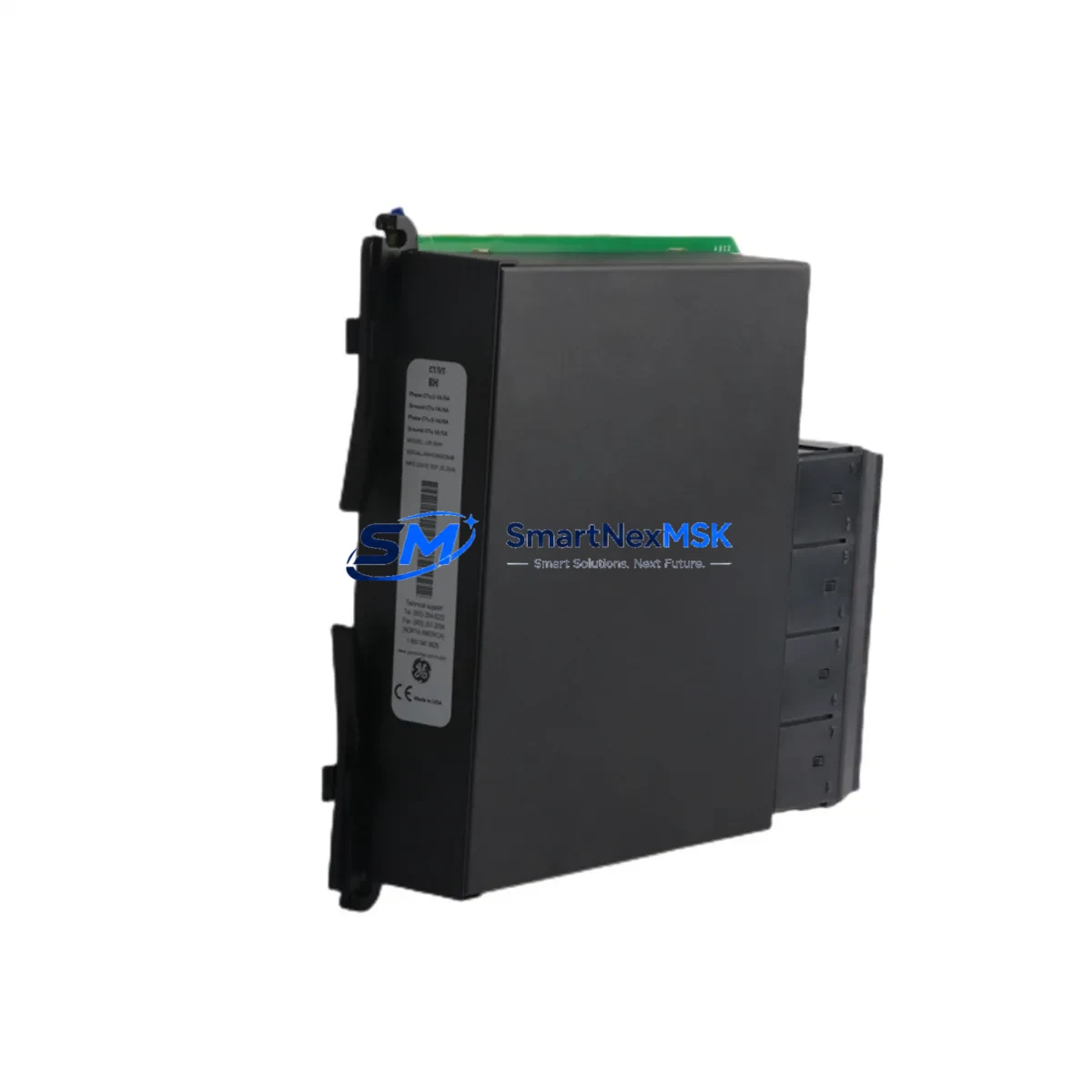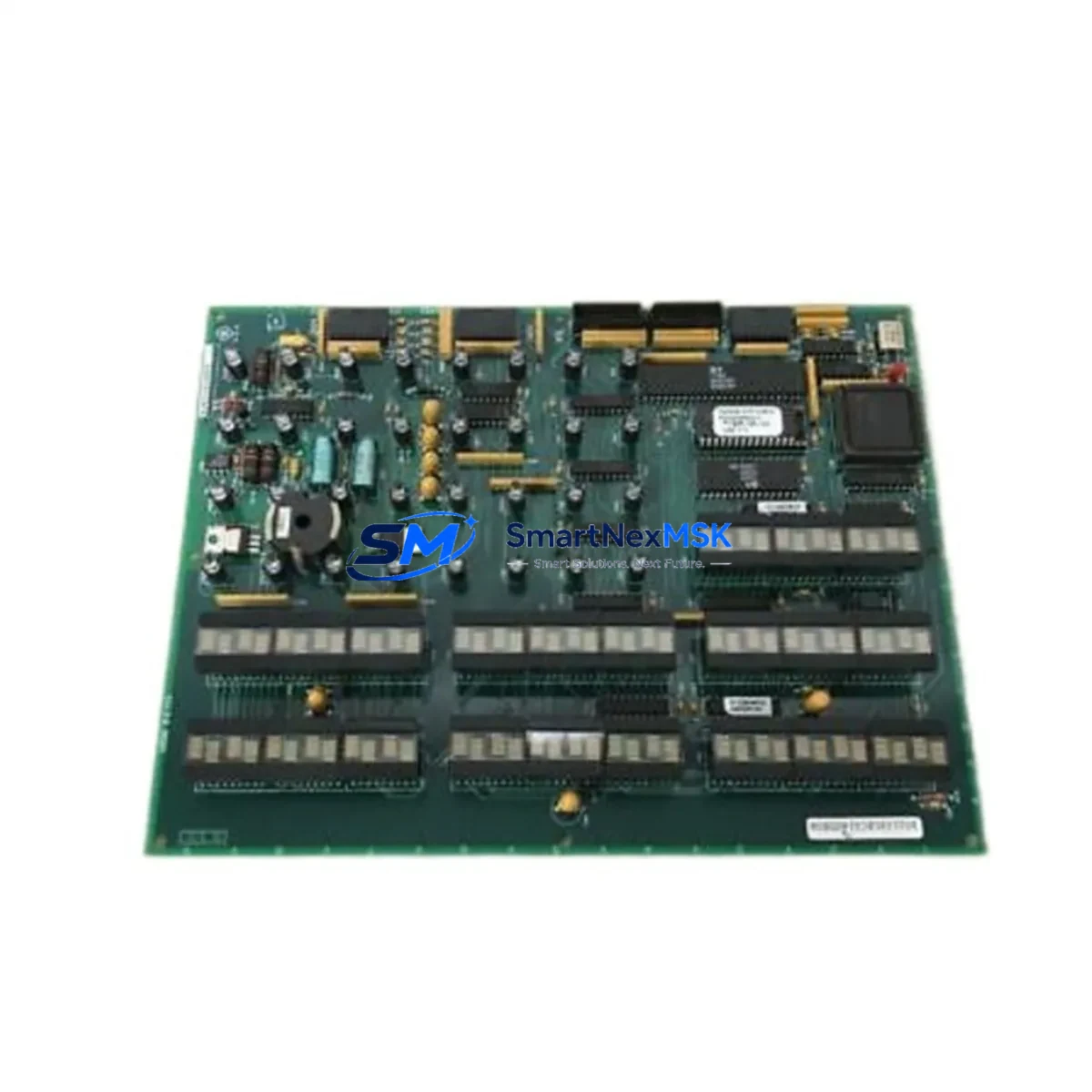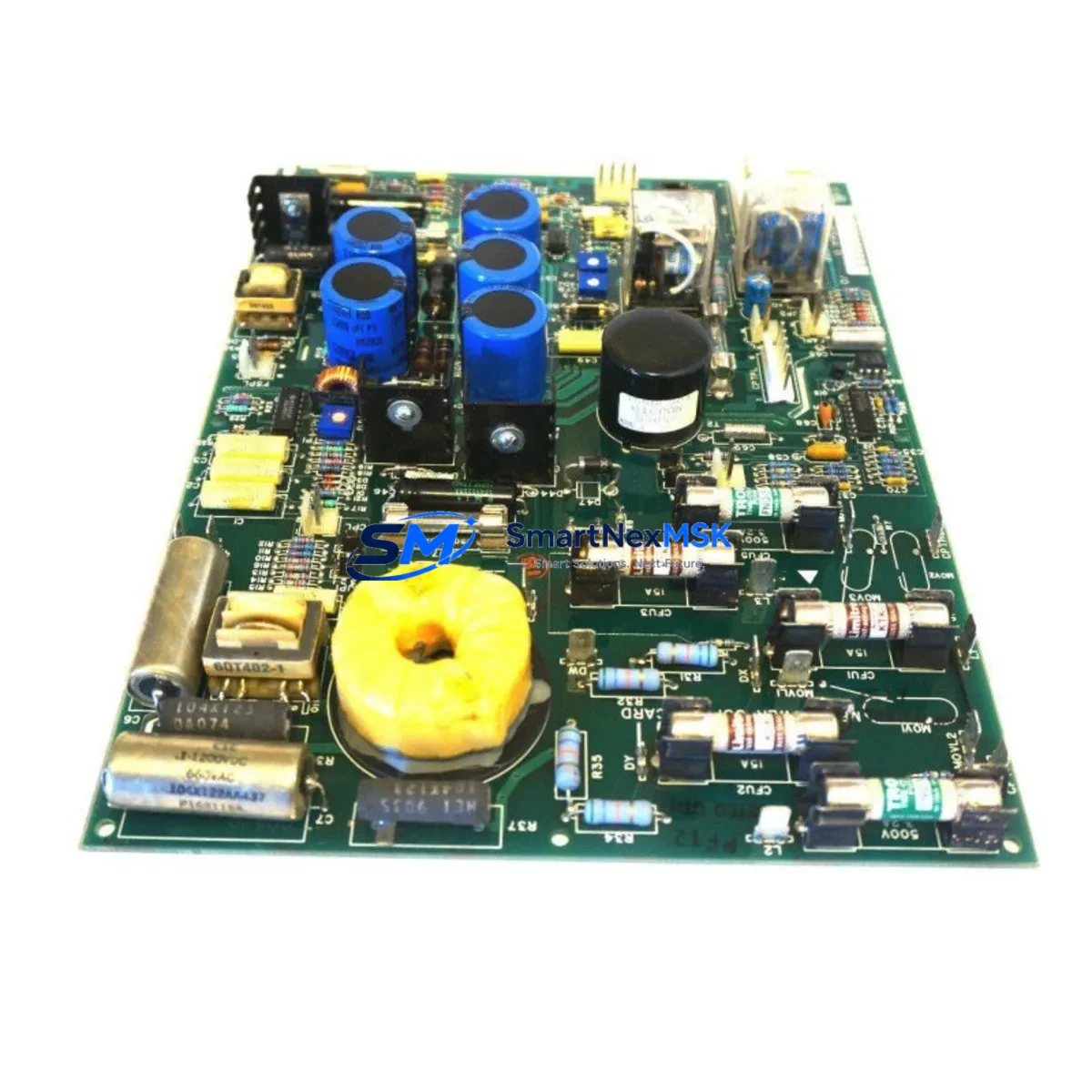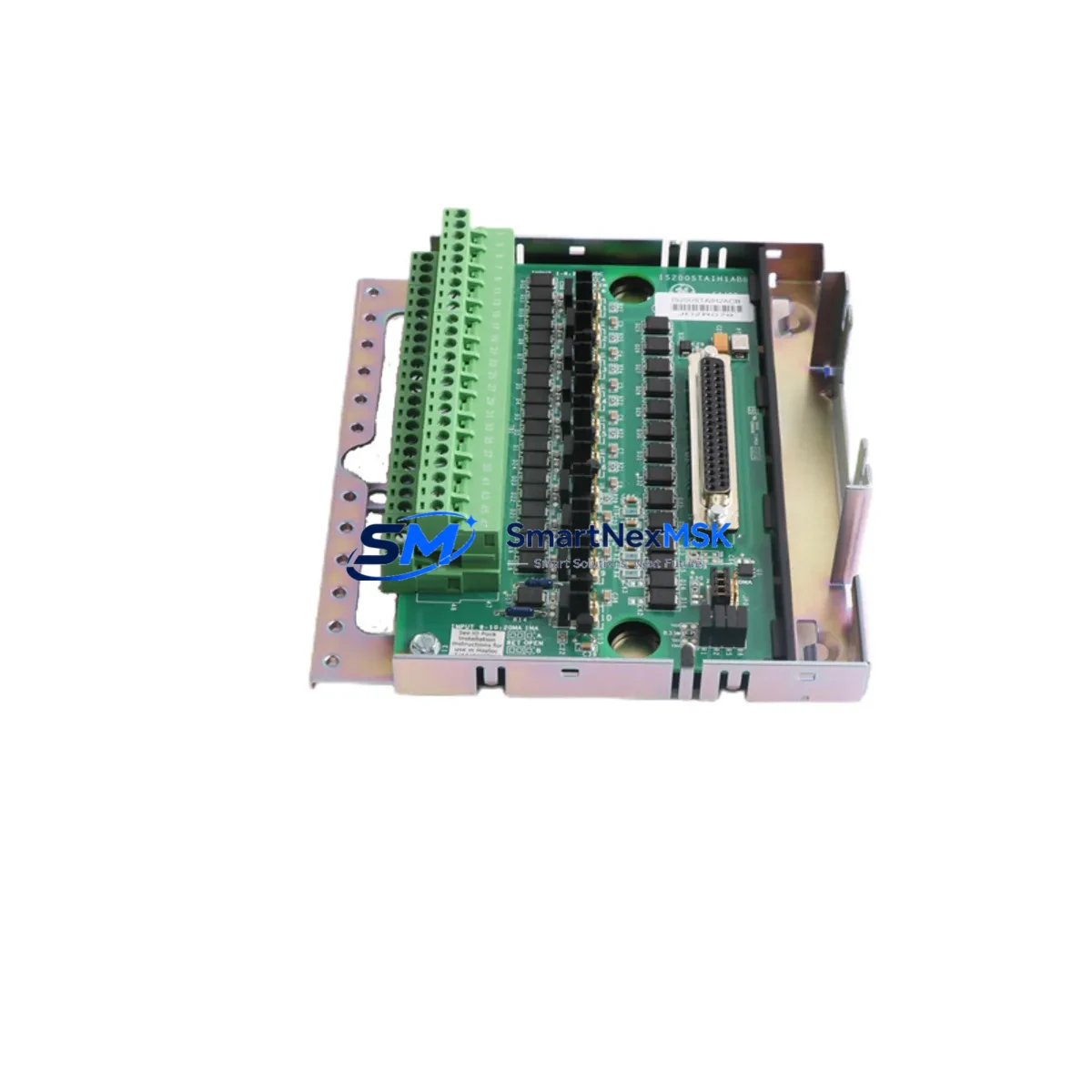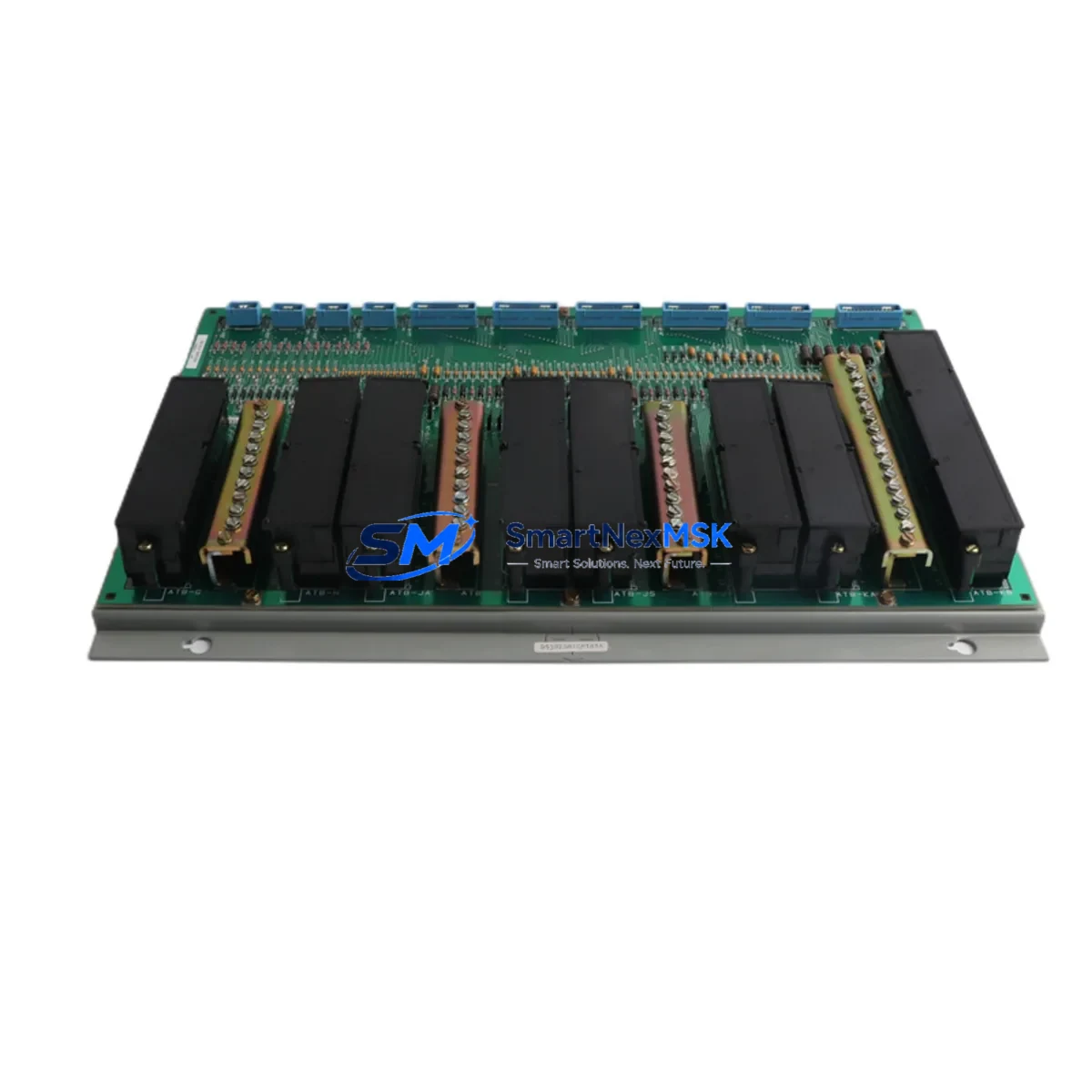
GE DS3820AIQA1A1A Retrofit-Ready Analog I/O for Mark VI Control Systems
The GE DS3820AIQA1A1A is a high-reliability analog input/output module engineered for the GE Mark VI Turbine Control System. As legacy Mark VI installations approach end-of-life and OEM support windows close, this module serves as the critical bridge between aging infrastructure and modernized control architectures. Whether you are executing a full turbine control panel upgrade, replacing a failed analog I/O board on an emergency basis, or systematically migrating from Mark V to Mark VI, the DS3820AIQA1A1A delivers the signal fidelity, backplane compatibility, and terminal wiring consistency that retrofit engineers demand.
Industrial facilities operating gas turbines, steam turbines, and combined-cycle power plants frequently encounter the challenge of sourcing discontinued analog I/O modules. The DS3820AIQA1A1A addresses this directly — it is stocked, tested, and available for immediate dispatch with a 12-month warranty, reducing procurement lead times that can otherwise extend planned outages by weeks.
Upgrade Compatibility Table
| Parameter | Details |
|---|---|
| Compatible Platform | GE Mark VI Turbine Control System |
| Module Type | Analog Input / Output (I/O) |
| Backplane Interface | Mark VI VME-style backplane; direct slot insertion |
| Terminal Wiring | Compatible with existing Mark VI terminal board wiring; no re-termination required in most retrofit scenarios |
| Communication Compatibility | IONET / Mark VI internal I/O bus; no protocol conversion required |
| Power Supply Requirement | Sourced from Mark VI rack power supply (PSPS or equivalent); verify rack power budget before installation |
| Replacement Recommendation | Direct replacement for failed or end-of-life DS3820AIQA1A1A units; verify firmware revision compatibility with site CIMPLICITY or ToolboxST configuration |
| Commissioning Notes | Module address assignment via ToolboxST; I/O calibration recommended post-installation; HMI signal mapping verification required |
| Warranty | 12 months from date of shipment; covers manufacturing defects and functional failure under normal operating conditions |
| Pre-Shipment Testing | Full functional test performed; burn-in and signal integrity verification completed before dispatch |
Retrofit Planning for Existing Automation Systems
A successful DS3820AIQA1A1A retrofit begins well before the module arrives on site. Engineers should start by auditing the existing Mark VI rack configuration, confirming available slot positions in the IS200 series VME rack and verifying that the rack’s power supply — typically a DS3800HPSA or equivalent Mark VI power supply module — has sufficient headroom to support the analog I/O load. Overloaded rack power budgets are a common cause of intermittent analog signal errors that are misdiagnosed as module failure.
Terminal board wiring is the next critical checkpoint. The DS3820AIQA1A1A interfaces with the Mark VI terminal board assembly; in most installations, the existing field wiring to the DS3800TBQB or compatible terminal board can be retained without modification. However, engineers should inspect terminal torque values and check for corrosion on analog signal pairs, particularly in humid or coastal environments where signal degradation accelerates.
For facilities migrating from Mark V to Mark VI, the analog I/O architecture changes significantly. Mark V used the DS3800DMPK and related analog boards with a different backplane pinout, meaning direct physical substitution is not possible — a full rack and terminal board replacement is required. In these migration projects, the DS3820AIQA1A1A is typically deployed alongside a new IS200TREGH1B terminal board, IS200VTURH1BDB turbine control card, and updated IS200EACFG1A excitation control module to complete the control system modernization.
Communication link integrity must be validated before returning the turbine to service. The Mark VI IONET architecture relies on redundant communication paths; after installing the DS3820AIQA1A1A, engineers should use ToolboxST to verify that the module appears correctly in the I/O tree, that all analog channels are mapped to the correct process variables, and that the HMI CIMPLICITY screens reflect accurate real-time values. Any discrepancy in signal scaling or engineering unit conversion should be resolved in the ToolboxST configuration before live commissioning.
For I/O expansion projects — where additional analog measurement points are being added to an existing Mark VI system — the DS3820AIQA1A1A can be installed in an available rack slot alongside existing DS3820DMPK digital I/O modules and IS200TREGH1B terminal boards. Confirm that the Mark VI controller’s I/O scan rate and memory allocation can accommodate the additional analog channels without impacting turbine protection response times.
Downtime Control During System Migration
Minimizing turbine downtime during a Mark VI analog I/O replacement requires a structured hot-swap and pre-commissioning strategy. Begin by exporting the complete ToolboxST project backup before any hardware changes — this preserves the existing I/O mapping, PID tuning parameters, alarm setpoints, and protection logic that took years to optimize for your specific turbine and process conditions.
Where the plant schedule permits, perform a bench test of the DS3820AIQA1A1A using a portable Mark VI rack or a spare rack in the maintenance workshop. Simulate analog input signals using a calibrated signal generator and verify that the module responds correctly across the full 4–20 mA or voltage input range. This pre-commissioning step eliminates the risk of discovering a configuration mismatch during a live outage window.
During the actual replacement, follow a channel-by-channel verification approach: restore power to the rack, confirm module recognition in ToolboxST, and validate each analog channel against the field instrument before releasing turbine control to the upgraded system. Retain the original module in a labeled anti-static bag until the replacement has completed a full operational cycle — this provides a fallback option if an unexpected compatibility issue surfaces during initial operation.
For facilities with redundant Mark VI controllers (TMR — Triple Modular Redundancy configurations), the analog I/O replacement can often be performed on one controller path at a time while the remaining paths maintain turbine protection, reducing the required outage window to a fraction of a full system shutdown.
Retrofit Support FAQ
Q1: Is the DS3820AIQA1A1A a direct drop-in replacement for a failed unit in my Mark VI rack?
In the majority of Mark VI installations, yes. The module uses the same VME backplane connector, the same terminal board interface, and the same IONET communication protocol as the original. However, you should verify the firmware revision compatibility using ToolboxST before installation, as some later Mark VI software releases introduced I/O module firmware dependencies.
Q2: What wiring changes are required when installing this module?
In a like-for-like replacement scenario, no field wiring changes are typically required. The existing terminal board wiring can be retained. If you are upgrading from a different analog I/O module variant or migrating from Mark V, a terminal board change and re-termination of field cables will be necessary. Our technical team can advise based on your specific rack and terminal board configuration.
Q3: How is the module address configured after installation?
Module addressing in the Mark VI system is managed through ToolboxST. After physical installation, open the ToolboxST project, navigate to the I/O configuration tree, and assign the module to the correct rack slot. Download the updated configuration to the controller and verify that all analog channels appear with correct engineering unit assignments before proceeding to live commissioning.
Q4: What does the 12-month warranty cover, and is pre-shipment testing performed?
Every DS3820AIQA1A1A unit is functionally tested prior to shipment, including analog signal integrity verification across all channels. The 12-month warranty covers manufacturing defects and functional failure under normal operating conditions. Units that fail within the warranty period are replaced or repaired at no charge. Expedited replacement is available for critical turbine applications where extended downtime is not acceptable.
© 2026 SMARTNEXMSK. All rights reserved.
Original Source: https://smartnexmsk.com
Contact: [email protected] | +86 18259474341