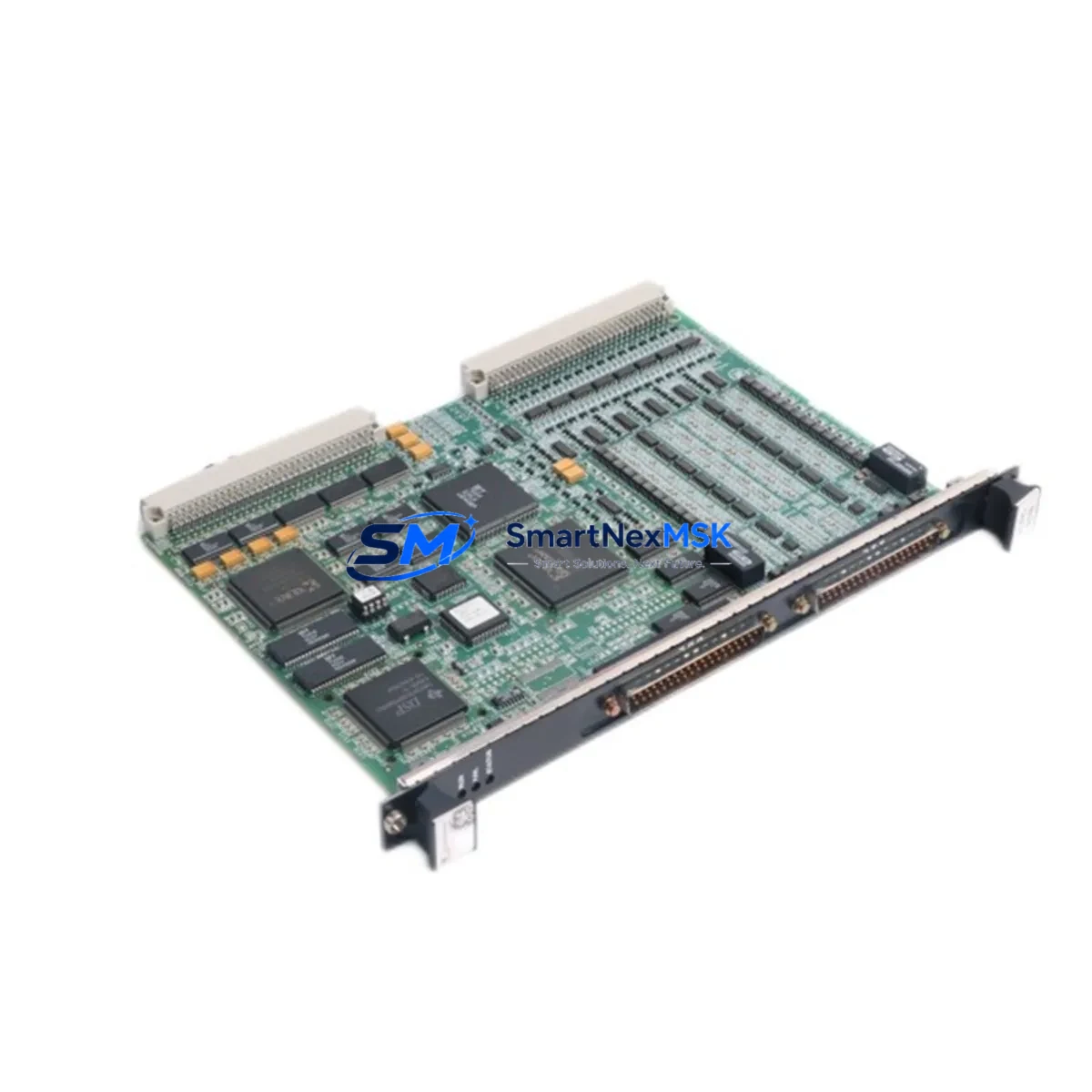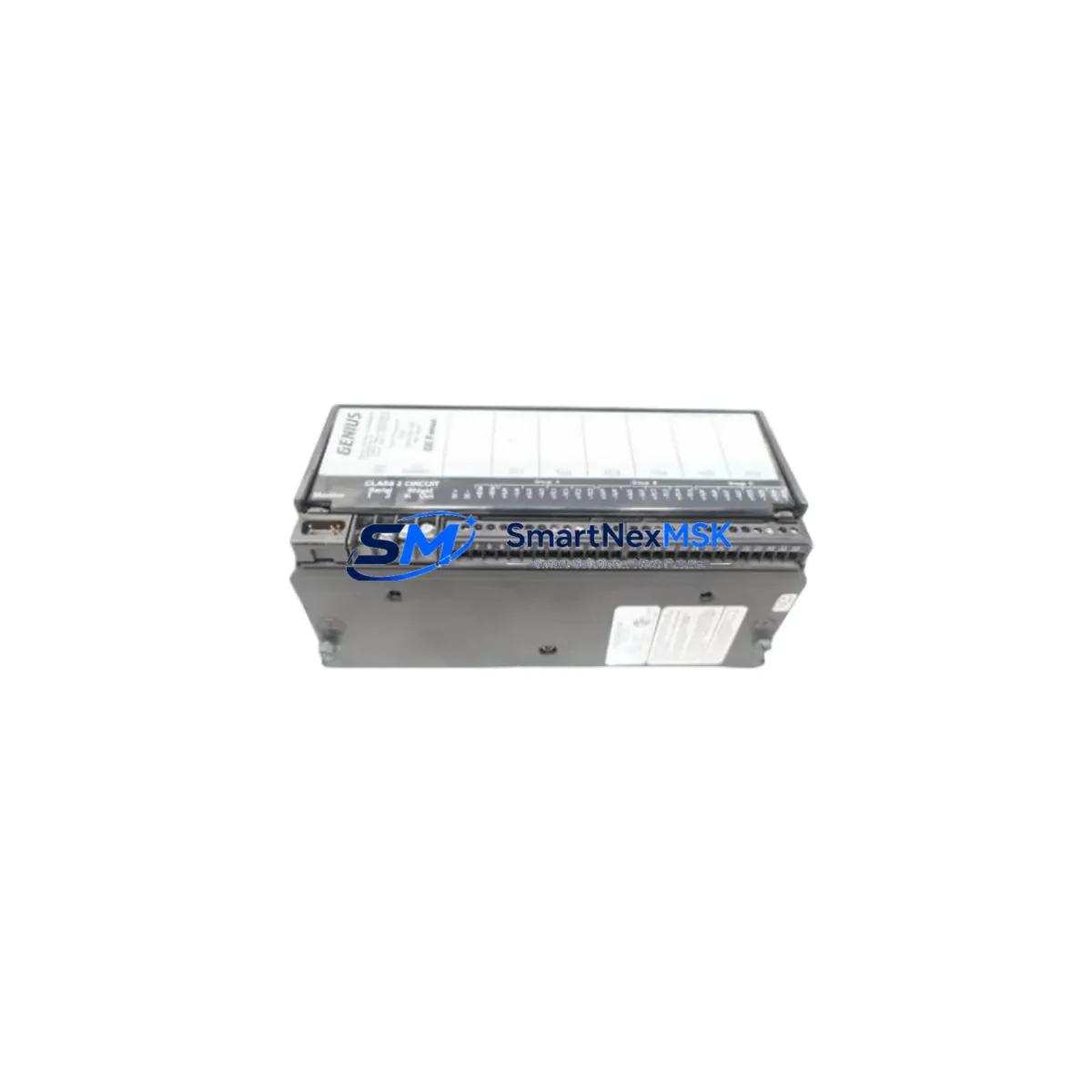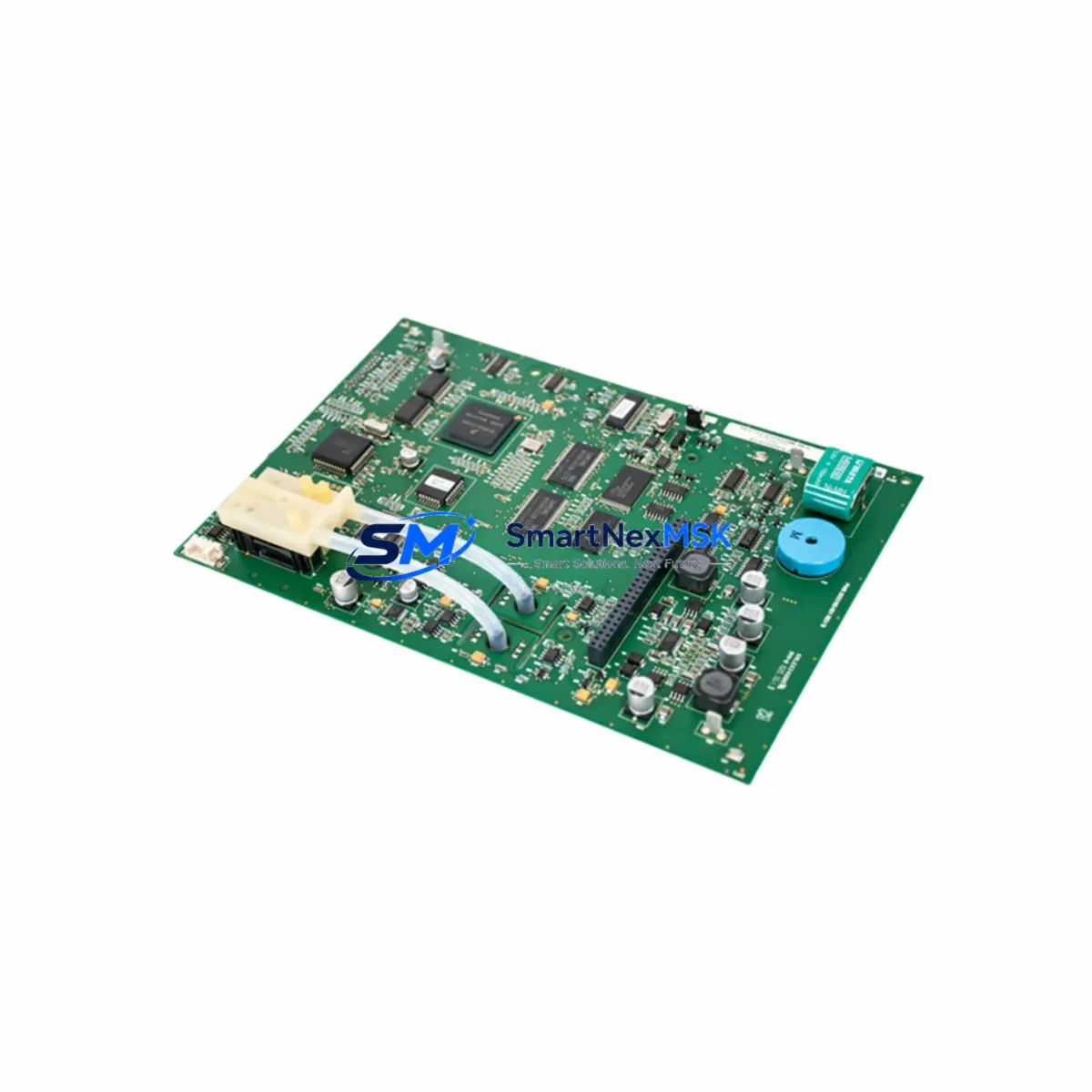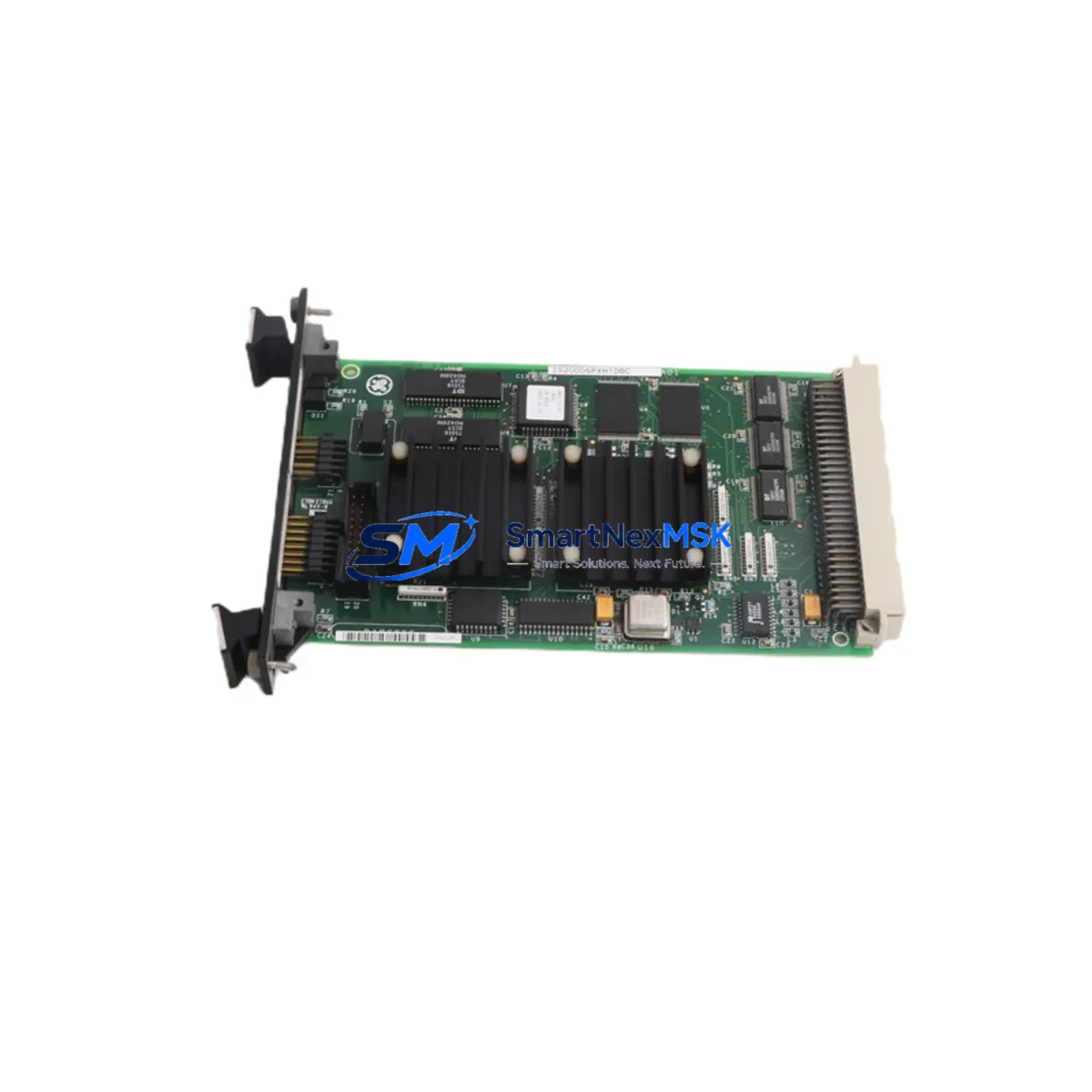
GE IS200DSPXH1D Retrofit-Ready DSP Board for Mark VI Control Systems
The GE IS200DSPXH1D is a Digital Signal Processing (DSP) control board engineered for the GE Mark VI Turbine Control System. As legacy Mark VI installations age and OEM support windows close, the IS200DSPXH1D has become one of the most sought-after retrofit components for power generation facilities, petrochemical plants, and industrial process control environments seeking to extend the operational life of their existing control infrastructure without committing to a full platform migration.
This board serves as the computational core of the Mark VI’s I/O and control logic execution layer. It interfaces directly with the VCMI (VME Communication Module Interface) backplane and communicates with companion boards such as the IS200VCRCH1B (VME Crate Controller) and the IS200TREGH1B (Terminal Board for Regulation). When replacing a failed or degraded IS200DSPXH1D, engineers must verify backplane slot addressing, firmware revision compatibility, and the integrity of the IONet communication link that connects the Mark VI controller to distributed I/O racks.
SMARTNEXMSK maintains verified stock of the IS200DSPXH1D, fully tested prior to shipment, with a 12-month warranty covering functional defects under normal operating conditions.
Upgrade Compatibility Table
| Parameter | Details |
|---|---|
| Compatible Platform | GE Mark VI Turbine Control System |
| Board Function | Digital Signal Processing (DSP) Control |
| Backplane Interface | VME-standard backplane (VCMI rack) |
| Communication Protocol | IONet (GE proprietary Ethernet-based I/O network) |
| Replaces / Supersedes | IS200DSPXH1A, IS200DSPXH1C (earlier revisions) |
| Installation Requirement | Slot address must match original configuration; firmware version verification required |
| Power Supply Compatibility | Mark VI standard 28VDC rack power; verify IS200PSREH1A or equivalent PSU capacity |
| HMI Compatibility | Compatible with GE Cimplicity HMI and ToolboxST configuration environment |
| Commissioning Tool | GE ToolboxST (Mark VI configuration and diagnostics) |
| Pre-shipment Testing | Full functional test performed on every unit |
| Warranty | 12 months from date of shipment |
| Lead Time | In stock — typically ships within 1–3 business days |
Retrofit Planning for Existing Automation Systems
A successful IS200DSPXH1D retrofit begins well before the board arrives on site. The first step is a thorough audit of the existing Mark VI rack configuration. Engineers should document the current slot assignments within the VCMI VME crate, noting the position of the DSP board relative to adjacent modules such as the IS200VCRCH1B controller board and any installed IS200AEAAH1B analog I/O expansion boards. Slot addressing in the Mark VI is not automatically detected — the replacement board must be installed in the identical physical slot as the original to preserve the system’s I/O mapping and avoid faulted module alarms.
Power budget verification is a critical pre-installation step that is frequently overlooked. The Mark VI rack draws regulated 28VDC from the IS200PSREH1A power supply module. Before installing the IS200DSPXH1D, confirm that the existing PSU has sufficient headroom to support the DSP board’s current draw alongside other installed modules, particularly if the rack also houses communication boards such as the IS200ENET1C Ethernet interface card or additional IS200TRLYH1B relay output terminal boards.
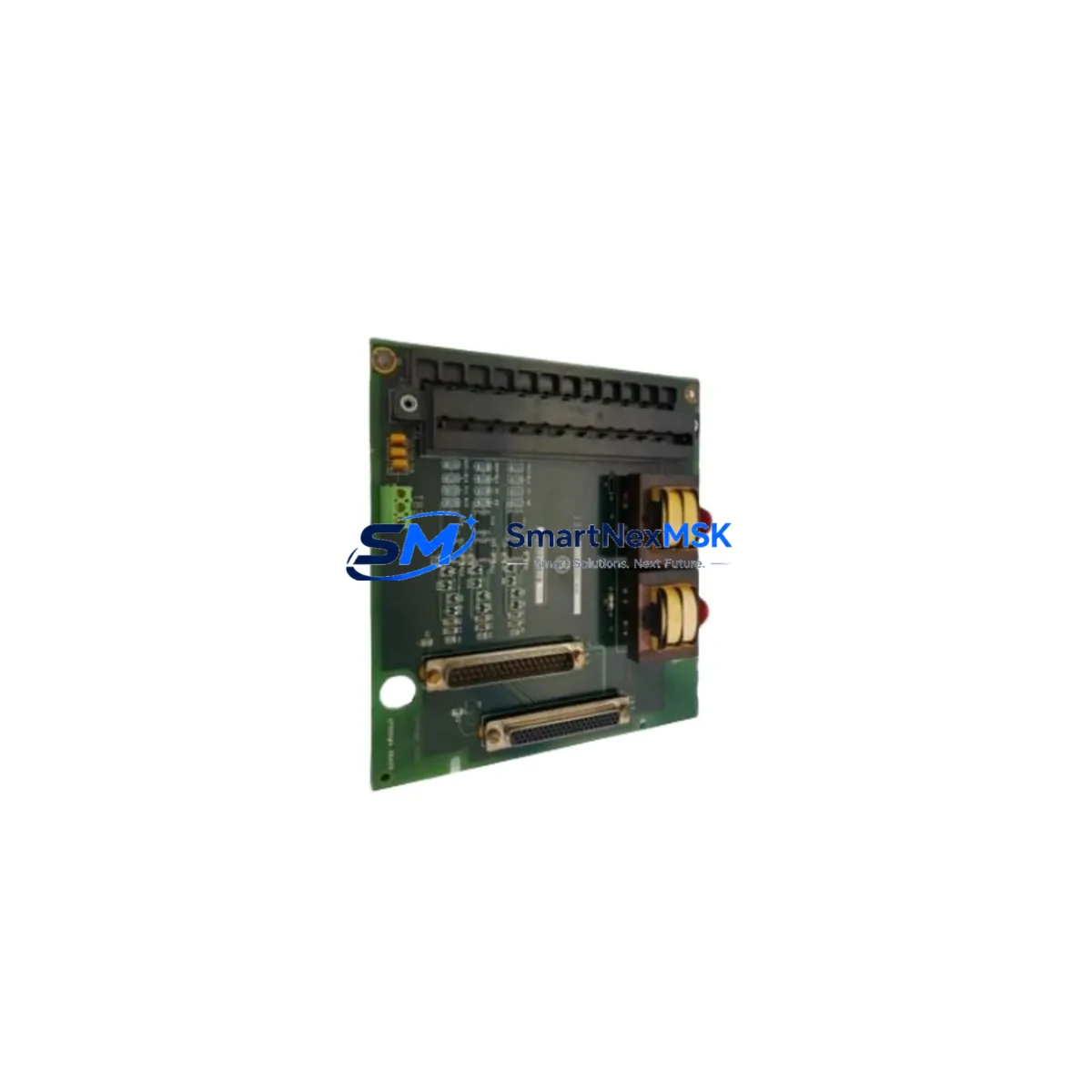
Terminal board wiring is another area requiring careful attention. The IS200DSPXH1D connects to the field wiring layer through dedicated terminal boards mounted in the I/O cabinet. Verify that the mating terminal board — typically an IS200TREGH1B or IS200TBAIH1B depending on the application — is undamaged and that all field wiring terminations are secure and correctly labeled before powering up the replacement board. Loose or mislabeled terminations are a leading cause of post-replacement commissioning delays.
For sites running older Mark VI firmware, a firmware compatibility check is mandatory. The IS200DSPXH1D revision H1D introduced changes to the IONet communication stack. If the existing ToolboxST project file was created under an earlier firmware baseline, a controlled firmware upgrade of the project may be required before the replacement board will synchronize correctly with the rest of the Mark VI controller network. This process should be performed in a test environment or during a planned maintenance window to avoid unplanned process interruptions.
Sites migrating from a Mark V to Mark VI architecture as part of a broader control system modernization project will find the IS200DSPXH1D particularly relevant. The Mark VI’s modular VME architecture allows incremental migration of I/O subsystems, enabling engineers to retire Mark V TCPS and SDCC boards progressively while maintaining process continuity on the remaining Mark V racks during the transition period. The IS200DSPXH1D, combined with updated IS200VCRCH1B controller boards and refreshed IS200ENET1C network interface cards, forms the backbone of a modernized Mark VI control node capable of supporting current cybersecurity and network segmentation requirements.
Downtime Control During System Migration
Minimizing unplanned downtime during a DSP board replacement requires a structured hot-swap protocol and a pre-validated spare. Before removing the failed IS200DSPXH1D, use ToolboxST to export and archive the current controller configuration, including all I/O assignments, alarm setpoints, PID tuning parameters, and IONet node addresses. This backup ensures that if the replacement board requires a fresh configuration download, the process can be completed quickly from a known-good baseline without relying on memory or outdated paper records.
Where the Mark VI architecture permits, consider placing the system in a controlled manual override state for the affected control loops before initiating the board swap. This preserves field control continuity — operators can maintain process variables within acceptable ranges manually while the DSP board is exchanged and the replacement unit completes its boot and synchronization sequence. The Mark VI’s redundant controller architecture (where installed) allows the standby controller to assume control automatically during the swap, reducing the manual intervention window to the time required for the replacement board to come online and pass its self-diagnostics.
After installation, allow the IS200DSPXH1D to complete its full initialization cycle before re-enabling automatic control. Verify IONet link status in ToolboxST, confirm that all I/O modules are reporting correctly, and check that HMI faceplates in GE Cimplicity are displaying live process values before releasing the loops back to automatic. A structured post-replacement checklist — covering power-up sequence, diagnostic alarm review, I/O point verification, and communication link confirmation — is the most effective tool for compressing the commissioning window and returning the unit to service quickly.
Retrofit Support FAQ
Q: Is the IS200DSPXH1D a direct drop-in replacement for earlier DSP board revisions such as the IS200DSPXH1A or IS200DSPXH1C?
A: In most cases, yes. The H1D revision is backward-compatible with earlier H1A and H1C revisions at the hardware level, sharing the same VME form factor and backplane connector pinout. However, firmware compatibility should be verified in ToolboxST before installation, as the H1D revision introduced IONet stack updates that may require a project firmware baseline update on older Mark VI systems.
Q: What wiring changes are required when installing the IS200DSPXH1D as a replacement?
A: No field wiring changes are required at the terminal board level, provided the replacement board is installed in the same rack slot as the original. All field connections are made at the terminal boards (e.g., IS200TREGH1B, IS200TBAIH1B) which remain in place during the board swap. Only the VME backplane connection changes when the DSP board is physically replaced.
Q: How do I verify that the replacement IS200DSPXH1D has been correctly commissioned after installation?
A: Use GE ToolboxST to confirm that the board appears online in the Mark VI controller network, that all assigned I/O points are scanning without fault, and that the IONet communication link is active and error-free. Check the Cimplicity HMI for any new alarm conditions that appeared after the board swap, and verify that all control loops are tracking their setpoints correctly before returning the system to automatic operation.
Q: What does the 12-month warranty cover, and what is the process for a warranty claim?
A: The 12-month warranty covers functional defects in the IS200DSPXH1D under normal operating conditions from the date of shipment. Every unit is fully tested prior to dispatch. To initiate a warranty claim, contact SMARTNEXMSK at [email protected] or +86 18259474341 with your order reference and a description of the fault. Our technical team will assess the claim and arrange a replacement or repair as appropriate.
© 2026 SMARTNEXMSK. All rights reserved.
Original Source: https://smartnexmsk.com
Contact: [email protected] | +86 18259474341