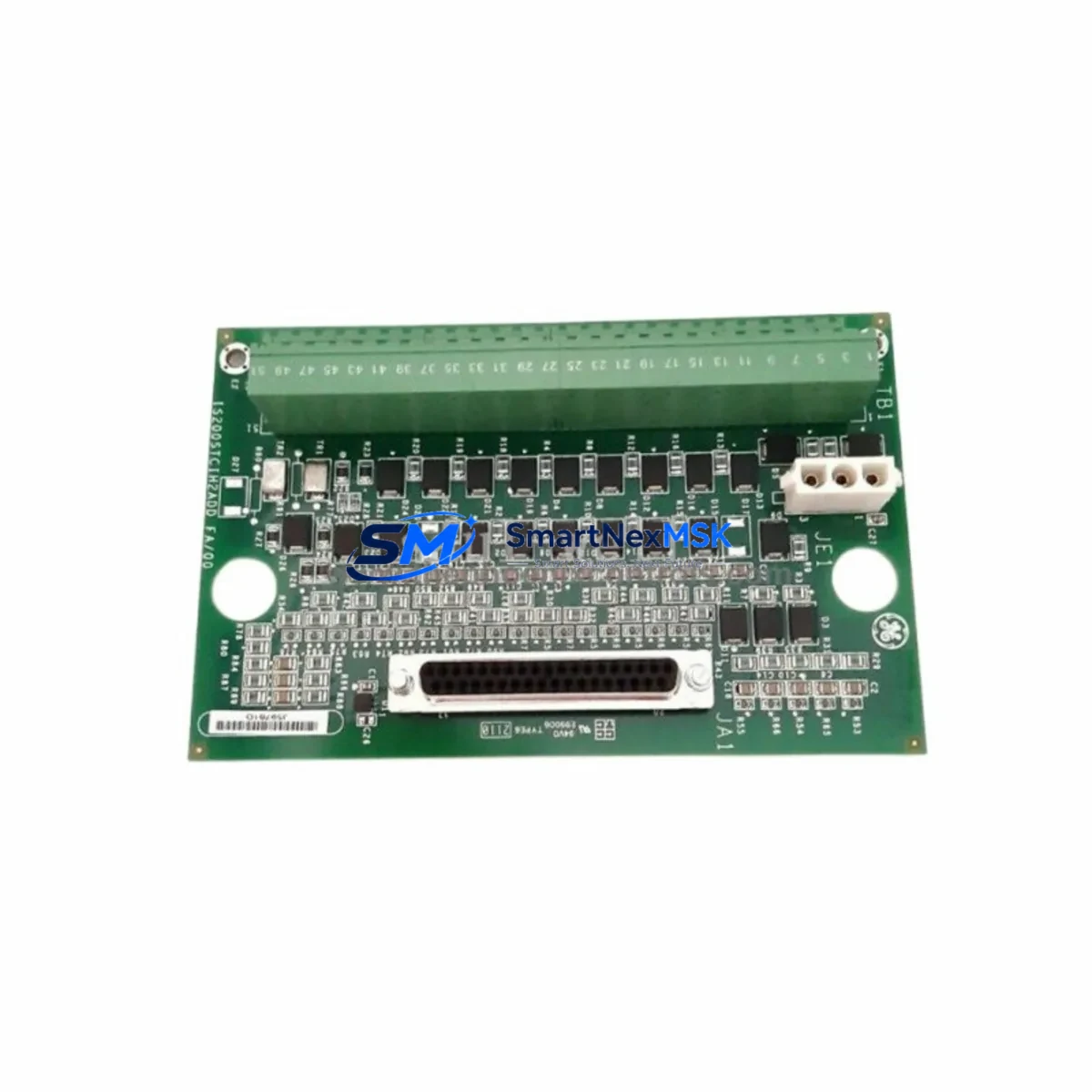
GE IS200STAOH2AAA Maintenance-Ready Spare for Mark VI Automation
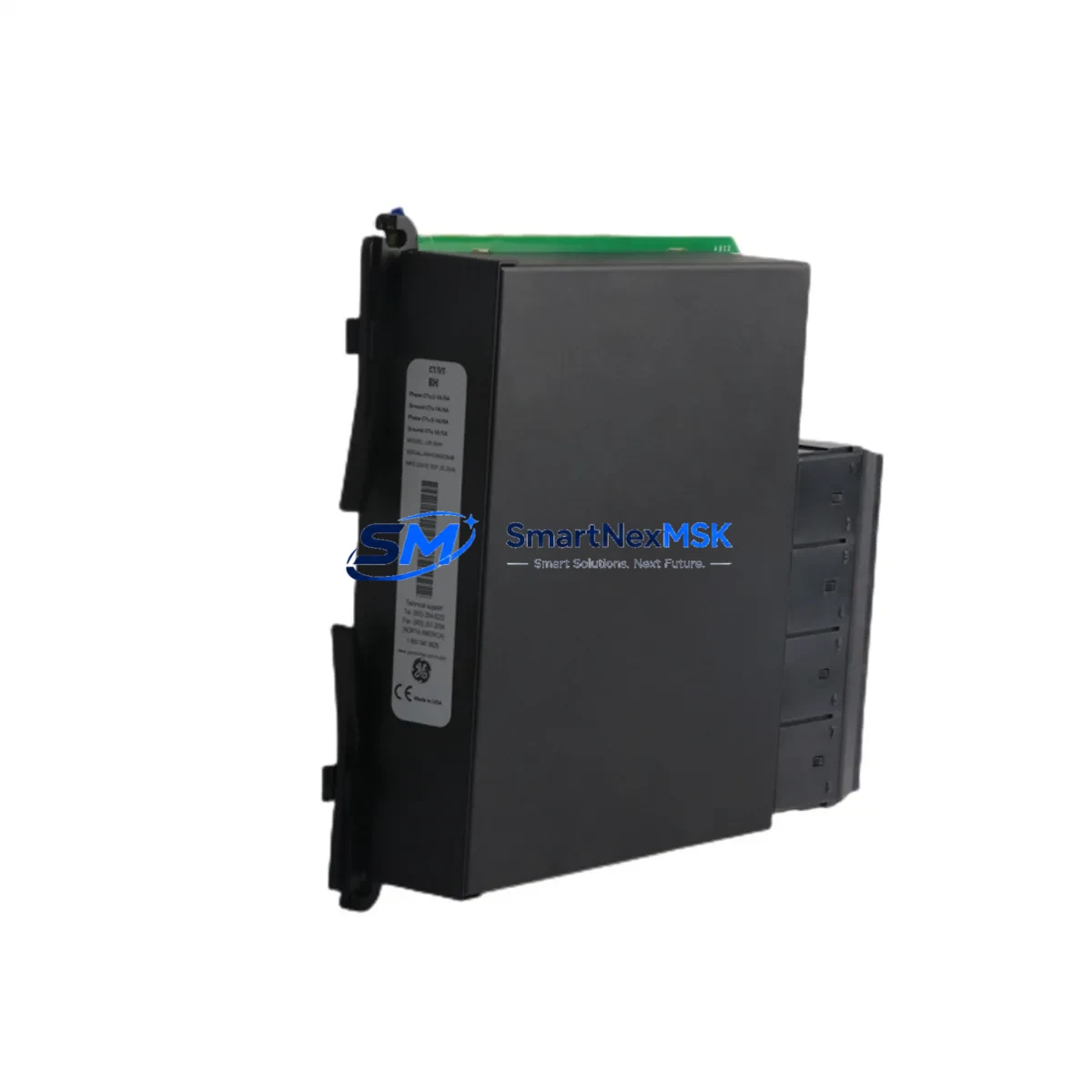
The GE IS200STAOH2AAA is an original analog output module designed for the GE Mark VI Turbine Control System — one of the most widely deployed DCS/turbine control platforms in power generation, oil & gas, and heavy industrial facilities worldwide. As aging Mark VI systems continue to operate beyond their original design life, maintaining a verified spare of the IS200STAOH2AAA is a critical element of any proactive maintenance strategy. Unplanned failure of an analog output module can halt turbine operation, trigger emergency shutdowns, and result in costly production losses measured in hours or days.
This unit is sourced as an original GE spare part, fully tested prior to shipment, and backed by a 12-month warranty. It is ready for immediate deployment in planned maintenance windows or emergency replacement scenarios. Whether you are a maintenance engineer managing a scheduled outage or a procurement engineer building a resilient spare parts inventory, the IS200STAOH2AAA represents a direct, drop-in replacement that eliminates compatibility risk and reduces commissioning time on site.
Spare Maintenance Table
| Parameter | Specification / Detail |
|---|---|
| Part Number | IS200STAOH2AAA |
| Manufacturer | General Electric (GE) |
| Series | Mark VI Turbine Control System |
| Module Type | Analog Output Module |
| Output Channels | Multiple analog output channels (4–20 mA / 0–10 V typical) |
| Backplane Compatibility | GE Mark VI VME-based backplane |
| Communication Interface | Internal Mark VI I/O bus |
| Operating Voltage | +5 VDC / ±15 VDC (supplied via backplane) |
| Operating Temperature | 0°C to 60°C (industrial panel environment) |
| Mounting | Direct backplane insertion, Mark VI I/O rack |
| Application Environment | Power generation, turbine control, oil & gas, petrochemical |
| Condition | Original, tested before shipment |
| Warranty | 12 Months |
| Lead Time | In stock — ships within 1–3 business days |
| Compatibility Verification | Confirm Mark VI rack slot assignment and I/O configuration before installation |
Maintenance Planning for Continuous Operation
When a maintenance or reliability engineer identifies a fault or degraded signal on the IS200STAOH2AAA, the replacement workflow rarely ends with the module itself. A thorough inspection of the surrounding control cabinet is essential to prevent repeat failures and ensure the restored system operates reliably through the next planned maintenance interval.
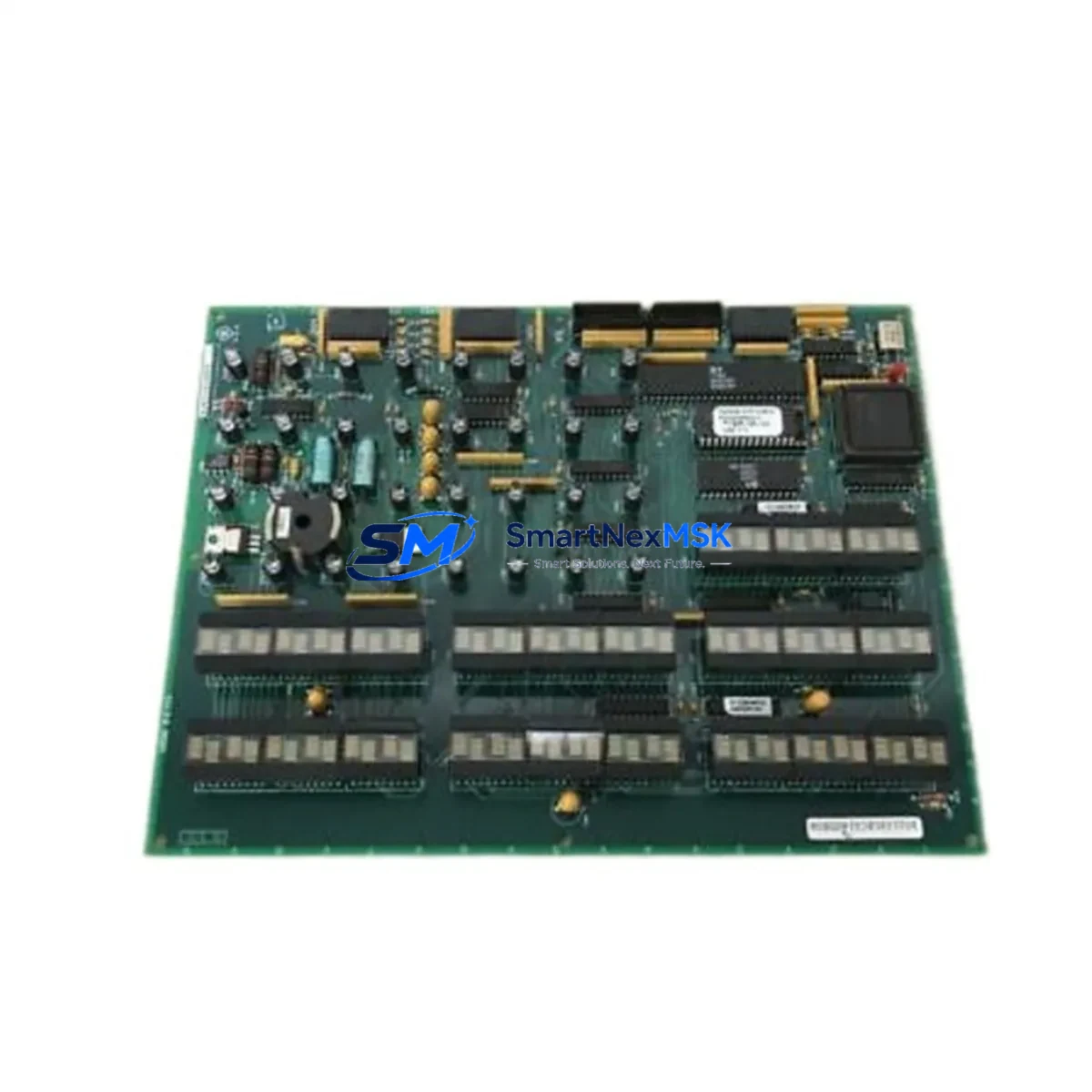
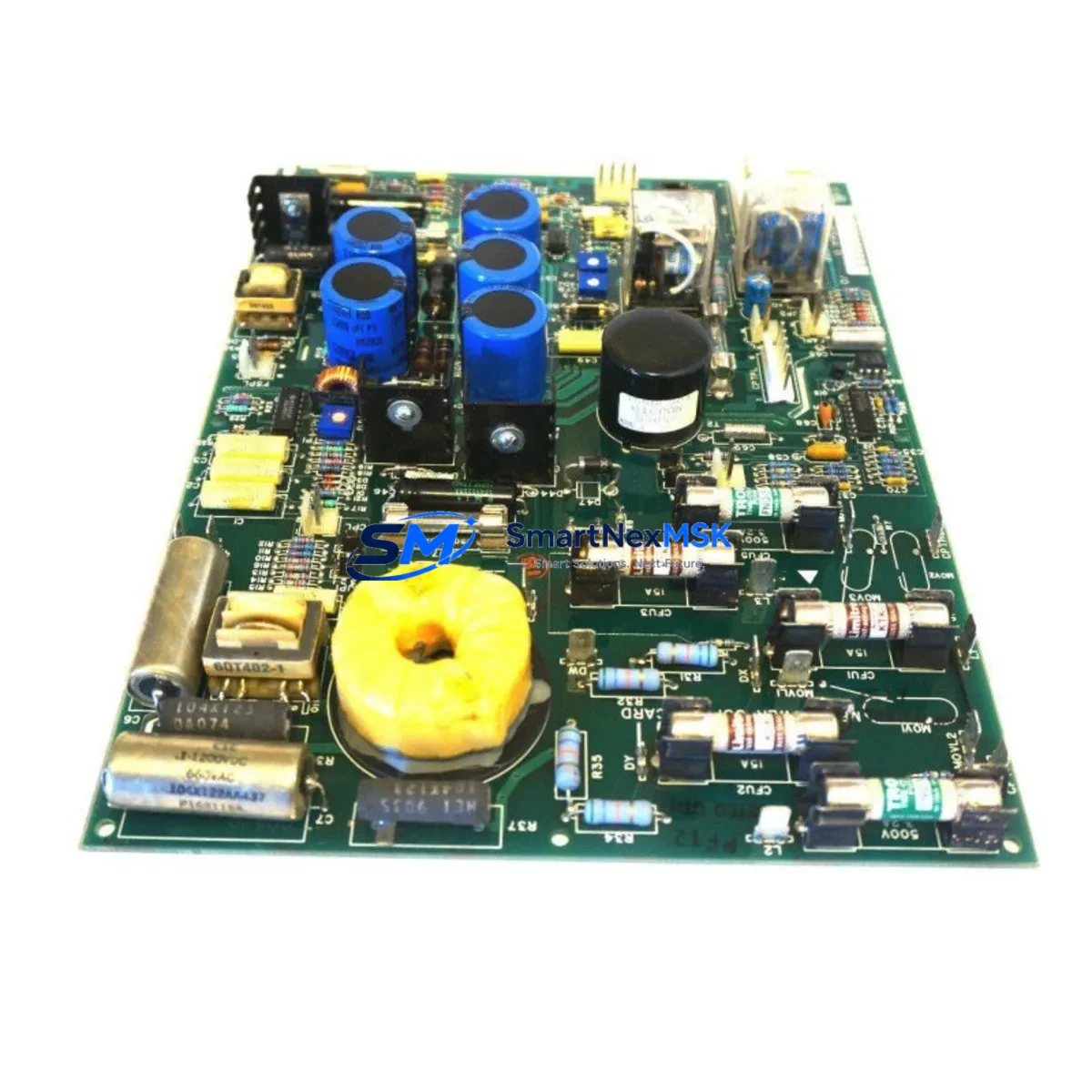
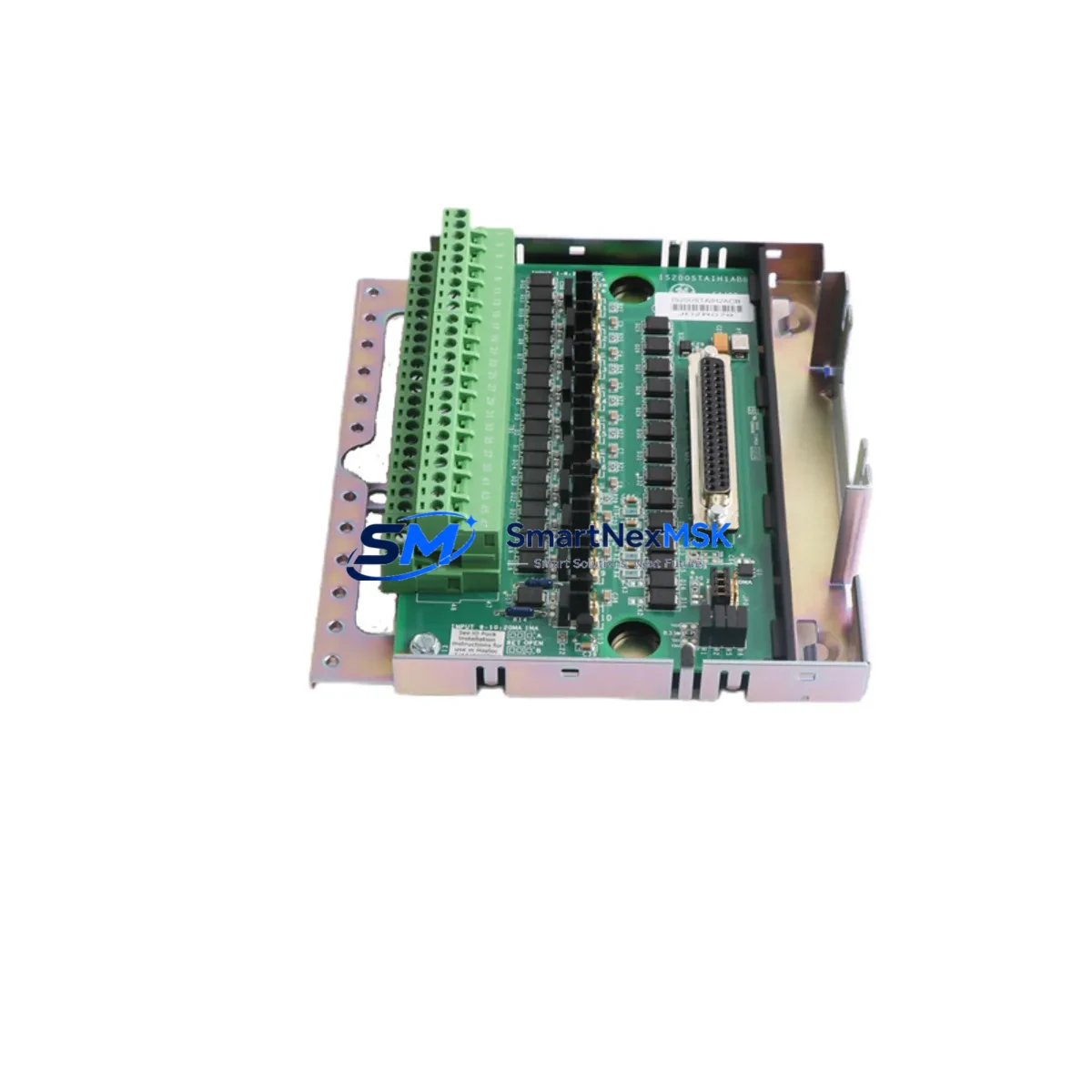
Begin by verifying the Mark VI power supply modules (such as the IS200EPBAG1A or equivalent PPDA/PPDB power boards) that feed the I/O rack. A marginal power supply can cause intermittent analog output errors that mimic module failure. Next, inspect the terminal board connected to the IS200STAOH2AAA — the TBAI or TBAO series terminal boards are common field-wiring interfaces in Mark VI cabinets and should be checked for corrosion, loose terminations, and insulation degradation.
Review the I/O processor module (such as the IS200IOCAG1A) that manages communication between the analog output module and the Mark VI controller. A corrupted I/O processor can cause the analog output module to appear faulty when the root cause lies upstream. Similarly, inspect the Mark VI VCMI or VCRC communication interface cards to confirm that the control network is delivering setpoints correctly to the output module.
For sites running redundant Mark VI configurations (TMR — Triple Modular Redundancy), also verify the IS200STAOH2AAA modules in the redundant R and S controllers, not just the faulted channel. Redundancy voting logic can mask a degraded module until a second failure occurs. Check the IS200STCIH2A or IS200STCIG1A I/O terminal boards for signal integrity on the field wiring side.
If the analog output feeds a servo valve, electro-hydraulic actuator, or positioner, inspect the field device and its associated signal isolator or loop-powered transmitter for loop resistance issues that can overload the output channel. Fuse holders and DIN-rail mounted fuse blocks within the cabinet should also be inspected and replaced if discolored or showing signs of thermal stress.
Finally, review the HMI workstation (GE Cimplicity or ToolboxST) alarm logs for historical fault codes associated with the IS200STAOH2AAA slot. This data helps distinguish between a hard module failure and a recurring soft fault caused by configuration drift or firmware mismatch — both of which require different corrective actions.
Site Replacement Workflow
Step 1 — Pre-Replacement Verification: Before removing the IS200STAOH2AAA, use ToolboxST or the Mark VI diagnostic interface to confirm the exact slot address, I/O configuration file version, and output channel assignments. Document the current analog output values and compare against the process historian to establish a baseline.
Step 2 — Safe Isolation: Follow your site’s LOTO (Lockout/Tagout) procedure. Place the Mark VI controller in manual or hold mode if process conditions allow. For TMR systems, isolate the faulted voter leg before module extraction to avoid spurious trips.
Step 3 — Module Extraction and Inspection: Remove the IS200STAOH2AAA from the backplane. Inspect the backplane connector pins for damage or contamination. Clean with appropriate electronics-grade contact cleaner if required.
Step 4 — Replacement Installation: Insert the new IS200STAOH2AAA into the correct backplane slot. The module is keyed for the Mark VI VME rack — confirm physical seating before powering up. No firmware flashing is required for direct hardware replacement; the I/O processor will re-initialize the module automatically on power-up.
Step 5 — Functional Verification: Restore power and monitor the ToolboxST I/O diagnostics screen. Confirm all analog output channels return to expected values. Perform a loop check against the field device to verify signal integrity end-to-end. Log the replacement in your CMMS with the new module serial number and warranty expiry date.
This workflow minimizes downtime, eliminates re-commissioning risk, and ensures the replaced IS200STAOH2AAA is fully validated before returning the turbine or process unit to service.
Spare Parts Support FAQ
Q1: Is the IS200STAOH2AAA a direct drop-in replacement for all Mark VI analog output slots?
The IS200STAOH2AAA is designed for specific slot assignments within the Mark VI I/O rack. Before ordering, confirm the slot address and I/O configuration in ToolboxST to ensure the module variant matches your system’s hardware configuration. Contact our technical team with your rack layout if you need pre-purchase compatibility verification.
Q2: How is the module tested before shipment?
Each IS200STAOH2AAA unit undergoes functional testing prior to dispatch, including power-up verification, channel output checks, and backplane interface validation. A test report is available upon request. The module ships with a 12-month warranty covering manufacturing defects and functional failures under normal operating conditions.
Q3: What is the recommended spare parts inventory strategy for Mark VI analog output modules?
For facilities operating Mark VI systems in critical service, we recommend maintaining a minimum of one IS200STAOH2AAA per controller (R, S, T in TMR configurations) as a cold standby spare. For high-utilization sites or systems approaching end-of-support, a buffer of two to three units per site is advisable to cover both planned maintenance and emergency replacement scenarios without waiting on lead times.
Q4: Can you supply IS200STAOH2AAA for long-term or blanket purchase orders?
Yes. We support long-term supply agreements for the IS200STAOH2AAA and related Mark VI spare parts. Blanket orders with scheduled releases are available for procurement teams managing multi-site maintenance programs. Contact us to discuss pricing, lead time commitments, and consignment stocking options tailored to your maintenance calendar.
© 2026 SMARTNEXMSK. All rights reserved.
Original Source: https://smartnexmsk.com
Contact: [email protected] | +86 18259474341