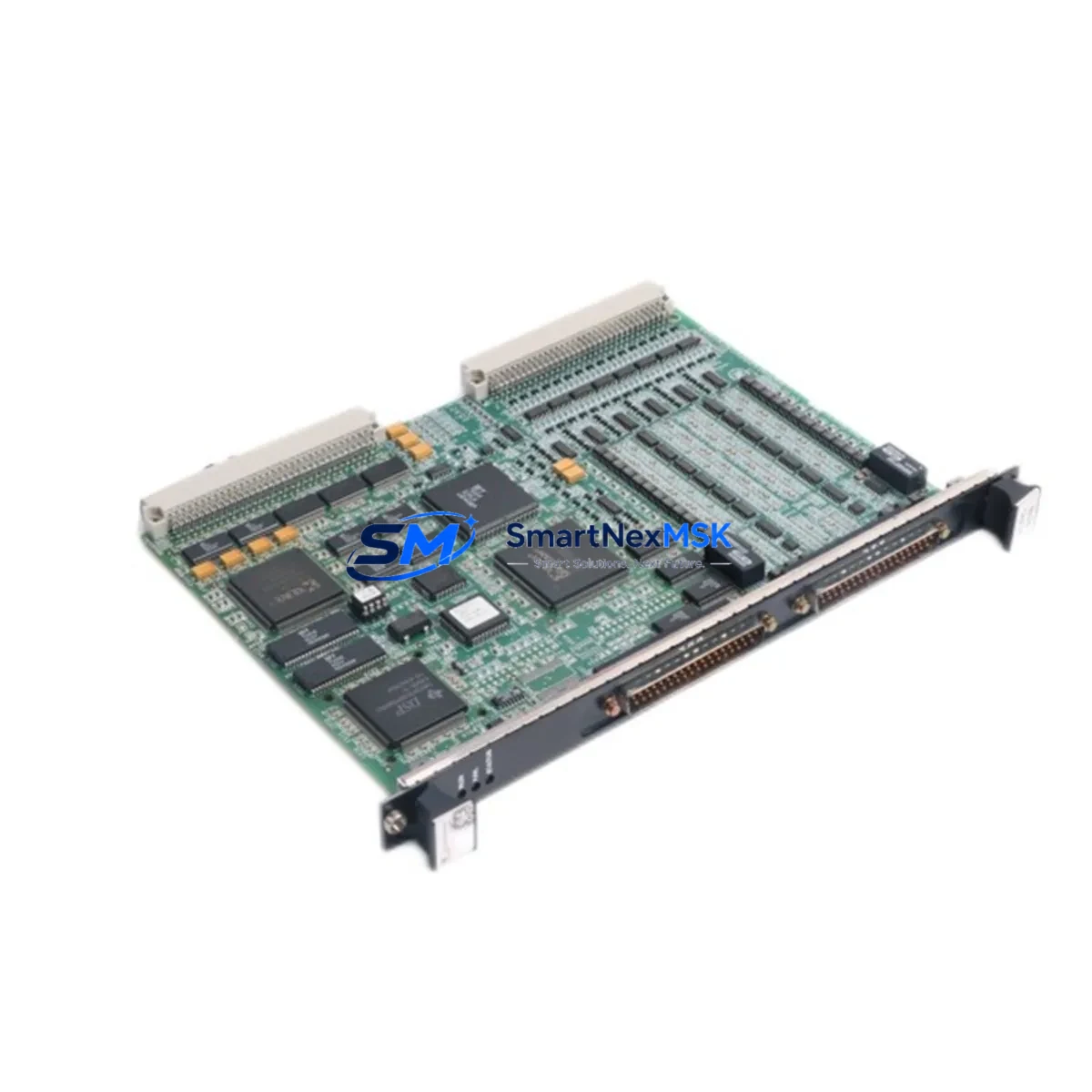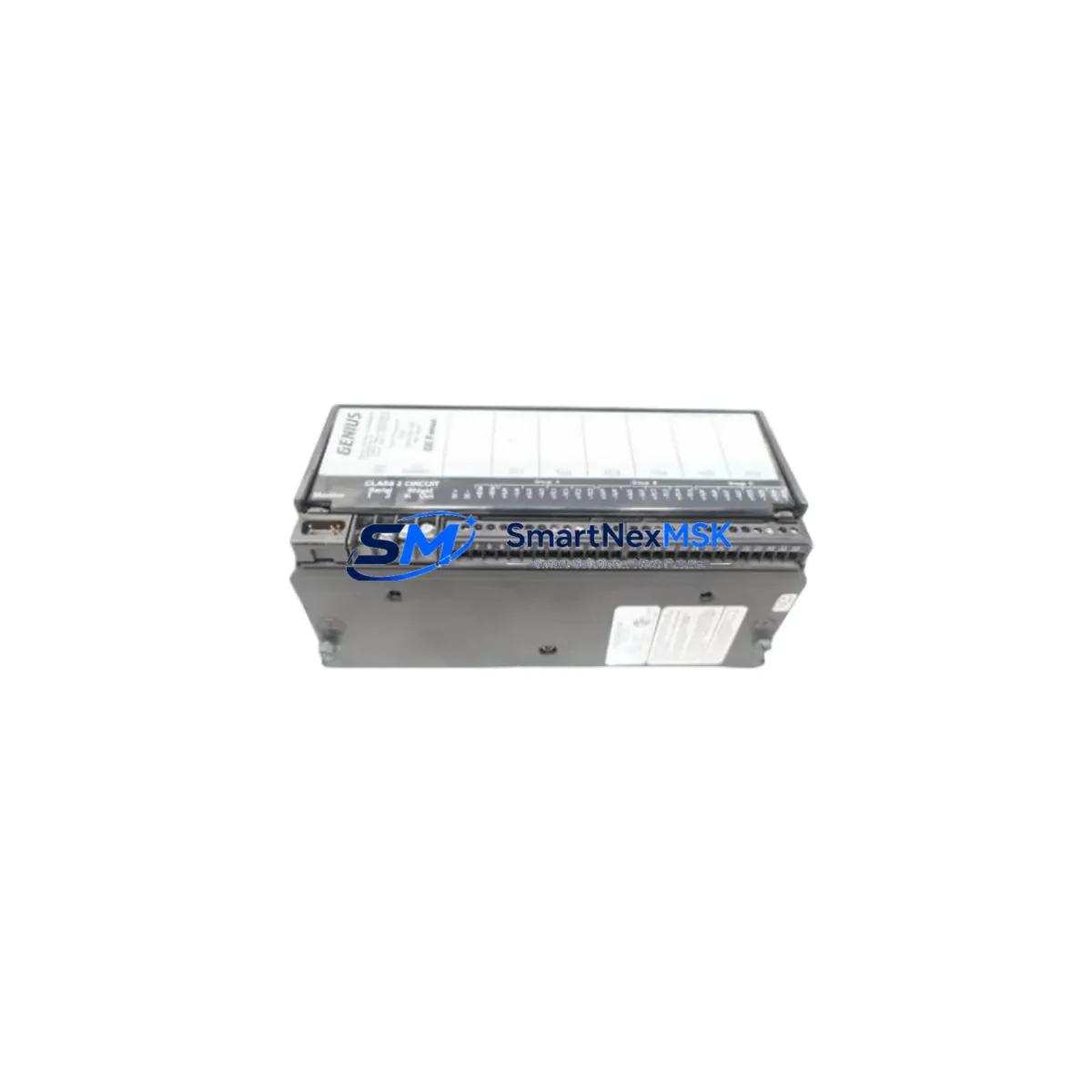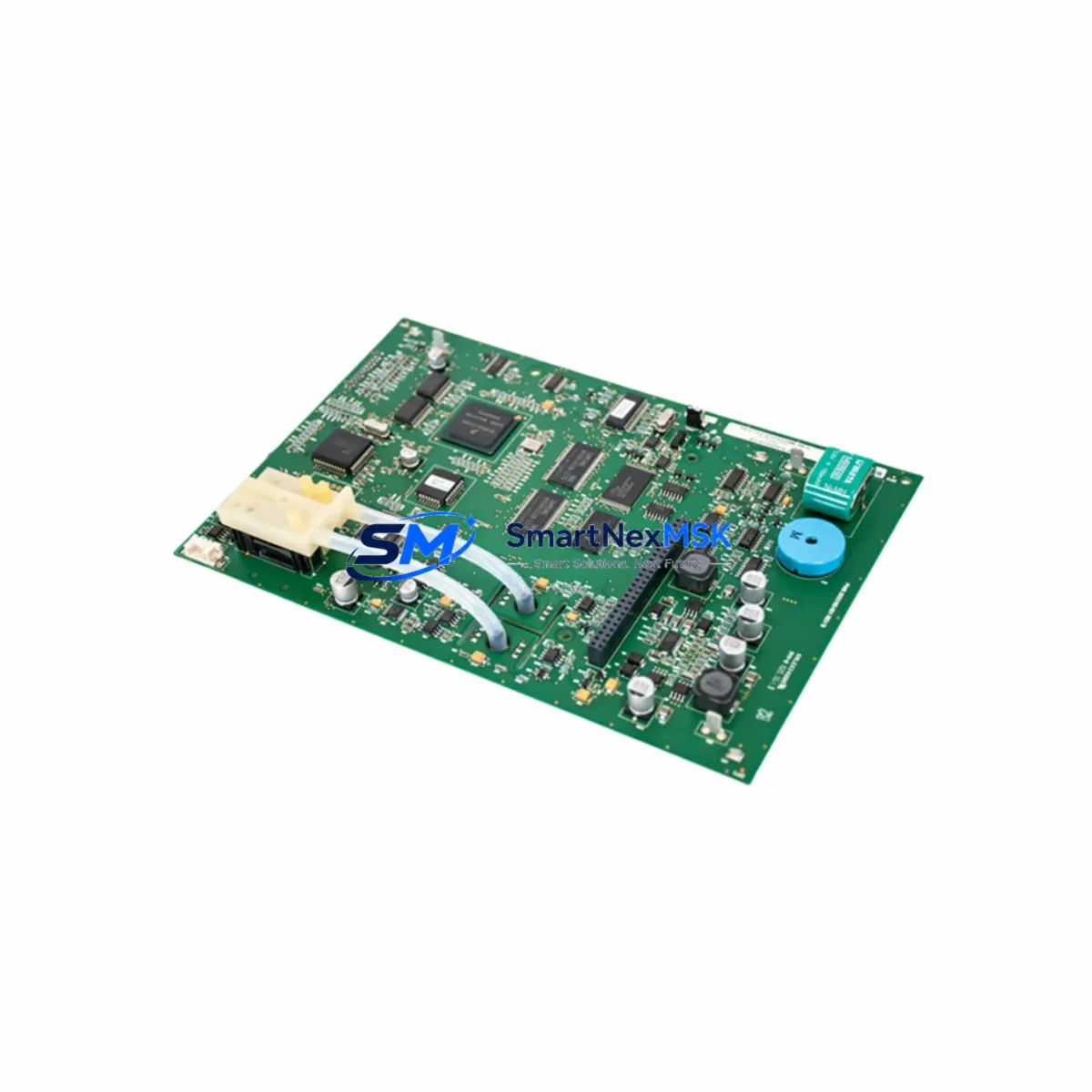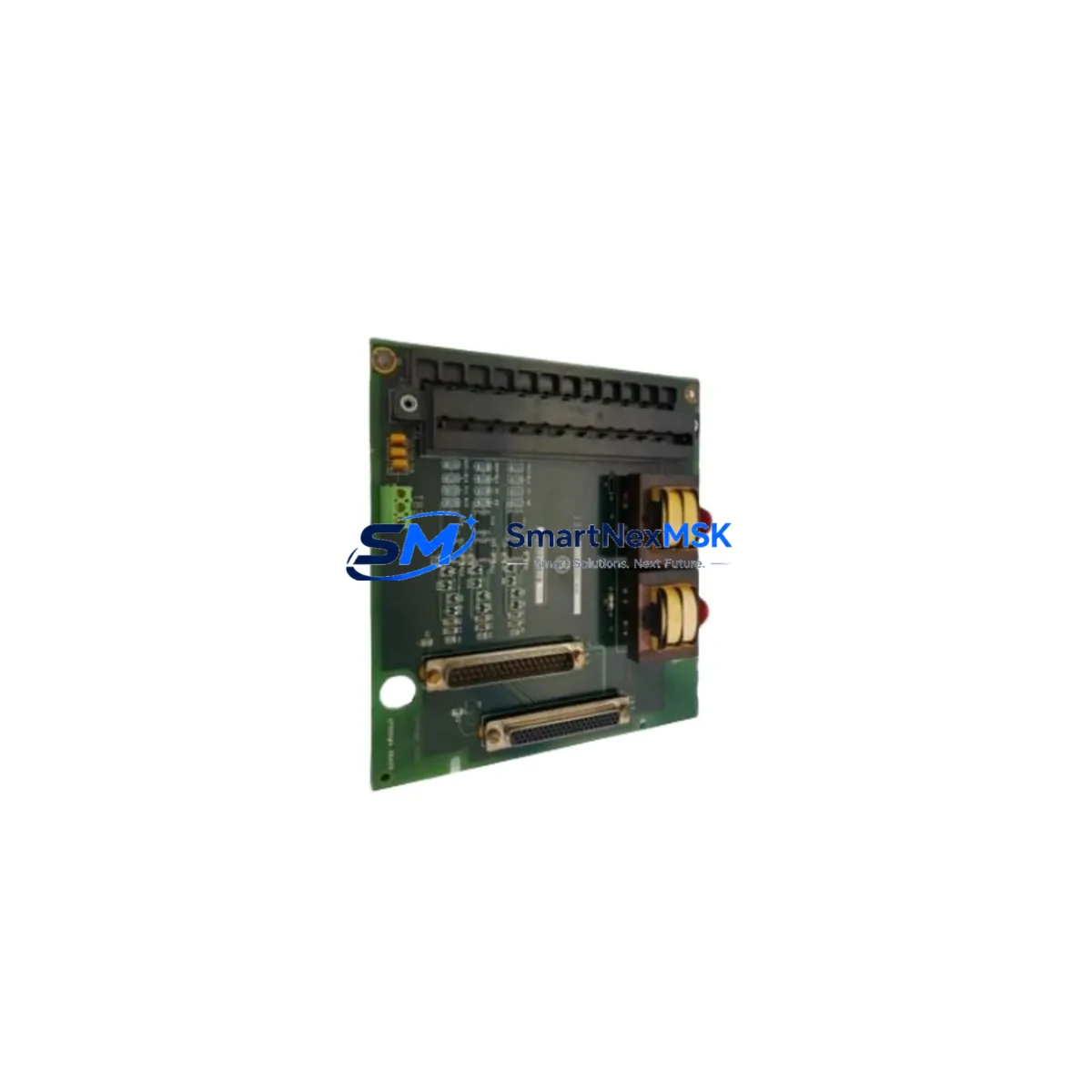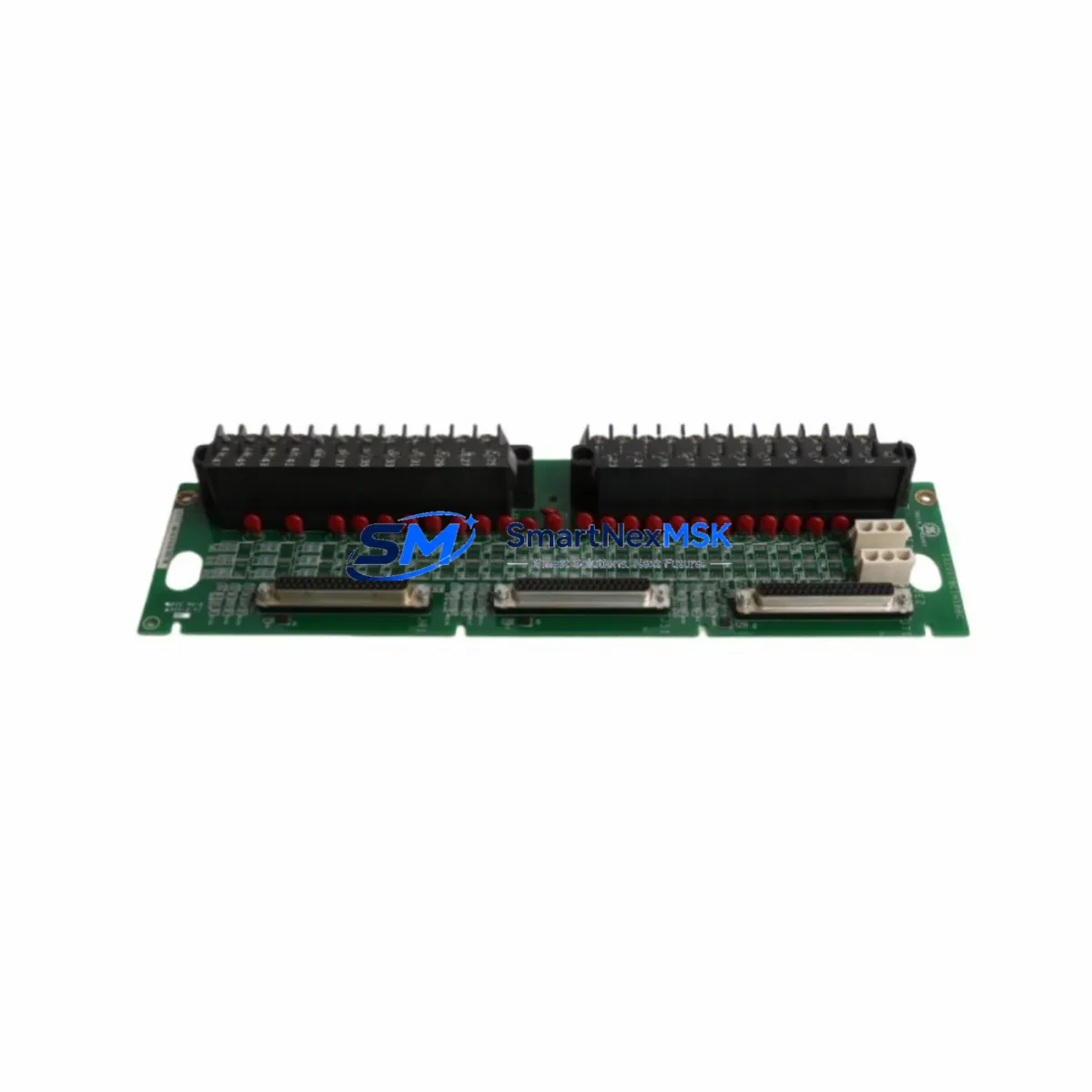
GE IS200TBCIS2CCD Retrofit-Ready Turbine Control Processor for Mark VI Control Systems
The GE IS200TBCIS2CCD is a high-reliability turbine control processor module engineered for seamless integration into GE Mark VI distributed control systems. As legacy Mark VI installations age and OEM support for discontinued boards becomes increasingly limited, the IS200TBCIS2CCD has emerged as a critical retrofit and replacement component for power generation facilities, oil & gas plants, and industrial turbine operators worldwide. Whether you are replacing a failed unit, upgrading an aging control cabinet, or migrating from an earlier Mark V platform, this module delivers the compatibility, stability, and performance your operation demands.
SMARTNEXMSK maintains verified stock of the IS200TBCIS2CCD, fully tested prior to shipment, backed by a 12-month warranty, and available for fast global dispatch. Every unit undergoes functional verification against GE Mark VI rack and backplane standards before leaving our facility.
Upgrade Compatibility Table
| Parameter | IS200TBCIS2CCD Specification |
|---|---|
| Compatible Platform | GE Mark VI Turbine Control System |
| Backplane Interface | Mark VI VME-based rack backplane |
| Communication Protocol | IONet (GE proprietary Ethernet-based I/O network) |
| Installation Requirement | Standard Mark VI rack slot; no mechanical modification required |
| Power Supply Compatibility | Mark VI distributed 28 VDC / 5 VDC rack power rails |
| Replacement Suitability | Direct drop-in for IS200TBCIS2CCD; cross-reference IS200TBCIS2A, IS200TBCIS2B |
| Terminal Wiring | Compatible with existing Mark VI terminal board wiring harness |
| Firmware / Program Compatibility | Compatible with existing ToolboxST application logic without recompilation in most cases |
| Commissioning Focus | Module address assignment, IONet node verification, I/O diagnostic scan |
| Warranty | 12 months from date of shipment |
Retrofit Planning for Existing Automation Systems
Successful retrofit of the IS200TBCIS2CCD into an operating Mark VI system requires careful pre-installation planning across several interdependent subsystems. Engineers should begin by auditing the existing IS200TBCIS2CCD slot assignment within the Mark VI VME rack, confirming that the rack backplane and adjacent modules — such as the IS200VTURH1BBA turbine protection card and the IS200DSPXH1DBB digital signal processor — are in serviceable condition before proceeding.
Power capacity verification is essential. The Mark VI rack relies on redundant IS200EPCTG1A power supply modules to deliver stable 28 VDC and 5 VDC rails. Confirm that the existing power budget accommodates the IS200TBCIS2CCD’s draw without exceeding the rack’s total capacity, particularly in high-density I/O configurations where additional IS200BIOSH1ABB I/O terminal boards may be installed.
Terminal board wiring should be documented and photographed prior to removal of the legacy module. The IS200TBCIS2CCD interfaces with the Mark VI terminal board assembly via a dedicated wiring harness; verify that connector pinouts match the replacement unit’s specification sheet. In systems where the IS200TBCIS2A or IS200TBCIS2B variants were previously installed, wiring compatibility is typically maintained, but terminal torque values and shield grounding should be re-verified per GE installation guidelines.
IONet communication link integrity must be confirmed before and after module swap. The IS200TBCIS2CCD communicates over GE’s proprietary IONet protocol, and the replacement module must be assigned the correct node address within the ToolboxST configuration environment. Verify that the IS200EACFG1A Ethernet adapter and associated network switches are operating correctly, as IONet faults can mask module-level diagnostics during initial power-up.
For facilities also managing HMI integration, confirm that the Cimplicity HMI screen tags referencing the IS200TBCIS2CCD’s I/O points remain valid after module replacement. Tag address mapping should be cross-checked against the ToolboxST I/O configuration to prevent alarm flooding or false process readings during the commissioning phase. Where IS200STCIS2A simplex or TMR configurations are in use, the redundancy management logic should be tested in simulation mode before live cutover.
Programming cable access via the IS200UCVEH2A UCVx controller or equivalent ToolboxST-connected workstation should be arranged in advance to allow rapid re-download of application logic if required during commissioning. Ensure that a current, validated backup of the Mark VI application program is available before any hardware change is initiated.
Downtime Control During System Migration
Minimizing unplanned downtime during IS200TBCIS2CCD replacement is achievable through disciplined pre-outage preparation. The recommended approach is to schedule the module swap during a planned maintenance window, with the turbine in a safe, de-energized state and all relevant safety interlocks confirmed open.
Prior to shutdown, capture a full diagnostic snapshot from ToolboxST, including I/O status, alarm history, and module health indicators. This baseline allows rapid comparison post-replacement to confirm that the new IS200TBCIS2CCD is responding identically to its predecessor. In TMR (Triple Modular Redundant) Mark VI configurations, it is possible to replace a single voter module while the remaining two voters maintain control continuity — consult your site’s specific TMR operating procedure before attempting a live swap.
After physical installation, the module address must be set correctly before power-up. Incorrect node addressing is the most common cause of extended commissioning delays in Mark VI retrofit projects. Once IONet communication is established, run a full I/O diagnostic scan from ToolboxST and verify that all field signals — including thermocouple inputs, speed pickups, and valve position feedbacks — are reading within expected ranges before releasing the unit to automatic control.
Maintain a spare IS200TBCIS2CCD on-site if your facility operates in a high-criticality environment. SMARTNEXMSK can supply additional units from verified stock with short lead times, reducing the risk of extended outages caused by secondary hardware failures during the migration process.
Retrofit Support FAQ
Q1: Is the IS200TBCIS2CCD a direct drop-in replacement for IS200TBCIS2A and IS200TBCIS2B?
In the majority of Mark VI installations, yes. The IS200TBCIS2CCD shares the same form factor, backplane connector, and IONet interface as the IS200TBCIS2A and IS200TBCIS2B variants. Minor firmware revision differences may exist; SMARTNEXMSK recommends confirming the ToolboxST firmware compatibility matrix for your specific Mark VI software version before installation.
Q2: What commissioning steps are required after installing the IS200TBCIS2CCD?
After physical installation, assign the correct IONet node address via ToolboxST, perform a full I/O diagnostic scan, verify all field signal readings, and confirm HMI tag mapping. In TMR systems, validate voter redundancy status before returning the turbine to service. Full commissioning typically requires 2–4 hours for an experienced Mark VI engineer.
Q3: How is the IS200TBCIS2CCD tested before shipment?
Every IS200TBCIS2CCD unit supplied by SMARTNEXMSK undergoes functional verification against GE Mark VI rack and backplane standards. Testing covers power-up diagnostics, IONet communication handshake, and I/O channel continuity checks. A test report is available upon request.
Q4: What warranty coverage applies to the IS200TBCIS2CCD?
All IS200TBCIS2CCD units are covered by a 12-month warranty from the date of shipment. The warranty covers manufacturing defects and functional failures under normal operating conditions. SMARTNEXMSK provides replacement or repair at no additional cost within the warranty period. Contact our technical team for warranty claims and RMA processing.
© 2026 SMARTNEXMSK. All rights reserved.
Original Source: https://smartnexmsk.com
Contact: [email protected] | +86 18259474341