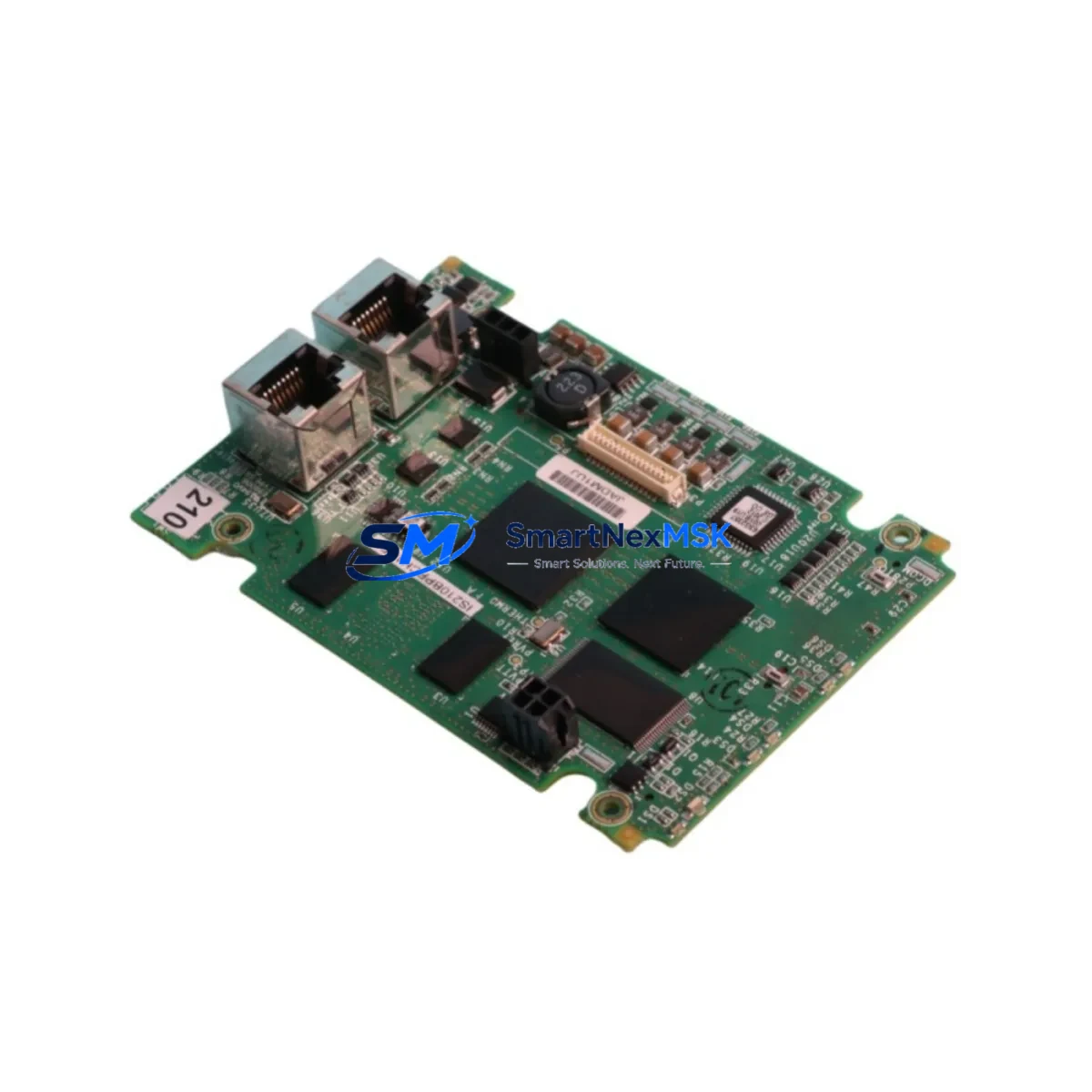
GE IS210WSVOH1A Retrofit-Ready Servo Output for Mark VI Control Systems
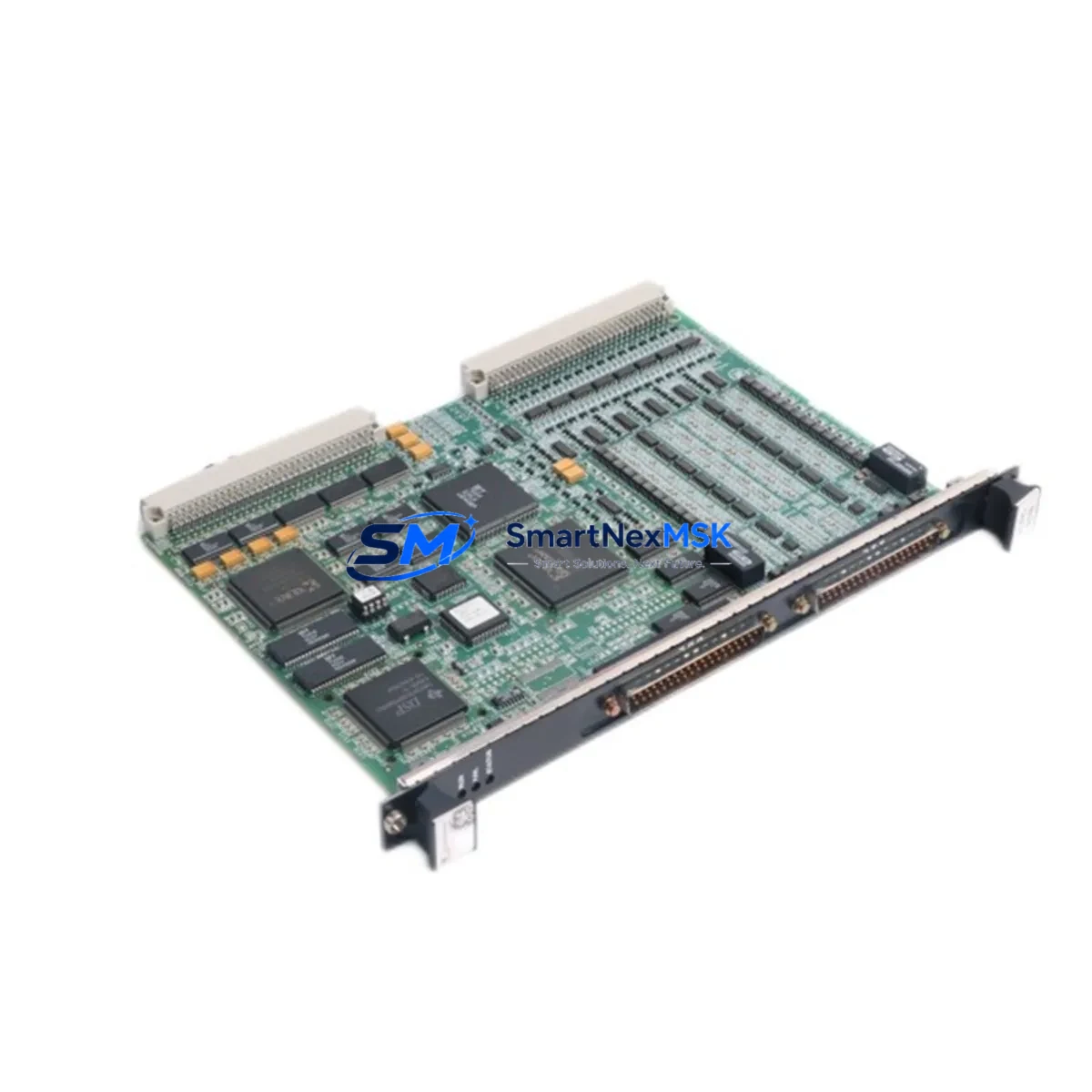
The GE IS210WSVOH1A is a VME-form-factor servo output module engineered for the GE Mark VI turbine control platform. As legacy Mark VI installations approach end-of-support milestones, plant engineers and system integrators increasingly rely on verified replacement units to sustain operational continuity without committing to a full control system overhaul. The IS210WSVOH1A delivers a proven, drop-in compatible solution for facilities managing gas turbine, steam turbine, and combined-cycle generation assets where servo valve control accuracy is mission-critical.
This module interfaces directly with the Mark VI VME backplane, accepting servo command signals from the VCMI (VME Communication Module Interface) and translating them into precision analog outputs that drive electrohydraulic servo valves governing fuel flow, inlet guide vanes, and steam admission. When replacing a failed or degraded IS210WSVOH1A, engineers must verify backplane slot assignment, confirm the servo loop gain parameters stored in the CIMPLICITY HMI configuration, and cross-reference the ToolboxST application software to ensure the replacement module address matches the original I/O configuration. No firmware re-flashing is required when the replacement unit is sourced from verified OEM-equivalent stock.
Facilities operating mixed Mark VI and Mark VIe architectures should note that the IS210WSVOH1A is specific to the classic VME-based Mark VI rack. Mark VIe systems use a different I/O pack architecture and are not directly interchangeable. However, the IS210WSVOH1A remains the correct replacement for any Mark VI cabinet that retains the original VME rack structure, including installations where the IS200VCRCH1B VME carrier card and IS215VCMIH2B communication module are still in service.
Upgrade Compatibility Table
| Parameter | IS210WSVOH1A Specification | Retrofit Notes |
|---|---|---|
| Form Factor | VME 6U | Direct slot replacement in Mark VI VME rack |
| Backplane Interface | VMEbus (P1/P2 connectors) | Verify P2 rear I/O connector seating; inspect for pin corrosion |
| Servo Output Channels | 4-channel analog servo output | Map channel assignments in ToolboxST before power-up |
| Communication Compatibility | Mark VI internal VMEbus protocol | Not compatible with Mark VIe Ethernet I/O pack architecture |
| Power Supply Requirement | +5 VDC, ±12 VDC via backplane | Confirm IS200EPSMH1A or equivalent PSU output before installation |
| Replacement Candidates | IS210WSVOH1A (direct); IS210WSVOH1B (check revision) | Confirm hardware revision with ToolboxST I/O configuration file |
| Installation Requirement | ESD precautions; rack power-down recommended | Hot-swap not supported on standard Mark VI VME racks |
| Commissioning Tool | GE ToolboxST | Re-download I/O configuration after module swap |
| Warranty | 12-Month Warranty — covers manufacturing defects and functional failure under normal operating conditions | |
Retrofit Planning for Existing Automation Systems
A successful IS210WSVOH1A replacement begins well before the module arrives on-site. During the planning phase, the maintenance team should pull the existing rack layout drawing to confirm which VME slot the servo output module occupies, since Mark VI cabinets often house multiple I/O modules including IS210AEBIH3A analog input boards, IS210DTURH1A turbine control I/O modules, and IS210BPPCH1A power supply protection cards in adjacent slots. Disturbing neighboring modules during extraction increases the risk of connector damage and unintended I/O interruptions.
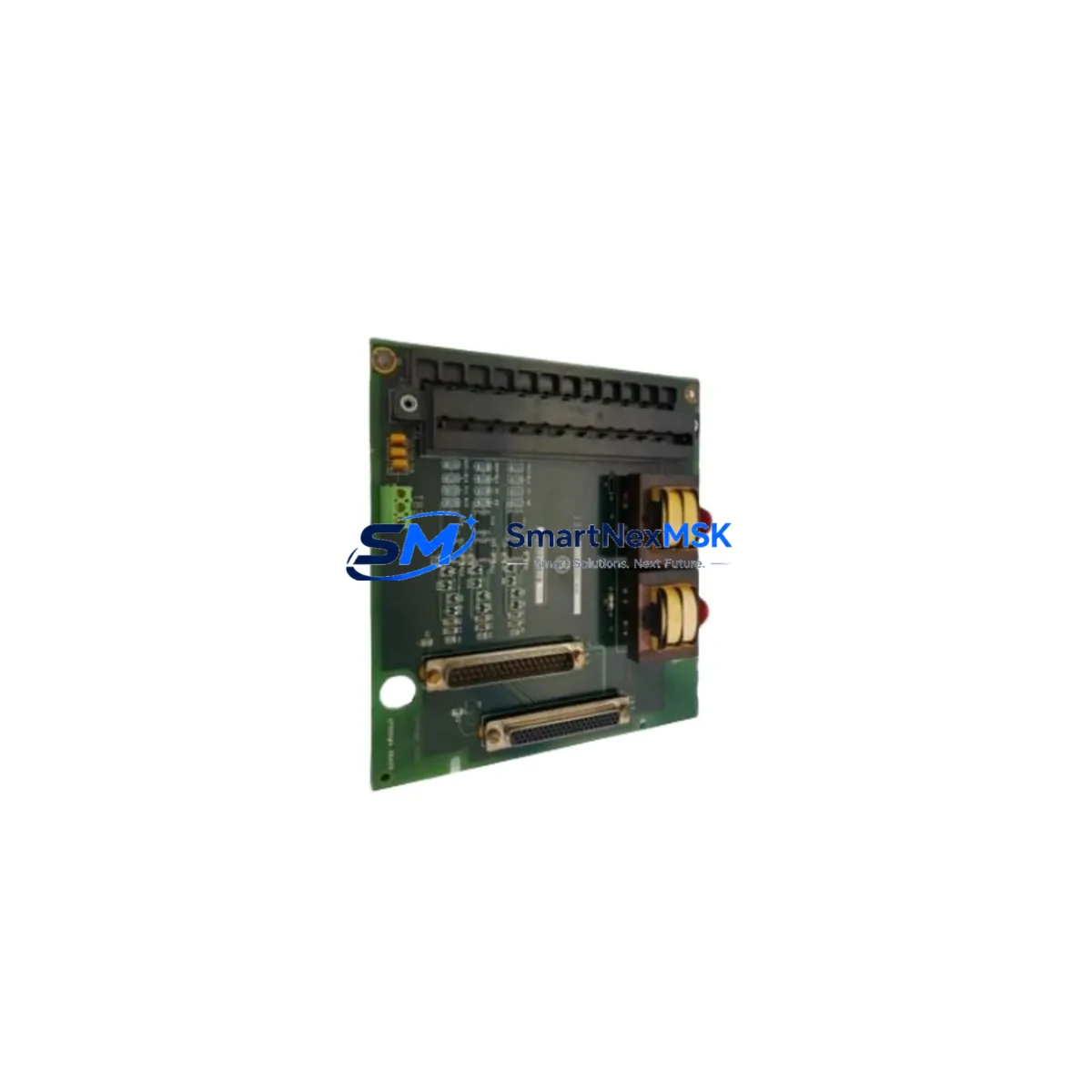
Terminal wiring on the rear I/O panel connected to the servo valve driver circuit must be documented before disconnection. Each servo output channel typically drives a dedicated electrohydraulic servo valve through a shielded twisted-pair cable; shield grounding practice at the cabinet entry point should be preserved exactly as found to avoid introducing noise into the servo loop. The IS200TSVOH1A terminal board, which mates with the IS210WSVOH1A via the P2 rear connector, should be inspected for terminal corrosion, loose screws, and cable insulation integrity during the module exchange window.
Before the replacement module is powered, the ToolboxST project file should be opened and the I/O configuration verified. The module address, servo gain parameters, and fault response settings stored in the VCMI configuration must match the physical slot assignment of the new IS210WSVOH1A. If the plant is running a redundant Mark VI architecture with TMR (Triple Modular Redundancy), the replacement must be performed on one controller at a time, with the remaining two controllers maintaining turbine control throughout the procedure. The IS215VCMIH2B communication module manages the voting logic between controllers and will flag a mismatch if the replacement module fails its self-test during initialization.
For plants that have already migrated portions of their control system to Mark VIe, the IS210WSVOH1A retrofit may be part of a phased upgrade strategy where the legacy VME rack remains in service for servo control while newer IS420UCSBH3A controllers handle higher-level logic. In this hybrid architecture, the communication link between the Mark VI VME rack and the Mark VIe network gateway must be validated after any module replacement to confirm that the servo output status signals are correctly reflected in the CIMPLICITY HMI screens and historian.
Downtime Control During System Migration
Minimizing unplanned downtime during an IS210WSVOH1A replacement requires a structured pre-outage checklist. The recommended approach is to schedule the module swap during a planned maintenance window aligned with the turbine’s next inspection interval. Before initiating the outage, the control engineer should export the current ToolboxST project, including all I/O calibration data and servo loop tuning parameters, and store a backup on an isolated engineering workstation. This backup ensures that if the replacement module requires re-commissioning, the original parameter set can be reloaded without relying on memory or handwritten notes.
During the swap, the turbine should be brought to a safe shutdown state with the fuel control servo valves confirmed closed and the hydraulic supply isolated. The Mark VI controller should be placed in manual mode if the plant’s operating procedure permits, and the CIMPLICITY HMI operator display should be monitored by a second technician throughout the procedure to detect any unexpected I/O state changes. Once the IS210WSVOH1A is seated and the rack is powered, the ToolboxST diagnostics screen will display the module’s self-test result within seconds. A green status indication confirms that the module has passed its internal checks and is ready to accept servo commands.
After the module is confirmed healthy, the servo loop should be exercised at low command amplitude before returning the turbine to automatic control. This step verifies that the wiring, terminal board connections, and servo valve response are all consistent with pre-outage baseline data. The entire procedure, from rack power-down to return-to-service, can typically be completed within two to four hours when all replacement parts, tools, and documentation are staged in advance — significantly reducing the revenue impact of the maintenance event.
Retrofit Support FAQ
Q1: Is the IS210WSVOH1A a direct drop-in replacement for a failed servo output module in my Mark VI cabinet?
Yes. The IS210WSVOH1A is designed for the Mark VI VME rack and occupies a standard 6U VME slot. Provided the hardware revision is compatible with your ToolboxST configuration file, no mechanical or wiring modifications are required. Confirm the slot address and servo channel mapping in ToolboxST before power-up.
Q2: What commissioning steps are required after installing the replacement module?
After seating the module, re-download the I/O configuration from ToolboxST to ensure the replacement unit receives the correct servo gain, fault threshold, and channel assignment parameters. Run the built-in diagnostics from the ToolboxST I/O diagnostics view and verify that all four servo output channels report healthy status before returning the turbine to automatic control.
Q3: Can I use this module in a Mark VIe system or a hybrid Mark VI / Mark VIe architecture?
The IS210WSVOH1A is specific to the VME-based Mark VI platform and is not compatible with the Mark VIe Ethernet I/O pack architecture. In a hybrid installation, it can continue to serve the legacy Mark VI VME rack while Mark VIe controllers manage other control functions, provided the inter-system communication links are validated after the replacement.
Q4: What warranty coverage is included, and has the unit been tested before shipment?
Every IS210WSVOH1A unit is function-tested prior to shipment and covered by a 12-month warranty against manufacturing defects and functional failure under normal operating conditions. Units are shipped with ESD-protective packaging. If a warranty claim is required, our technical team will coordinate a replacement or repair within the warranty period.
© 2026 SMARTNEXMSK. All rights reserved.
Original Source: https://smartnexmsk.com
Contact: [email protected] | +86 18259474341