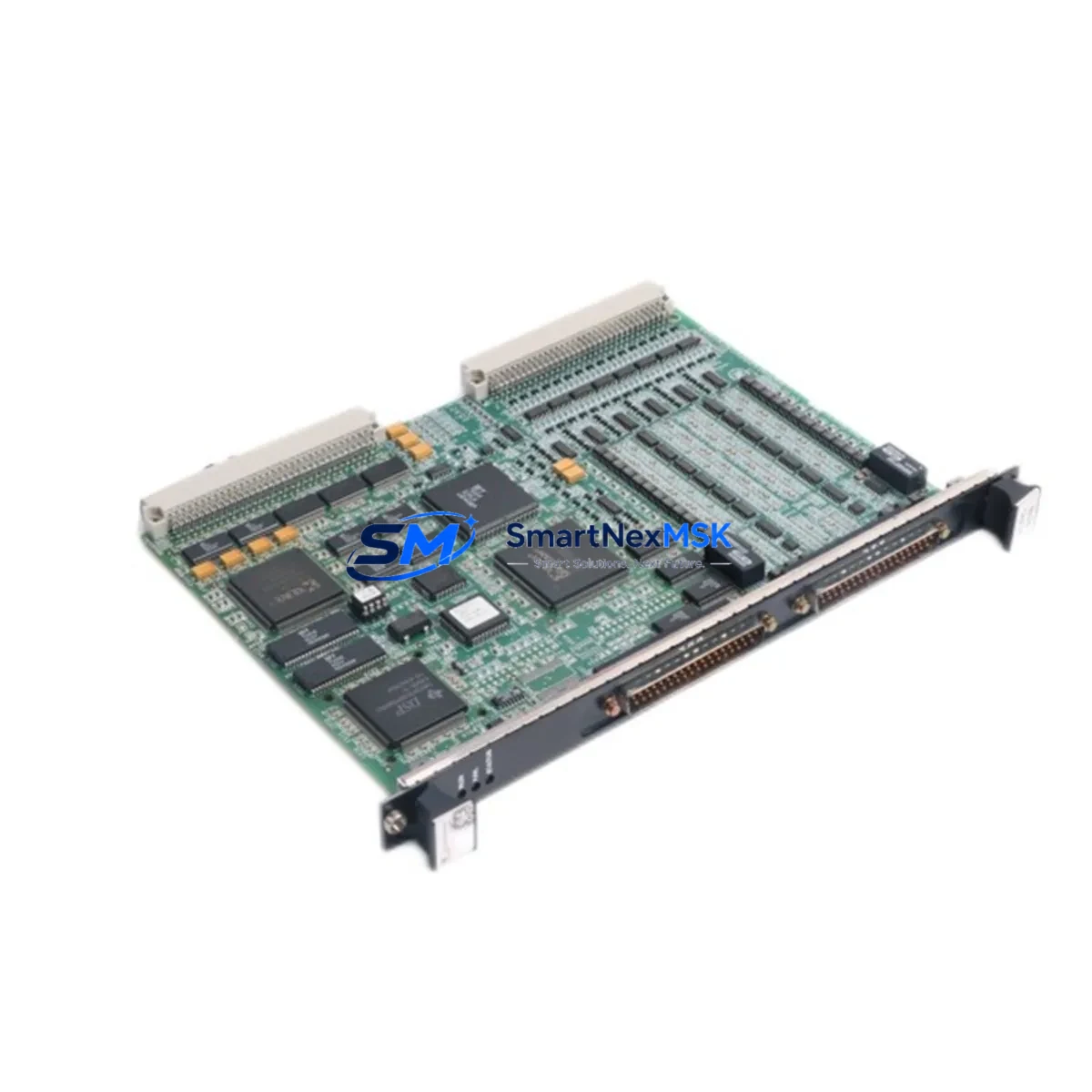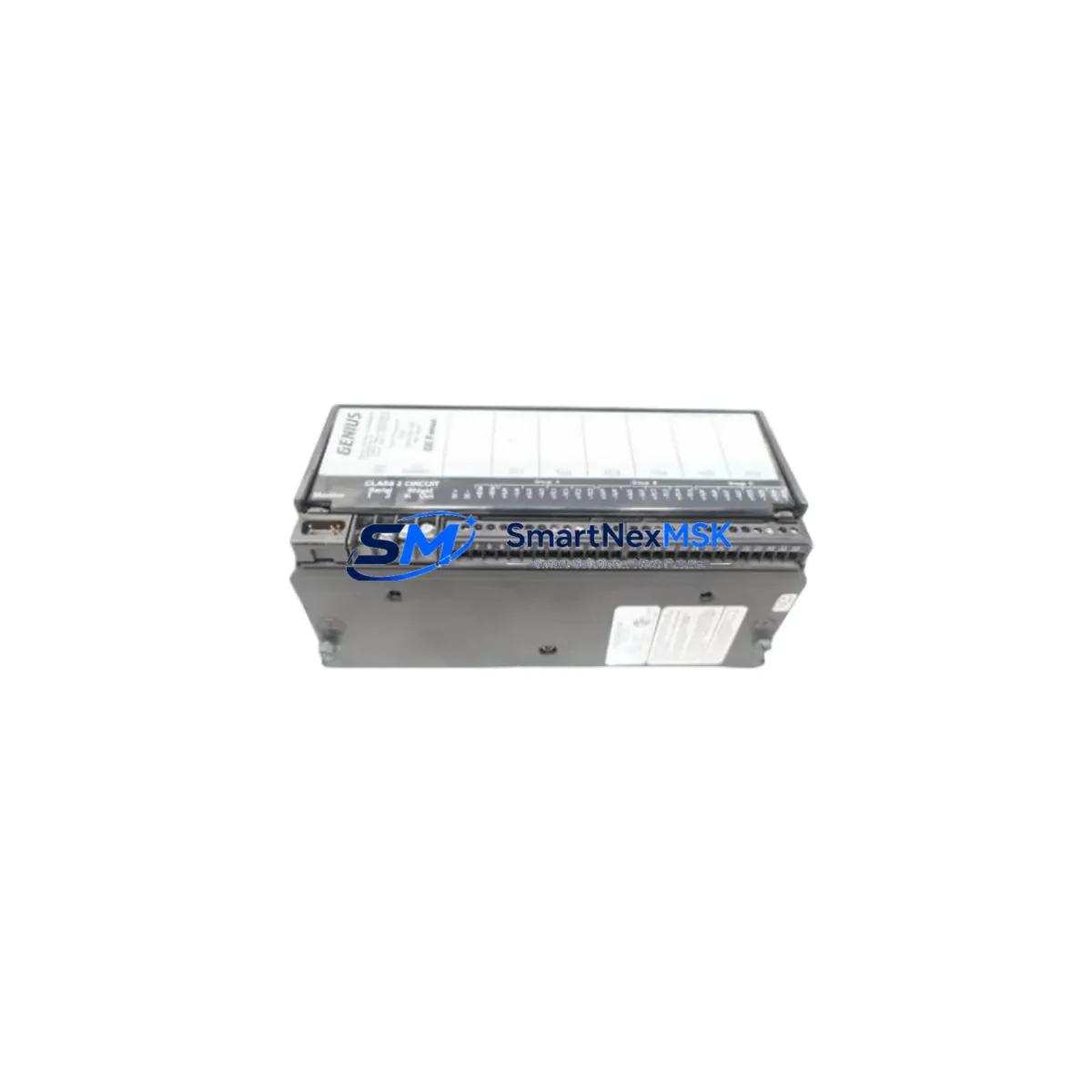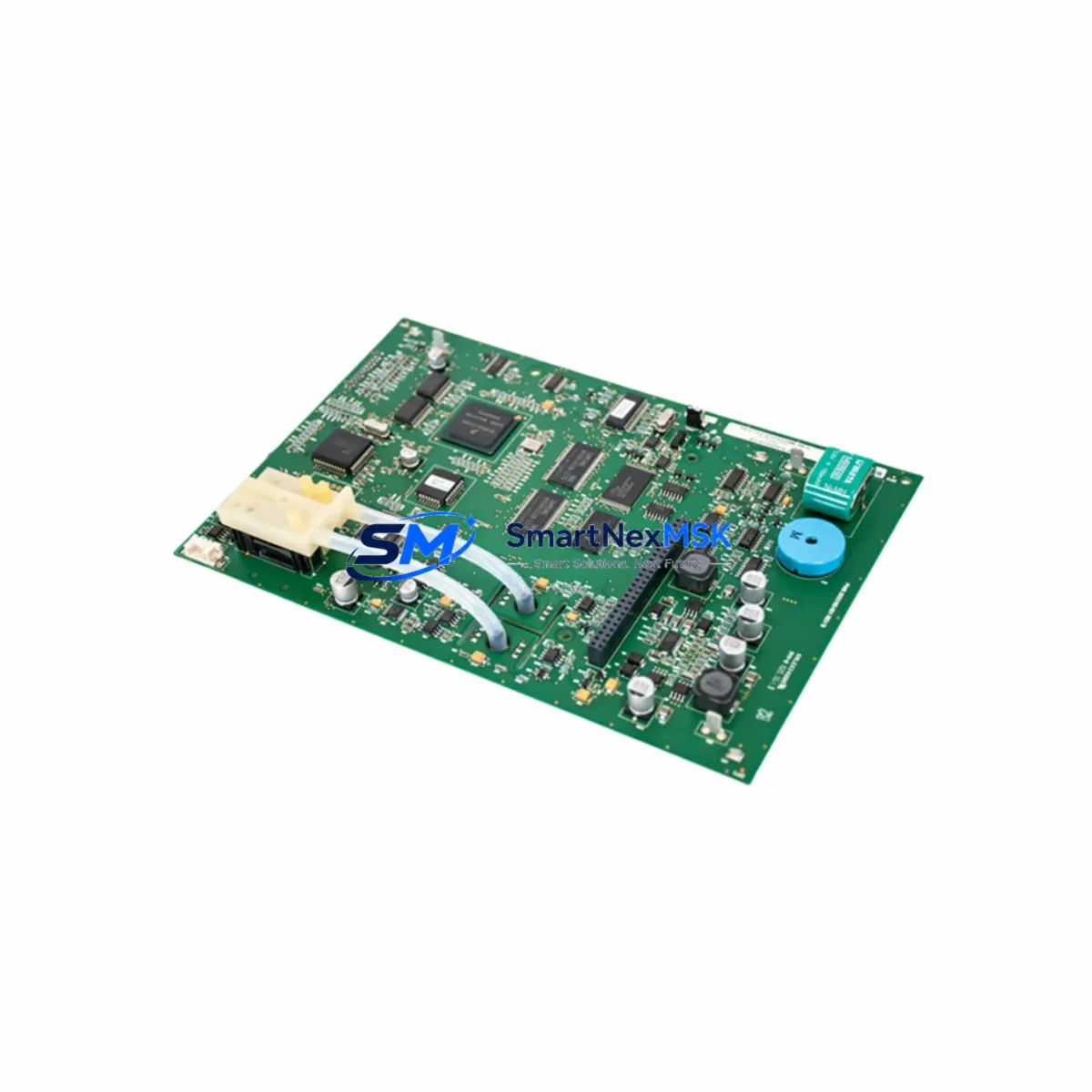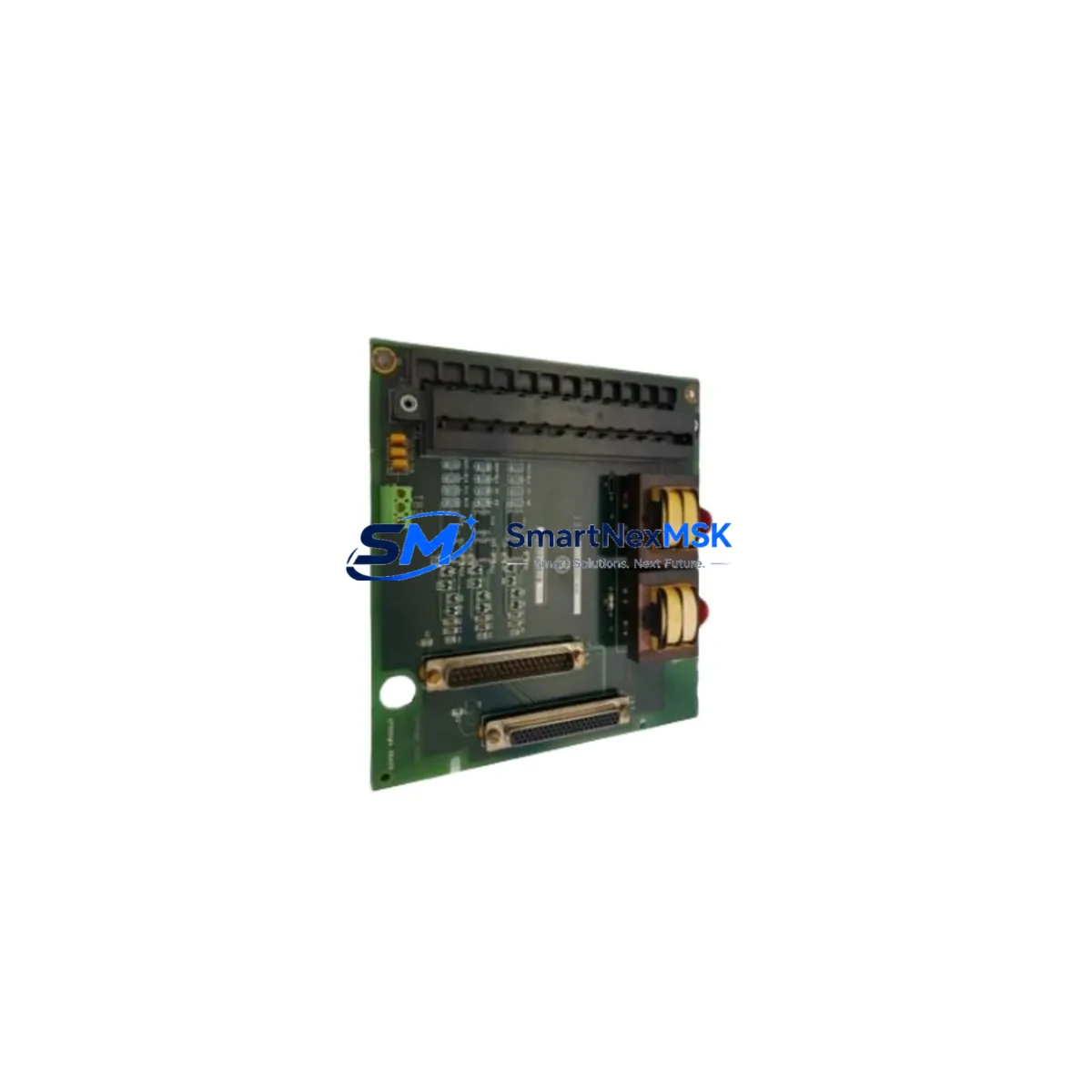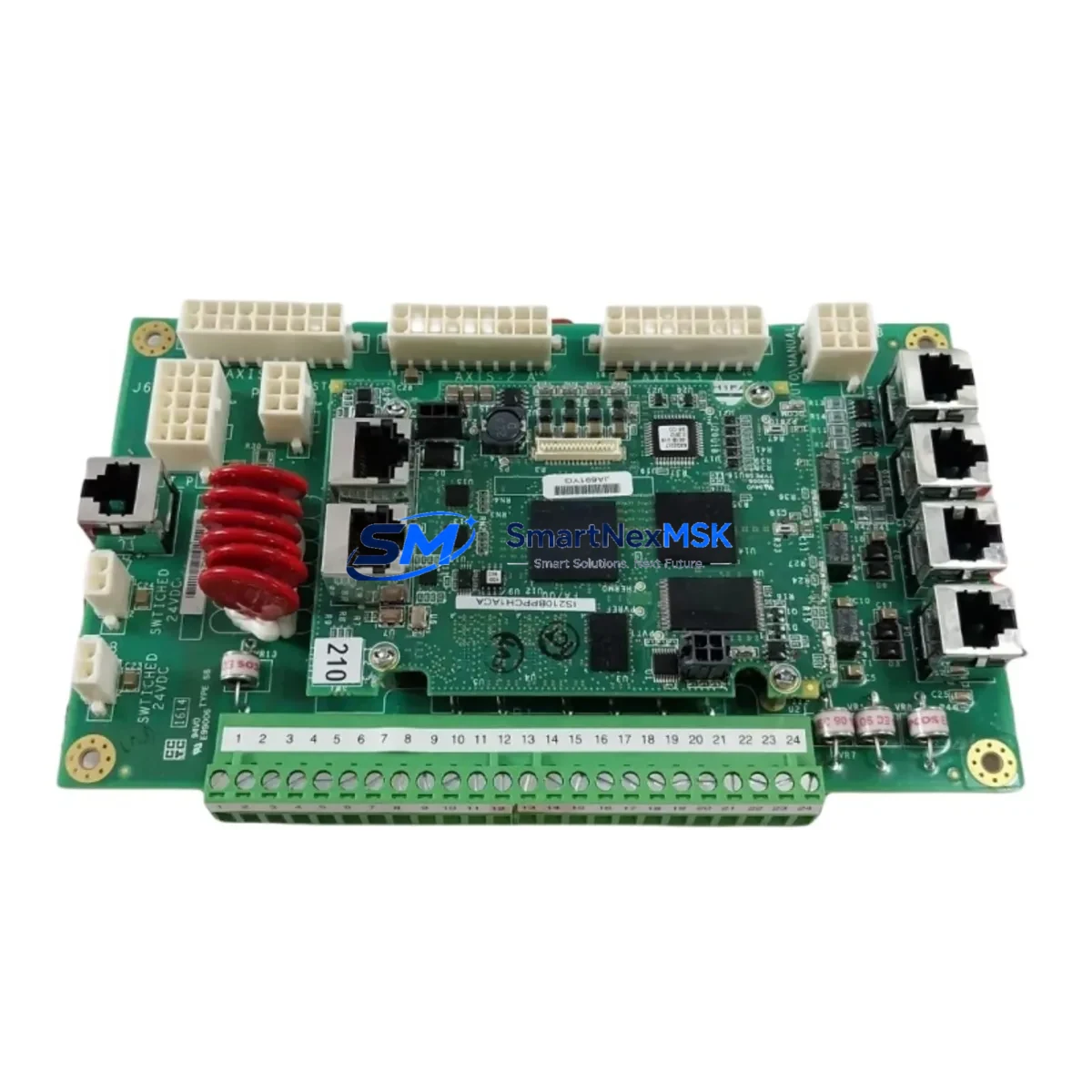
GE IS215AEPCH2F Maintenance-Ready Spare for Mark VI Automation
The GE IS215AEPCH2F is an original RTD (Resistance Temperature Detector) Input Module designed for the GE Mark VI Turbine Control System. As a critical component in temperature signal acquisition chains, this module is responsible for converting RTD sensor inputs into digital process values consumed by the Mark VI controller. When this module fails or degrades, turbine control accuracy is compromised — leading to unplanned shutdowns, process deviations, and costly downtime. Stocking a verified original IS215AEPCH2F spare is a fundamental element of any proactive maintenance strategy for Mark VI-based power generation and industrial automation systems.
This unit is sourced as an original GE spare part, fully tested prior to shipment, and backed by a 12-month warranty. It is suitable for direct drop-in replacement in existing Mark VI control cabinets without firmware modification, provided the system revision is compatible. Each unit undergoes functional verification covering RTD channel integrity, signal conditioning accuracy, and backplane communication before dispatch.
Spare Maintenance Table
| Parameter | Specification / Detail |
|---|---|
| Part Number | IS215AEPCH2F |
| Manufacturer | GE (General Electric) |
| Series | Mark VI Turbine Control System |
| Module Type | RTD Input Module |
| Input Channels | Multi-channel RTD (PT100 / PT1000 compatible) |
| Signal Type | Resistance Temperature Detector (2-wire / 3-wire) |
| Backplane Interface | Mark VI VME-based backplane |
| Operating Temperature | 0°C to +60°C |
| Mounting | Mark VI control cabinet rack-mount |
| Country of Origin | Germany |
| Compatibility | GE Mark VI, Mark VIe (verify revision) |
| Condition | Original, tested before shipment |
| Warranty | 12 Months |
| Delivery | Worldwide express shipping available |
| Application | Power generation, turbine control, industrial process automation |
Maintenance Planning for Continuous Operation
Replacing the IS215AEPCH2F in a live Mark VI system requires a structured approach to avoid cascading faults. Maintenance engineers should treat this module replacement as part of a broader cabinet inspection rather than an isolated swap. Before removing the RTD input module, verify that the IS215AEPCH2F power supply rail is within specification — voltage fluctuations on the Mark VI backplane are a common root cause of premature module failure. The IS200EPCTG1A terminal board, which interfaces RTD field wiring to the module, should be inspected for loose terminations, corrosion, and insulation degradation at the same time.
During planned maintenance windows, it is advisable to simultaneously inspect the IS215AEPCH2F companion I/O modules sharing the same rack, including analog input modules such as the IS215AEAAH1A and digital I/O modules like the IS200DSPXH1A, as thermal stress and vibration affect all rack-mounted cards equally. The IS200VSVOH1B power supply module feeding the I/O rack should be load-tested to confirm it can sustain full channel operation after the RTD module is restored.
For systems with active communication to a Mark VI HMI workstation via the IONET or UDH network, confirm that the IS215UCVEH2A communication module is logging RTD channel data correctly post-replacement. Signal isolation between the RTD inputs and the control network is maintained through the module’s internal isolation circuitry — if cross-channel interference is observed after installation, inspect the IS200TREGH1B relay output module and associated terminal boards for ground loop issues.
Fuse integrity on the Mark VI cabinet’s 24VDC distribution rail should be verified using the IS200EPCTG1A fuse block before powering the replacement module. Spare fuses rated for the Mark VI I/O bus should be included in the site spare parts kit alongside the IS215AEPCH2F. For older Mark VI installations approaching end-of-support, consider stocking the IS215AEPCH2F alongside the IS200VSVOH1B and IS215UCVEH2A as a minimum viable spare set to sustain system operation through the next major overhaul cycle.
Site Replacement Workflow
Step 1 — Pre-replacement verification: Confirm the failed module’s part number and revision suffix (H2F) against the system BOM. Mismatched revisions between IS215AEPCH2F variants can cause configuration errors during Mark VI controller initialization. Document the current RTD channel assignments from the Mark VI Toolbox software before removal.
Step 2 — Safe removal: Place the Mark VI controller in maintenance mode via the HMI. Remove the IS215AEPCH2F by releasing the front-panel locking lever and sliding the module from the VME rack. Avoid touching the backplane connector pins. Ground yourself using an ESD wrist strap throughout the procedure.
Step 3 — Installation: Seat the replacement IS215AEPCH2F firmly into the rack slot until the backplane connector is fully engaged. Secure the locking lever. Restore power and observe the module’s LED status indicators — a solid green RUN LED confirms successful initialization.
Step 4 — Functional verification: Using Mark VI Toolbox, verify that all RTD channels are reading within expected temperature ranges. Compare live readings against the process historian to confirm signal accuracy. Log the replacement in the site maintenance record with the new module’s serial number and warranty start date.
Step 5 — Spare stock replenishment: Immediately initiate a procurement order for a replacement IS215AEPCH2F to restore your on-site spare buffer. Long lead times for legacy Mark VI components make just-in-time procurement a high-risk strategy for critical turbine control systems.
Spare Parts Support FAQ
Q1: Is the IS215AEPCH2F compatible with both Mark VI and Mark VIe systems?
The IS215AEPCH2F is primarily designed for the GE Mark VI platform. Compatibility with Mark VIe depends on the specific rack configuration and firmware revision. We recommend confirming the system BOM and controller revision before ordering. Our technical team can assist with compatibility verification prior to shipment.
Q2: What testing is performed before shipment?
Each IS215AEPCH2F unit undergoes functional testing covering RTD channel signal integrity, backplane communication, and power rail stability. A test report is available upon request. All units are shipped with ESD-protective packaging and include a 12-month warranty from the date of delivery.
Q3: How should I manage IS215AEPCH2F inventory for a multi-turbine site?
For sites operating two or more Mark VI-controlled turbines, we recommend maintaining a minimum of one IS215AEPCH2F per turbine train in the on-site spare parts store. Given the module’s role in temperature monitoring — a safety-critical function — a zero-spare posture is not advisable. Consult your OEM maintenance manual for the recommended critical spare list.
Q4: What is the warranty coverage and what does it include?
All IS215AEPCH2F units supplied by SMARTNEXMSK carry a 12-month warranty covering manufacturing defects and functional failures under normal operating conditions. Warranty claims are processed with priority dispatch of a replacement unit. Physical damage, incorrect installation, or operation outside specified environmental limits are excluded from warranty coverage.
© 2026 SMARTNEXMSK. All rights reserved.
Original Source: https://smartnexmsk.com
Contact: [email protected] | +86 18259474341