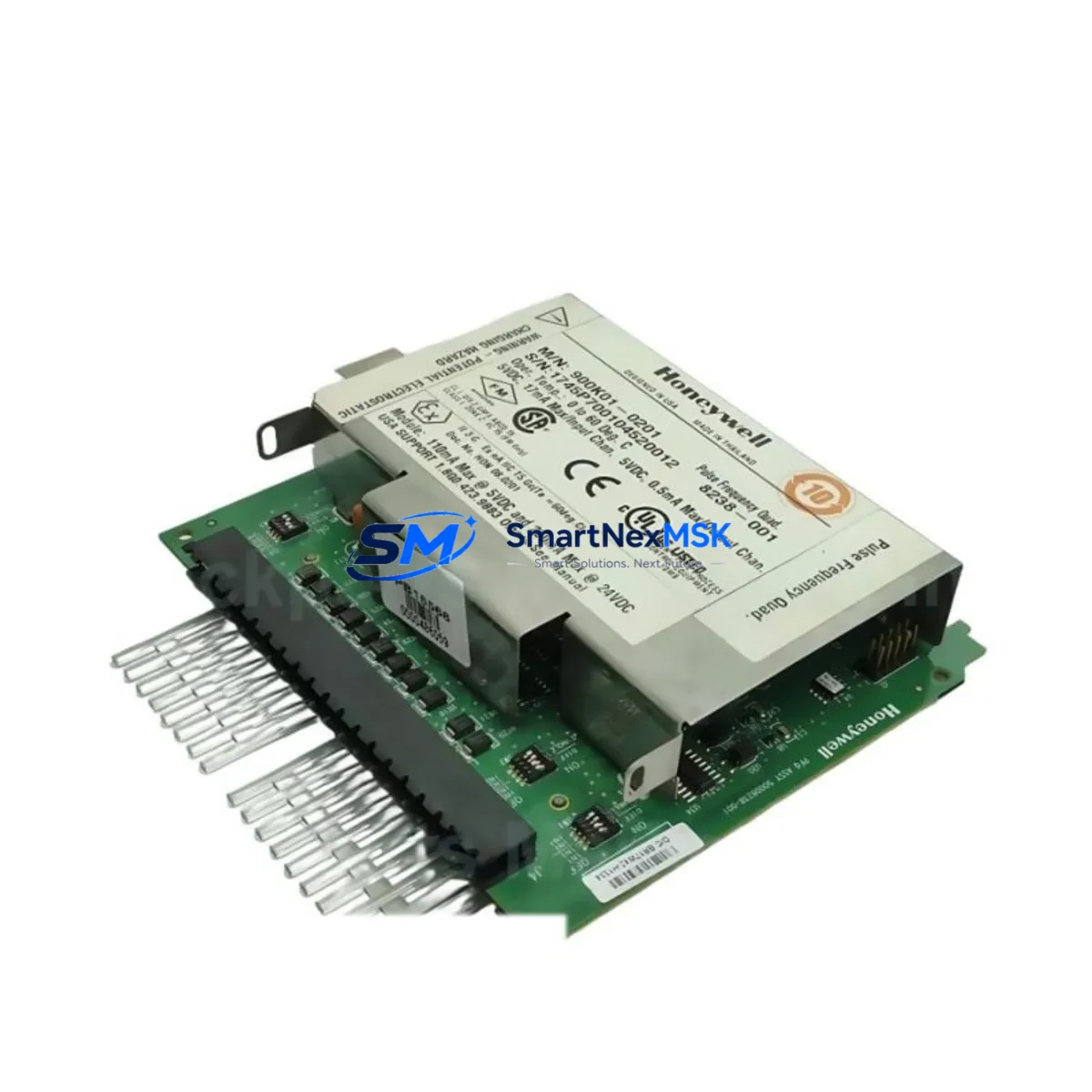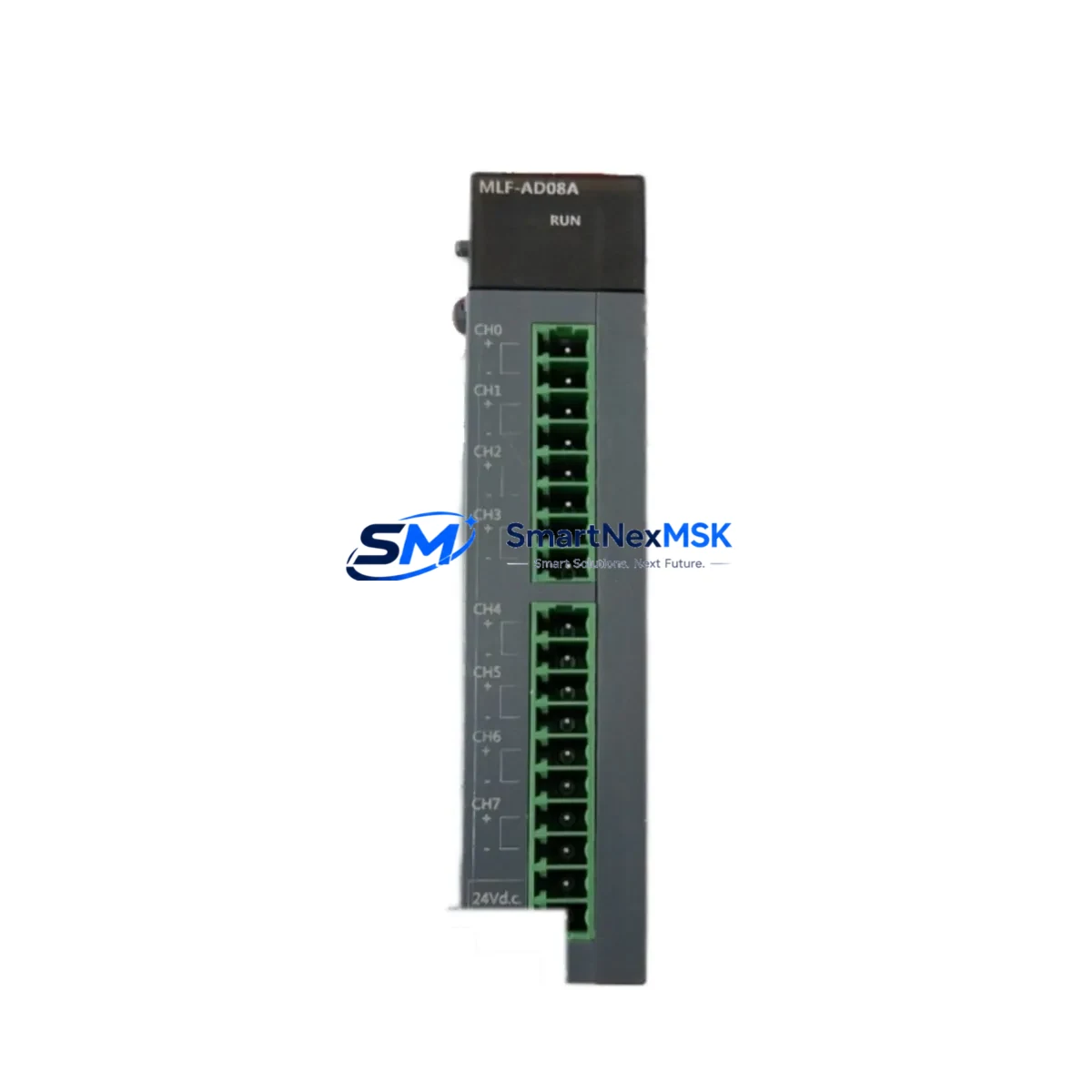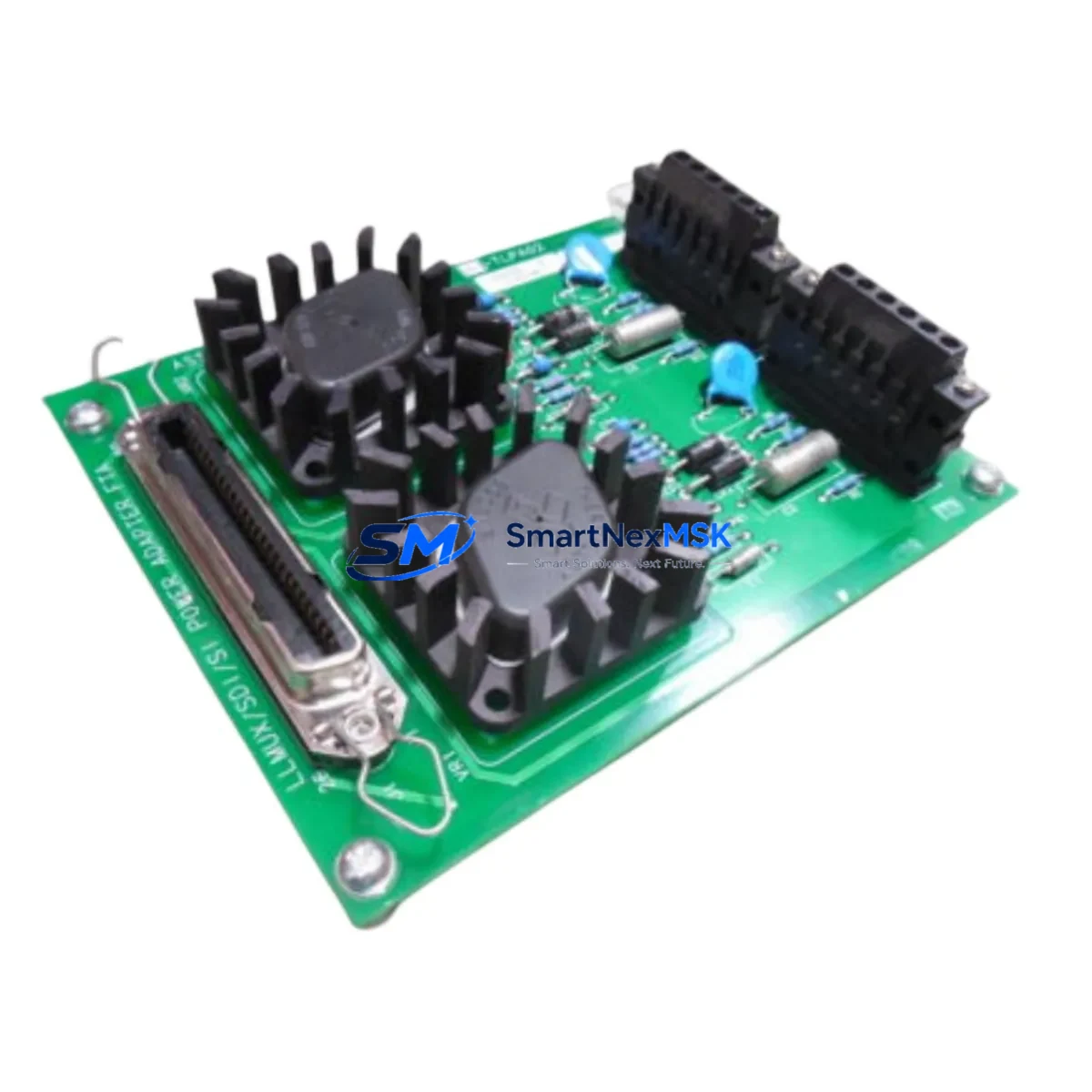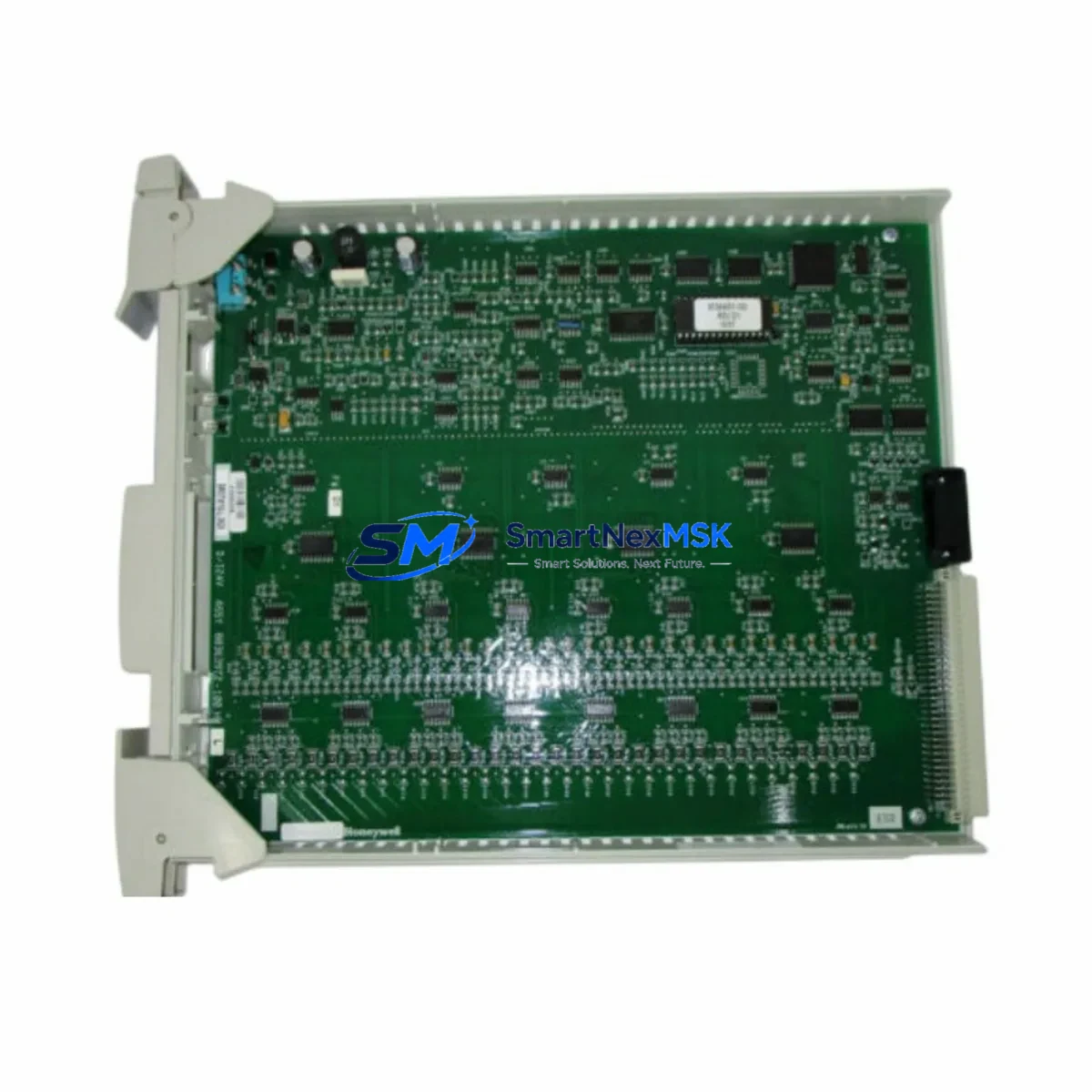
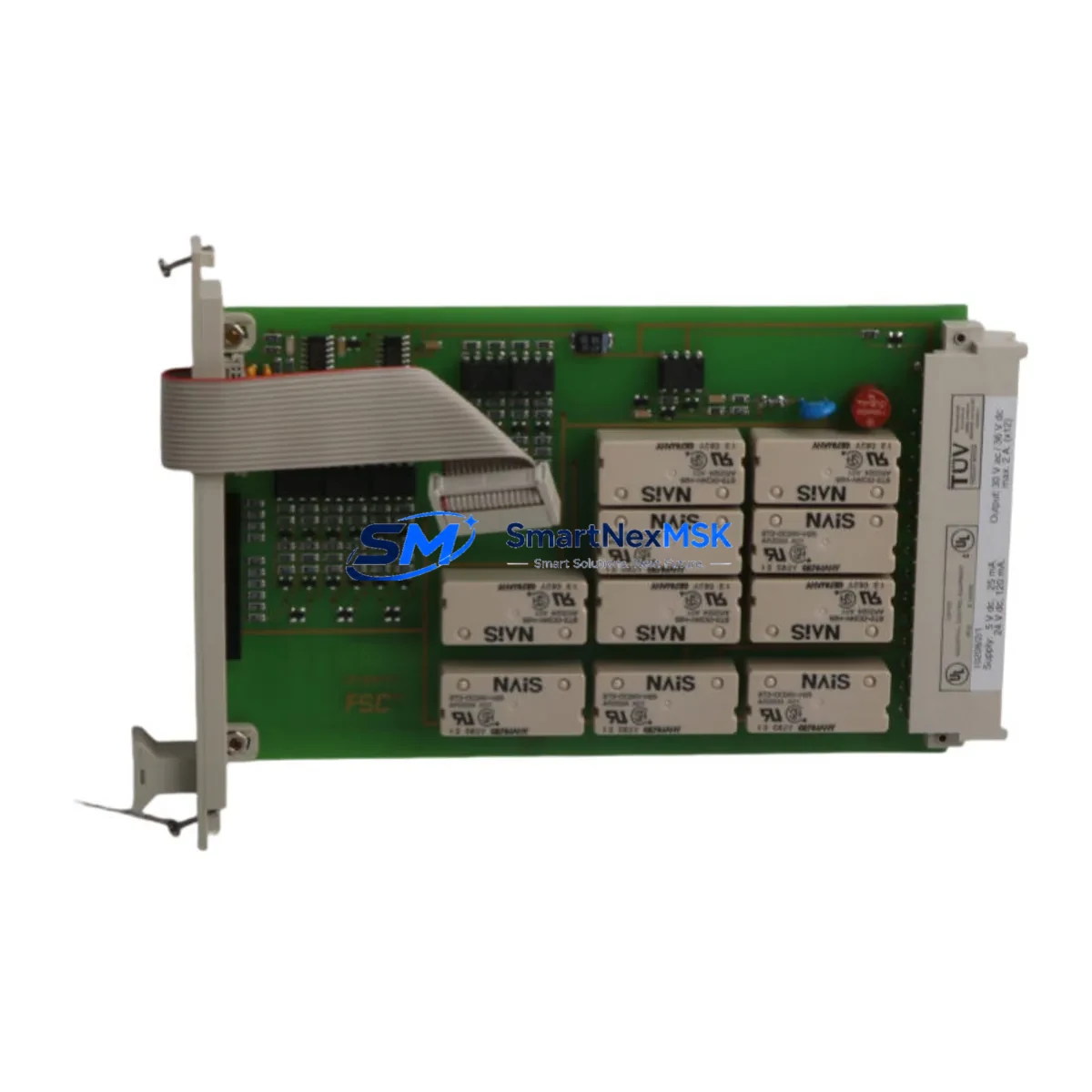
Honeywell 10208/2/1 Spare for TDC 3000 Automation: Spare Replacement & Industrial Downtime Risk Control
The Honeywell 10208/2/1 is a Relay Output Module designed for the TDC 3000 Distributed Control System — one of the most widely deployed DCS platforms in continuous process industries including refining, petrochemical, pulp & paper, and power generation. As legacy TDC 3000 systems continue to operate well beyond their original design life, maintaining a verified stock of critical output modules such as the 10208/2/1 is essential for any maintenance strategy focused on minimizing unplanned downtime and extending system longevity.
This spare is sourced, inspected, and dispatched with full functional verification. Each unit undergoes pre-shipment testing to confirm relay contact integrity, output channel isolation, and backplane communication compatibility before leaving our facility. A 12-month warranty is included as standard, covering defects in materials and workmanship under normal operating conditions.
Spare Maintenance Table
| Parameter | Specification / Detail |
|---|---|
| Part Number / SKU | 10208/2/1 |
| Brand | Honeywell |
| Series / Platform | TDC 3000 DCS |
| Module Type | Relay Output Module |
| Output Channels | Relay contact outputs (dry contact, normally open/closed) |
| Backplane Compatibility | TDC 3000 standard card cage / backplane |
| Operating Voltage | Per TDC 3000 system bus specification |
| Contact Rating | Suitable for industrial switching loads; verify against field wiring |
| Installation | Hot-swap capable within TDC 3000 card cage (verify with site SOP) |
| Application Environment | Industrial process control; continuous operation environments |
| Origin | USA |
| Weight | 220 g |
| Pre-Shipment Test | Functional verification completed; relay contact and channel isolation confirmed |
| Warranty | 12 Months — defects in materials and workmanship |
| Lead Time | In-stock; same-day or next-business-day dispatch available |
Maintenance Planning for Continuous Operation
When a relay output module such as the 10208/2/1 is flagged during a control cabinet inspection or routine point check, experienced maintenance engineers know that the fault rarely exists in isolation. A failed or degraded relay output channel can indicate upstream power supply instability, downstream field wiring degradation, or accumulated stress across adjacent I/O modules sharing the same backplane segment.
Before completing a replacement of the 10208/2/1, a thorough site inspection should include the following associated components and subsystems:
- TDC 3000 Power Supply Modules — Verify bus voltage stability and ripple levels. A marginal power supply is a common root cause of relay output module failure and will shorten the life of any replacement unit.
- Honeywell TDC 3000 Analog Input Modules (e.g., 10205 series) — Inspect adjacent analog input cards for signs of signal drift or channel faults that may indicate a shared power or grounding issue.
- Digital Input Modules (DI cards) — Confirm that digital input channels associated with the same control loop are reading correctly; a faulty DI card can mask the true source of a relay output fault.
- Backplane and Card Cage Connectors — Clean and inspect edge connectors on the 10208/2/1 and adjacent slots. Oxidized or contaminated backplane contacts are a leading cause of intermittent relay output faults in aging TDC 3000 cabinets.
- Field Terminal Assemblies (FTAs) and Marshalling Panels — Check terminal blocks, screw torque, and field wiring insulation resistance. Loose terminations on relay output field wiring can cause contact bounce and premature relay wear.
- Honeywell TDC 3000 Communication Modules (e.g., Highway Gateway, NIM) — Confirm that the node interface module and data highway communication are stable; communication faults can generate spurious relay output commands.
- Signal Isolators and Barriers — Where relay outputs drive field instruments in hazardous areas, inspect Zener barriers or galvanic isolators for degradation. A failed isolator can present as a relay output fault.
- Fuse Blocks and Circuit Protection — Verify fuse continuity on relay output field circuits. Blown fuses on output loops are frequently overlooked during initial fault diagnosis.
- Honeywell Universal Control Network (UCN) Cables and Terminators — For TDC 3000 systems using UCN architecture, inspect coaxial cable terminations and network terminators, as UCN instability can cause erratic output module behavior.
- Operator Interface / HMI Alarm Logs — Review the TDC 3000 operator console or connected HMI alarm history for prior relay output alarms, which may indicate a developing fault pattern rather than a sudden failure.
Stocking a minimum of one spare 10208/2/1 per active TDC 3000 node is a widely adopted practice in facilities where this platform supports critical process loops. For sites with multiple TDC 3000 cabinets, a tiered spare parts strategy — with fast-access on-site stock and a secondary supplier-held reserve — provides the most resilient coverage against unplanned outages.
Site Replacement Workflow
Replacing the Honeywell 10208/2/1 in a live TDC 3000 environment requires a structured approach to minimize process disruption and ensure system compatibility is maintained throughout the changeover.
Step 1 — Pre-Replacement Verification: Confirm the replacement unit’s part number and revision level against the installed module. TDC 3000 relay output modules may have hardware revision variants; verify compatibility with your specific card cage and backplane revision before proceeding.
Step 2 — Process Isolation: Where possible, place the affected control loop in manual mode at the operator console before removing the module. This prevents unintended relay state changes during the swap and protects downstream field equipment.
Step 3 — Module Extraction and Inspection: Remove the 10208/2/1 carefully, noting the slot position and any labeling. Inspect the backplane connector for damage or contamination. Clean with appropriate contact cleaner if required before inserting the replacement.
Step 4 — Replacement Insertion and Initialization: Insert the new 10208/2/1 firmly into the card cage slot. Allow the TDC 3000 system to initialize the module — monitor the operator console for module status confirmation and alarm clearance.
Step 5 — Functional Test: With the loop still in manual, exercise each relay output channel from the operator console and verify correct field response. Confirm contact state, field device response, and alarm status before returning the loop to automatic control.
Step 6 — Documentation: Record the replacement in the site maintenance log, including the date, slot location, old module serial number, and new module details. Update the spare parts inventory accordingly.
This workflow applies equally to planned maintenance replacements and emergency fault recovery scenarios. Having a pre-tested, in-stock 10208/2/1 available reduces the critical path of any unplanned outage to the time required for the swap itself — typically under 30 minutes for an experienced technician.
Spare Parts Support FAQ
Q: What is the expected service life of the Honeywell 10208/2/1, and when should I plan a proactive replacement?
A: Relay output modules in continuous industrial service typically exhibit increased failure rates after 15–20 years of operation, driven by relay contact wear, capacitor aging, and connector oxidation. For TDC 3000 systems operating beyond this threshold, proactive replacement during scheduled shutdowns — rather than waiting for in-service failure — is the recommended strategy. We supply both emergency replacements and planned maintenance quantities.
Q: How do I verify compatibility between a replacement 10208/2/1 and my existing TDC 3000 card cage?
A: Compatibility is primarily determined by the card cage backplane revision and the TDC 3000 system software version. Provide your existing module’s full part number including any suffix or revision code when ordering, and our technical team will confirm compatibility before dispatch. All units are pre-tested against standard TDC 3000 backplane specifications prior to shipment.
Q: What does the 12-month warranty cover, and what is the claims process?
A: The 12-month warranty covers defects in materials and workmanship under normal operating conditions. It does not cover damage resulting from incorrect installation, overvoltage events, or physical mishandling. To initiate a warranty claim, contact our support team with the order reference, installation date, and a description of the fault. Replacement or repair is completed within an agreed lead time, with priority handling available for critical process applications.
Q: Can you supply multiple units for a site-wide spare parts audit or shutdown project?
A: Yes. We maintain stock of the 10208/2/1 and related TDC 3000 modules to support both single-unit emergency orders and multi-unit project quantities. For shutdown projects or site-wide spare parts rationalization programs, contact our sales team for volume pricing, consolidated shipment options, and extended warranty arrangements. Long-term supply agreements are available for facilities with ongoing TDC 3000 maintenance programs.
© 2026 SMARTNEXMSK. All rights reserved.
Original Source: https://smartnexmsk.com
Contact: [email protected] | +86 18259474341