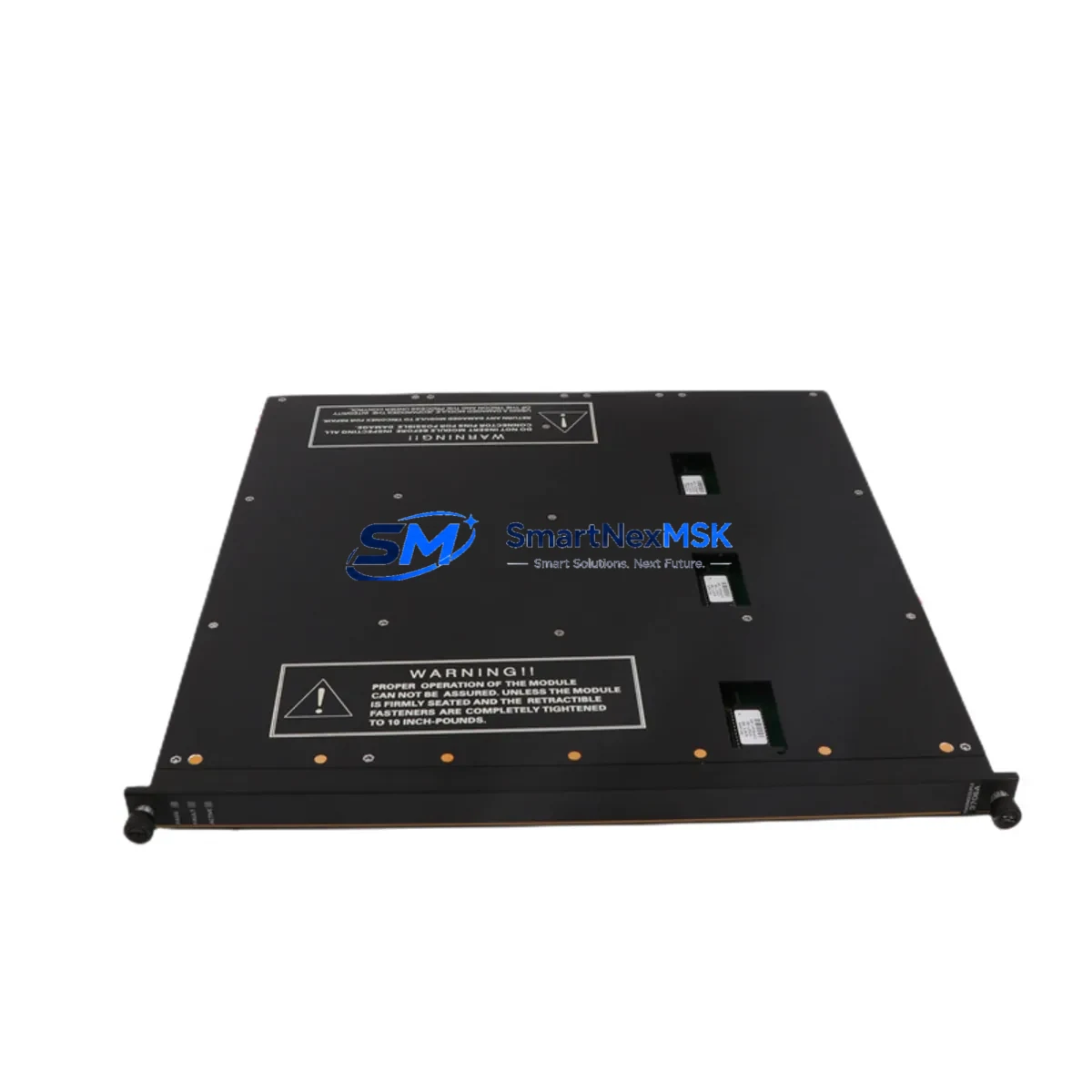
Triconex 3706A Retrofit-Ready Analog Input for Tricon TMR: Seamless Compatibility & Legacy System Upgrade
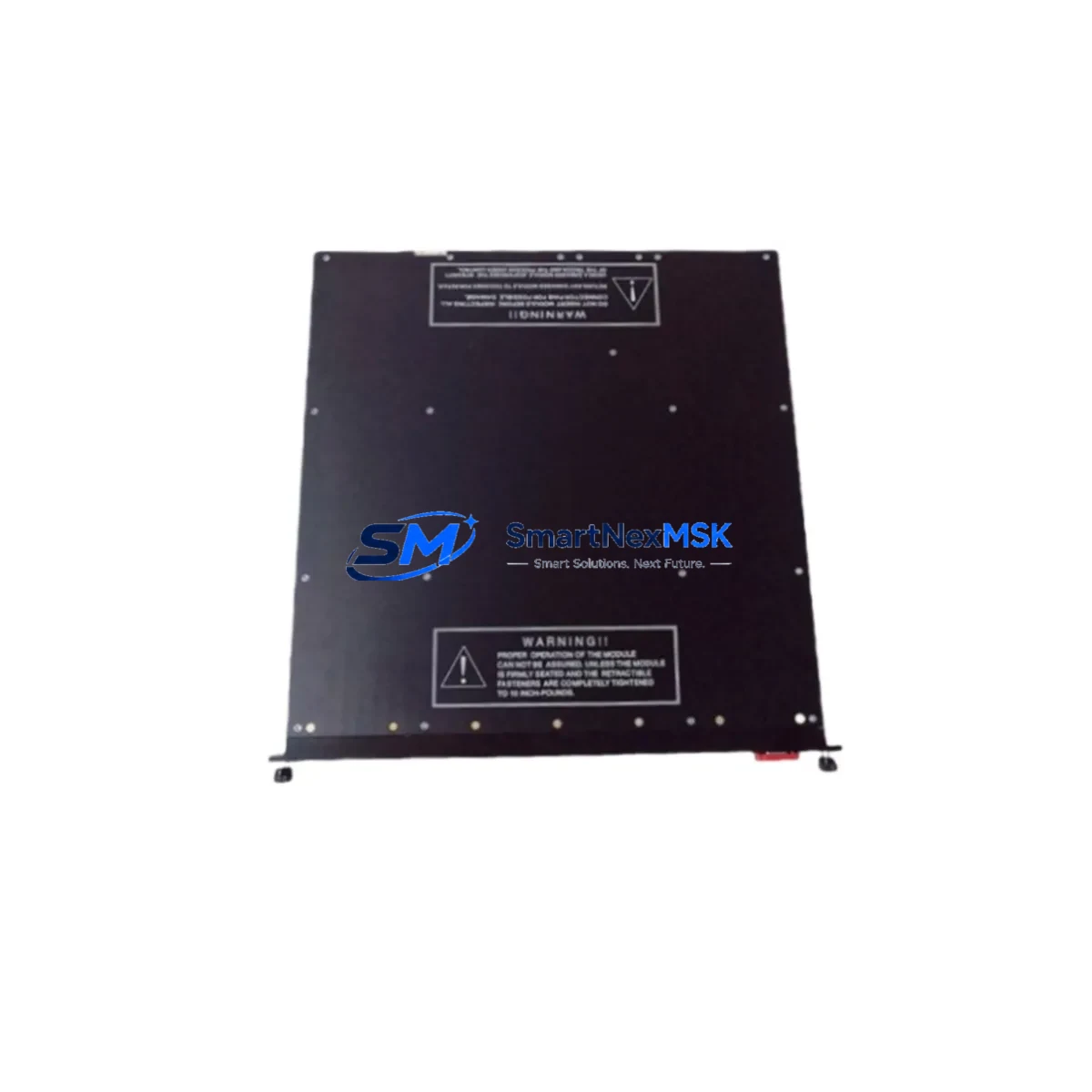
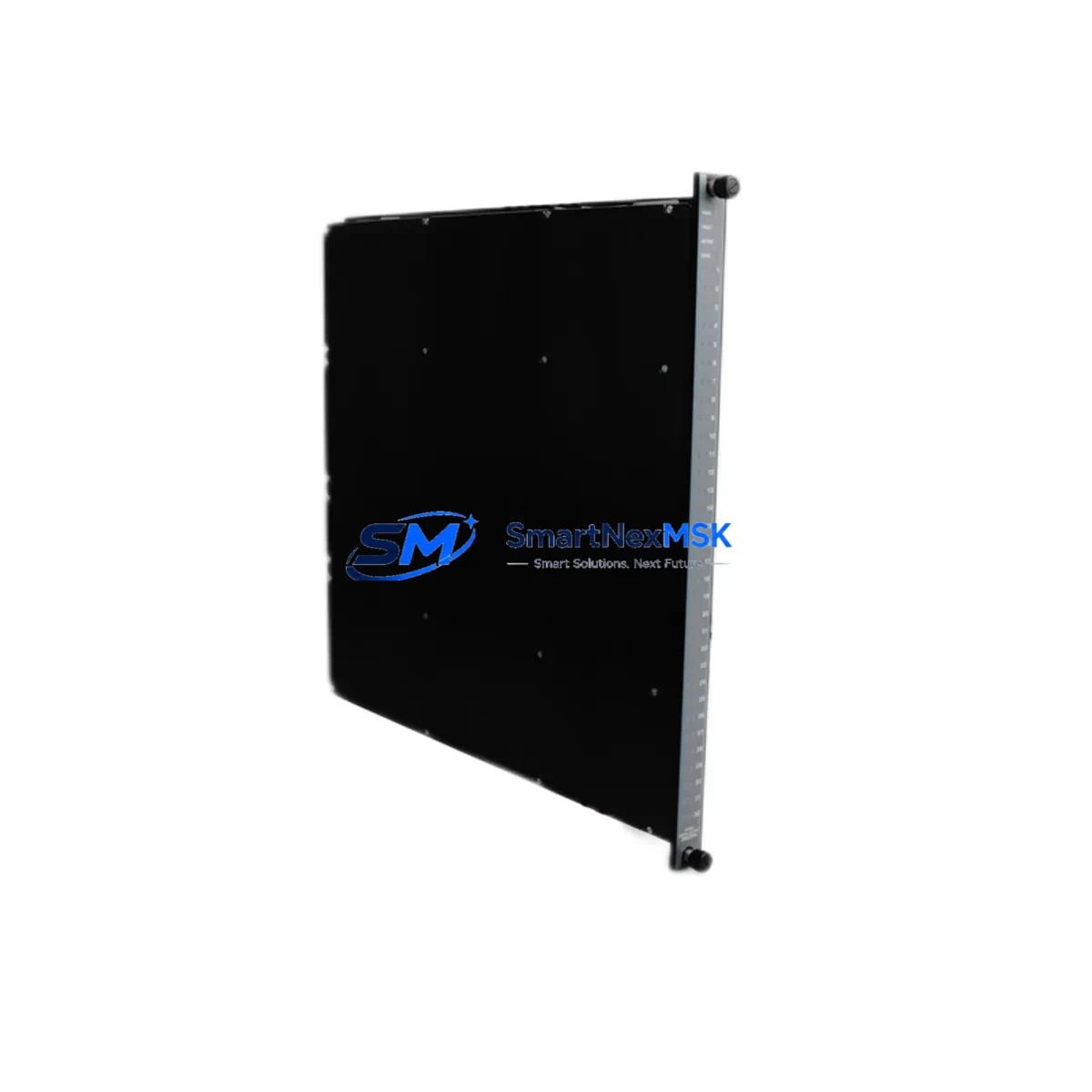
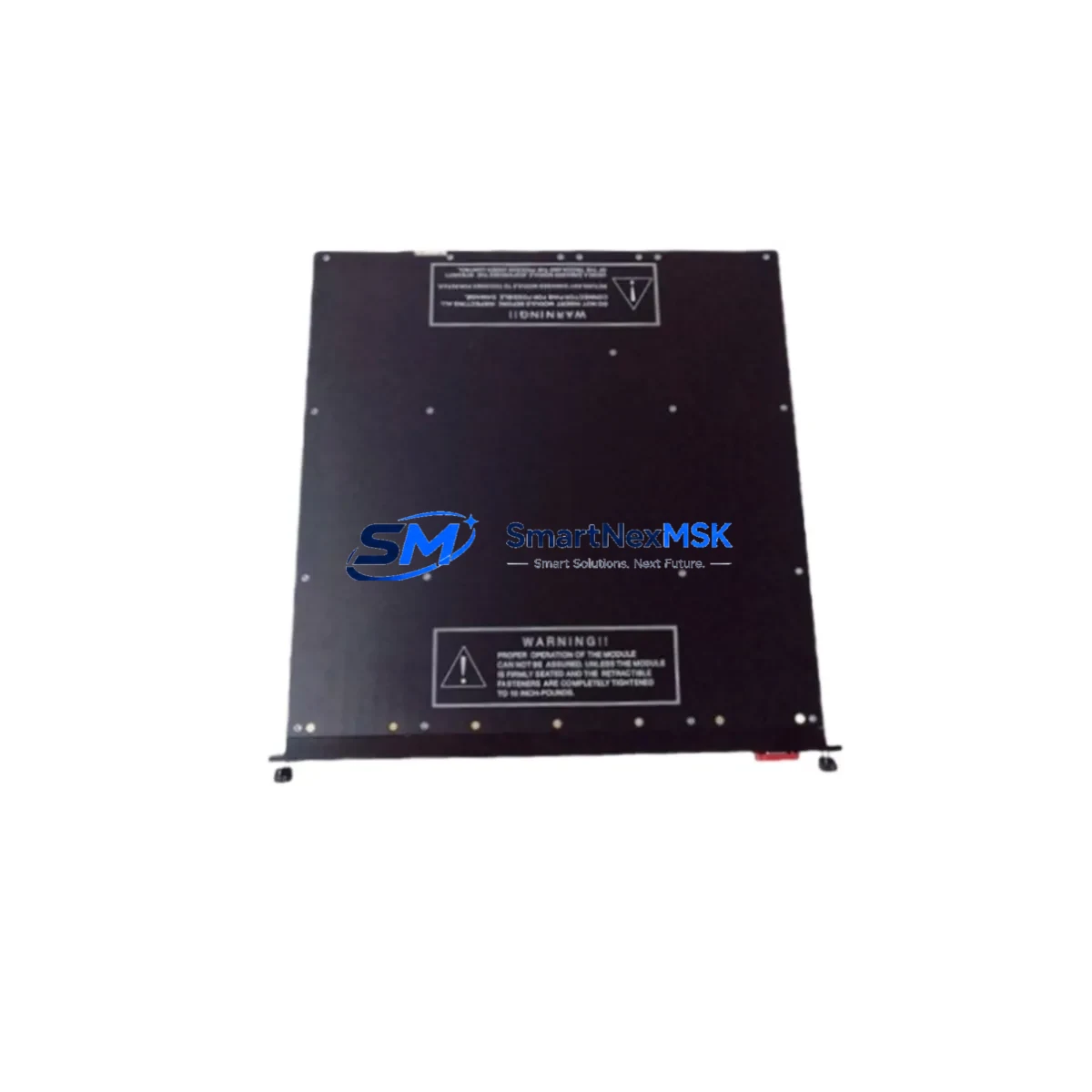
The Triconex 3706A is a 16-channel analog input module engineered for the Tricon Triple Modular Redundant (TMR) safety control platform. As aging Tricon systems approach end-of-support milestones, the 3706A serves as the definitive retrofit-ready replacement for discontinued analog input cards, enabling plant engineers to extend system life, restore SIL 3 integrity, and avoid costly full-system migrations. Whether you are replacing a failed module in an active safety instrumented system (SIS), upgrading a legacy Tricon v9 or v10 chassis, or consolidating spare-parts inventory, the 3706A delivers verified drop-in compatibility with minimal engineering rework.
Sourced from authorized channels and subjected to pre-shipment functional testing, each unit ships with a 12-month warranty covering manufacturing defects and operational failures under normal SIS service conditions. Global logistics support ensures delivery to refineries, petrochemical plants, offshore platforms, and power generation facilities worldwide.
Upgrade Compatibility Table
| Parameter | Triconex 3706A | Notes / Retrofit Guidance |
|---|---|---|
| Module Type | 16-Channel Analog Input | Direct replacement for 3706 and compatible legacy AI cards |
| Platform Compatibility | Tricon TMR (v9, v10, v11) | Verify chassis backplane revision before installation |
| Signal Range | 4–20 mA / 1–5 VDC | Confirm field wiring termination type on existing I/O termination panel |
| Backplane Interface | Tricon proprietary TMR bus | Compatible with standard Tricon main chassis and expansion chassis |
| Module Address | Slot-based, configured via TriStation 1131 | Re-use existing slot address; no program re-download required in most cases |
| Communication Protocol | Tricon internal TMR bus; Modbus RTU / TCP via MP (Main Processor) | No protocol migration required; existing Modbus maps remain valid |
| Installation Requirement | Hot-swap capable (chassis power ON) | Follow Triconex hot-swap procedure; confirm chassis is in RUN state |
| Replacement Candidates | 3706, 3703E, 3704E (with wiring adapter) | Verify I/O termination panel model; adapter may be required for 3703E/3704E |
| Commissioning Focus | Channel calibration, fault diagnostics, SIL verification | Run TriStation 1131 diagnostics post-installation; verify all 16 channels report correctly |
| Warranty | 12 Months | Covers manufacturing defects and operational failures under normal SIS service |
Retrofit Planning for Existing Automation Systems
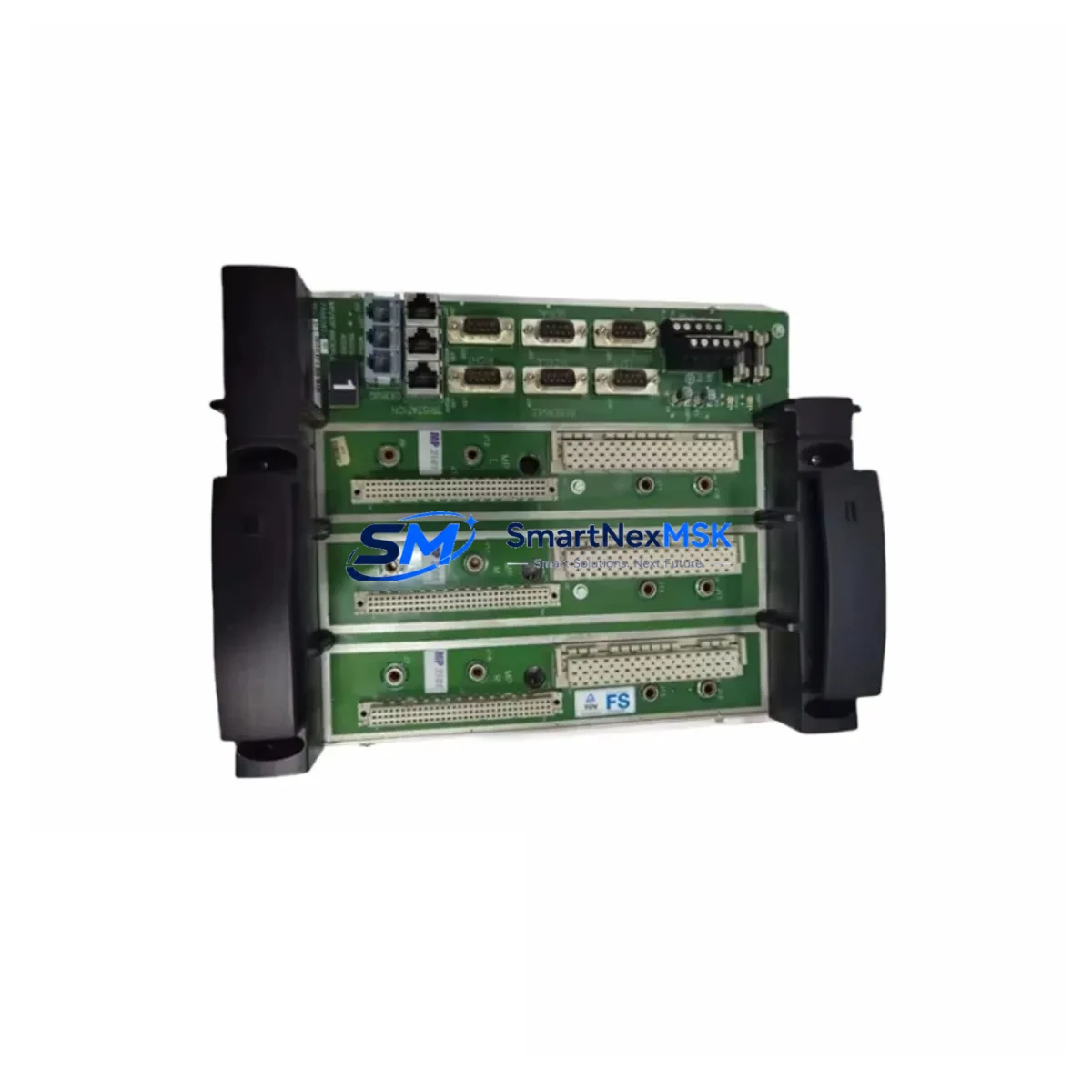
A successful Tricon retrofit begins well before the module arrives on site. Engineers must audit the existing Tricon Main Chassis or Tricon Expansion Chassis to confirm available slot positions, backplane revision, and power budget. The Tricon Power Supply Module (typically a 8312 or 8310 series unit) must be verified to support the additional current draw of the replacement 3706A, particularly in high-density I/O configurations where multiple analog input and analog output modules share a single chassis.
Field wiring connects to the system via the Tricon I/O Termination Panel, which must match the 3706A’s terminal layout. In legacy installations using older termination assemblies designed for the 3703E or 3704E, a wiring adapter or re-termination may be required. Document all field terminal assignments before disconnecting any wiring, and photograph the existing termination panel for reference during recommissioning.
The Tricon Main Processor (MP) module — such as the 4351B or 4352 — manages all inter-module communication across the TMR bus. When replacing an analog input module, the MP does not require a firmware update in most v10 and v11 installations, but engineers should confirm the TriStation 1131 project file’s I/O configuration matches the replacement module’s channel count and signal type. If the plant uses a Tricon Communication Module (TCM) for Modbus TCP or OPC connectivity to the DCS or historian, verify that the existing tag database correctly maps to the 3706A’s channel addresses post-swap.
For plants running a hybrid control architecture — where the Tricon SIS interfaces with a Triconex Trident or a third-party DCS such as a Honeywell Experion or Emerson DeltaV — the analog input signals from the 3706A feed into the safety logic solver and are also mirrored to the DCS via hardwired or serial links. Confirm that the DCS I/O cards receiving these signals are correctly ranged and that any HART pass-through functionality required for field device diagnostics is preserved after the module swap.
Where the retrofit scope extends beyond a single module replacement to a broader control cabinet upgrade, engineers should also assess the condition of the Tricon chassis backplane, cabinet power distribution, and any Modbus RTU communication cables connecting the Tricon to remote I/O panels or third-party equipment. Replacing the 3706A in conjunction with a scheduled cabinet inspection minimizes future unplanned downtime and ensures the entire SIS remains within its validated safety lifecycle.
Downtime Control During System Migration
Minimizing process interruption during a Tricon analog input module replacement requires a structured hot-swap procedure. The Tricon TMR architecture is specifically designed to tolerate single-module removal and reinsertion while the system remains in RUN state, provided the chassis is healthy and the remaining two legs of the TMR triad maintain voting integrity. Before initiating the swap, confirm in TriStation 1131 that the target slot shows a module fault or degraded status — never remove a healthy module from a running system without a documented bypass authorization.
Prior to physical removal, place the affected channels in a manual bypass state within the safety logic or at the DCS level, ensuring that field devices connected to the 3706A’s inputs do not trigger spurious shutdowns during the swap window. Coordinate with the control room operator to acknowledge any alarms generated by the module removal. Keep the bypass window as short as possible — a pre-staged, tested replacement 3706A should be on hand before the bypass is initiated.
After inserting the replacement module, TriStation 1131 will automatically detect the new card and begin its self-test sequence. Monitor the module status LEDs and the TriStation diagnostics screen to confirm all 16 channels transition from FAULT to HEALTHY. Verify that analog input values displayed in the DCS or HMI match expected field readings before releasing the manual bypass. Document the swap time, module serial numbers, and post-installation diagnostic results in the plant’s maintenance management system to support SIL verification records and future audits.
For sites where a hot-swap is not permissible due to process safety requirements, plan the replacement during a scheduled shutdown window. Use the downtime to also inspect the Tricon chassis backplane connectors, clean the card cage, and verify the torque on all field terminal screws — tasks that are difficult to perform safely during live operation.
Retrofit Support FAQ
Q1: Is the Triconex 3706A a direct drop-in replacement for the 3706 and older 3703E/3704E analog input modules?
The 3706A is a direct replacement for the 3706 with no wiring changes required. Replacing a 3703E or 3704E requires verification of the I/O termination panel model — if the termination panel was designed for the earlier module, a wiring adapter or re-termination to a compatible panel may be necessary. Confirm the termination assembly part number before ordering.
Q2: Will I need to modify my TriStation 1131 program after installing the 3706A?
In most cases, no program modification is required. The 3706A occupies the same slot address as its predecessor, and the TriStation 1131 project file will recognize it automatically. However, if the original program was written for a module with a different channel count or signal type, the I/O configuration section of the project must be updated and a new download performed during a safe maintenance window.
Q3: How is the 3706A tested before shipment, and what does the 12-month warranty cover?
Each 3706A undergoes pre-shipment functional testing that verifies channel-level analog input accuracy, TMR bus communication, and self-diagnostic operation. The 12-month warranty covers manufacturing defects and operational failures arising under normal SIS service conditions. It does not cover damage resulting from incorrect installation, overvoltage, or use outside the module’s rated environmental specifications.
Q4: Can the 3706A be installed while the Tricon system is running (hot-swap)?
Yes, the Tricon TMR architecture supports hot-swap of I/O modules while the system remains in RUN state, subject to the chassis being in a healthy two-of-three voting condition. Always follow the Triconex hot-swap procedure documented in the Tricon System Planning and Installation Guide, place affected channels in bypass before removal, and confirm all channels return to HEALTHY status in TriStation 1131 before releasing the bypass.
© 2026 SMARTNEXMSK. All rights reserved.
Original Source: https://smartnexmsk.com
Contact: [email protected] | +86 18259474341