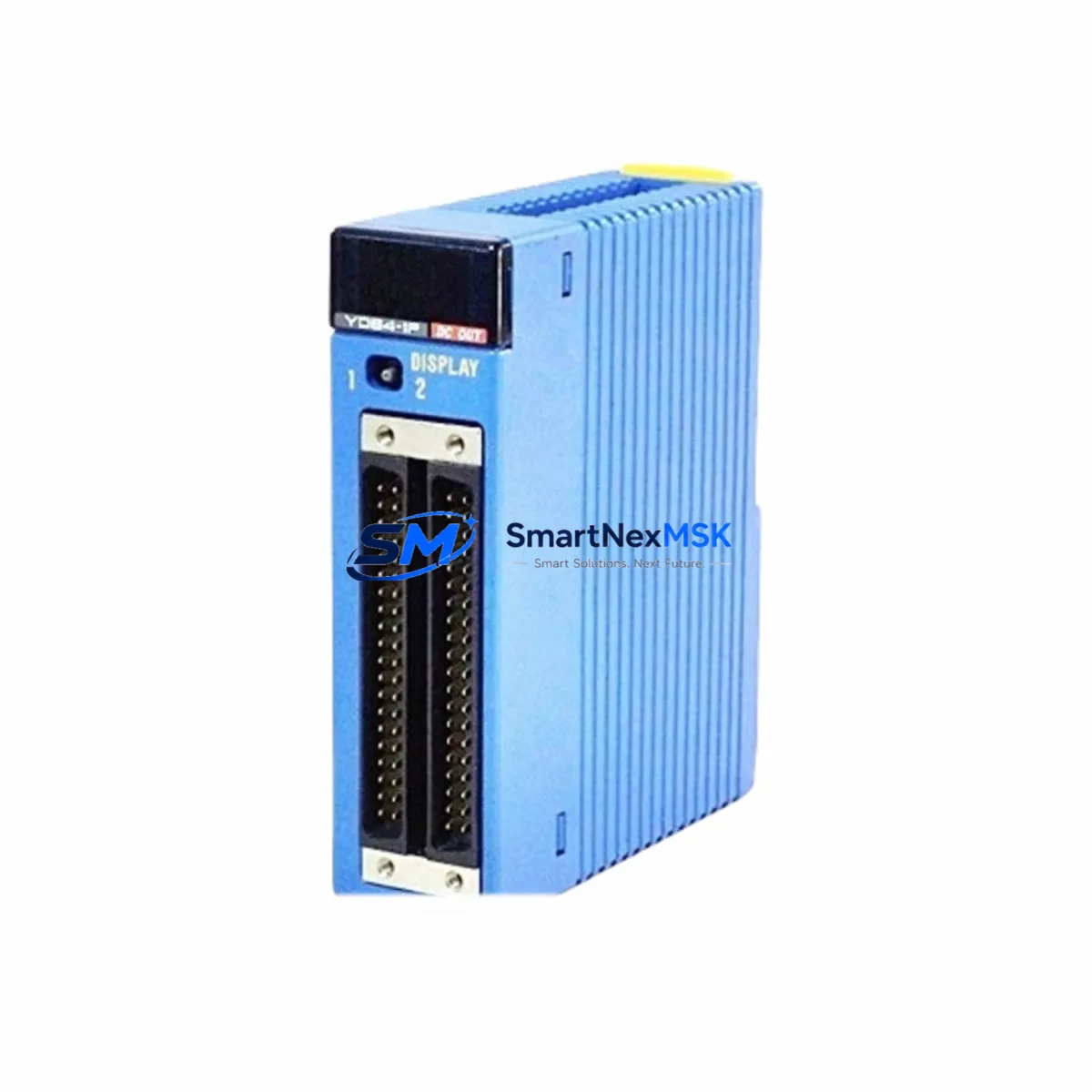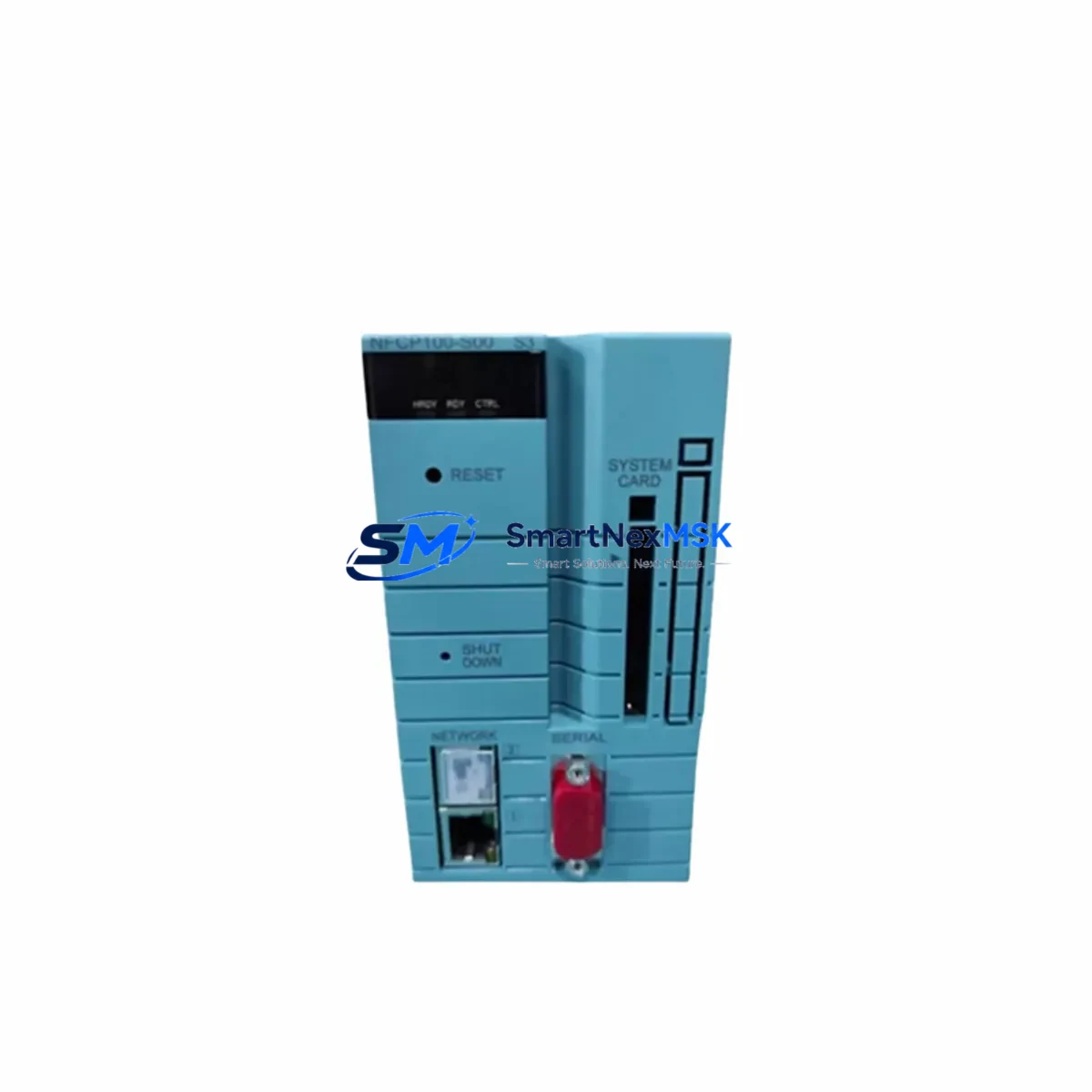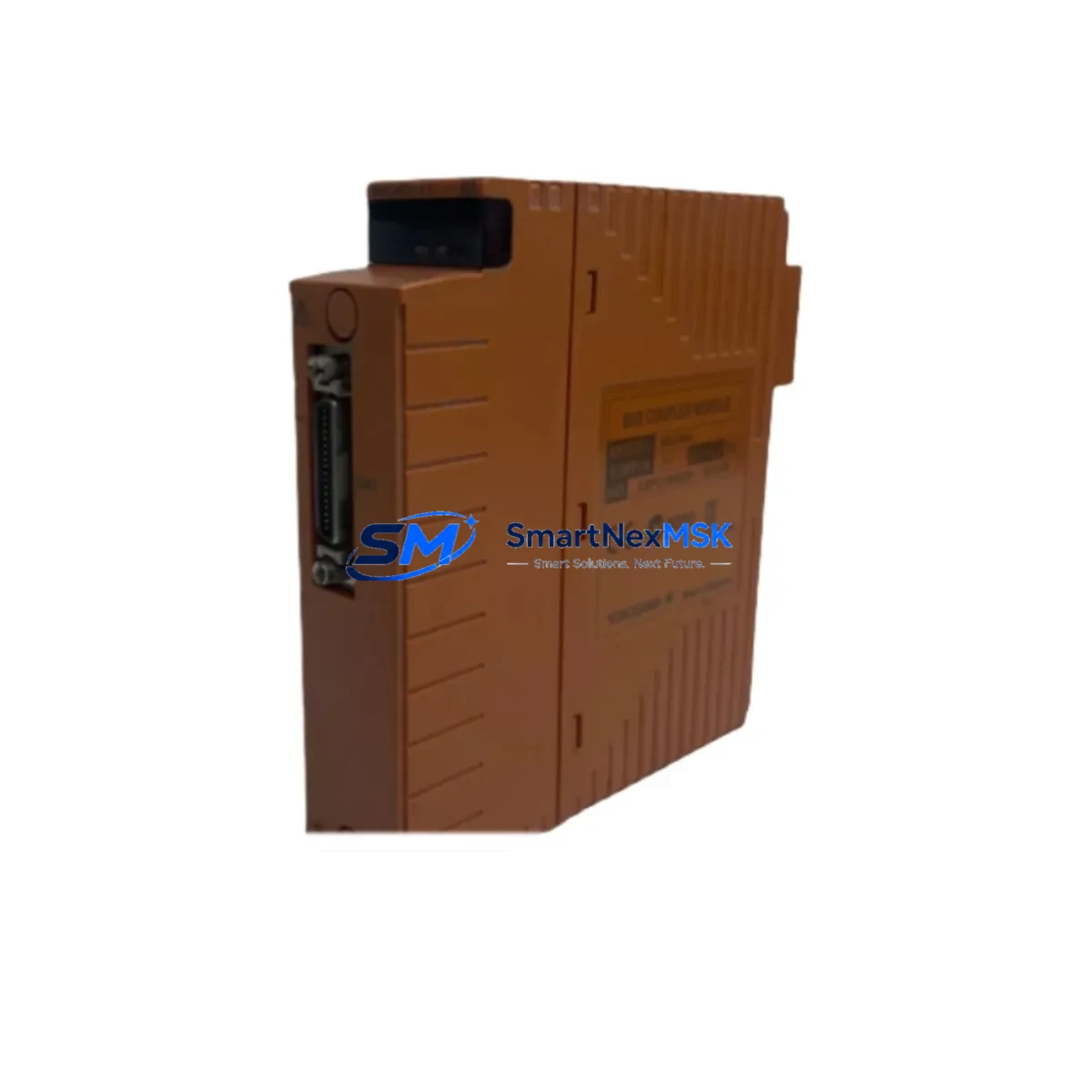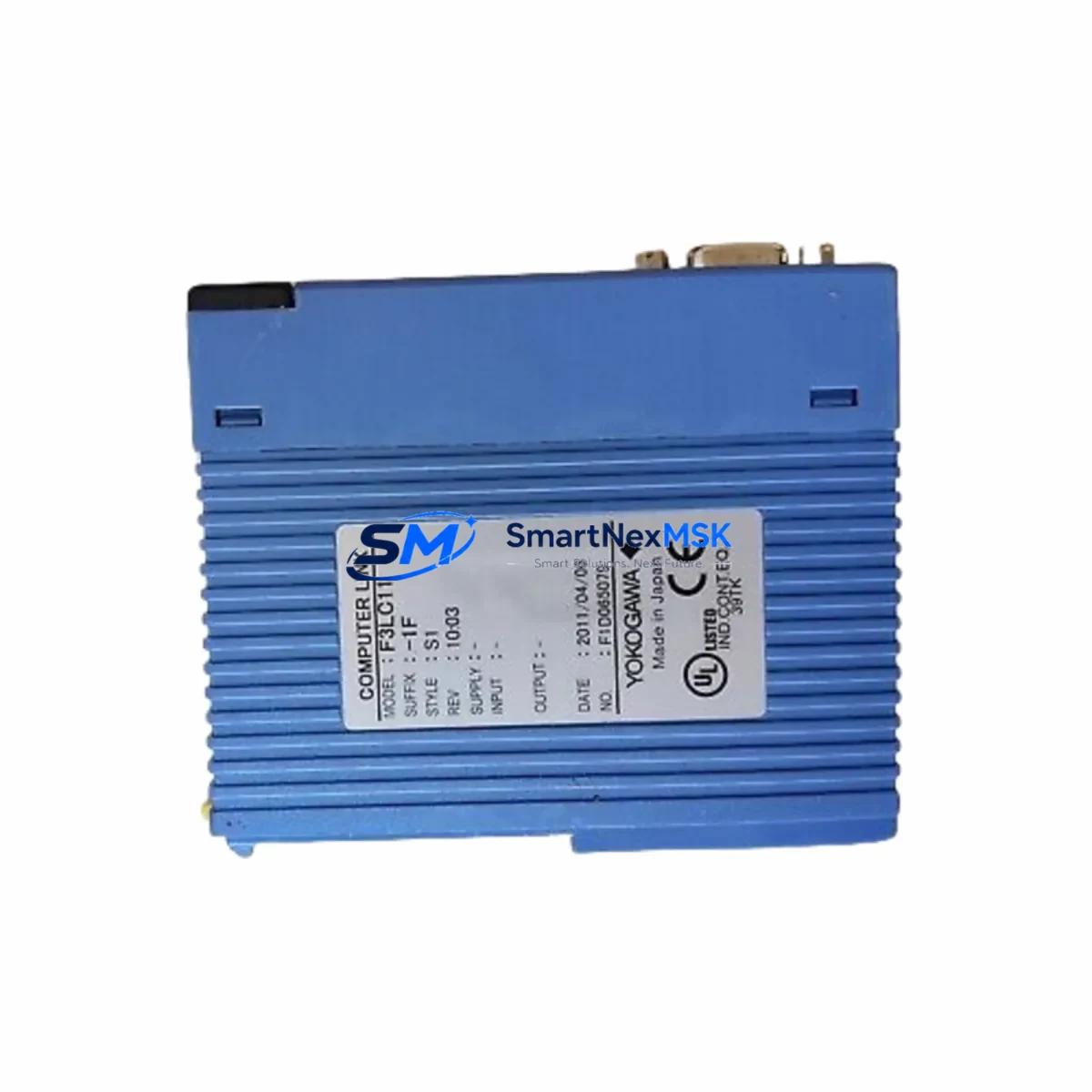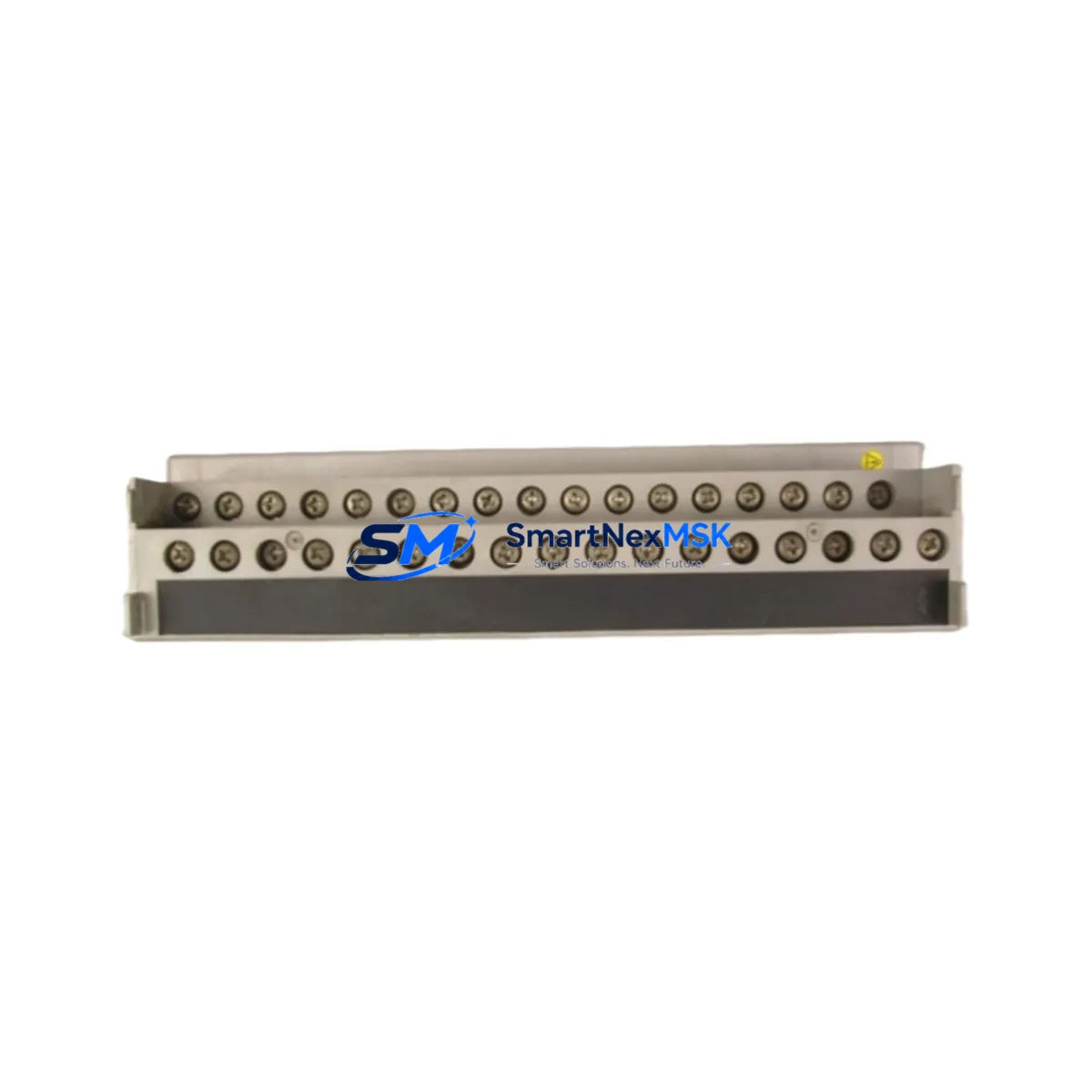
Yokogawa A2EE2A-T S1 Maintenance-Ready Spare for CENTUM Automation
The Yokogawa A2EE2A-T S1 is a 32-channel digital input module designed for use within the CENTUM VP and CENTUM CS 3000 distributed control system platforms. As a critical field I/O component, this module handles discrete signal acquisition from field devices including limit switches, proximity sensors, valve position feedback, and process interlock circuits. For maintenance engineers managing aging DCS infrastructure, securing a verified original spare of the A2EE2A-T S1 is a foundational step in any planned maintenance or emergency recovery strategy.
In facilities where CENTUM VP or CS 3000 systems have been in continuous operation for ten or more years, the A2EE2A-T S1 module is frequently identified during scheduled cabinet inspections as a high-priority replacement candidate. Capacitor aging, connector wear, and accumulated thermal stress can degrade signal integrity over time, leading to intermittent input faults that are difficult to isolate without a verified replacement unit on hand. Stocking this module as a ready spare eliminates the risk of extended downtime caused by sourcing delays for discontinued or long-lead-time components.
When planning a replacement of the A2EE2A-T S1, maintenance and procurement engineers should also review the condition of adjacent system components. The AFV10D field control station power supply unit, which provides regulated DC power to the I/O bus, should be inspected for output voltage stability before installing a new input module. Similarly, the ANB10D node interface unit that manages communication between the field control station and the I/O modules should be confirmed as fully operational to avoid misdiagnosing a communication fault as a module failure.
Terminal wiring connected to the A2EE2A-T S1 via the ATD series terminal boards should be inspected for corrosion, loose ferrules, and insulation degradation. The ATD5D and ATD5S terminal boards used with this module series are direct-connect components that must be verified for continuity before the replacement module is powered. Technicians should also confirm that the field signal voltage levels — typically 24 VDC for discrete inputs — are within the module’s rated input range and that field-side fusing is intact.
In CENTUM VP systems, the A2EE2A-T S1 module address is assigned through the hardware configuration in the System View engineering tool. Before removing the faulty module, engineers should document the node address, slot position, and I/O tag assignments to ensure the replacement module is correctly recognized by the field control station. If the system is running CENTUM VP R6 or later, the hot-standby configuration of the FCS should be verified to confirm whether a bumpless switchover is possible during the replacement procedure, minimizing impact on the running process.
For facilities transitioning from CENTUM CS 3000 to CENTUM VP, the A2EE2A-T S1 is compatible with both platforms, making it a practical bridge component during phased migration projects. During such migrations, the AAI141-S00 analog input module and the AAI841-S00 analog output module are commonly replaced in parallel with digital I/O modules to standardize the I/O architecture across the upgraded field control stations. The ACF11 communication module, used for FOUNDATION Fieldbus or PROFIBUS integration, may also require firmware verification when the host FCS is upgraded.
Procurement engineers sourcing the A2EE2A-T S1 for long-term inventory should also consider stocking the AIP588 I/O power supply module and the AVR10D voltage regulator module as complementary spares. These power-side components share the same maintenance cycle as the digital input modules and are frequently replaced together during major cabinet overhauls. Having these units available in the same spare parts kit reduces the number of separate procurement events and shortens the overall maintenance window.
All A2EE2A-T S1 units supplied by SMARTNEXMSK are sourced from verified channels, inspected prior to shipment, and covered by a 12-month warranty. Each unit is tested for functional integrity before dispatch to ensure it meets Yokogawa’s original performance specifications.
Spare Maintenance Table
| Parameter | Specification |
|---|---|
| SKU | A2EE2A-T S1 |
| Brand | Yokogawa |
| Series | CENTUM VP / CENTUM CS 3000 |
| Module Type | 32-Channel Digital Input Module |
| Input Signal | 24 VDC Discrete (Contact / Transistor) |
| Channel Count | 32 Channels |
| Communication | Vnet/IP (CENTUM VP) / V-net (CS 3000) |
| Mounting | CENTUM I/O Node Rack (ANR series) |
| Origin | Japan |
| Compatibility | CENTUM VP R4–R6, CENTUM CS 3000 R3 |
| Warranty | 12 Months |
| Condition | Original, Tested Before Shipment |
| Lead Time | In Stock — Ships Within 3 Business Days |
Maintenance Planning for Continuous Operation
Effective maintenance planning for CENTUM VP and CS 3000 systems requires a systematic approach to spare parts inventory that goes beyond individual module replacement. When the A2EE2A-T S1 is identified as a replacement candidate during a scheduled inspection, the maintenance plan should simultaneously address the condition of the ANB10D node interface unit, which manages the I/O bus communication for the entire node. A degraded node interface can cause multiple modules to report faults simultaneously, making it essential to verify its status before concluding that the digital input module alone is responsible for the fault condition.
The AFV10D field control station power supply should be load-tested to confirm it can sustain the full I/O node current draw after the replacement module is installed. Power supply degradation is a common root cause of intermittent module faults in aging CENTUM cabinets and is frequently overlooked during fault isolation. The AIP588 I/O power supply module, which provides localized power to the I/O node, should also be inspected and replaced if its output voltage is outside the ±2% tolerance band.
Terminal board integrity is a critical factor in successful module replacement. The ATD5D and ATD5S terminal boards connected to the A2EE2A-T S1 should be inspected for oxidized contacts, loose terminal screws, and damaged wiring ferrules. In high-humidity or chemically aggressive environments, terminal board corrosion can introduce signal errors that persist even after the module is replaced. Replacing the terminal board in conjunction with the input module is recommended when the installation is more than seven years old.
For facilities that use CENTUM VP with redundant FCS configurations, the AFS10D field control station module and its redundant counterpart should be verified for synchronized operation before and after the I/O module replacement. The ACF11 communication module used for external network integration should also be checked for firmware compatibility with the current FCS software version. In systems where the AVR10D voltage regulator module is installed, its output should be confirmed stable before the replacement module is powered up.
Procurement teams should maintain a minimum stock of two A2EE2A-T S1 modules per facility, supplemented by one spare ATD5D terminal board, one AFV10D power supply, and one ANB10D node interface unit. This spare parts kit covers the most common failure modes in CENTUM I/O nodes and enables a complete node restoration within a single maintenance shift.
Site Replacement Workflow
Before beginning the physical replacement of the A2EE2A-T S1, the maintenance engineer should confirm the current alarm status in the CENTUM VP HIS (Human Interface Station) and document all active and suppressed alarms associated with the affected I/O node. The node address and slot position of the faulty module should be recorded from the System View hardware configuration to ensure the replacement module is installed in the correct slot.
If the FCS is configured in hot-standby mode, the standby FCS should be confirmed as fully synchronized before the replacement begins. The I/O node can then be taken offline on the primary FCS while the standby FCS maintains process control, eliminating the need for a full process shutdown. In non-redundant FCS configurations, the replacement should be coordinated with the process control team to schedule a brief controlled shutdown of the affected I/O circuits.
After installing the replacement A2EE2A-T S1, the engineer should power up the node and verify that the module is recognized by the FCS in System View. Each of the 32 input channels should be individually verified against the field device status to confirm correct signal mapping. Any discrepancies in channel assignment should be resolved by cross-referencing the I/O tag list in the CENTUM VP engineering database before returning the node to service.
Post-replacement commissioning should include a 30-minute observation period during which all input channels are monitored for stability. The maintenance record should document the module serial number, installation date, slot position, and the results of the channel verification test. This record supports future maintenance planning and warranty claim processing if required.
Spare Parts Support FAQ
Q: Is the A2EE2A-T S1 compatible with both CENTUM VP and CENTUM CS 3000?
A: Yes. The A2EE2A-T S1 is designed for use in both CENTUM VP (R4 through R6) and CENTUM CS 3000 (R3) I/O node configurations. It is slot-compatible with the ANR series node racks used in both platforms, making it a practical spare for facilities operating mixed-generation CENTUM systems.
Q: What pre-installation checks are required before fitting the replacement module?
A: Before installation, verify the I/O node power supply output (AFV10D or AIP588), inspect the ATD series terminal board for wiring integrity, confirm the node address and slot assignment in System View, and ensure the FCS is in the correct operational mode for a hot or cold replacement procedure.
Q: How is the module tested before shipment?
A: Each A2EE2A-T S1 unit is functionally tested prior to dispatch. Testing covers power-on initialization, channel input response, and communication handshake with the node interface. A test report is available upon request for quality-critical procurement requirements.
Q: What does the 12-month warranty cover?
A: The 12-month warranty covers manufacturing defects and functional failures under normal operating conditions. It does not cover damage resulting from incorrect installation, overvoltage events, or physical mishandling. Warranty claims are processed through SMARTNEXMSK’s technical support team with a target response time of two business days.
© 2026 SMARTNEXMSK. All rights reserved.
Original Source: https://smartnexmsk.com
Contact: [email protected] | +86 18259474341