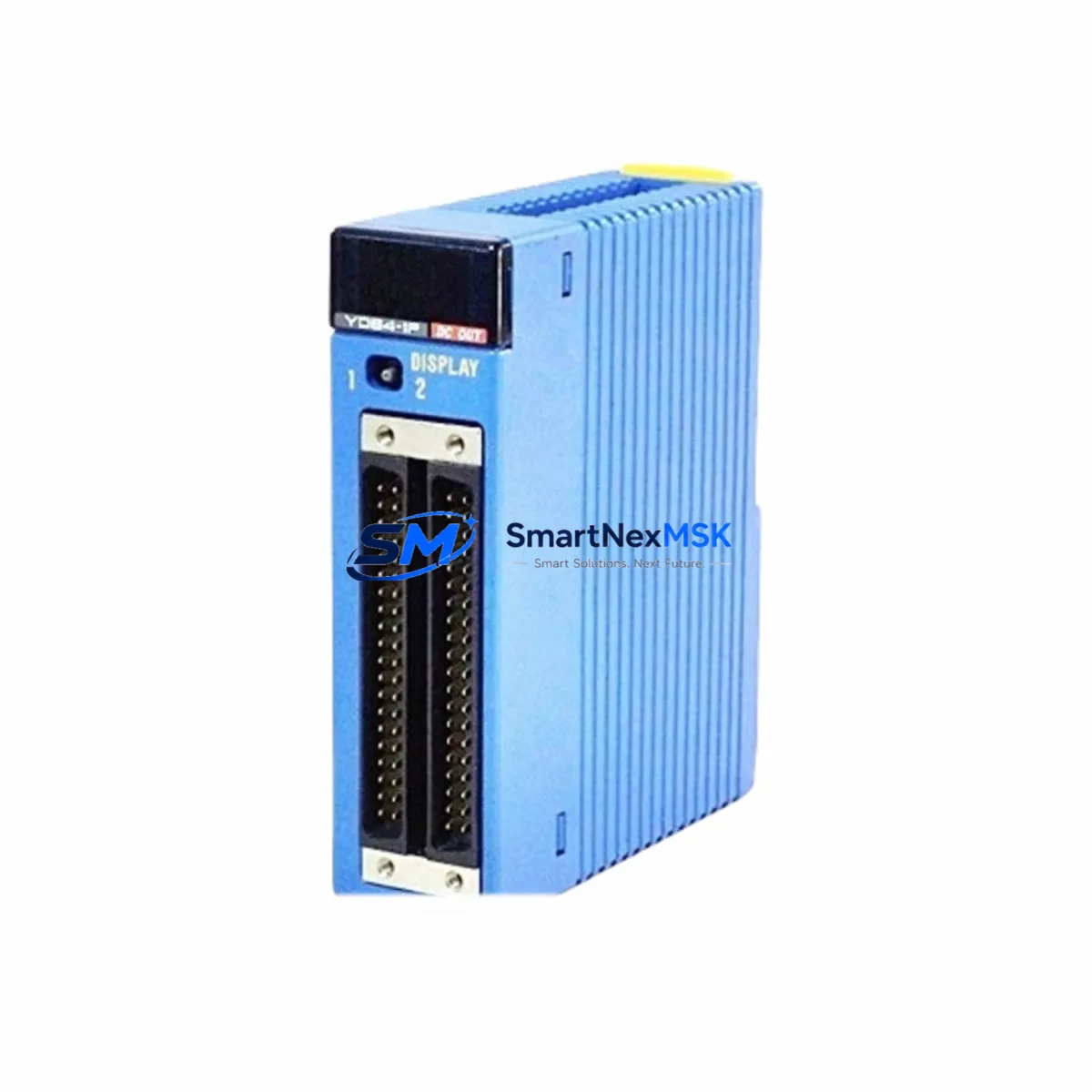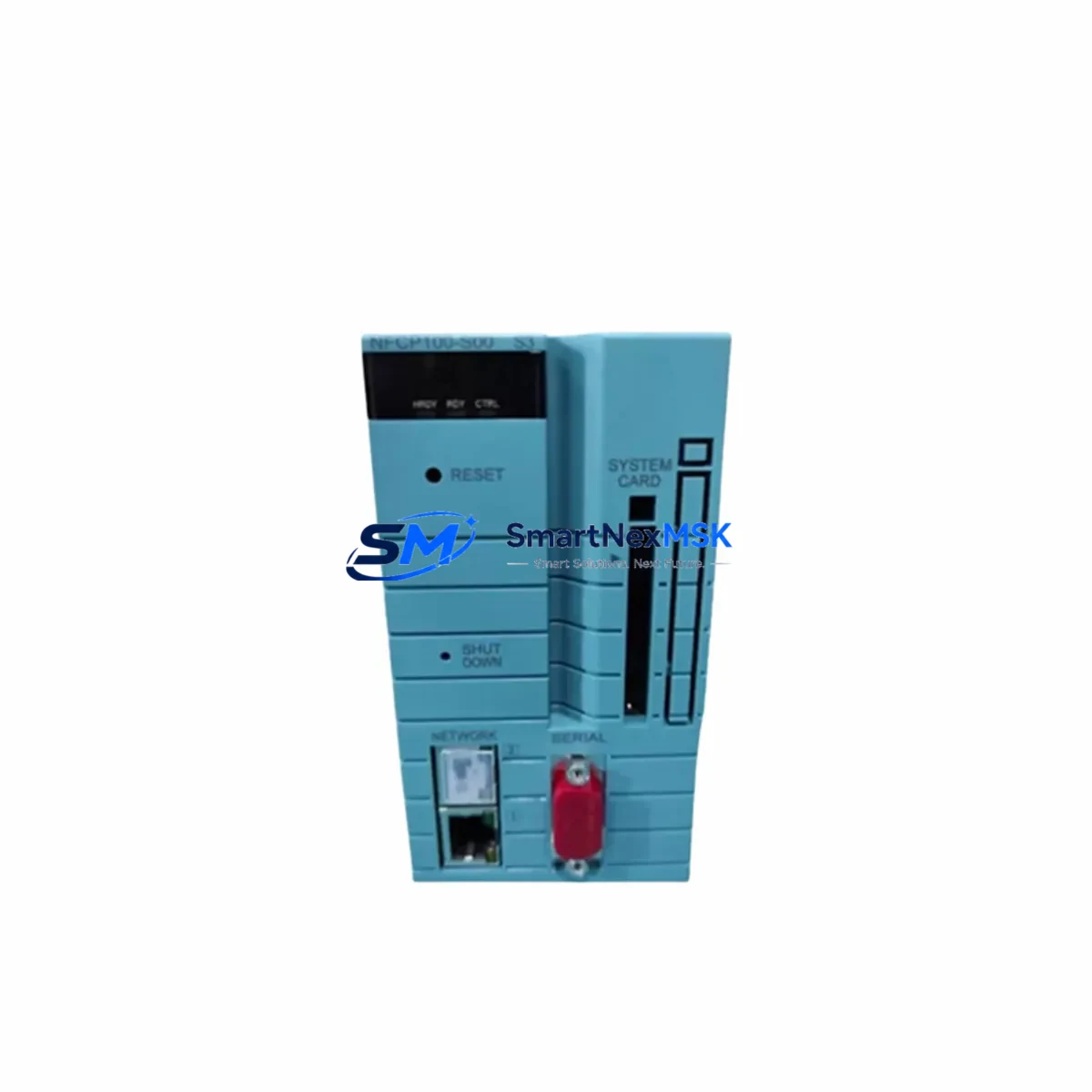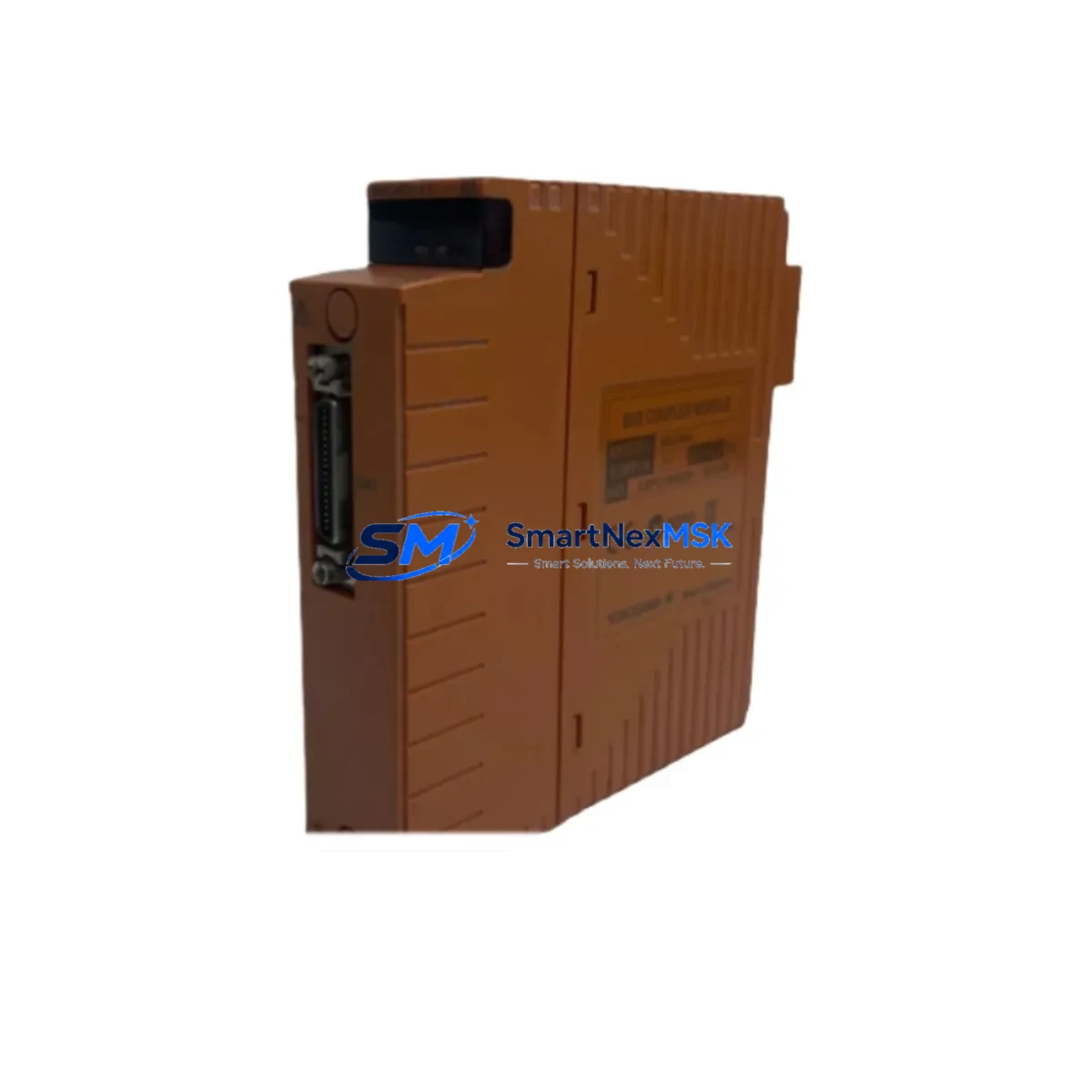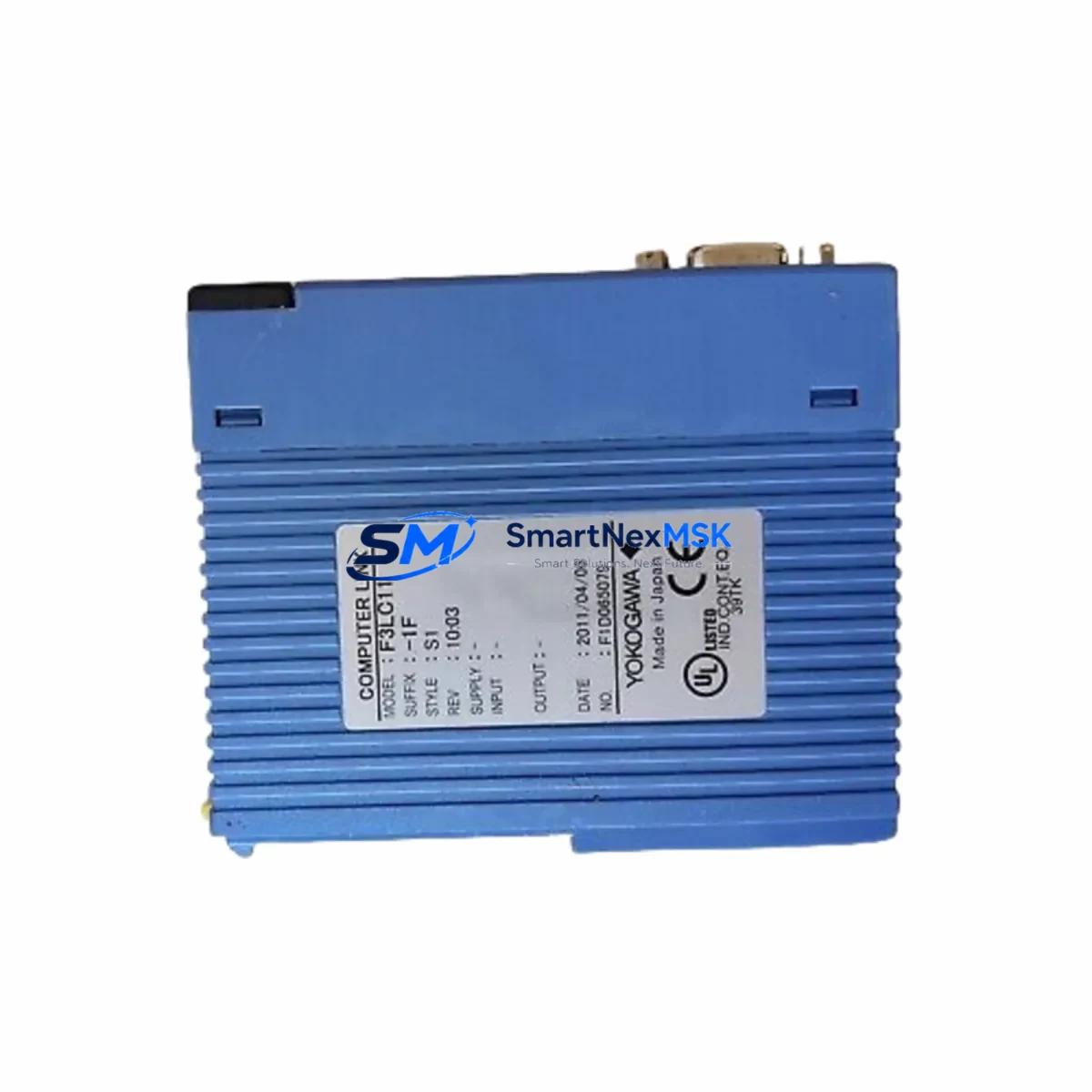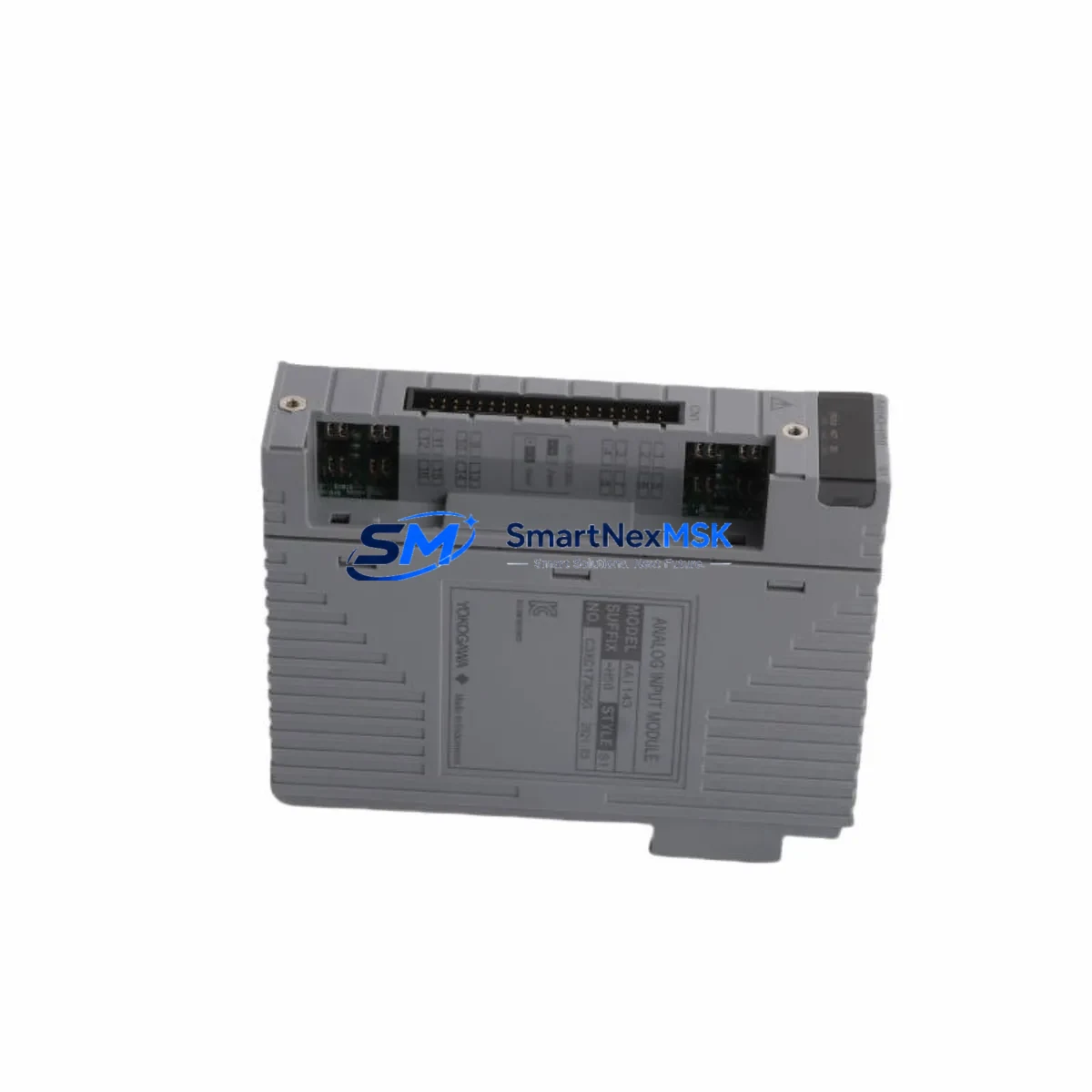
Yokogawa AAI143-H03 Retrofit-Ready Analog I/O for CENTUM VP Control Systems
The Yokogawa AAI143-H03 is a high-density analog input module designed for seamless integration into CENTUM VP distributed control systems. As legacy DCS installations age and original spare parts become increasingly scarce, the AAI143-H03 serves as a verified drop-in replacement for discontinued analog I/O modules across the CENTUM CS 3000 and CENTUM VP platform families. Whether you are managing a planned control system upgrade, responding to an unplanned module failure, or executing a phased migration from an older Yokogawa platform, the AAI143-H03 delivers the compatibility, reliability, and documentation support that industrial automation engineers require.
This module supports 16-channel analog input with 4–20 mA signal range and HART pass-through capability, making it directly compatible with existing field wiring in most CENTUM VP cabinets. The AAI143-H03 mounts into standard Yokogawa I/O nest assemblies and communicates over the Vnet/IP control bus without requiring firmware reconfiguration in most retrofit scenarios. For sites running CENTUM CS 3000 R3 or earlier, a software compatibility review is recommended prior to installation to confirm builder database alignment.
Upgrade Compatibility Table
| Parameter | Details |
|---|---|
| Compatible Platform | Yokogawa CENTUM VP, CENTUM CS 3000 |
| Module Type | 16-Channel Analog Input (4–20 mA / HART) |
| Communication Protocol | Vnet/IP (V net compatible) |
| Mounting / Backplane | Standard Yokogawa I/O Nest (ANB10D / ANB11D compatible) |
| Terminal Wiring | Direct field-wiring compatible; no rewiring required in most installations |
| Replacement Target | AAI141-H03, AAI135-H03, AAI143-H00 (discontinued variants) |
| Address Configuration | Module address set via nest slot position; no DIP switch change required |
| HMI Compatibility | CENTUM VP HIS / Exaopc OPC server — no tag remapping required |
| Commissioning Requirement | Builder download recommended; field loop check advised |
| Warranty | 12 Months from date of shipment |
Retrofit Planning for Existing Automation Systems
Successful retrofit of the AAI143-H03 into an operating CENTUM VP system requires careful pre-installation planning. Engineers should begin by auditing the existing I/O nest configuration, confirming that the ANB10D or ANB11D nest assembly has an available slot and that the power supply module — typically the Yokogawa PW481 or PW482 — has sufficient capacity to support the additional module load. Power budget verification is a critical step that is frequently overlooked during emergency replacements and can result in unexpected system instability.
Field terminal wiring should be verified against the original loop drawings before the AAI143-H03 is seated. In most CENTUM VP installations, the terminal block wiring on the I/O nest is compatible with the AAI143-H03 without modification, but sites that previously used the AAI135-H03 or earlier AAI141-H03 variants should confirm signal polarity and shielding continuity. HART-enabled instruments connected to the loop will continue to communicate through the module’s HART pass-through without additional configuration.
For sites that also require communication module upgrades, the ALR111 Vnet/IP router and the ACM12 communication module are commonly deployed alongside analog I/O replacements to modernize the control bus infrastructure. If the retrofit scope includes expanding I/O capacity, additional ANB10D nest assemblies and the corresponding ESB bus coupler modules may be required to extend the I/O subsystem. Sites migrating from CENTUM CS 3000 to CENTUM VP should also account for the FCS (Field Control Station) firmware version, as the AAI143-H03 requires FCS R5.03 or later for full HART diagnostic support.
HMI configuration on the CENTUM VP HIS station typically does not require tag remapping when replacing a like-for-like analog input module. However, if the replacement involves a channel count change or a different module suffix variant, the Yokogawa System Builder tool should be used to update the IOM (I/O Module) definition and perform a partial download to the FCS without interrupting the running control strategy. The Exaopc OPC server configuration should also be reviewed to confirm that OPC item paths remain valid after the module swap.
For sites that require programming cable access during commissioning, the Yokogawa BT200 HART communicator or a compatible HART modem connected to the engineering workstation can be used to verify instrument configuration without breaking the 4–20 mA loop. The RM-series remote I/O modules and the STARDOM FCN/FCJ controllers are also commonly encountered in hybrid automation architectures where CENTUM VP manages the primary process and remote I/O nodes handle auxiliary control loops.
Downtime Control During System Migration
Minimizing unplanned downtime is the primary concern for any control system retrofit involving live production equipment. When replacing the AAI143-H03 in a running CENTUM VP system, the recommended approach is to place the affected FCS I/O node in manual control mode for all loops associated with the target module before initiating the physical swap. This preserves the last known output state on all connected final control elements and prevents process upsets caused by signal interruption during module removal.
The CENTUM VP system supports hot-swap of I/O modules in redundant configurations. For non-redundant I/O nodes, a brief signal interruption of approximately 2–5 seconds is expected during module replacement. Engineering teams should coordinate with the process operations team to confirm that the affected control loops can tolerate this interruption, or alternatively schedule the replacement during a planned maintenance window.
After the AAI143-H03 is seated and the nest power is restored, the FCS will automatically detect the new module and resume scanning within one control cycle. A loop check should be performed on all 16 channels to confirm signal integrity before returning the loops to automatic control. HART diagnostic data should also be verified through the Exaopc interface to confirm that instrument health monitoring is functioning correctly. All commissioning results should be documented and retained as part of the site’s change management records.
Retrofit Support FAQ
Q1: Is the AAI143-H03 a direct drop-in replacement for the AAI141-H03 and AAI135-H03?
In most CENTUM VP installations, yes. The AAI143-H03 uses the same nest slot form factor and terminal wiring as the AAI141-H03 and AAI135-H03. A System Builder partial download is recommended to update the IOM definition. Sites running CENTUM CS 3000 R3 or earlier should confirm FCS firmware compatibility before installation.
Q2: Does the module require address configuration after installation?
No manual address configuration is required. The AAI143-H03 derives its module address from the physical slot position in the I/O nest. Ensure the module is seated in the correct slot as defined in the System Builder project file.
Q3: What wiring changes are needed when retrofitting from an older analog input module?
In most cases, no wiring changes are required. The terminal block layout is compatible with standard CENTUM VP field wiring. Verify signal polarity, shielding, and loop power supply voltage before seating the module. HART instruments do not require reconfiguration.
Q4: What warranty and testing does the AAI143-H03 ship with?
Every AAI143-H03 unit ships with a 12-month warranty from the date of shipment. Each module undergoes pre-shipment functional testing to verify analog input accuracy, HART communication, and Vnet/IP bus recognition. A test report is available upon request.
© 2026 SMARTNEXMSK. All rights reserved.
Original Source: https://smartnexmsk.com
Contact: [email protected] | +86 18259474341