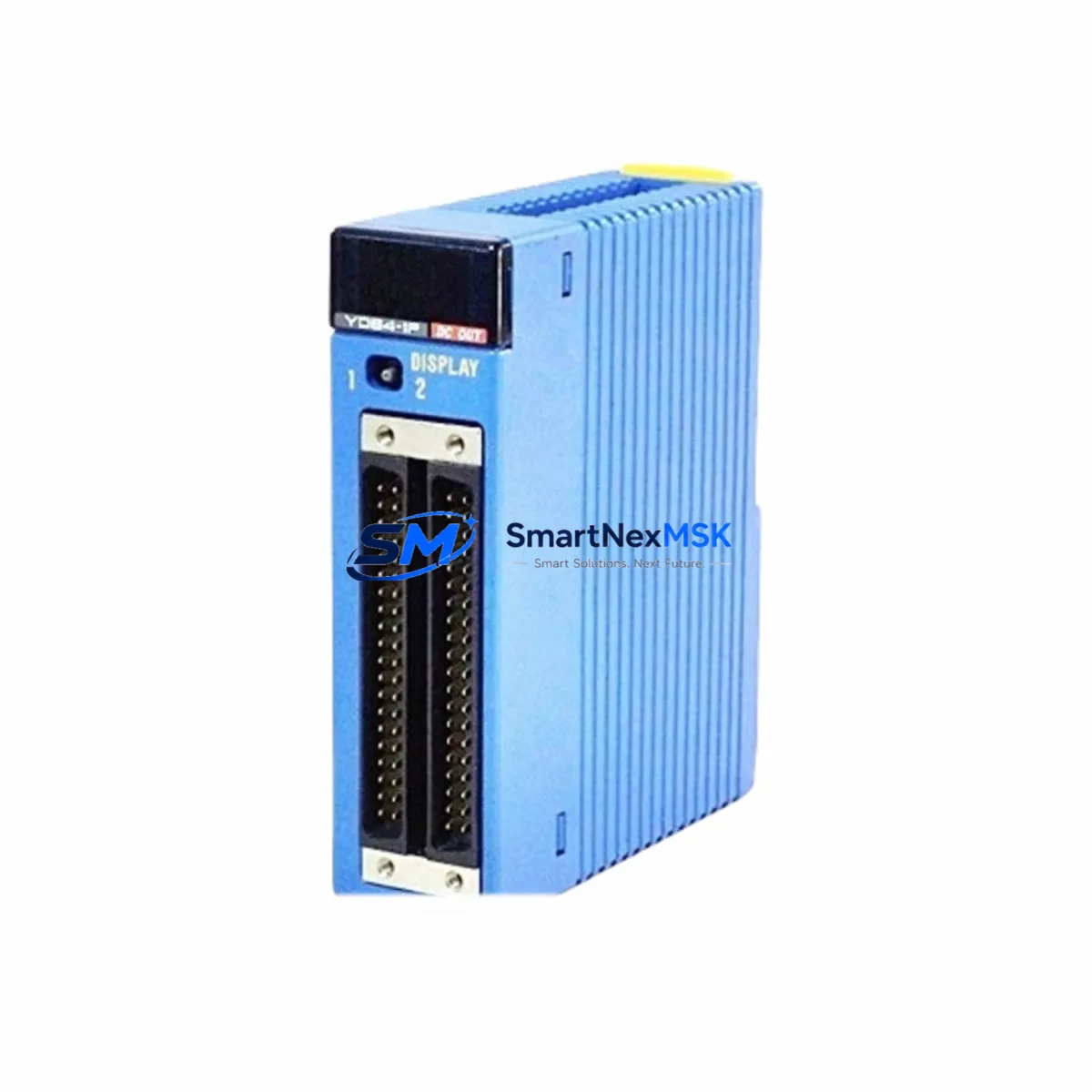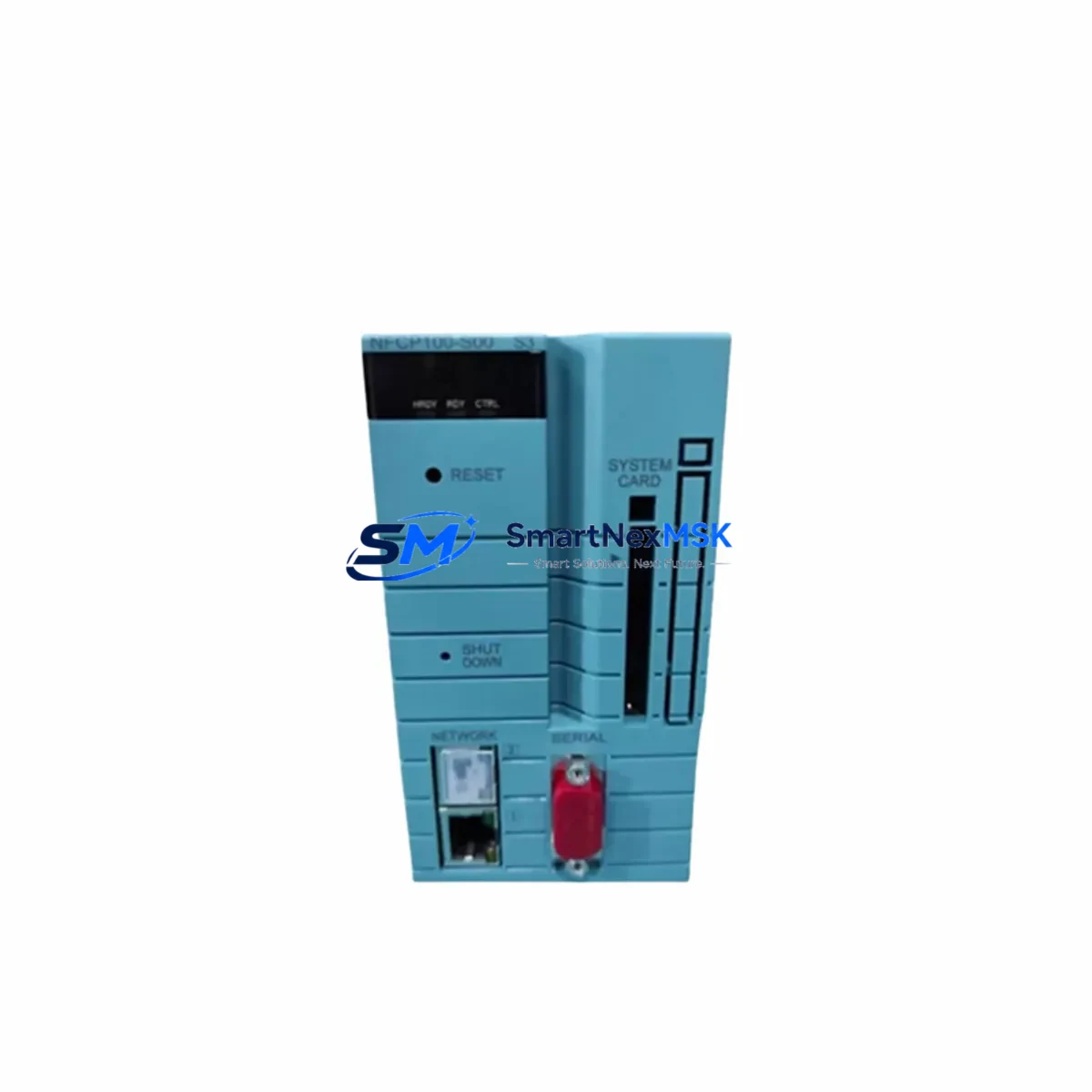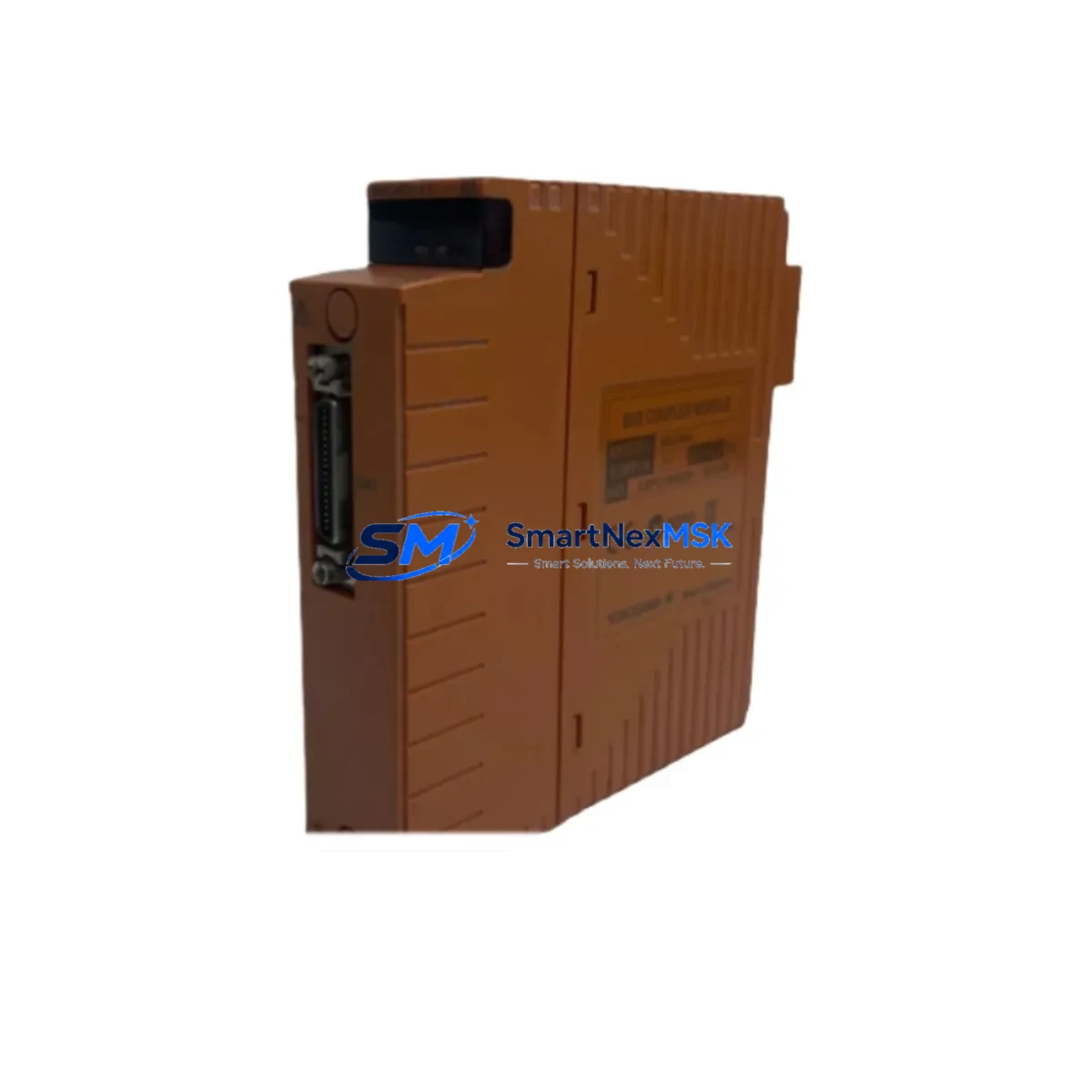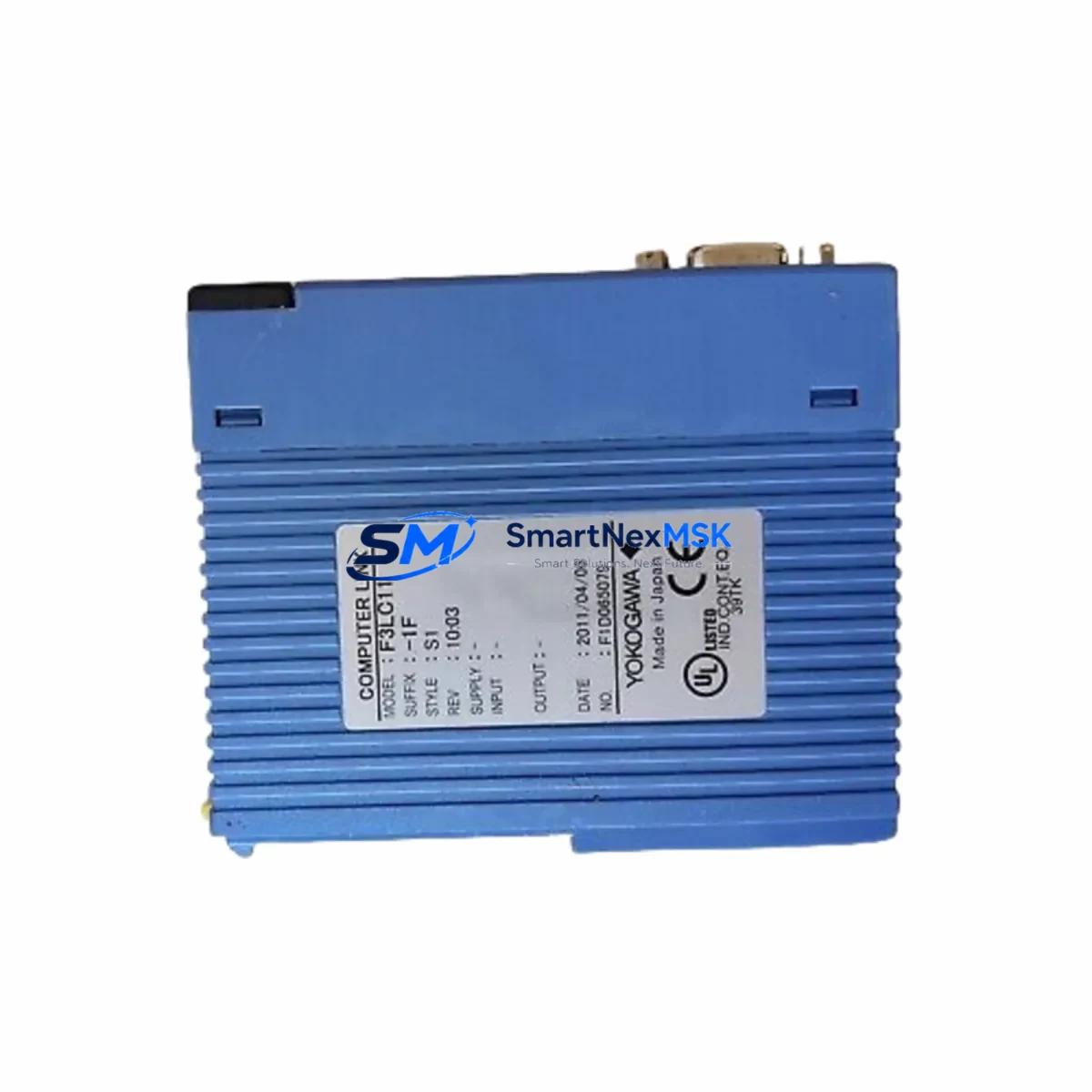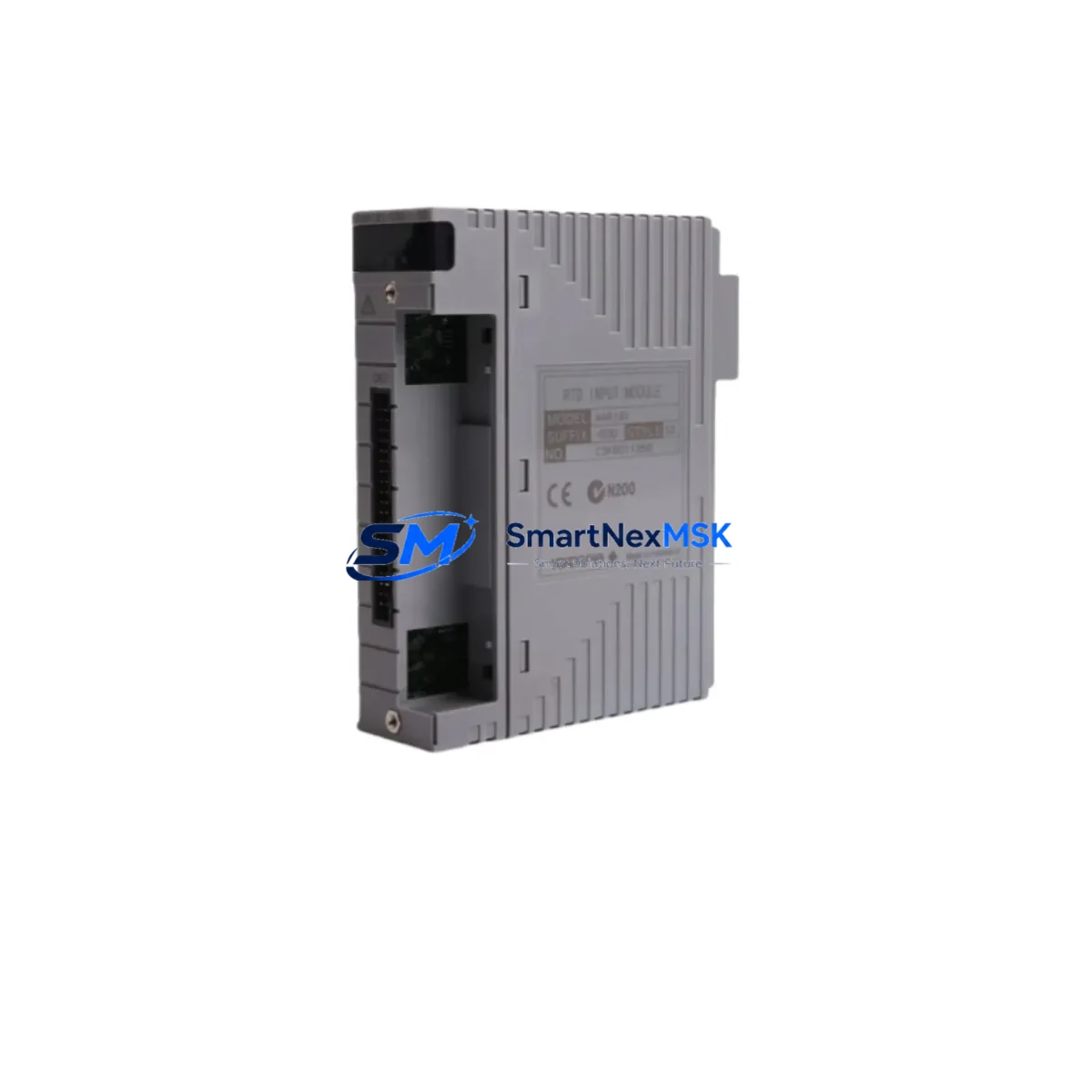
YOKOGAWA AAP135-S50: Retrofit-Ready Pulse Input Module for CENTUM VP & CS 3000 Control Systems
The YOKOGAWA AAP135-S50 is a high-precision pulse input module engineered for seamless integration into CENTUM VP and CS 3000 distributed control system (DCS) architectures. As legacy automation infrastructure ages and OEM support windows close, the AAP135-S50 has become a critical retrofit component for process plants, power utilities, and manufacturing facilities seeking to extend the operational life of their existing control platforms without committing to a full system migration.
Whether you are replacing a failed module on an active production line, upgrading a control cabinet to accommodate new I/O requirements, or migrating from a CS 3000 platform to CENTUM VP, the AAP135-S50 delivers the electrical and functional compatibility required for a smooth, low-risk transition. Each unit shipped by SMARTNEXMSK undergoes pre-shipment functional verification, and is backed by a 12-month warranty covering manufacturing defects and operational failures under normal service conditions.
For engineers managing brownfield retrofit projects, the AAP135-S50 slots directly into standard YOKOGAWA field control station (FCS) node units and is compatible with the ANB10D and ANB11D node unit backplanes commonly found in CS 3000 and CENTUM VP installations. The module supports standard pulse signal inputs and interfaces with the YOKOGAWA Vnet/IP communication backbone, ensuring that existing HMI screens built in CENTUM VP’s HIS (Human Interface Station) environment require minimal or no reconfiguration after module swap.
Upgrade Compatibility Table
| Parameter | AAP135-S50 Specification | Retrofit Notes |
|---|---|---|
| Compatible Platform | CENTUM VP, CS 3000 | Direct backplane fit on ANB10D / ANB11D node units |
| Module Slot Interface | Standard FCS I/O slot | No mechanical adapter required for CS 3000 → CENTUM VP migration |
| Signal Type | Pulse Input (contact / open collector) | Verify field wiring polarity before installation |
| Communication Protocol | Vnet/IP (internal FCS bus) | No protocol conversion needed; compatible with existing Vnet/IP domain |
| Power Supply Compatibility | Powered via FCS backplane (24 VDC bus) | Confirm FCS power supply (e.g., PW481 or PW482) capacity before adding modules |
| Terminal Wiring | Screw terminal block (field side) | Reuse existing field cable terminations; verify terminal numbering against AAP135-S50 wiring diagram |
| Module Address Configuration | Set via CENTUM VP / CS 3000 engineering tool (SENG) | Assign IOM address in SENG before powering module; avoid address conflicts with existing I/O map |
| HMI Screen Impact | Minimal — tag database retained | Verify tag assignments in HIS after replacement; no graphic rebuild required in most cases |
| Commissioning Requirement | Online download via SENG | Hot-swap capable on supported FCS configurations; confirm with site safety procedure |
| Warranty | 12 Months | Covers manufacturing defects and operational failure under normal service conditions |
Retrofit Planning for Existing Automation Systems
A successful AAP135-S50 retrofit begins well before the module arrives on site. The first step is a thorough audit of the existing FCS node unit to confirm available slot capacity and backplane type. In CS 3000 installations, the ANB10D node unit typically accommodates up to 16 I/O modules per node, and engineers should verify that the target slot is not reserved for a dedicated function module such as the AAP149 analog input module or the AAP135-S00 variant, which shares the same form factor but differs in input channel configuration.
Power budget verification is equally critical. The FCS power supply — commonly the PW481 or PW482 dual-redundant power module — must have sufficient headroom to support the additional load introduced by the AAP135-S50. In aging CS 3000 cabinets where multiple I/O expansions have been added over the years, cumulative power draw can approach the rated capacity of the supply, making a pre-installation load calculation essential.
For sites migrating from CS 3000 to CENTUM VP, the AAP135-S50 is fully compatible with the CENTUM VP FCS hardware platform, including the AFV10D and AFV30D field control units. The migration path typically involves exporting the existing CS 3000 control database using the CENTUM VP migration tool, converting function block logic, and re-downloading to the new FCS. The AAP135-S50 retains its I/O tag assignments through this process, significantly reducing the engineering effort required to rebuild the I/O map from scratch.
Communication link integrity should be validated after module installation. The Vnet/IP network connecting FCS nodes to the HIS and engineering workstation (EWS) must be confirmed operational using the CENTUM VP network diagnostic tools. In dual-redundant Vnet/IP configurations, both primary and secondary network paths should be tested before returning the loop to automatic control.
Field wiring adaptation is another common challenge in retrofit projects. Older CS 3000 installations may use legacy terminal blocks that do not match the AAP135-S50 terminal layout exactly. In these cases, a marshalling cabinet rewire or the use of a terminal adapter plate may be required. Engineers should also confirm that the pulse signal source — whether a flow transmitter, encoder, or proximity switch — is compatible with the AAP135-S50 input specifications in terms of signal voltage, frequency range, and contact type.
Finally, HMI screen validation in the HIS environment should be performed after the module is online. While the AAP135-S50 replacement does not typically require graphic screen rebuilds, process value displays, alarm setpoints, and trend historian configurations should be verified against the pre-retrofit baseline to confirm data continuity.
Downtime Control During System Migration
Minimizing unplanned downtime is the primary operational concern in any DCS module replacement. For the AAP135-S50, the recommended approach is to pre-stage the replacement module in the SENG engineering environment before the maintenance window begins. This includes pre-configuring the IOM address, verifying the I/O tag map, and performing a simulation download to a test FCS if available.
Where the FCS configuration supports hot-swap operation, the AAP135-S50 can be inserted into a powered node unit without shutting down the entire FCS. However, this procedure must be validated against the site’s safety instrumented system (SIS) requirements and the specific FCS firmware version in use. In safety-critical loops, the affected measurement point should be placed in manual mode at the HIS before the module is removed, and the field device should be isolated at the marshalling cabinet to prevent spurious signals during the swap.
For sites where hot-swap is not permitted, a planned shutdown window should be scheduled during a low-production period. The original control program — stored in the FCS non-volatile memory and backed up to the EWS — should be verified and archived before any hardware change is made. After the AAP135-S50 is installed and the FCS is restarted, a controlled online download from SENG restores the full control logic without requiring a cold restart of the process.
Post-replacement commissioning should follow a structured checklist: confirm module status LED is green, verify I/O channel readings against field instrument values, check alarm inhibit status, and release the loop to automatic control only after all process values are confirmed stable. Maintaining a detailed retrofit log — including module serial numbers, slot addresses, wiring changes, and commissioning sign-off — supports future maintenance and audit requirements.
Retrofit Support FAQ
Q1: Is the AAP135-S50 a direct drop-in replacement for the AAP135-S00?
The AAP135-S50 and AAP135-S00 share the same physical form factor and backplane interface, but differ in channel configuration and input range settings. Before substituting one for the other, verify the I/O channel count and pulse input specifications required by your application in the CENTUM VP or CS 3000 engineering documentation. In most standard pulse counting applications, the AAP135-S50 is a functional equivalent, but a SENG configuration review is recommended before installation.
Q2: Can the AAP135-S50 be used in a CS 3000 system that has not been migrated to CENTUM VP?
Yes. The AAP135-S50 is compatible with both CS 3000 and CENTUM VP FCS hardware platforms. No firmware upgrade or platform migration is required to use the module in an existing CS 3000 installation. Simply configure the module address in the CS 3000 engineering tool and perform a download to the target FCS.
Q3: What commissioning steps are required after installing the AAP135-S50?
After physical installation, assign the IOM address in SENG and perform an online download to the FCS. Verify that the module status LED indicates normal operation, confirm that all pulse input channels are reading correctly against field instrument values, and check that alarm and interlock logic associated with the affected tags is functioning as expected. For safety loops, follow the site’s management of change (MOC) procedure before returning to automatic control.
Q4: What does the 12-month warranty cover, and how is a warranty claim processed?
The 12-month warranty covers manufacturing defects and operational failures under normal service conditions, including premature component failure and out-of-specification performance on delivery. It does not cover damage resulting from incorrect installation, overvoltage, or environmental conditions outside the module’s rated operating range. To initiate a warranty claim, contact SMARTNEXMSK with the module serial number, purchase order reference, and a description of the failure. Replacement or repair will be arranged within the warranty period at no additional cost.
© 2026 SMARTNEXMSK. All rights reserved.
Original Source: https://smartnexmsk.com
Contact: [email protected] | +86 18259474341