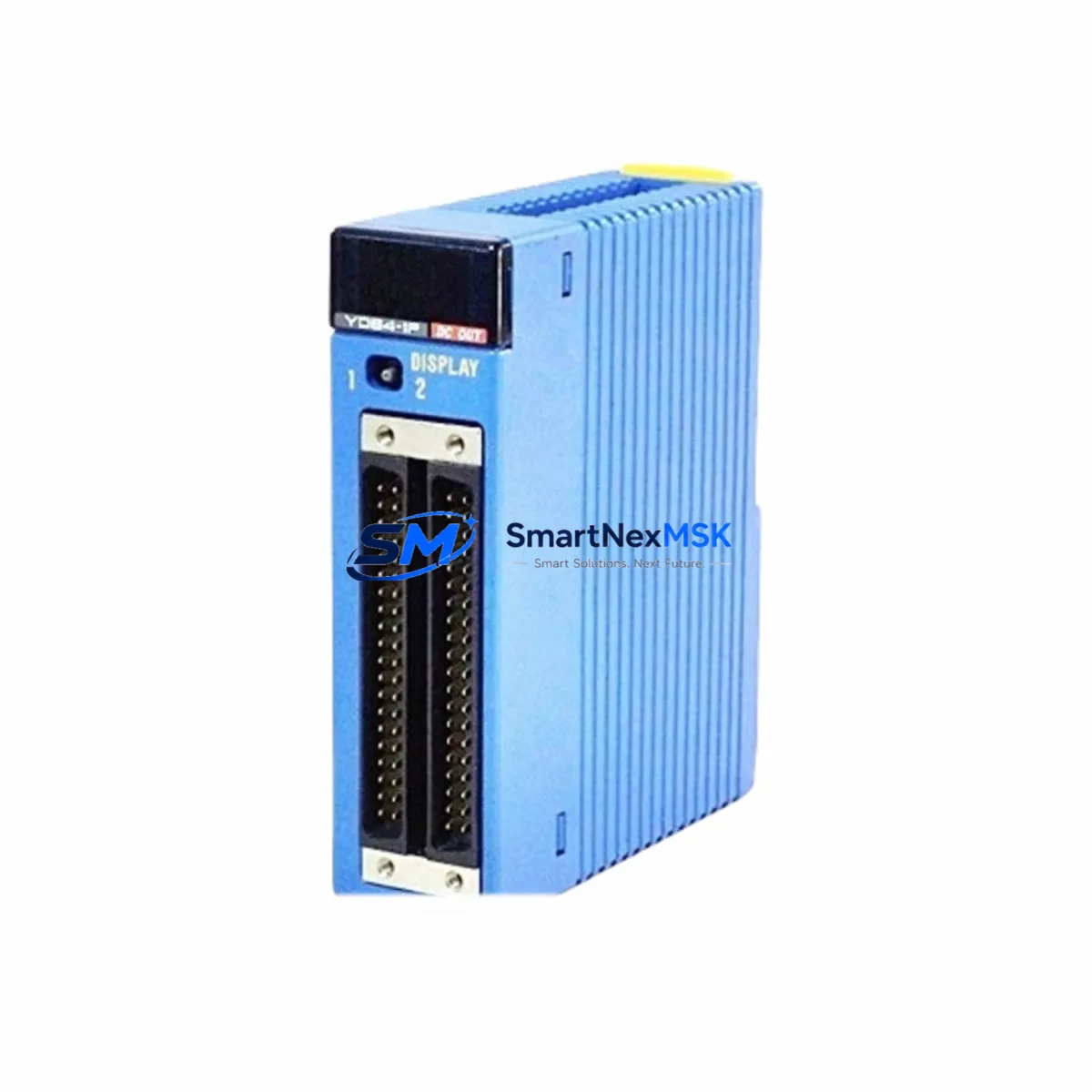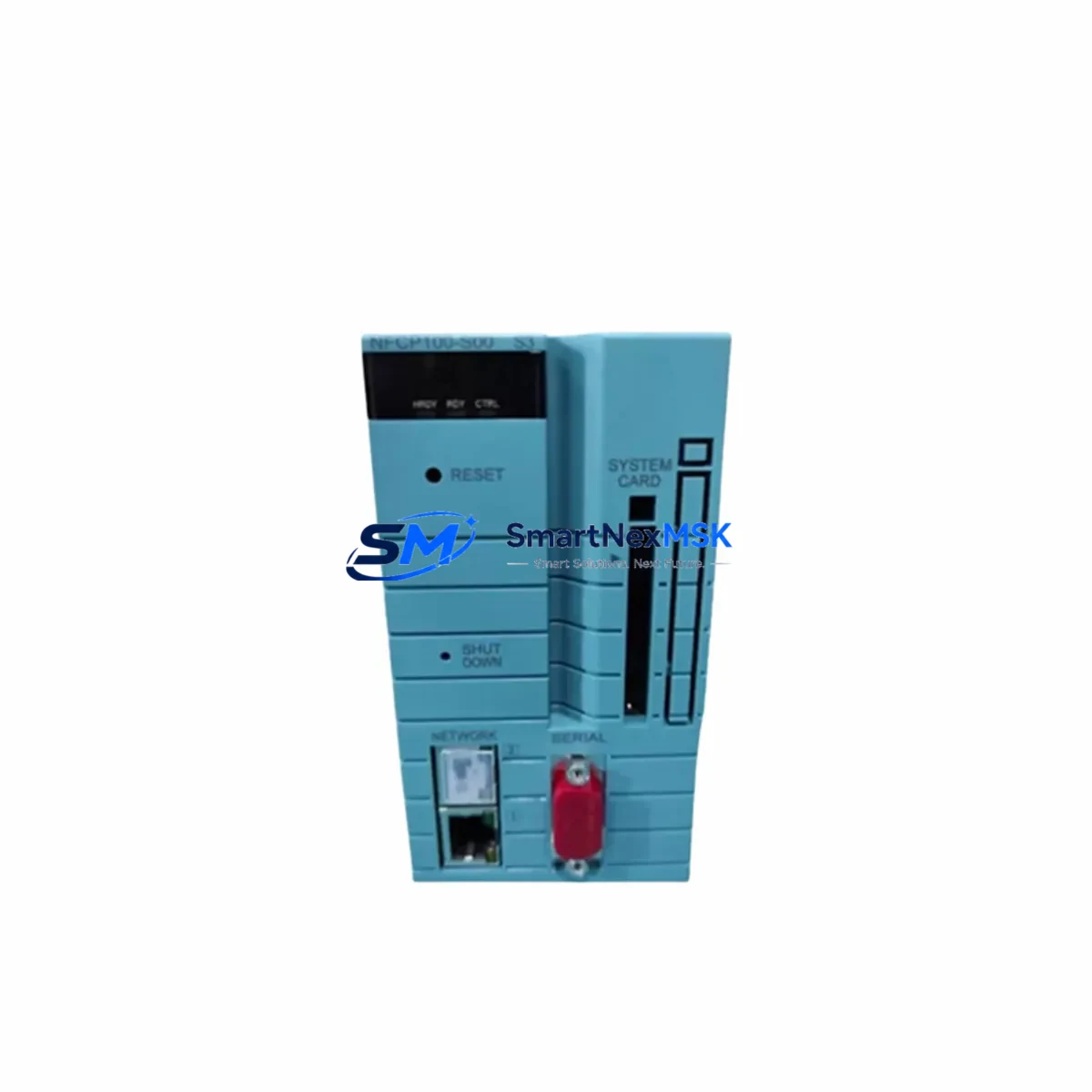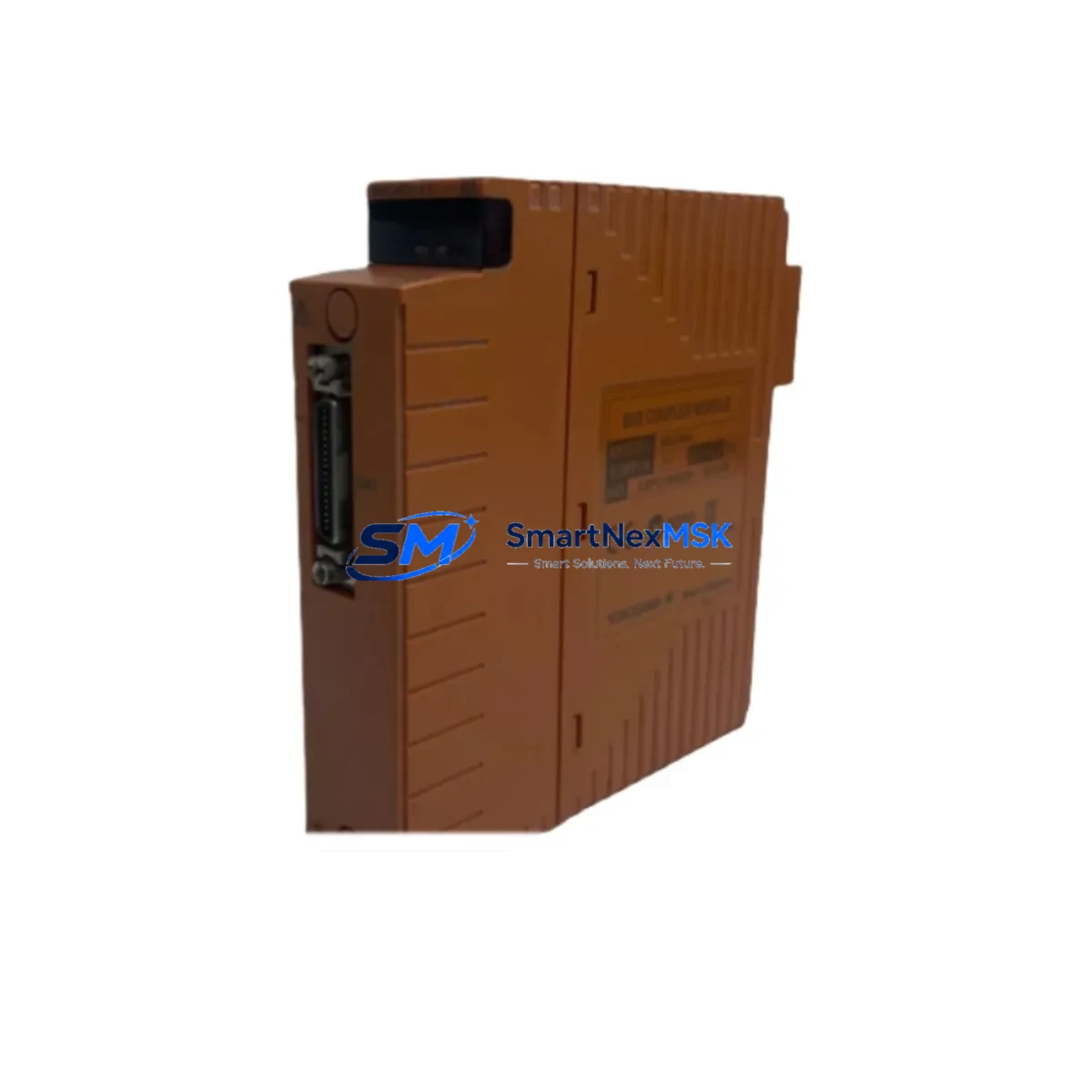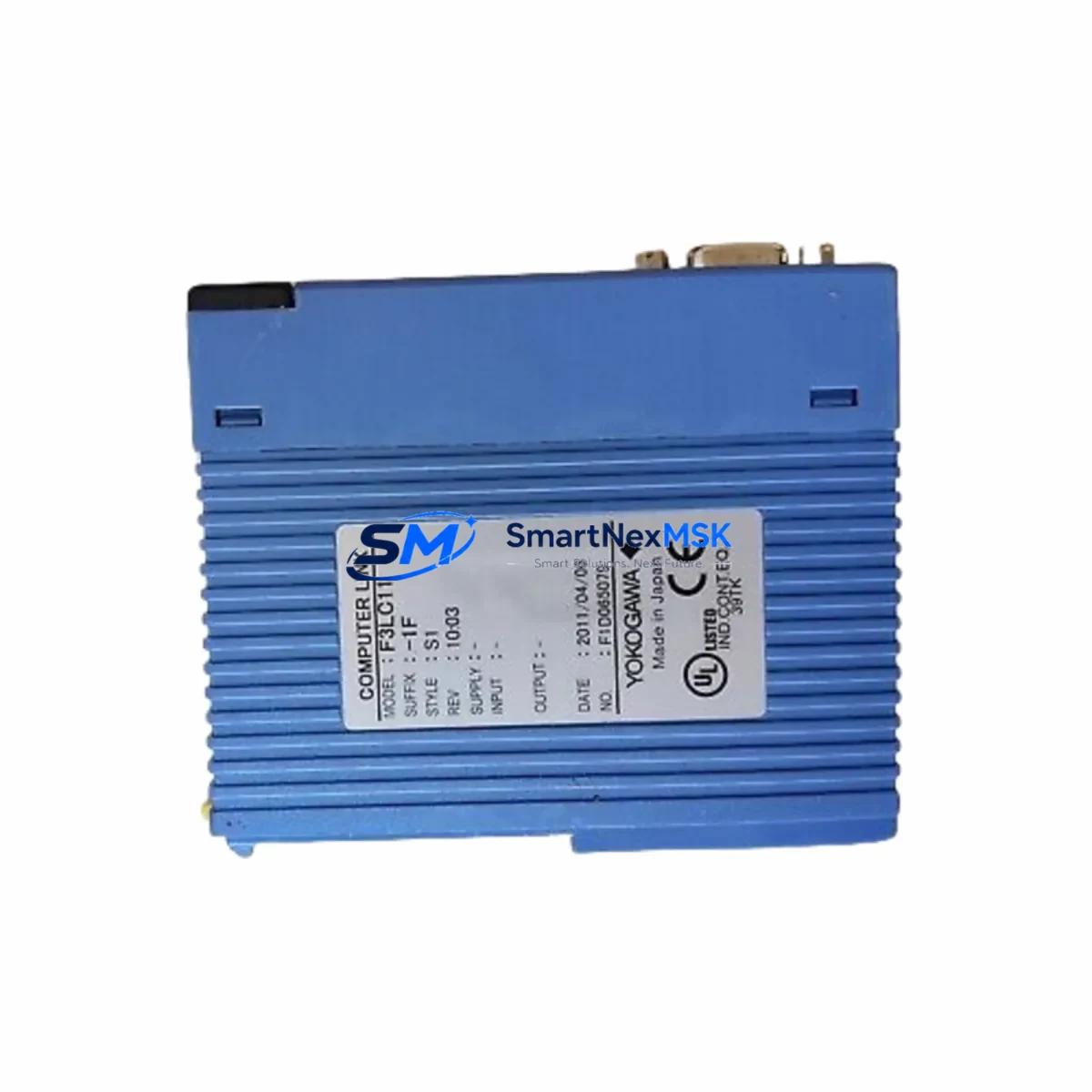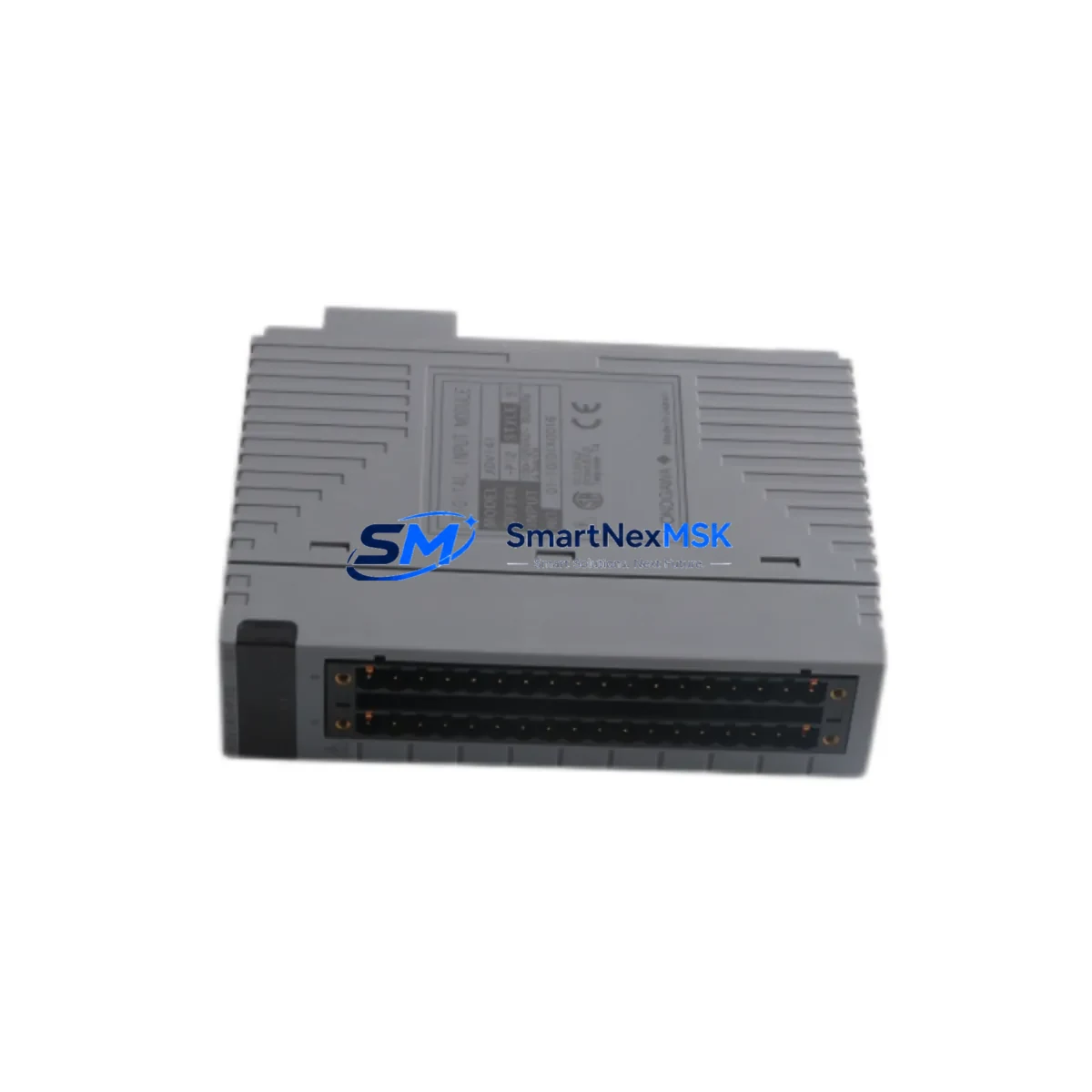
YOKOGAWA ADV141-P12 S1: Retrofit-Ready Digital Output Module for CENTUM VP Control Systems
The YOKOGAWA ADV141-P12 S1 is a high-reliability digital output module engineered for the CENTUM VP Distributed Control System platform. As legacy CENTUM CS 3000 and early CENTUM VP installations reach end-of-service milestones, the ADV141-P12 S1 has become one of the most sought-after retrofit components for engineers tasked with modernizing existing control cabinets without full system replacement. Its compatibility with standard YOKOGAWA field control station (FCS) backplanes, combined with its proven performance in continuous-process environments, makes it the preferred drop-in solution for refinery, chemical, and power generation upgrade projects.
Whether you are replacing a failed unit on a running line, upgrading a CENTUM CS 3000 node to CENTUM VP architecture, or expanding I/O capacity within an existing control cabinet, the ADV141-P12 S1 delivers the signal integrity, rack compatibility, and firmware alignment required for a smooth transition. Engineers consistently report that the module’s terminal block layout and backplane connector pinout are fully compatible with existing field wiring, eliminating the need for rewiring during scheduled maintenance windows.
Upgrade Compatibility Table
| Parameter | ADV141-P12 S1 Specification | Retrofit Notes |
|---|---|---|
| Module Type | Digital Output (DO), 16-channel | Direct replacement for ADV141-P00 and ADV141-P04 variants |
| Backplane Interface | CENTUM VP FCS Node Bus | Compatible with AFV10S, AFV30S, and AFV40S field control stations |
| Output Voltage | 24 VDC (field side) | Verify existing PSU capacity; recommend PWR48-10 or equivalent power module |
| Terminal Block | Standard 40-pin screw terminal | No rewiring required when replacing same-series modules |
| Communication Protocol | Vnet/IP (CENTUM VP native) | Confirm Vnet/IP segment configuration in CENTUM VP Builder before hot-swap |
| Module Address | Configurable via CENTUM VP Engineering Environment | Re-use existing IOM address; no program re-download required in most cases |
| HMI Compatibility | CENTUM VP HIS (Human Interface Station) | Existing HMI faceplates and alarm tags remain valid post-swap |
| Rack Slot | Any standard I/O slot in CENTUM VP node | Confirm slot assignment in IOM definition file before installation |
| Firmware | CENTUM VP R5.xx / R6.xx compatible | Check FCS firmware revision; upgrade to R6.03 or later recommended |
| Warranty | 12-Month Warranty | Covers manufacturing defects; includes pre-shipment functional test report |
Retrofit Planning for Existing Automation Systems
A successful ADV141-P12 S1 retrofit begins well before the module arrives on-site. The first step is an audit of the existing field control station configuration using the CENTUM VP Engineering Environment (CAMS for HIS). Engineers should export the current IOM definition and verify that the target slot is mapped to a digital output function block. In most CENTUM VP installations, the ADV141-P12 S1 occupies a standard I/O slot within an AFV10S or AFV30S field control station, sharing the node bus with analog input modules such as the AAI141-S00 and analog output modules such as the AAO141-S00.
Power budget verification is a critical pre-installation step. The ADV141-P12 S1 draws power from the node’s internal bus, supplied by the PWR48-10 power module or its successor. Before adding or replacing a digital output module, confirm that the total current draw across all installed I/O modules does not exceed the power module’s rated output. In aging CENTUM CS 3000 to CENTUM VP migration projects, it is common to find that the original PWR48-5 power module is undersized for the expanded I/O count — upgrading to the PWR48-10 is a standard recommendation.
Terminal block and field wiring compatibility should be confirmed against the existing marshalling cabinet drawings. The ADV141-P12 S1 uses a 40-pin terminal block that is mechanically and electrically compatible with the standard YOKOGAWA I/O terminal assembly. In projects where the original wiring was installed for a CENTUM CS 3000 ADV141-P00 module, no field rewiring is required — the terminal block can be transferred directly to the new module, significantly reducing installation time and the risk of wiring errors.
For sites migrating from older Vnet (coaxial) communication infrastructure to Vnet/IP (Ethernet-based), the ADV141-P12 S1 is fully compatible with the Vnet/IP protocol stack. The migration typically involves replacing the ACG10S Vnet/IP gateway and updating the FCS communication parameters in CENTUM VP Builder. The ADV141-P12 S1 does not require any hardware modification to support Vnet/IP — the protocol is handled at the FCS level, not the I/O module level.
In control cabinet upgrade projects, the ADV141-P12 S1 is frequently installed alongside ADV151-P12 digital input modules to complete a full I/O node refresh. Engineers should also verify the status of the ESB10D node bus extender if the cabinet layout requires extending the I/O node across multiple racks. The node bus extender must be rated for the total number of I/O modules in the extended configuration.
Programming compatibility is another key consideration. In CENTUM VP, digital output function blocks are defined in the FCS application program using standard IEC 61131-3 function block diagrams. When replacing an ADV141-P12 S1 in an existing installation, the existing program logic, tag names, and alarm setpoints are preserved — no program re-download is required in most cases, provided the module address and slot assignment remain unchanged. For new installations or slot reassignments, a partial download targeting only the affected IOM definition is sufficient.
Downtime Control During System Migration
Minimizing unplanned downtime is the primary concern for any control system retrofit. The ADV141-P12 S1 supports hot-swap replacement in CENTUM VP systems configured with redundant FCS nodes. In a redundant configuration, the standby FCS node continues to execute the control program while the primary node’s I/O module is replaced, ensuring uninterrupted process control throughout the swap procedure.
For non-redundant FCS configurations, the recommended approach is to schedule the module replacement during a planned maintenance window. Before removing the existing module, engineers should capture a snapshot of the current process values and alarm states using the CENTUM VP HIS historian function. This snapshot serves as a reference baseline for post-installation verification and helps operators quickly identify any discrepancies in field signal behavior after the new module is installed.
Pre-shipment functional testing is standard practice for all ADV141-P12 S1 units supplied by SMARTNEXMSK. Each module is tested against YOKOGAWA’s published I/O performance specifications before dispatch, and a test report is included with the shipment. This eliminates the risk of installing a defective module during a live maintenance window — a scenario that can extend downtime from hours to days in complex process environments.
Upon installation, the recommended commissioning sequence is: (1) insert the module into the target slot, (2) confirm the green RUN LED illuminates within 30 seconds, (3) verify channel status in the CENTUM VP HIS I/O overview display, (4) perform a point-to-point output check for each channel using the engineering environment’s forced output function, and (5) release the module to normal control. This five-step sequence can typically be completed in under 20 minutes by an experienced CENTUM VP engineer, keeping total planned downtime well within a standard shift maintenance window.
Retrofit Support FAQ
Q1: Is the ADV141-P12 S1 a direct replacement for the ADV141-P00 and ADV141-P04?
Yes. The ADV141-P12 S1 is the current production variant of the ADV141 digital output module family. It is mechanically, electrically, and functionally compatible with the ADV141-P00 and ADV141-P04 in all standard CENTUM VP and CENTUM CS 3000 (with VP migration kit) installations. No wiring changes or program modifications are required for a like-for-like replacement.
Q2: What commissioning steps are required after installing the ADV141-P12 S1?
After physical installation, confirm the module address in CENTUM VP Builder matches the slot assignment. Perform a partial IOM download if the slot assignment has changed. Verify channel status in the HIS I/O overview, then conduct a forced output test for each channel before releasing to automatic control. Total commissioning time is typically 15–30 minutes for an experienced engineer.
Q3: Can the ADV141-P12 S1 be used in a Vnet/IP network alongside legacy Vnet (coaxial) nodes?
Yes, provided the FCS is configured for Vnet/IP. The ADV141-P12 S1 communicates with the FCS via the internal node bus — the external network protocol (Vnet or Vnet/IP) is transparent to the I/O module. Mixed Vnet/Vnet/IP networks are supported in CENTUM VP R5.xx and later with the appropriate ACG10S gateway configuration.
Q4: What does the 12-month warranty cover, and is a test report included?
All ADV141-P12 S1 units supplied by SMARTNEXMSK carry a 12-month warranty covering manufacturing defects and functional failures under normal operating conditions. Each unit undergoes pre-shipment functional testing against YOKOGAWA’s published specifications, and a test report is included with every shipment. Warranty claims are processed within 5 business days of receipt of the returned unit.
© 2026 SMARTNEXMSK. All rights reserved.
Original Source: https://smartnexmsk.com
Contact: [email protected] | +86 18259474341