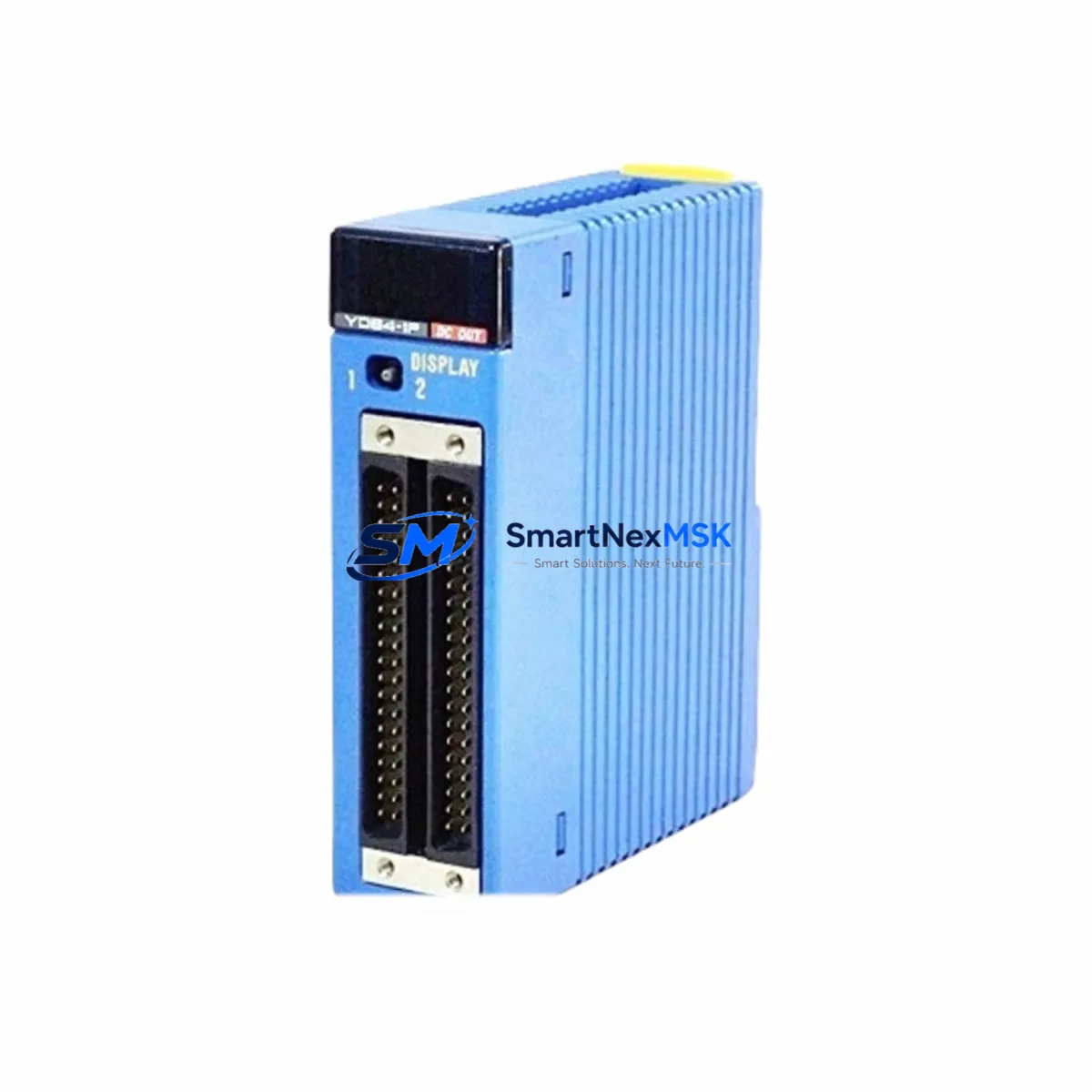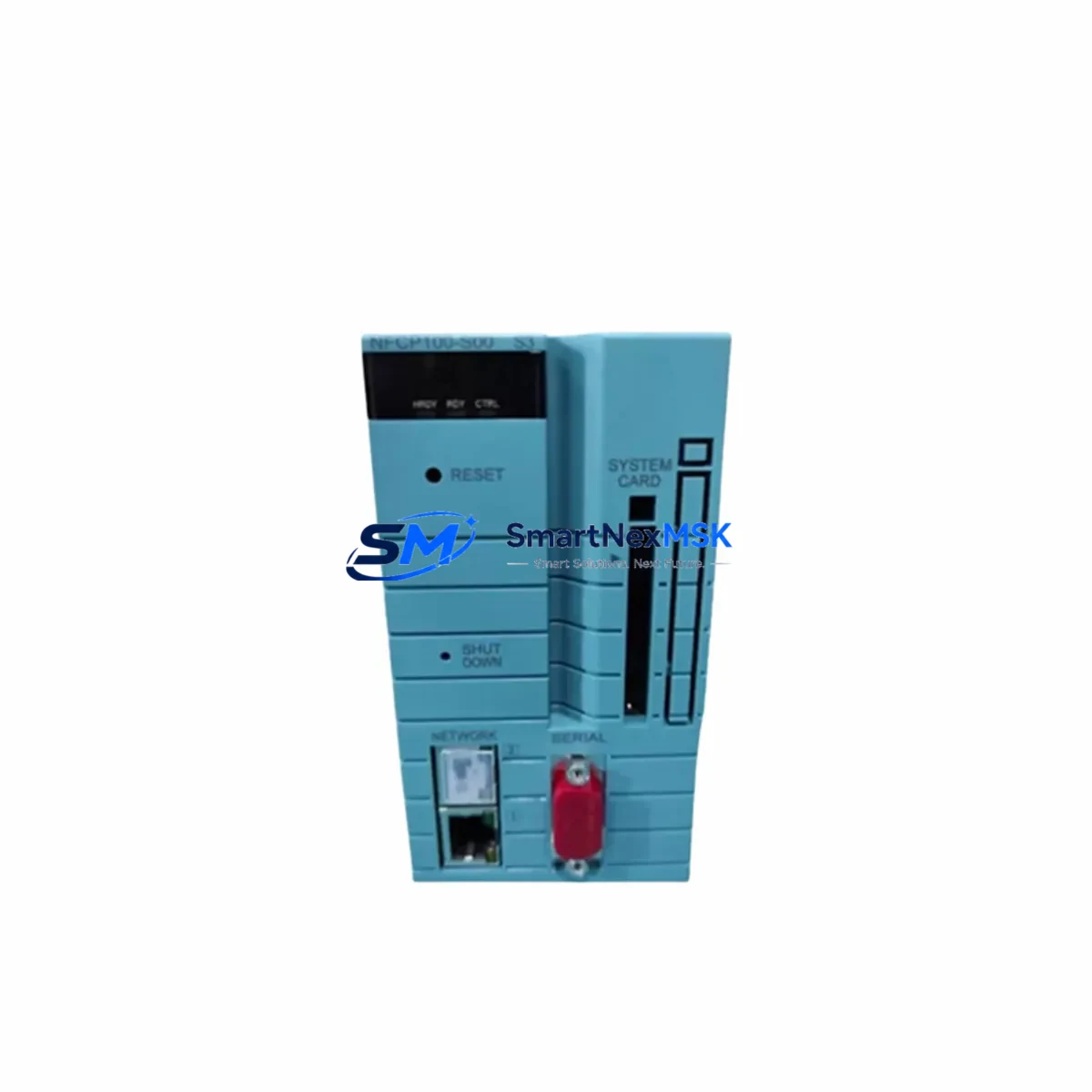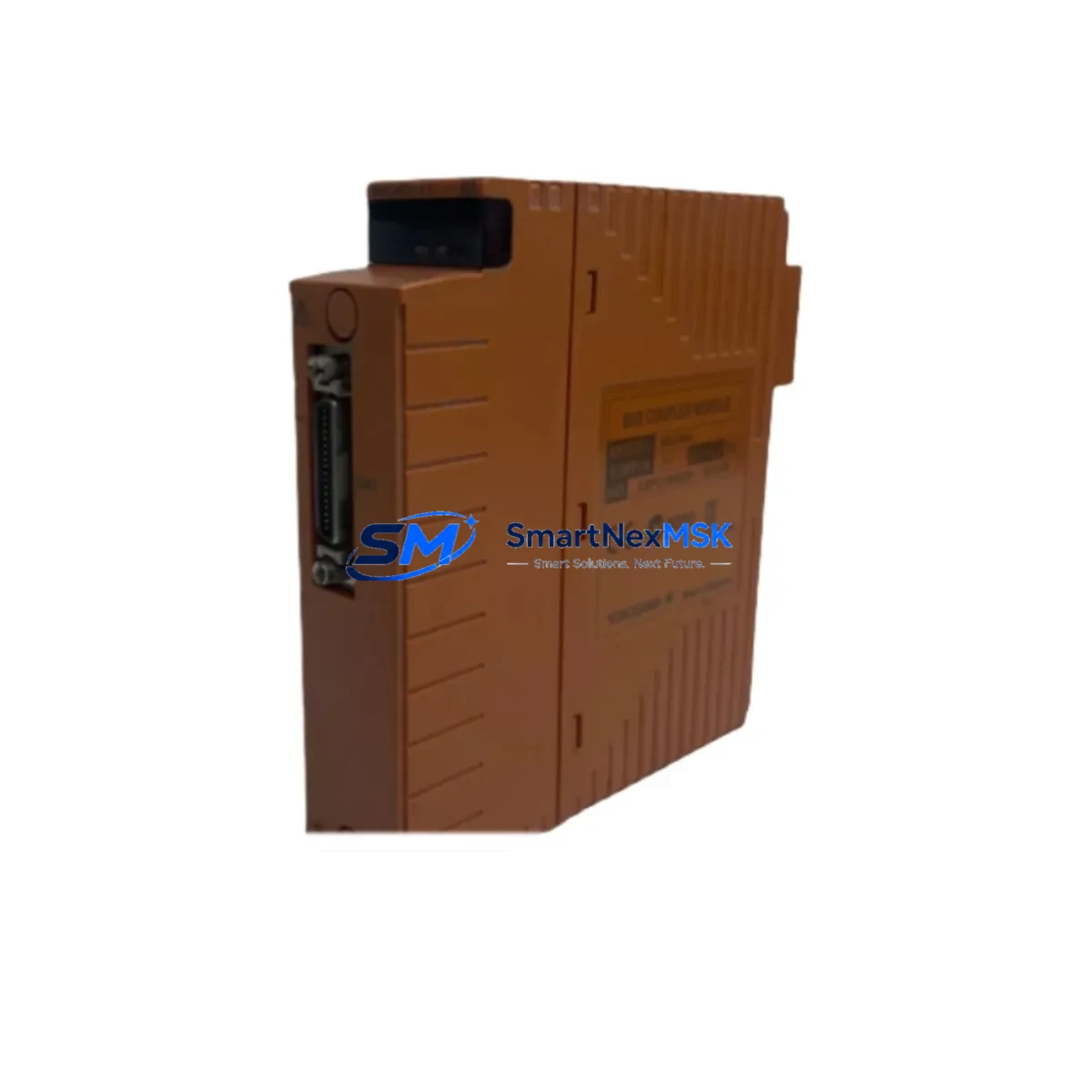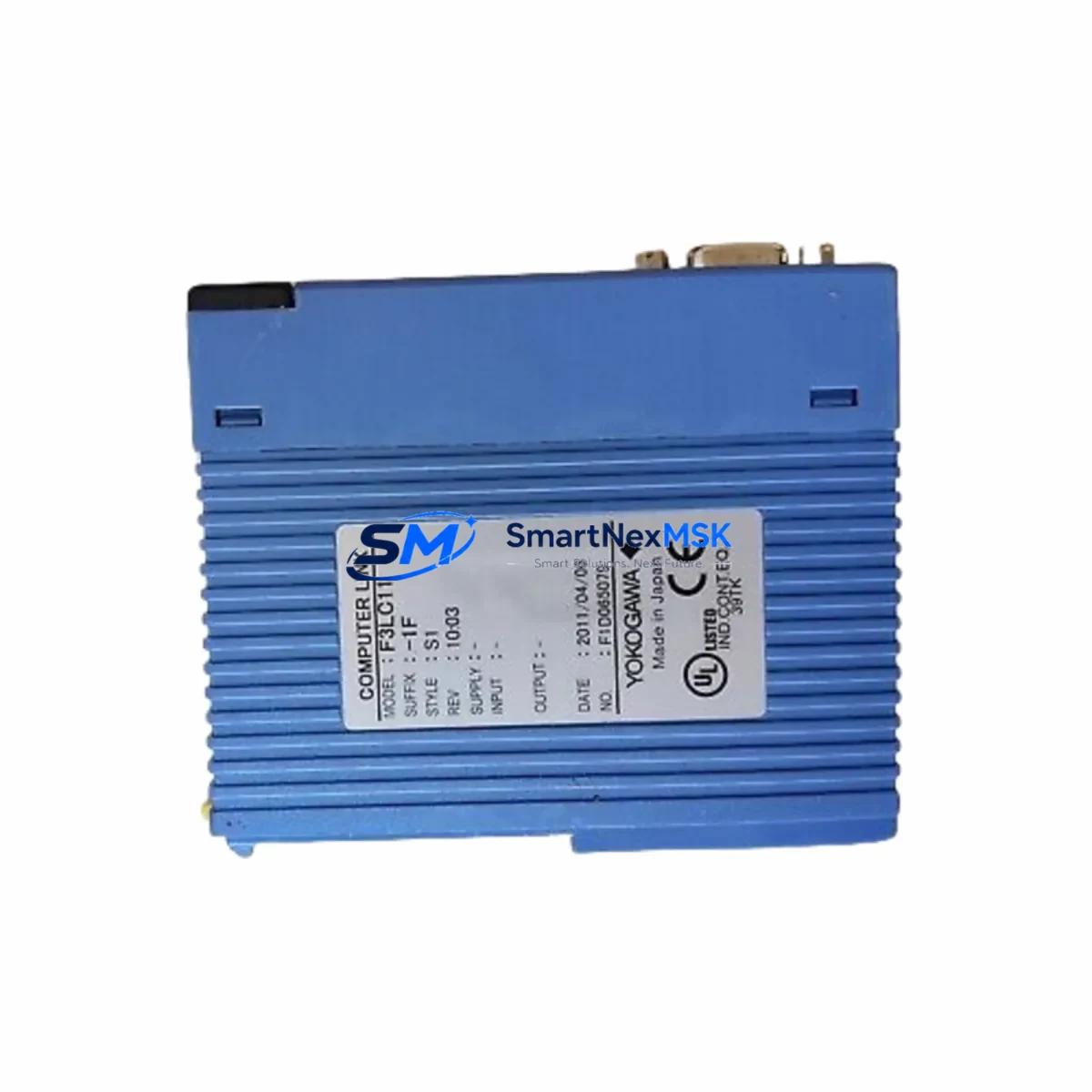
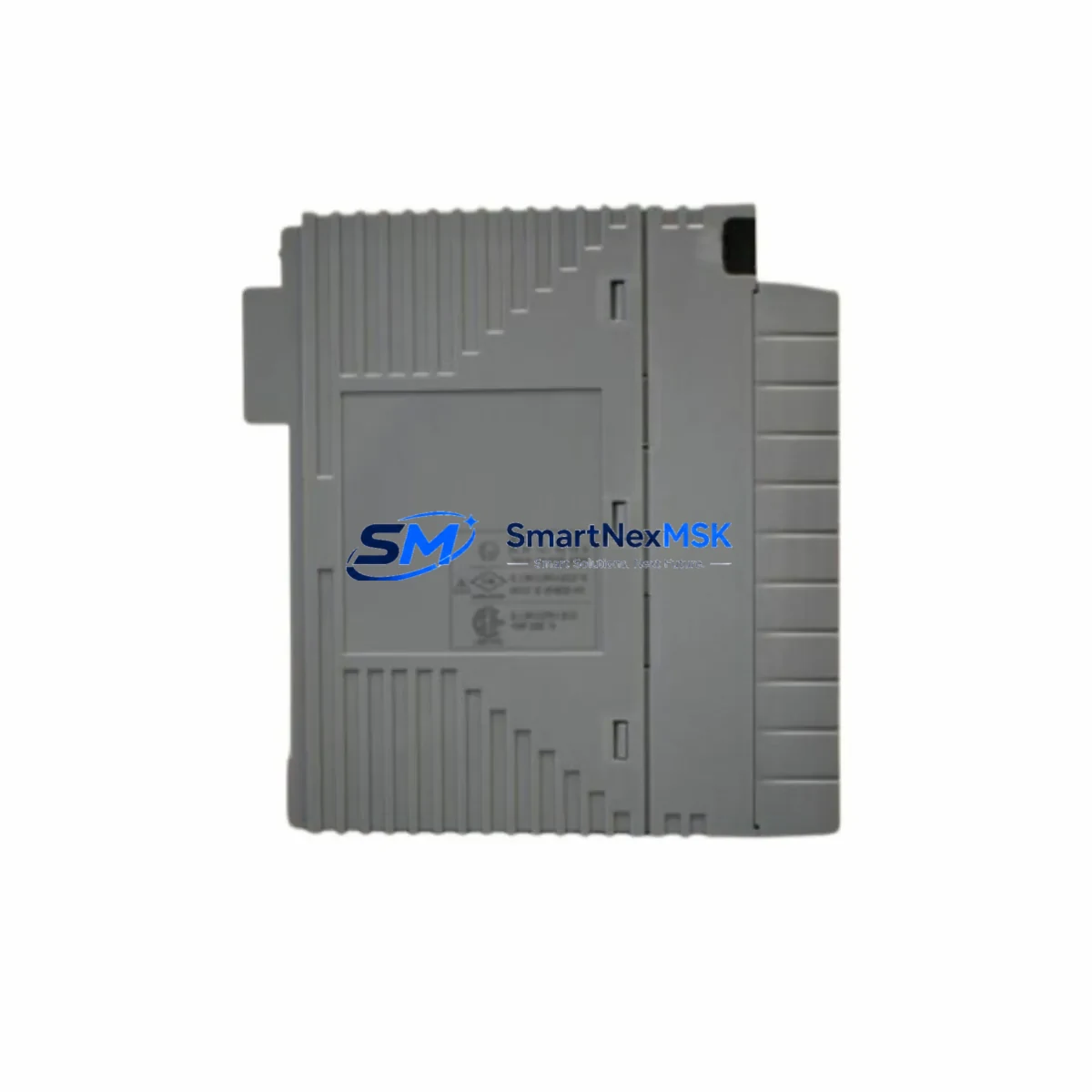
YOKOGAWA ADV551-P03 S2: Retrofit-Ready Digital Output Module for CENTUM VP Control Systems
The YOKOGAWA ADV551-P03 S2 is a 32-channel transistor digital output module engineered for seamless integration into CENTUM VP distributed control system architectures. As legacy CENTUM CS 3000 and earlier CENTUM VP field control stations approach end-of-life, the ADV551-P03 S2 has become the preferred retrofit solution for engineers managing planned upgrades, emergency replacements, and control cabinet modernization projects across process industries including oil & gas, petrochemical, power generation, and pulp & paper.
Whether you are replacing a failed ADV551-P01 or migrating an entire I/O subsystem from an older generation field control unit, the ADV551-P03 S2 delivers the electrical compatibility, firmware alignment, and mechanical form factor required for a controlled, low-risk cutover. Its 32-point transistor output design supports both sourcing and sinking configurations, making it adaptable to a wide range of field device wiring schemes without requiring panel rewiring.
Upgrade Compatibility Table
| Parameter | ADV551-P03 S2 (This Module) | Retrofit Notes |
|---|---|---|
| Output Channels | 32-channel transistor DO | Direct replacement for ADV551-P01 / ADV551-P02 channel count |
| Backplane Interface | CENTUM VP node unit backplane (NU bus) | Compatible with ESB-Bus node units; verify slot addressing before insertion |
| Installation Form Factor | Standard CENTUM VP I/O module slot | No mechanical modification required; fits existing I/O nest and rack |
| Communication Compatibility | CENTUM VP FCS internal bus | Confirm FCS firmware version ≥ R5.03; older FCS may require patch |
| Terminal Wiring | Compatible with existing ADV551 terminal assembly | Retain original terminal block; no field rewiring needed in most cases |
| Module Address | Configured via FCS builder / System View | Re-import IOM tag database; verify address map matches original slot assignment |
| Replacement Candidates | ADV551-P01, ADV551-P02, ADV551-P03 S1 | S2 revision adds enhanced diagnostics; backward compatible with S1 tag definitions |
| Commissioning Requirement | Online replacement supported (hot-swap capable node) | Confirm node unit supports online I/O replacement before live swap |
| Warranty | 12-Month Warranty — covers manufacturing defects; includes pre-shipment functional test report | |
Retrofit Planning for Existing Automation Systems
A successful ADV551-P03 S2 retrofit begins well before the module arrives on site. Engineers should start by auditing the existing CENTUM VP field control station configuration using CENTUM VP System View and the FCS Builder utility to export the current I/O module map, tag assignments, and alarm setpoints. This baseline export becomes the recovery reference if any step in the cutover requires rollback.
In the node unit housing the failed or obsolete DO module, confirm that the ESB-Bus node unit (such as the ANB10D or ANB11D) is operating normally and that the backplane power rail is within specification. The PW481 or PW482 power supply module feeding the node should be load-tested before the new ADV551-P03 S2 is inserted — an undersized or aging power supply is a common root cause of repeat module failures in retrofit scenarios.
Terminal wiring is typically the least disruptive element of an ADV551 replacement. The module uses a detachable terminal assembly that can be pre-wired and tested on the bench before the cutover window. If the existing terminal block shows signs of corrosion or loose terminations — common in installations older than ten years — replace it with a new TB481 terminal block during the same maintenance window to avoid a second outage.
For sites migrating from CENTUM CS 3000 to CENTUM VP, the I/O module replacement is often paired with a controller upgrade involving the FCU (Field Control Unit) and associated ESB-Bus coupler cards. In these projects, the ADV551-P03 S2 is typically installed alongside new AAI141 analog input modules and AAI543 analog output modules to complete the I/O nest refresh. Communication between the FCS and the engineering workstation is maintained through the Vnet/IP control network, which should be verified for latency and packet loss before and after the module swap.
HMI screens built in CENTUM VP HIS (Human Interface Station) that reference the replaced DO module’s tag names will continue to function without modification, provided the tag database is correctly re-imported and the module slot address is preserved. If the slot address changes — for example, when consolidating I/O into fewer node units — all affected faceplate displays and trend groups must be updated in the HIS builder before the system goes back online.
For sites that also operate FOUNDATION Fieldbus or HART-enabled field devices on adjacent I/O modules, confirm that the ALF111 FOUNDATION Fieldbus communication module or ADV157 HART multiplexer in the same node unit is not affected by the slot change. Communication link integrity should be verified using the CENTUM VP diagnostic tools after the ADV551-P03 S2 is powered and recognized by the FCS.
All replacement modules supplied by SMARTNEXMSK are pre-tested against YOKOGAWA factory acceptance criteria and shipped with a functional test report. Stock is maintained for immediate dispatch, supporting both planned turnaround windows and emergency breakdown scenarios.
Downtime Control During System Migration
Minimizing production downtime during a DO module replacement requires a structured pre-outage preparation protocol. Begin by placing all 32 output channels associated with the ADV551-P03 S2 into manual mode within the CENTUM VP FCS at least 30 minutes before the physical swap. This ensures that field devices — valve actuators, motor starters, solenoids, and relay outputs — remain in their last commanded state and do not respond to spurious signals during the module removal and insertion sequence.
Export and archive the complete FCS configuration, including the IOM (I/O Module) parameter file, using CENTUM VP’s built-in backup utility. Store this backup on both the engineering workstation and an offline USB drive. If the replacement module requires a firmware-level initialization, the FCS will briefly lose visibility of the slot; having the backup immediately accessible allows rapid re-download if the auto-recognition sequence does not complete within the expected timeout.
For sites where the node unit supports online I/O replacement, the physical swap can be performed without shutting down the FCS or the Vnet/IP network segment. Insert the ADV551-P03 S2 into the vacated slot, wait for the FCS to recognize the module (typically 10–30 seconds), and confirm that all 32 channel status indicators return to their expected states in System View. Return each channel from manual to automatic control only after the channel status is confirmed healthy.
Where online replacement is not supported — typically in older CENTUM VP R4.xx installations — coordinate the outage window with the operations team to align with a planned process hold or low-throughput period. The physical swap itself takes under five minutes; the majority of the outage window is consumed by pre-swap verification, post-swap diagnostics, and the controlled return to automatic operation. A well-prepared team can complete the full procedure, including documentation sign-off, in under two hours.
Retrofit Support FAQ
Q1: Is the ADV551-P03 S2 a direct drop-in replacement for the ADV551-P01 and ADV551-P02?
Yes. The ADV551-P03 S2 is mechanically and electrically compatible with earlier ADV551 revisions. The S2 designation indicates a hardware revision that adds enhanced self-diagnostic capability. The terminal assembly, backplane connector, and FCS tag structure are identical, so no field rewiring or tag renaming is required. Confirm that your FCS firmware supports the S2 revision — CENTUM VP R5.03 and later versions recognize the S2 automatically.
Q2: What commissioning steps are required after installing the ADV551-P03 S2?
After physical installation, use CENTUM VP System View to confirm the module is recognized in the correct slot. Re-download the IOM parameter file from the FCS Builder if the module was initialized to factory defaults. Perform a channel-by-channel output verification by commanding each of the 32 channels from the HIS faceplate and confirming field device response. Document the verification results in the site maintenance log before returning the loop to automatic control.
Q3: Can the ADV551-P03 S2 be used in a CENTUM CS 3000 system?
The ADV551-P03 S2 is designed for CENTUM VP architecture and is not directly compatible with CENTUM CS 3000 node units, which use a different backplane bus standard. For CS 3000 systems, the equivalent module is the ADV551-P03 within the CS 3000 I/O family. If you are migrating from CS 3000 to CENTUM VP, the ADV551-P03 S2 is the correct target module for the new VP node units. Contact our technical team to confirm the correct module selection for your specific migration path.
Q4: What does the 12-month warranty cover, and is a pre-shipment test report included?
All ADV551-P03 S2 modules supplied by SMARTNEXMSK carry a 12-month warranty covering manufacturing defects and functional failures under normal operating conditions. Each unit undergoes a pre-shipment functional test that verifies channel output integrity, backplane communication, and self-diagnostic response. A test report is included with every shipment. Warranty claims are processed within 5 business days of receipt of the returned module.
© 2026 SMARTNEXMSK. All rights reserved.
Original Source: https://smartnexmsk.com
Contact: [email protected] | +86 18259474341