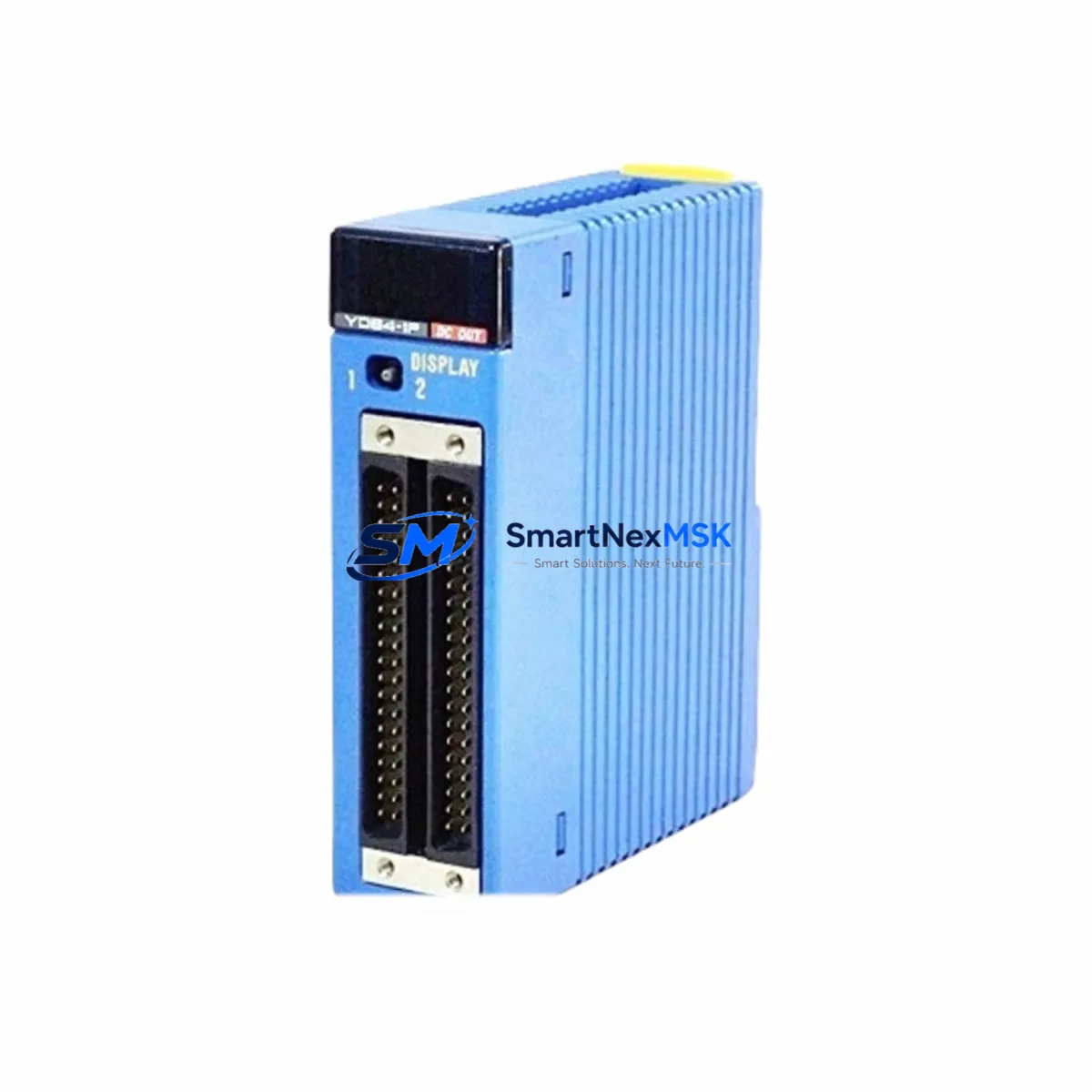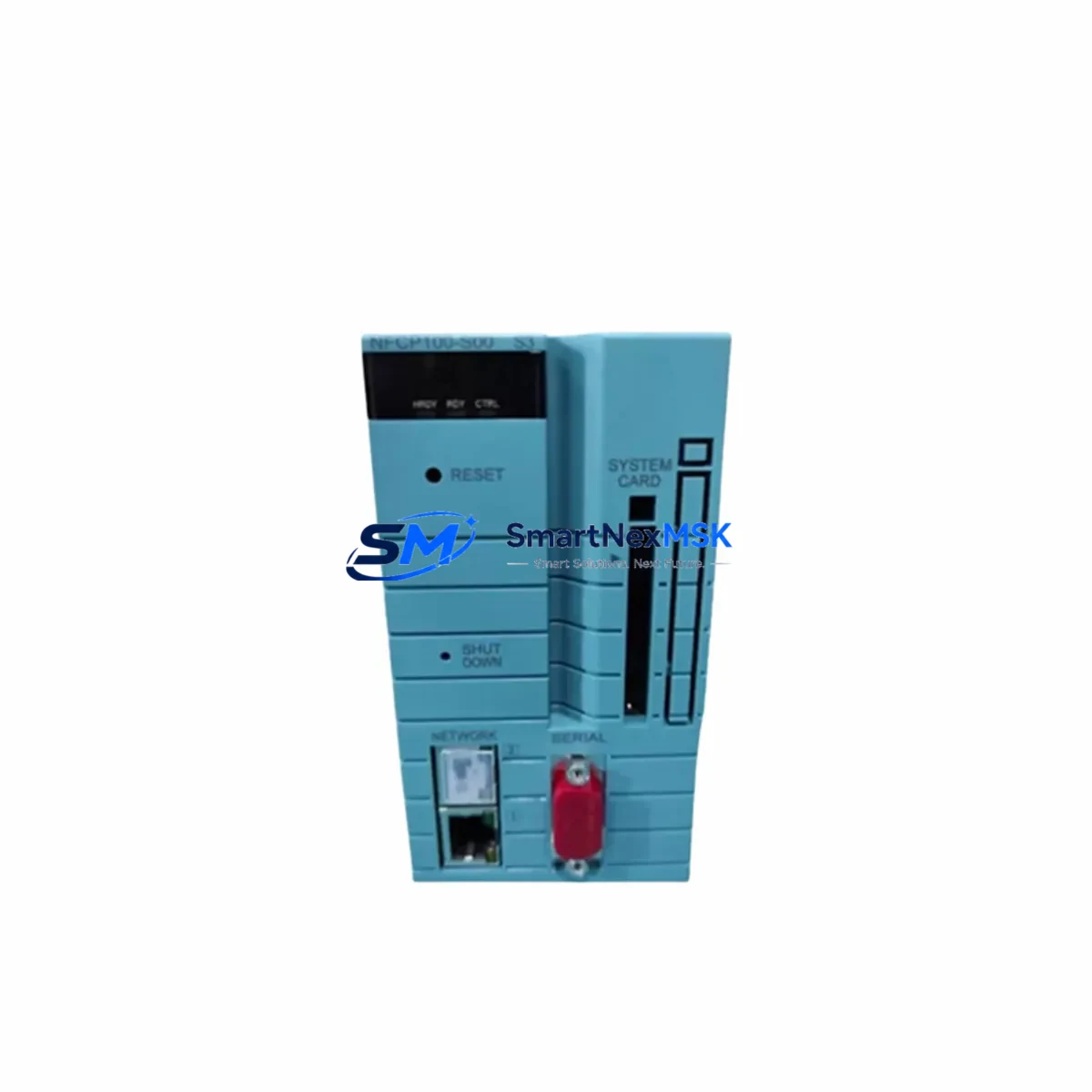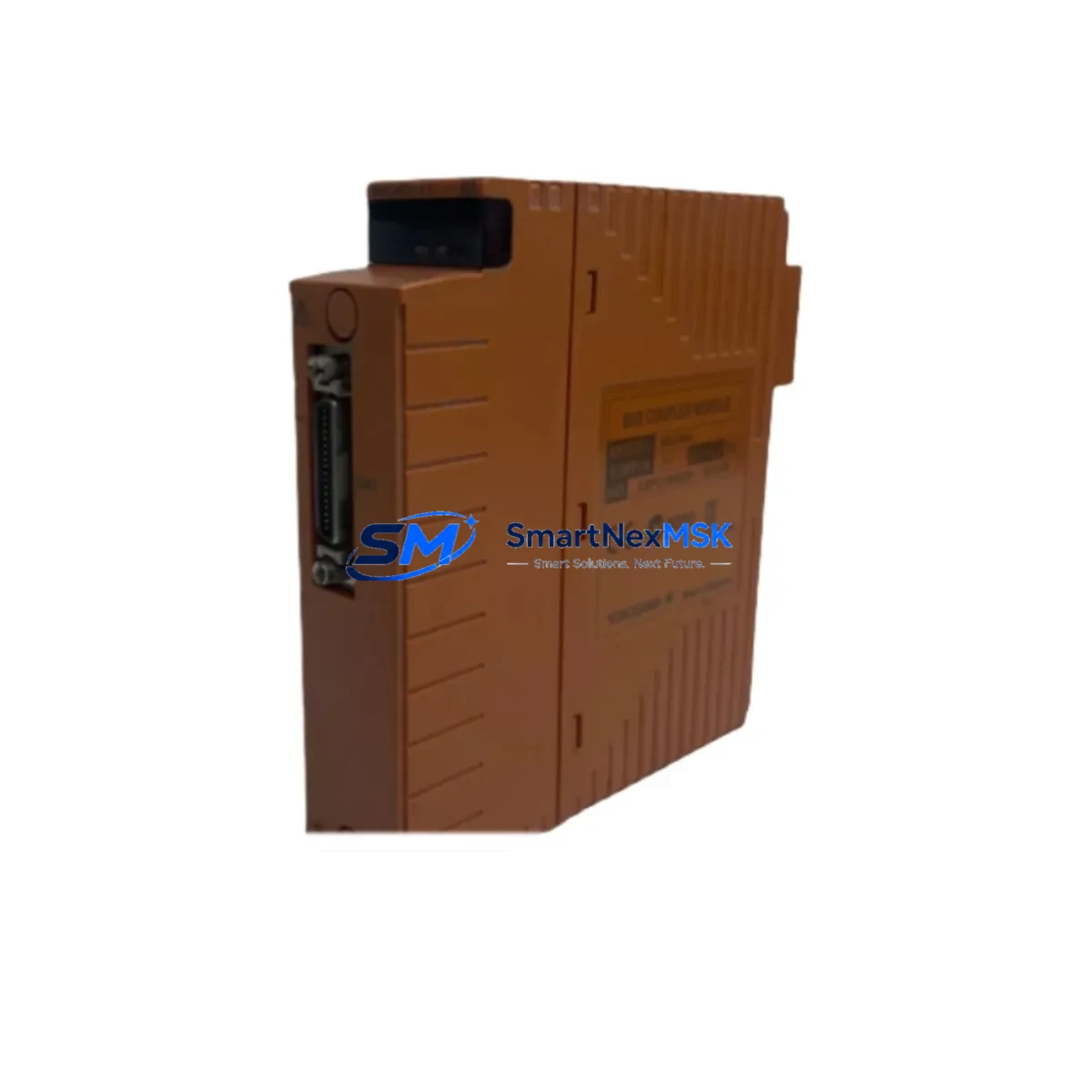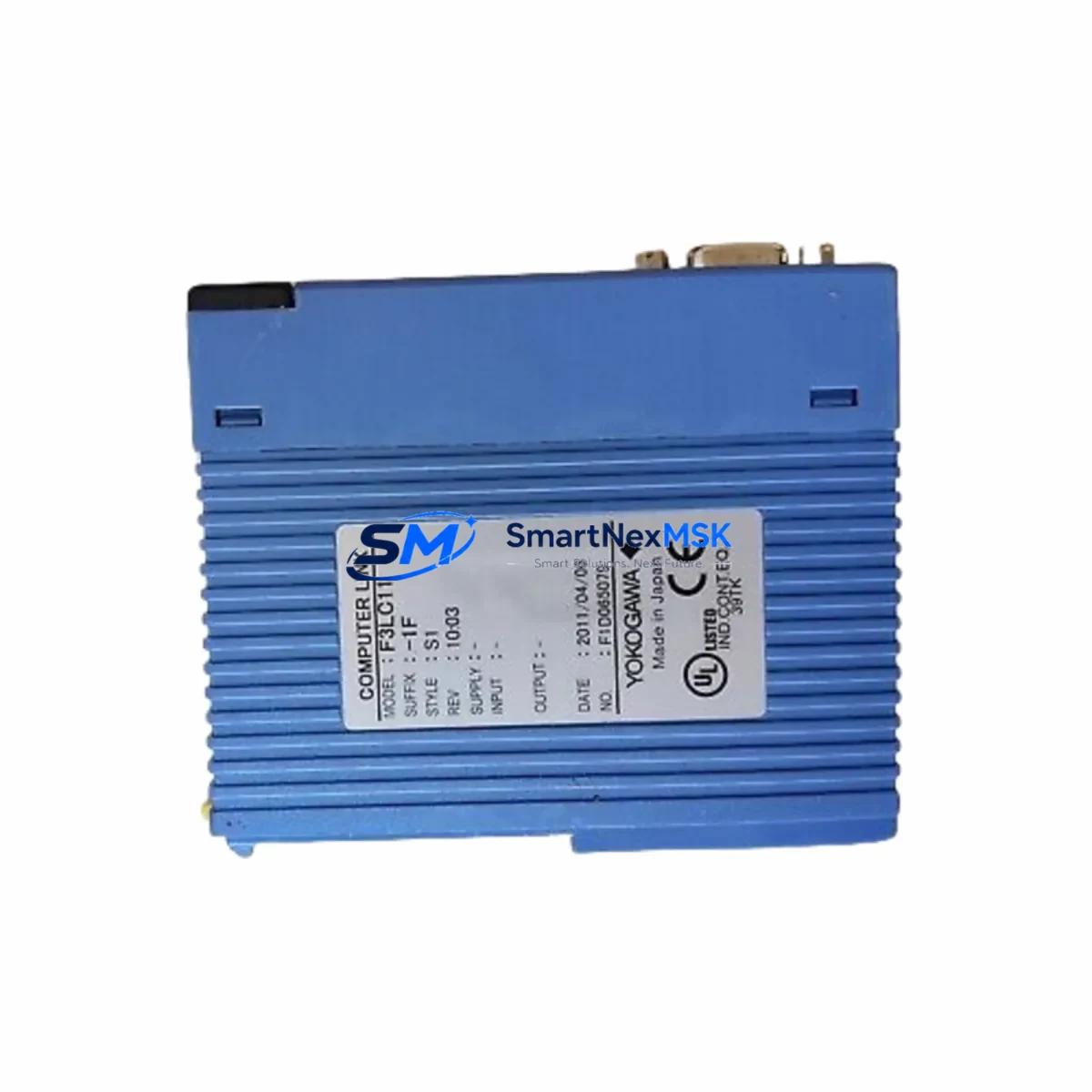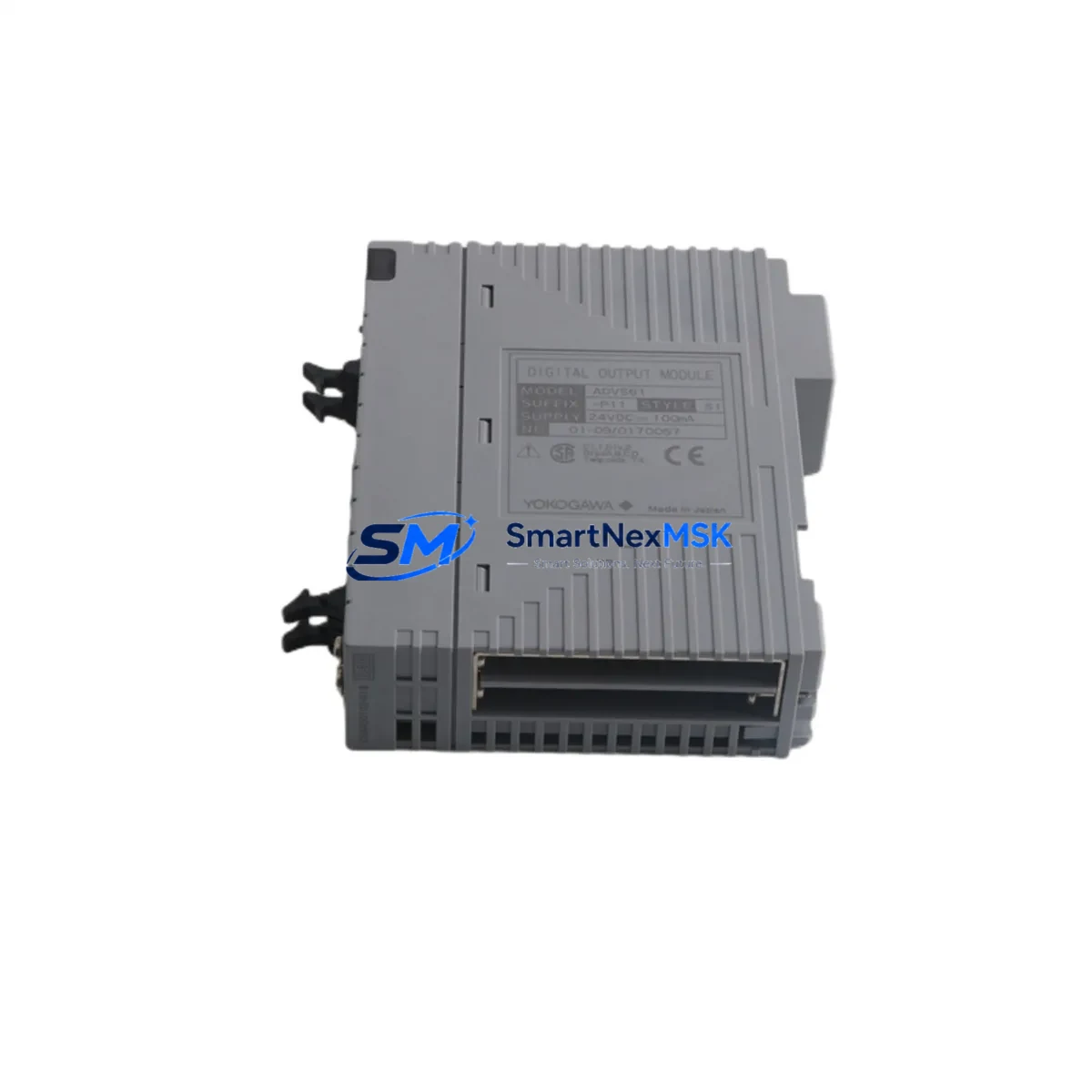
YOKOGAWA ADV561-P11 S1 Retrofit-Ready Digital Output Module for CENTUM VP Control Systems
The YOKOGAWA ADV561-P11 S1 is a high-reliability DCS digital output module engineered for seamless integration into CENTUM VP distributed control systems. As legacy CENTUM CS 3000 and earlier CENTUM VP hardware reaches end-of-life, the ADV561-P11 S1 has become a critical retrofit component for facilities seeking to extend operational life, modernize control cabinets, and maintain production continuity without full system replacement. This module is stocked, tested, and shipped with a 12-month warranty, making it a dependable choice for both emergency replacement and planned upgrade projects.
Upgrade Compatibility Table
| Parameter | ADV561-P11 S1 Specification | Retrofit Notes |
|---|---|---|
| Module Type | DCS Digital Output Module | Direct replacement for ADV561 series variants |
| Compatible Platform | YOKOGAWA CENTUM VP / CS 3000 | Verify node address and I/O map before installation |
| Backplane Interface | CENTUM VP standard node bus | Confirm slot assignment matches original configuration |
| Terminal Wiring | Compatible with existing field wiring harness | No rewiring required for direct swap; verify terminal block torque spec |
| Communication Protocol | CENTUM VP internal V-net/IP or Vnet | No protocol migration required for same-generation swap |
| Installation Requirement | Standard CENTUM VP node unit rack | Compatible with AFV10D, AFV20D node units |
| Firmware / Configuration | Loaded via CENTUM VP Engineering Environment | Restore from existing project backup; verify I/O tag mapping |
| Commissioning | Online replacement supported (hot-swap capable nodes) | Confirm node redundancy mode before live swap |
| Warranty | 12 Months | Covers manufacturing defects; includes pre-shipment functional test |
Retrofit Planning for Existing Automation Systems
Successful integration of the ADV561-P11 S1 into an existing CENTUM VP architecture requires a structured pre-installation audit. Engineers should begin by reviewing the current node unit configuration within the CENTUM VP Engineering Environment (CAMS for HIS), confirming that the target slot is mapped to the correct I/O tag database. The ADV561-P11 S1 occupies a standard node slot and interfaces directly with the AFV10D or AFV20D node unit backplane — no mechanical modification is required.
Power budget verification is essential before installation. The node unit’s internal power supply, typically the PW481 or PW482 power module, must have sufficient headroom to support the additional digital output load. In high-density cabinets where multiple ADV561 modules are installed alongside analog input modules such as the AAI141-S00 or AAI543-S00, total current draw across the node bus must be recalculated. If the existing power module is operating near capacity, a supplementary PW482 power module should be added before the retrofit proceeds.
Field wiring compatibility is one of the most common concerns during a digital output module swap. The ADV561-P11 S1 uses the same terminal block pinout as its predecessor variants, allowing existing field cables to remain connected during the swap. However, engineers should verify terminal tightening torque and inspect for any corrosion or loose connections on the TB811 or equivalent terminal board before re-energizing the circuit. In applications where the digital outputs drive solenoid valves, motor starters, or relay coils, the output load current and voltage ratings must be confirmed against the module’s specification sheet.
For facilities migrating from CENTUM CS 3000 to CENTUM VP, the ADV561-P11 S1 is a key component in the I/O migration path. The CS 3000 to CENTUM VP migration typically involves replacing the FCS (Field Control Station) hardware, including the CP345 or CP451 controller modules, while retaining existing field wiring where possible. During this migration, the communication link between the FCS and the HIS (Human Interface Station) transitions from the legacy Vnet to V-net/IP, which requires updating the network configuration in the CENTUM VP system builder. The ADV561-P11 S1 is fully compatible with the CENTUM VP node bus and does not require any additional communication adapters.
HMI screen validation is a critical step that is often underestimated. After the module swap, all faceplates and graphic displays in the CENTUM VP HIS that reference the replaced module’s I/O tags must be verified for correct signal status. Any alarm setpoints, interlock logic, or sequence control functions (SFC) that reference the digital output channels should be tested in simulation mode before returning the loop to automatic control. The CENTUM VP test function within the engineering environment allows engineers to force output states and verify field device response without interrupting the broader control system.
Downtime Control During System Migration
Minimizing unplanned downtime is the primary operational concern when replacing a digital output module in a live production environment. The ADV561-P11 S1 supports hot-swap replacement in node configurations where redundancy is enabled. Before initiating a live swap, confirm that the node unit is operating in dual-redundant mode and that the standby module is healthy. If the node is operating in simplex mode, a controlled shutdown of the affected output channels is required, and the plant’s safety interlock system (SIS) must be notified to prevent spurious trips.
A pre-tested spare strategy is strongly recommended for facilities with critical continuous processes. Keeping a pre-configured ADV561-P11 S1 on the shelf — loaded with the correct firmware version and verified against the project’s I/O configuration — reduces mean time to repair (MTTR) from hours to minutes. Our pre-shipment functional test protocol verifies each module against its datasheet parameters before dispatch, ensuring that the unit arriving on-site is ready for immediate installation.
Program logic preservation is non-negotiable during any module replacement. Before removing the faulty module, export the current FCS project from the CENTUM VP engineering environment and store a timestamped backup. After installation of the ADV561-P11 S1, download the project to the FCS and perform a point-by-point I/O check against the loop drawings. Any discrepancies in output state, address mapping, or alarm behavior should be resolved before releasing the loop to automatic control. This disciplined approach protects the integrity of the original control logic and ensures that the retrofit does not introduce new failure modes into the system.
Retrofit Support FAQ
Q1: Is the ADV561-P11 S1 a direct drop-in replacement for other ADV561 variants?
The ADV561-P11 S1 is mechanically and electrically compatible with other ADV561 series variants used in CENTUM VP node units. However, the suffix codes (P11, P00, etc.) indicate specific output configuration options. Confirm the output type (transistor, relay, or triac) and voltage rating of the original module before ordering to ensure a functionally equivalent replacement.
Q2: What wiring changes are required during installation?
In most direct-replacement scenarios, no wiring changes are required. The ADV561-P11 S1 uses the same terminal block interface as the original module. Inspect existing field wiring for condition and verify terminal torque before re-energizing. If the original installation used a TB811 or equivalent terminal board, it can be reused without modification.
Q3: How is the module configured after installation?
Configuration is performed through the CENTUM VP Engineering Environment. After physical installation, the FCS project is downloaded to the node, and the I/O tags associated with the ADV561-P11 S1 channels are automatically mapped based on the existing project database. No manual address programming is required if the module is installed in the same slot as the original.
Q4: What does the 12-month warranty cover?
The 12-month warranty covers manufacturing defects and functional failures under normal operating conditions. Each unit undergoes a pre-shipment functional test to verify output switching, power consumption, and communication integrity before dispatch. Warranty claims are processed through our technical support team at [email protected], and replacement units are dispatched within 3 business days of claim approval.
© 2026 SMARTNEXMSK. All rights reserved.
Original Source: https://smartnexmsk.com
Contact: [email protected] | +86 18259474341