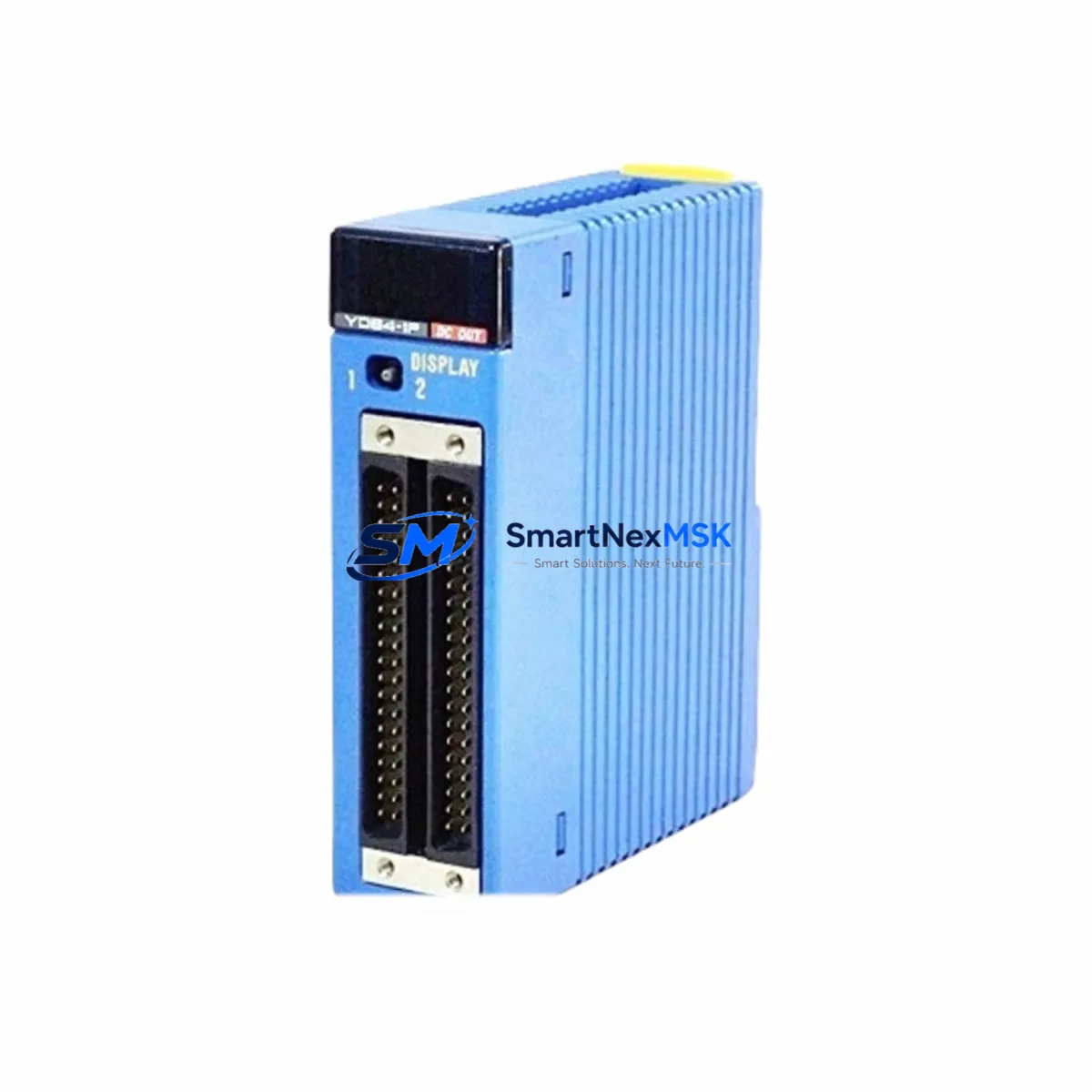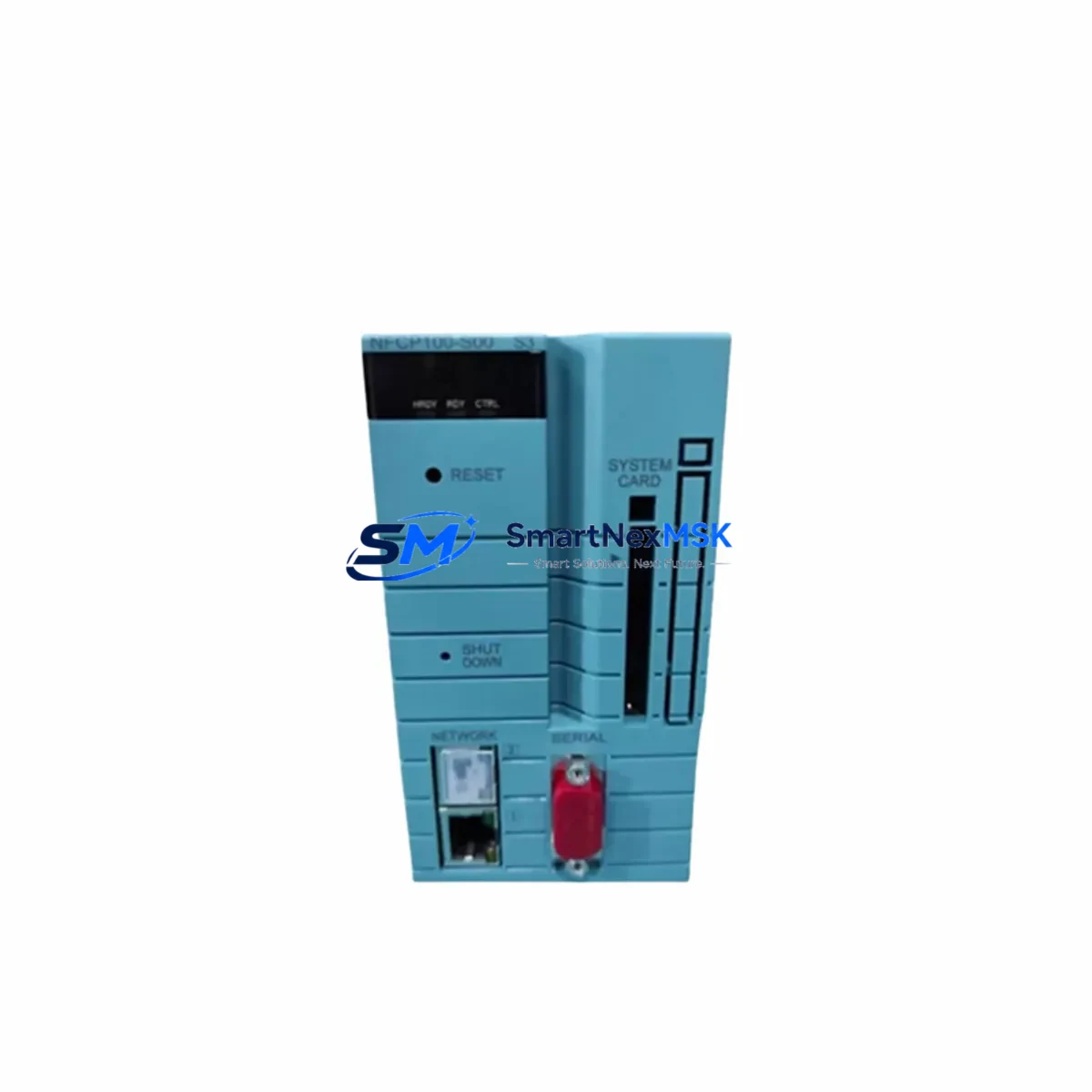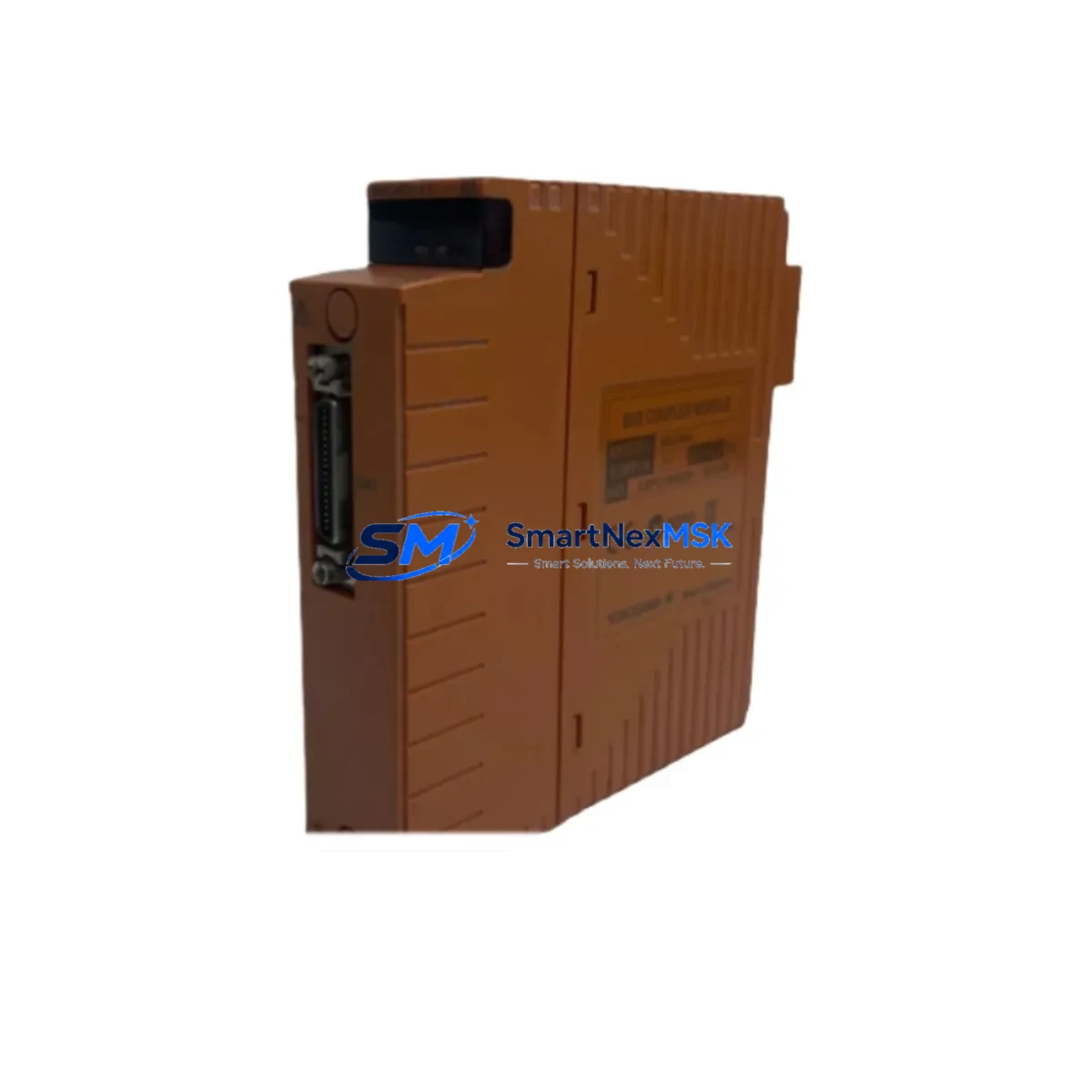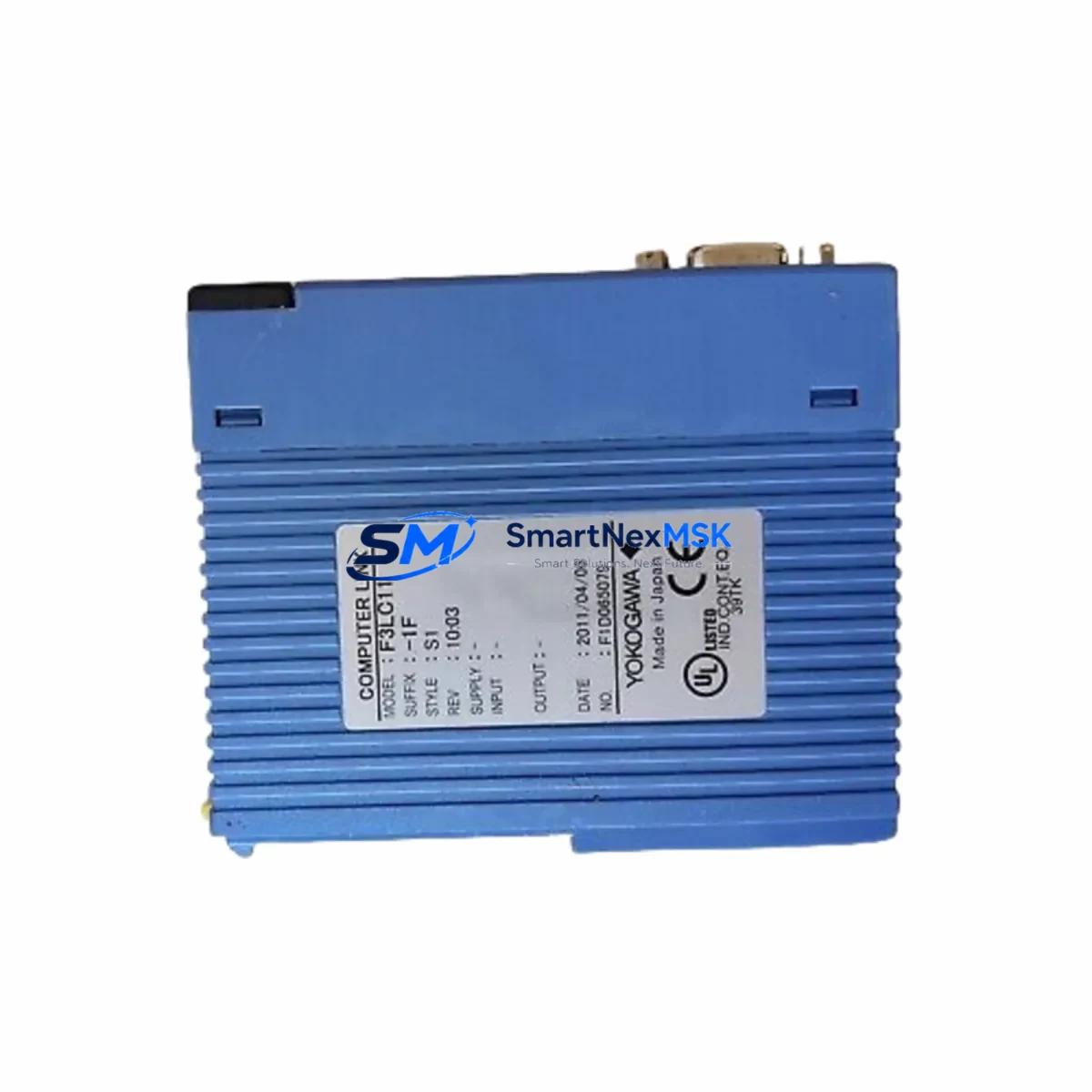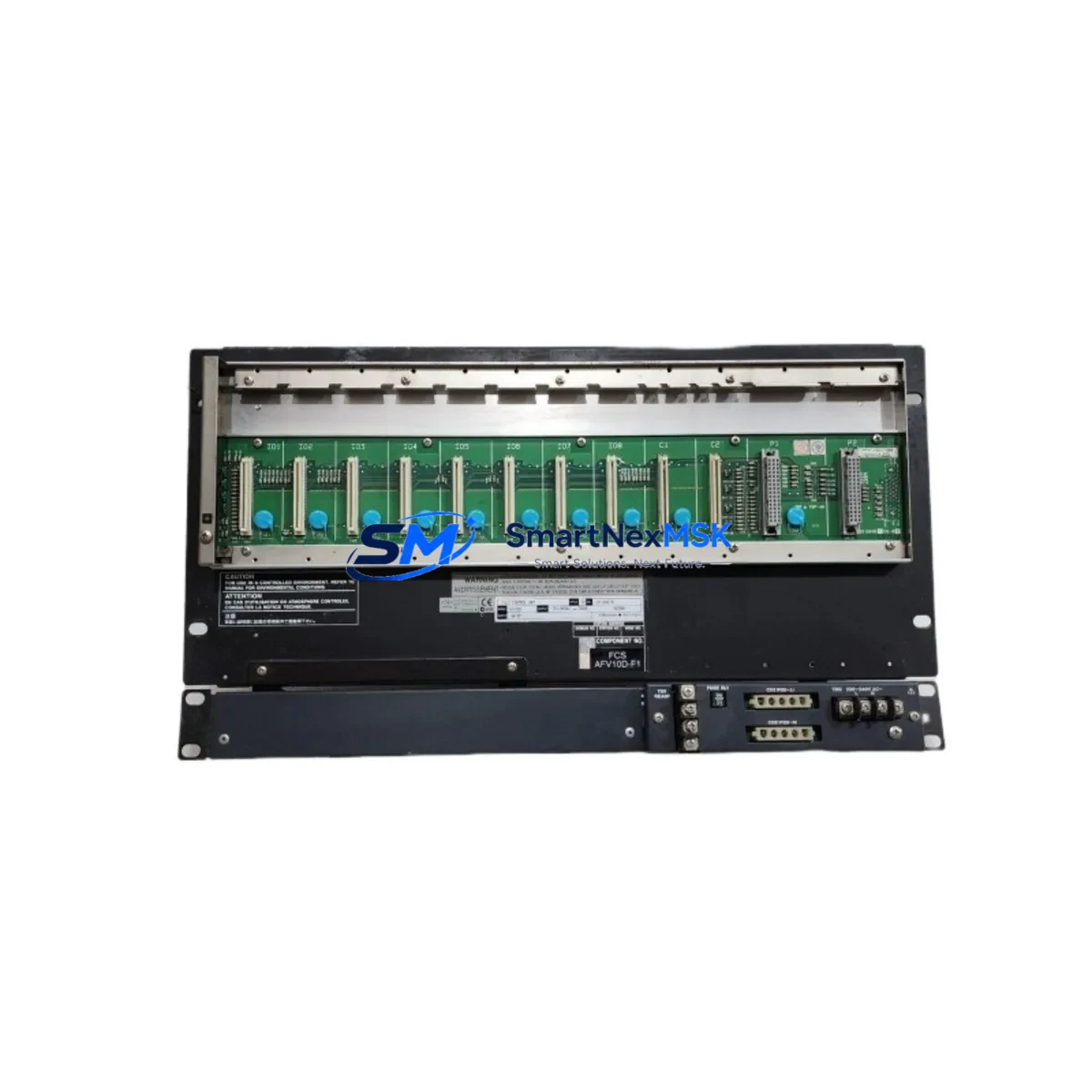
YOKOGAWA AFV10D S2 Retrofit-Ready Field Control Unit for CENTUM VP Control Systems
The YOKOGAWA AFV10D S2 is a high-reliability redundant field control unit designed for seamless integration into CENTUM VP distributed control system architectures. As legacy CENTUM CS 3000 and early CENTUM VP installations approach end-of-life, the AFV10D S2 has become the preferred retrofit solution for engineers managing aging process control infrastructure across petrochemical, power generation, pulp and paper, and pharmaceutical facilities. This unit supports hot-standby redundancy, ensuring continuous process control even during module swap-out — a critical requirement when minimizing unplanned downtime is non-negotiable.
Whether you are replacing a failed AFV10D unit, upgrading from an earlier AFV10D revision, or migrating an entire field control station from a decommissioned CENTUM CS 3000 platform, the AFV10D S2 delivers the compatibility and performance your system demands. Each unit shipped by SMARTNEXMSK undergoes pre-shipment functional verification and is backed by a 12-month warranty covering manufacturing defects and operational failures under normal service conditions.
Upgrade Compatibility Table
| Parameter | AFV10D S2 Specification | Retrofit Notes |
|---|---|---|
| Compatible Platform | CENTUM VP (all revisions) | Verify firmware version on ESB bus coupler before swap |
| Backplane Interface | V-net/IP, Vnet optical bus | Confirm ESB-Bus coupler model (ESB401, ESB501) matches slot assignment |
| Redundancy Mode | Hot-standby dual-redundant | Both primary and secondary AFV10D S2 units must be same revision |
| I/O Compatibility | Compatible with AAI141, AAI841, ADV151, ADV551, AAT141 I/O modules | No I/O rewiring required when replacing same-generation AFV10D |
| Power Supply | 24 VDC via PW482 or PW484 power supply module | Verify PW482/PW484 output capacity; load budget must include all installed I/O |
| Communication Protocol | Vnet/IP Ethernet, FOUNDATION Fieldbus H1, HART | HART pass-through requires ALF111 HART interface module in same node |
| Module Address | Configurable via CENTUM VP Engineering Environment (ENG) | Re-assign node address in ENG before hot-insertion to avoid address conflict |
| Program Compatibility | Full IEC 61131-3 function block compatibility | Existing FCS application programs transfer without modification |
| HMI Integration | CENTUM VP HIS (Human Interface Station) | No HMI screen rebuild required; tag database remains intact |
| Warranty | 12 Months | Covers manufacturing defects; includes pre-shipment functional test report |
Retrofit Planning for Existing Automation Systems
A successful AFV10D S2 retrofit begins well before the maintenance window opens. The first step is a thorough audit of the existing field control station (FCS) node, including the installed ESB bus coupler, the rack configuration, and the power budget across all installed I/O modules. In a typical CENTUM VP node, the AFV10D S2 shares the control bus with analog input modules such as the AAI141-S00 and AAI841-S00, digital output modules including the ADV551-P10 and ADV151-P10, and temperature input modules like the AAT141-S00. Each of these I/O modules draws power from the node’s PW482 or PW484 power supply module, and the total load must be recalculated when adding a redundant AFV10D S2 pair to a previously simplex node.
Terminal wiring on the I/O side does not require modification when replacing an AFV10D with an AFV10D S2 of the same generation, which significantly reduces field labor time. However, engineers should verify that the ESB bus coupler — typically an ESB401 or ESB501 — is running firmware compatible with the S2 revision. In installations where the control network has been migrated from legacy Vnet optical fiber to Vnet/IP Ethernet, the ALF111 Vnet/IP interface module must be present in the node and properly addressed before the AFV10D S2 is inserted.
For sites migrating from CENTUM CS 3000 to CENTUM VP, the AFV10D S2 serves as the target controller in the new VP node. The migration path typically involves exporting the existing FCS application from the CS 3000 Engineering Environment, converting function block logic using Yokogawa’s migration tools, and importing into the CENTUM VP Engineering Environment before the cutover window. The CENTUM VP HIS (Human Interface Station) graphic screens and tag databases can be migrated with minimal rework, preserving operator familiarity and reducing retraining costs. Programming cables and the CENTUM VP ENG workstation should be staged at the panel before the cutover begins to allow rapid re-download if needed.
In multi-node installations, it is common to find the AFV10D S2 operating alongside other field control units such as the AFV30D for high-density I/O nodes, or the PFCS (Process Field Control Station) in older hybrid architectures. Coordinating the replacement sequence across nodes — starting with the least critical process loop — allows the engineering team to validate the retrofit procedure before applying it to safety-critical control loops.
Downtime Control During System Migration
Minimizing process downtime during an AFV10D S2 swap requires a structured approach to cutover planning. In redundant configurations, the hot-standby architecture of the AFV10D S2 allows the secondary unit to assume control within milliseconds of a primary failure, enabling a controlled swap of the primary unit without interrupting the process. The recommended procedure is to first confirm that the secondary AFV10D S2 is in active standby status via the CENTUM VP System View, then remove the primary unit, insert the replacement AFV10D S2, and allow the system to automatically synchronize the application program and I/O data from the active secondary.
For simplex nodes where redundancy is not configured, the cutover window must be carefully planned around process hold conditions. The existing FCS application program should be backed up from the CENTUM VP Engineering Environment before the swap, and the replacement AFV10D S2 should be pre-loaded with the application offline using a bench engineering station where possible. This reduces the in-window download time to a re-confirm and go-live sequence rather than a full program transfer, typically cutting the required maintenance window from several hours to under 30 minutes.
Field communication links — including FOUNDATION Fieldbus H1 segments managed through the ALF111 interface and HART device pass-through — should be verified post-swap using the CENTUM VP FCS diagnostic tools before returning the node to automatic control. Any HART device that lost communication during the swap should be re-identified in the CENTUM VP device management database. Operators at the HIS should be briefed on the expected alarm burst during the transition and prepared to acknowledge and clear nuisance alarms before the node returns to normal scan.
Retrofit Support FAQ
Q1: Is the AFV10D S2 a direct drop-in replacement for the original AFV10D?
Yes, in the same CENTUM VP node generation. The AFV10D S2 uses the same backplane connector, ESB bus interface, and I/O module addressing scheme as the original AFV10D. No terminal rewiring or I/O module changes are required. Confirm that the ESB bus coupler firmware is at a revision that supports the S2 designation — this information is available in the Yokogawa CENTUM VP release notes for your installed system version.
Q2: Can the AFV10D S2 be used in a CENTUM CS 3000 node?
No. The AFV10D S2 is designed exclusively for CENTUM VP architecture. For CS 3000 nodes, the equivalent controller is the ACF11 or ACF12 field control unit. If you are migrating from CS 3000 to CENTUM VP, the AFV10D S2 will be installed in the new VP node as part of the migration, not inserted into the existing CS 3000 rack.
Q3: What pre-shipment testing is performed on the AFV10D S2?
Each AFV10D S2 unit supplied by SMARTNEXMSK undergoes a functional power-on test, communication bus verification, and visual inspection for connector and board integrity before shipment. A test report is available upon request. All units are covered by a 12-month warranty from the date of shipment, covering manufacturing defects and operational failures under normal operating conditions.
Q4: How do I verify module address assignment after installing the AFV10D S2?
Module address assignment is managed through the CENTUM VP Engineering Environment (ENG). After physical installation, open the FCS node configuration in ENG, confirm the node number and domain assignment match the replaced unit, and perform a download to the new AFV10D S2. The system will prompt for confirmation before overwriting the existing configuration. In redundant pairs, address assignment must be identical on both primary and secondary units — the secondary will synchronize automatically after the primary download completes.
© 2026 SMARTNEXMSK. All rights reserved.
Original Source: https://smartnexmsk.com
Contact: [email protected] | +86 18259474341