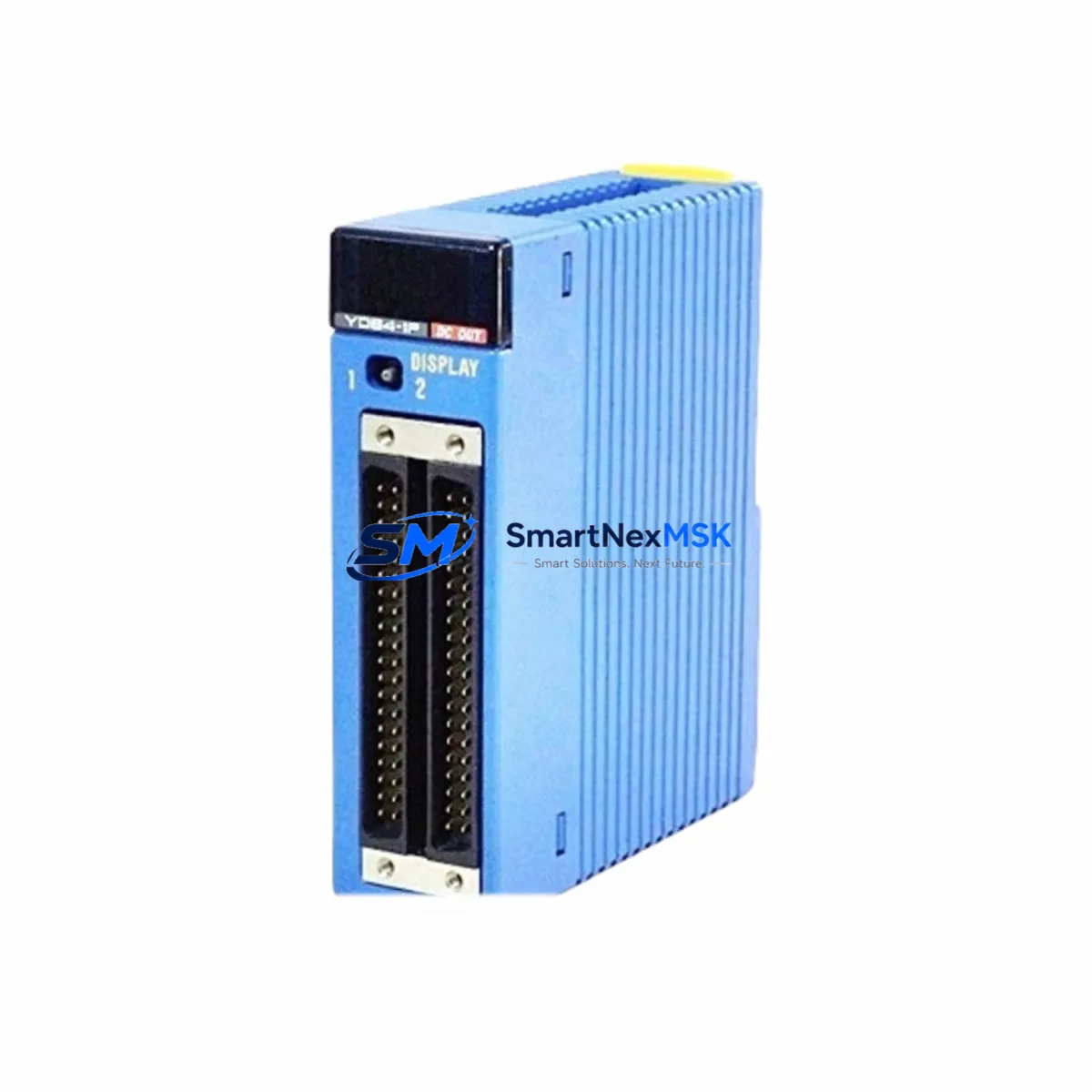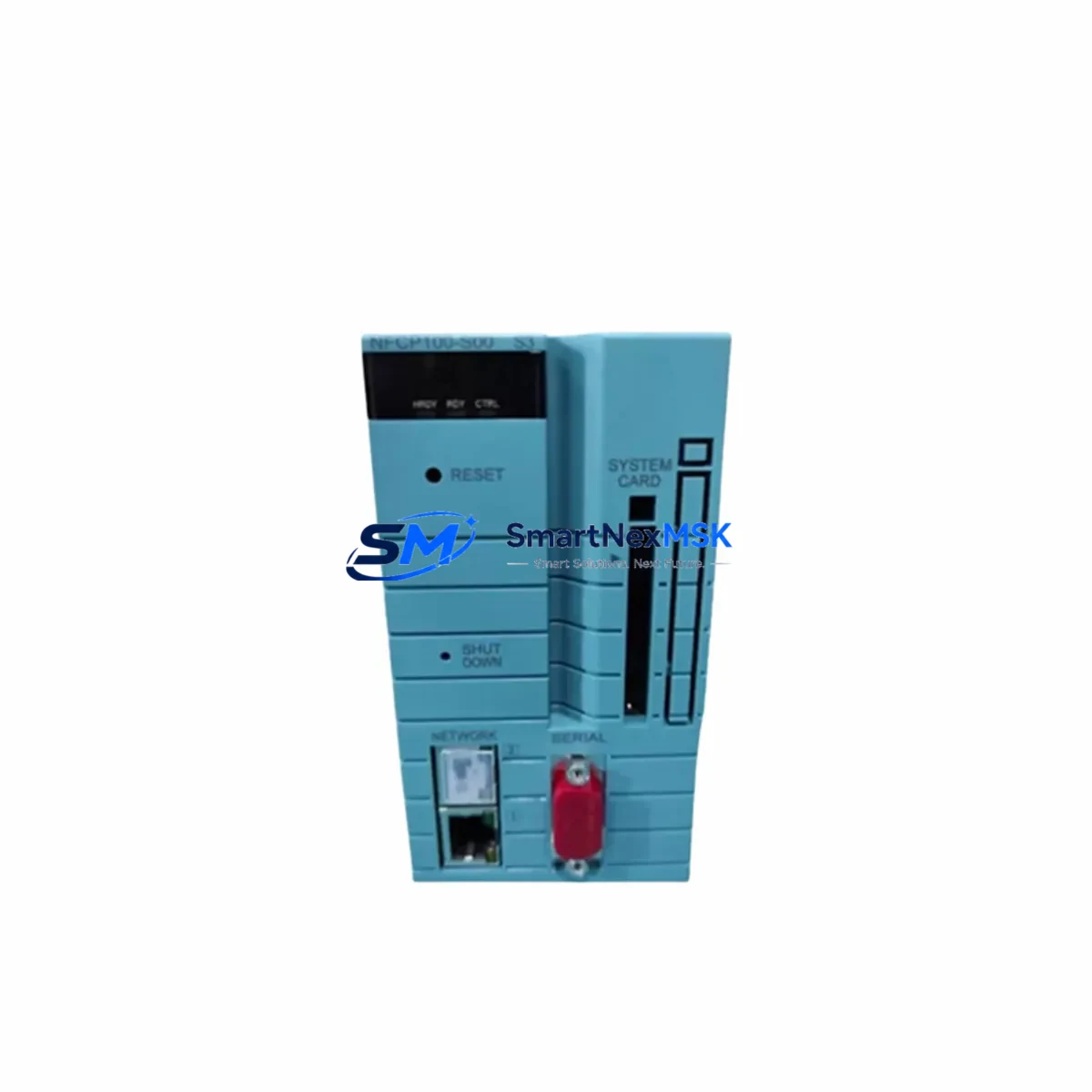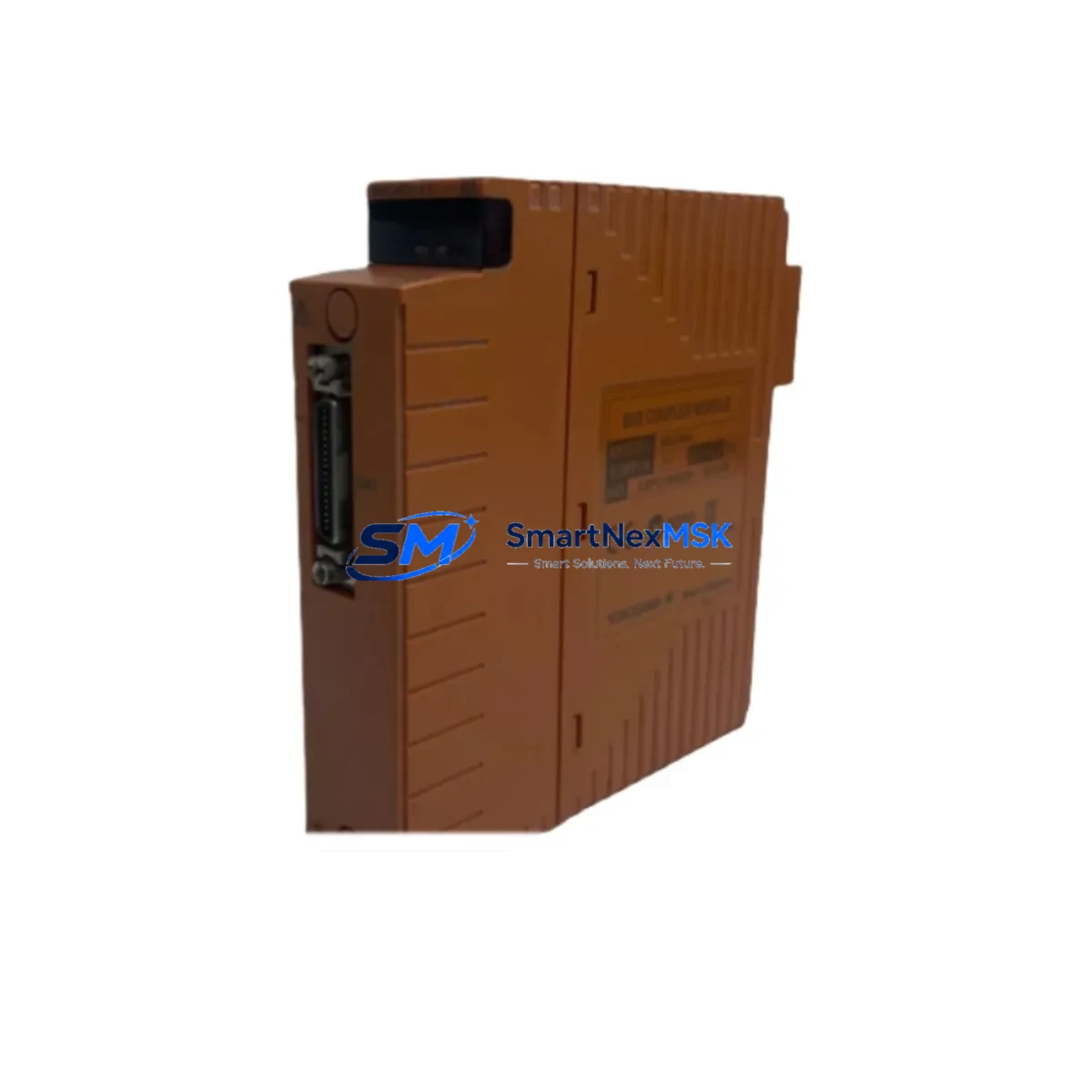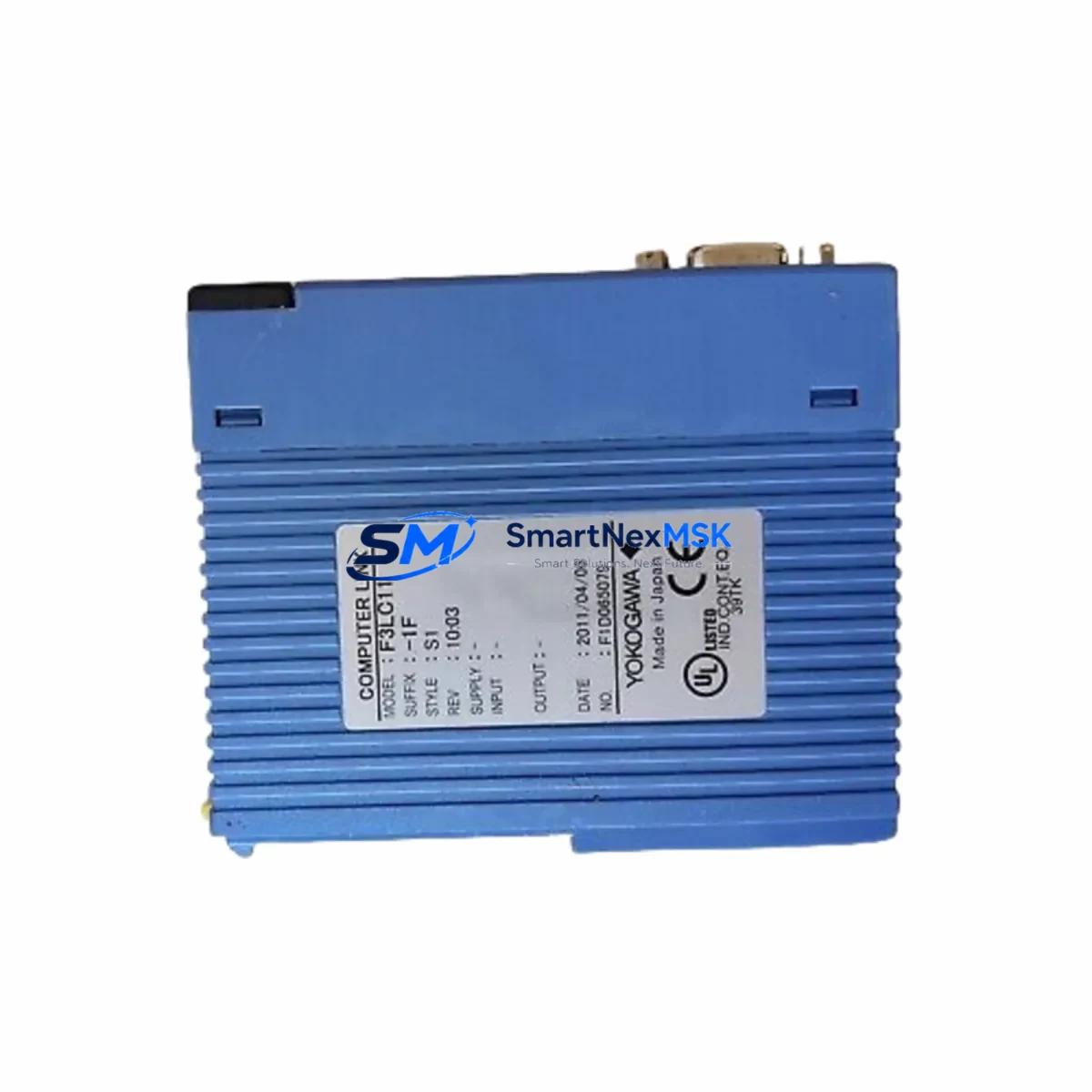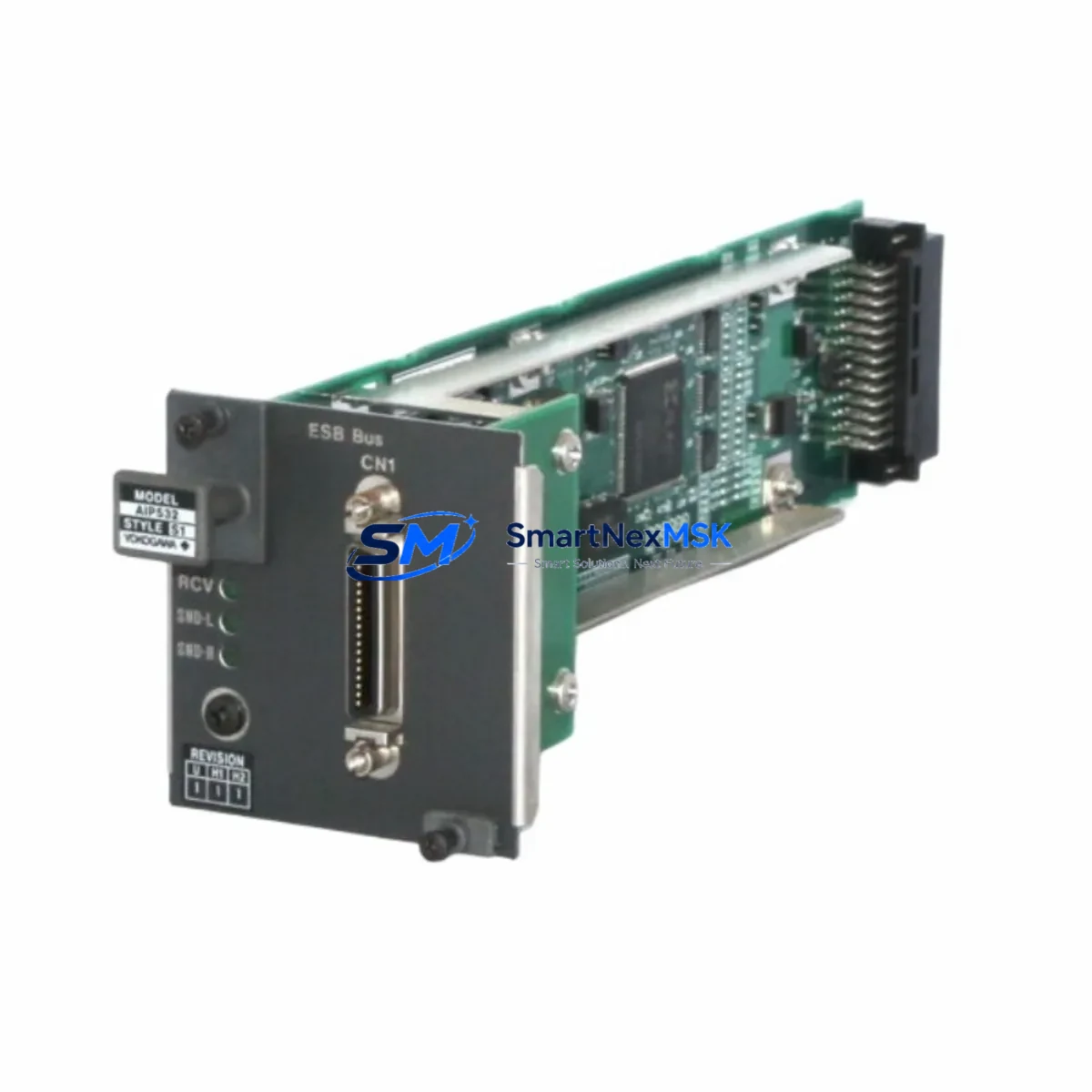
YOKOGAWA AIP532 S1 Retrofit-Ready ESB Bus Coupler for CENTUM Control Systems
The YOKOGAWA AIP532 S1 is an ESB (Extended Serial Backplane) Bus Coupler Module designed for seamless integration into CENTUM VP and CENTUM CS3000 distributed control system architectures. As legacy CENTUM installations age and original AIP532 units reach end-of-life, this module serves as a verified retrofit-ready replacement — preserving existing backplane wiring, I/O addressing, and communication topology without requiring controller reprogramming or HMI screen redesign.
For engineers managing aging process control infrastructure in refining, petrochemical, power generation, or pharmaceutical facilities, the AIP532 S1 provides a reliable path to extend system life while deferring full platform migration. Its compatibility with the CENTUM ESB bus architecture means that existing field wiring, terminal assignments, and module slot addressing remain intact during replacement, dramatically reducing commissioning time and unplanned downtime risk.
Upgrade Compatibility Table
| Parameter | Detail |
|---|---|
| SKU / Part Number | AIP532 S1 |
| Brand | YOKOGAWA |
| Module Type | ESB Bus Coupler Module |
| Compatible Platform | CENTUM VP, CENTUM CS3000 |
| Backplane Interface | ESB (Extended Serial Backplane) — direct slot replacement |
| Installation Requirement | Standard CENTUM node unit rack; no mechanical modification required |
| Communication Compatibility | ESB bus protocol; compatible with Vnet/IP and legacy Vnet topologies |
| Replacement Recommendation | Direct drop-in for failed or end-of-life AIP532 units; verify firmware revision before hot-swap |
| Commissioning Focus | Module address confirmation, ESB segment continuity check, I/O scan verification |
| Warranty | 12 Months — covers manufacturing defects and functional failure under normal operating conditions |
| Origin | Japan |
| Shipping | In-stock; global express available |
Retrofit Planning for Existing Automation Systems
Successful replacement of the AIP532 S1 in an operating CENTUM environment requires systematic pre-work across several engineering disciplines. Before removing the failed unit, engineers should document the current ESB segment configuration using CENTUM Engineering Builder, noting the node address, slot position, and any redundancy pairing with a secondary bus coupler. If the installation uses a redundant ESB pair — common in safety-critical loops — the standby coupler must be confirmed healthy before the primary is taken offline.
Power supply capacity is a critical verification step. The AIP532 S1 draws its operating power from the node unit’s internal bus; confirm that the YOKOGAWA PW481 or equivalent node power supply module is within its rated load budget before adding or replacing bus coupler modules. Overloaded power supplies are a common root cause of intermittent bus faults that are misdiagnosed as coupler failures.
Terminal wiring on the ESB backplane is fixed and does not require field rewiring during a like-for-like AIP532 replacement. However, if the retrofit involves migrating from an older AIP531 or AIP533 variant, verify that the ESB segment termination resistors and cable lengths comply with the updated CENTUM hardware specifications. Segment length violations frequently cause CRC errors that appear only under high I/O scan rates.
For sites upgrading from CENTUM CS3000 to CENTUM VP, the AIP532 S1 supports both platforms, making it a practical bridging component during phased migration. During this transition, the ACF11 communication field module and ALR111 alarm management module can typically remain in service, reducing the scope of hardware change-out. The AMN11 node unit and associated AIP532 bus couplers form the backbone of the I/O subsystem and should be treated as a matched set during any node-level upgrade.
HMI continuity is another key concern. CENTUM VP’s HIS (Human Interface Station) graphic screens reference I/O tags by function block address rather than physical slot, so a slot-for-slot AIP532 replacement will not trigger tag remapping. However, if the retrofit involves renumbering ESB segments or reassigning node addresses — common when consolidating aging node units — a full HMI tag audit using CENTUM’s FCS (Field Control Station) builder is mandatory before restart.
Sites using FOUNDATION Fieldbus or HART field instruments connected through CENTUM I/O modules such as the AAI141 analog input module should verify that the bus coupler replacement does not interrupt the fieldbus segment power or polling cycle. A brief ESB segment reset during module swap can cause HART primary variable dropouts that trigger false alarms in the safety instrumented system if interlock logic is not properly inhibited beforehand.
Downtime Control During System Migration
Minimizing process disruption during an AIP532 S1 replacement begins with a structured pre-outage checklist. First, place all affected control loops in manual mode at the FCS level — do not rely solely on operator station manual override, as FCS auto-restart after a bus fault can re-engage automatic control before the operator is ready. Second, inhibit all alarms associated with the affected ESB segment to prevent nuisance trips during the module swap window.
The physical replacement of the AIP532 S1 is a cold-swap procedure on non-redundant nodes. Power down the affected node unit using the node power switch rather than pulling the module under live bus conditions, which can corrupt the ESB segment configuration stored in the FCS memory. On redundant node configurations, the switchover to the standby node should be initiated from Engineering Builder and confirmed stable before the primary node is de-energized.
After installing the replacement AIP532 S1, restore node power and allow the FCS to complete its self-diagnostic cycle — typically 30 to 90 seconds depending on the number of I/O modules in the node. Monitor the CENTUM system alarm display for ESB communication errors during this window. A clean restart with no bus fault alarms confirms successful module seating and address recognition. Return loops to automatic control in sequence, starting with the least critical process variables, and verify each loop’s PV reading against the field instrument before releasing to full automatic.
For sites with strict change management requirements, the entire swap procedure — from loop-to-manual to return-to-auto — can typically be completed within a 45-minute maintenance window on a single non-redundant node, making the AIP532 S1 replacement compatible with most planned turnaround schedules without requiring a full process shutdown.
Retrofit Support FAQ
Q1: Is the AIP532 S1 a direct replacement for all AIP532 variants?
The AIP532 S1 is the standard single-slot ESB bus coupler for CENTUM VP and CS3000 node units. It is a direct mechanical and electrical replacement for other AIP532 suffix variants in most applications. Before installation, confirm the firmware revision compatibility using CENTUM Engineering Builder’s hardware compatibility matrix, particularly if the FCS is running an older software release. No wiring changes are required for like-for-like replacement.
Q2: Can the AIP532 S1 be installed while the node is powered (hot-swap)?
Hot-swap is supported only on redundant node configurations where a healthy standby bus coupler is active. On non-redundant nodes, the AIP532 S1 must be replaced with the node powered down to prevent ESB segment corruption and potential FCS fault. Always follow YOKOGAWA’s site-specific maintenance procedure and confirm the node redundancy status in Engineering Builder before attempting any live module exchange.
Q3: What commissioning checks are required after replacing the AIP532 S1?
After installation, verify: (1) no ESB communication fault alarms in the CENTUM system alarm display; (2) all I/O modules in the node are recognized and scanning normally; (3) analog input modules such as the AAI141 are returning valid PV values within expected engineering unit ranges; (4) any HART or Fieldbus instruments connected through the node are communicating without polling errors. Document the replacement in the site’s MOC (Management of Change) record and retain the 12-month warranty certificate for the installed unit.
Q4: What does the 12-month warranty cover?
All AIP532 S1 units supplied by SMARTNEXMSK carry a 12-month warranty from the date of shipment, covering manufacturing defects and functional failure under normal operating conditions as defined by YOKOGAWA’s published environmental and electrical specifications. Each unit undergoes pre-shipment functional testing. Warranty claims are processed via [email protected] with proof of purchase and a fault description. Physical damage, incorrect installation, or operation outside rated parameters are excluded from warranty coverage.
© 2026 SMARTNEXMSK. All rights reserved.
Original Source: https://smartnexmsk.com
Contact: [email protected] | +86 18259474341