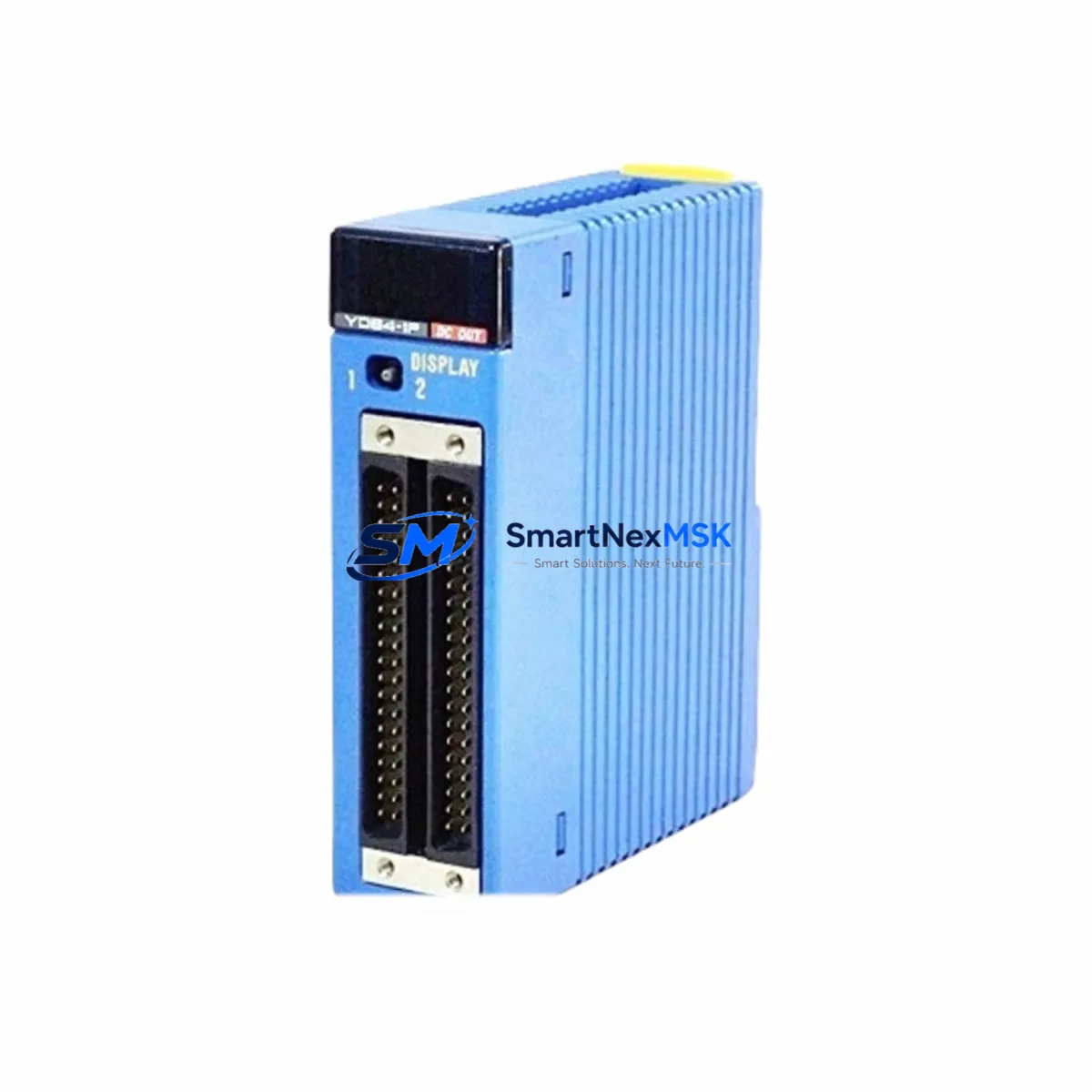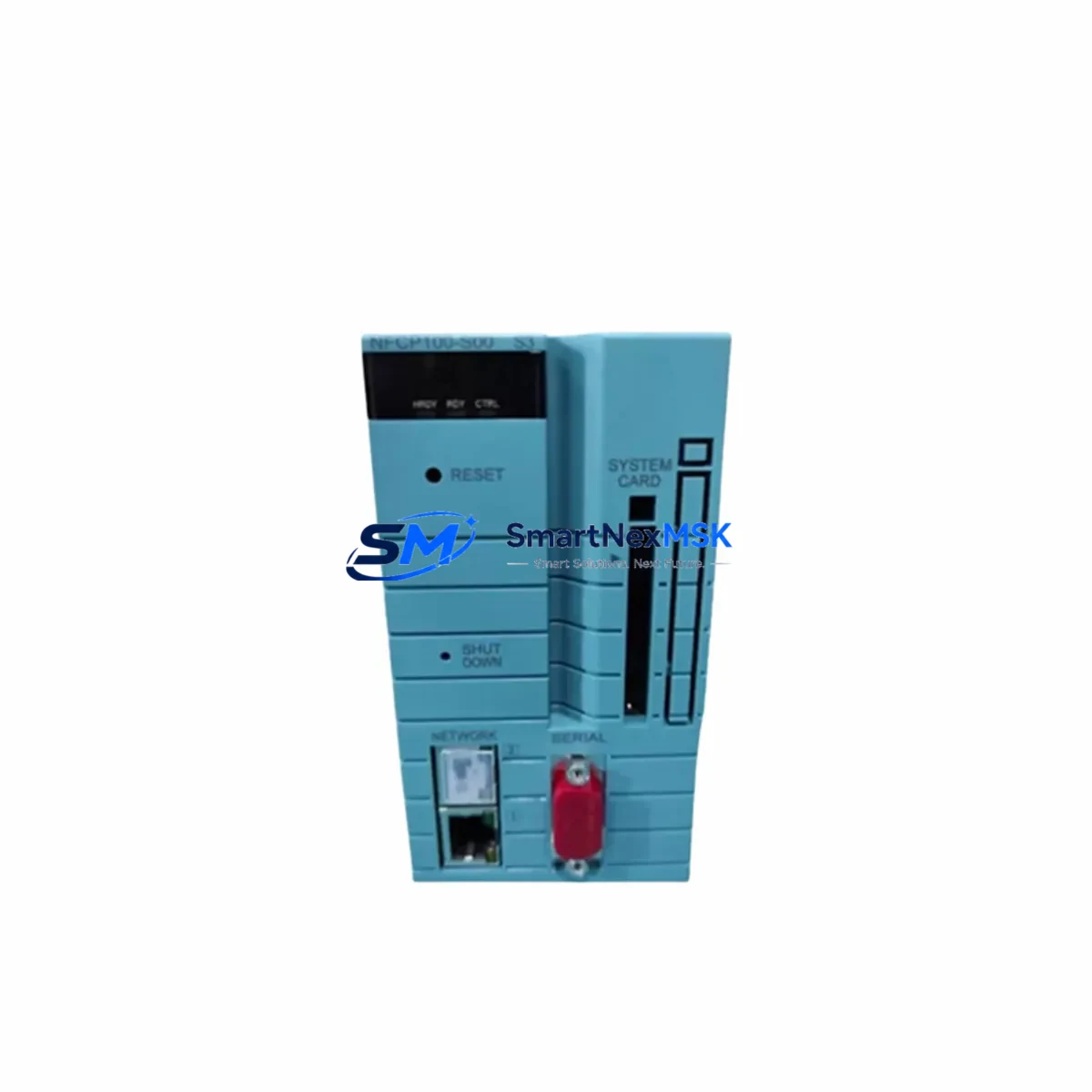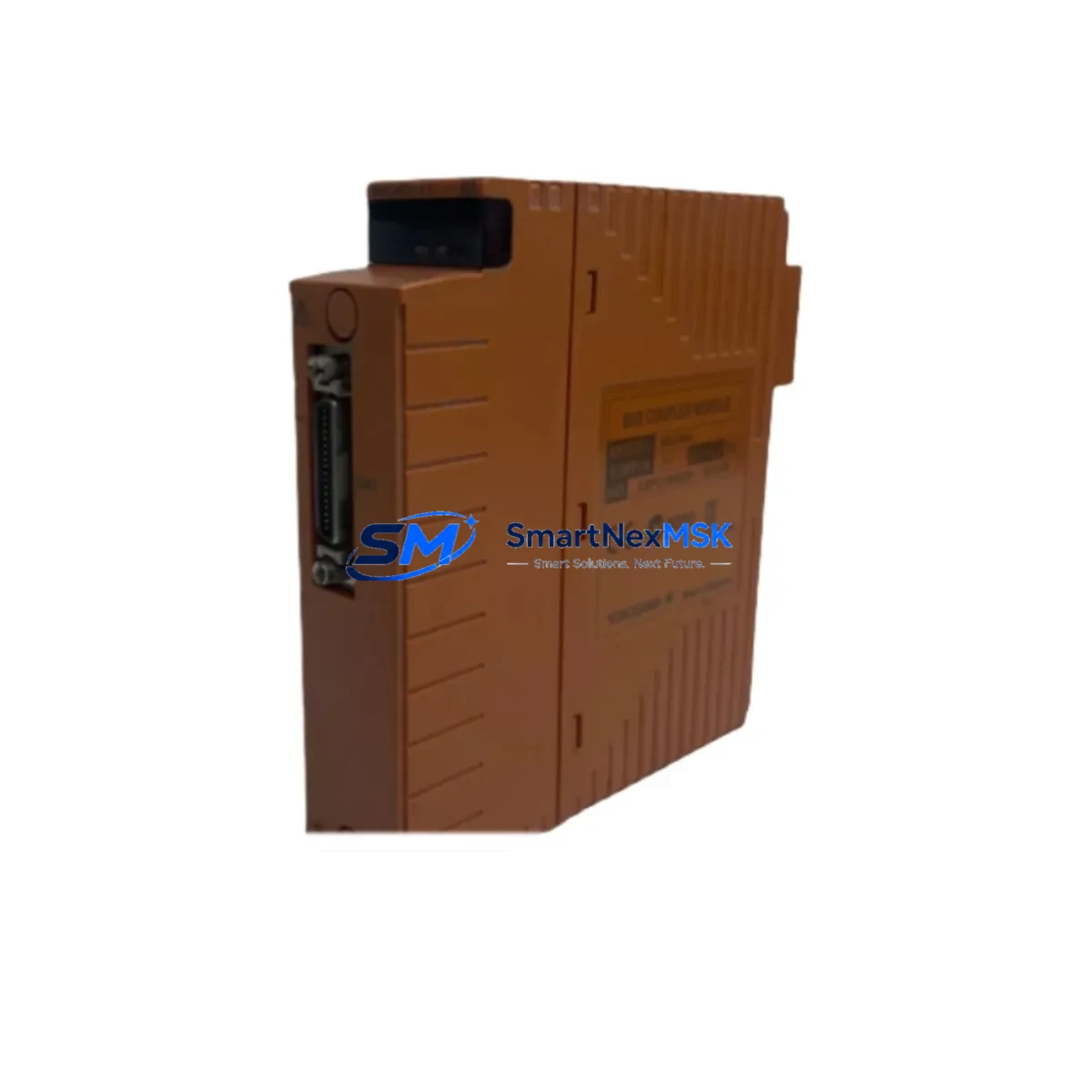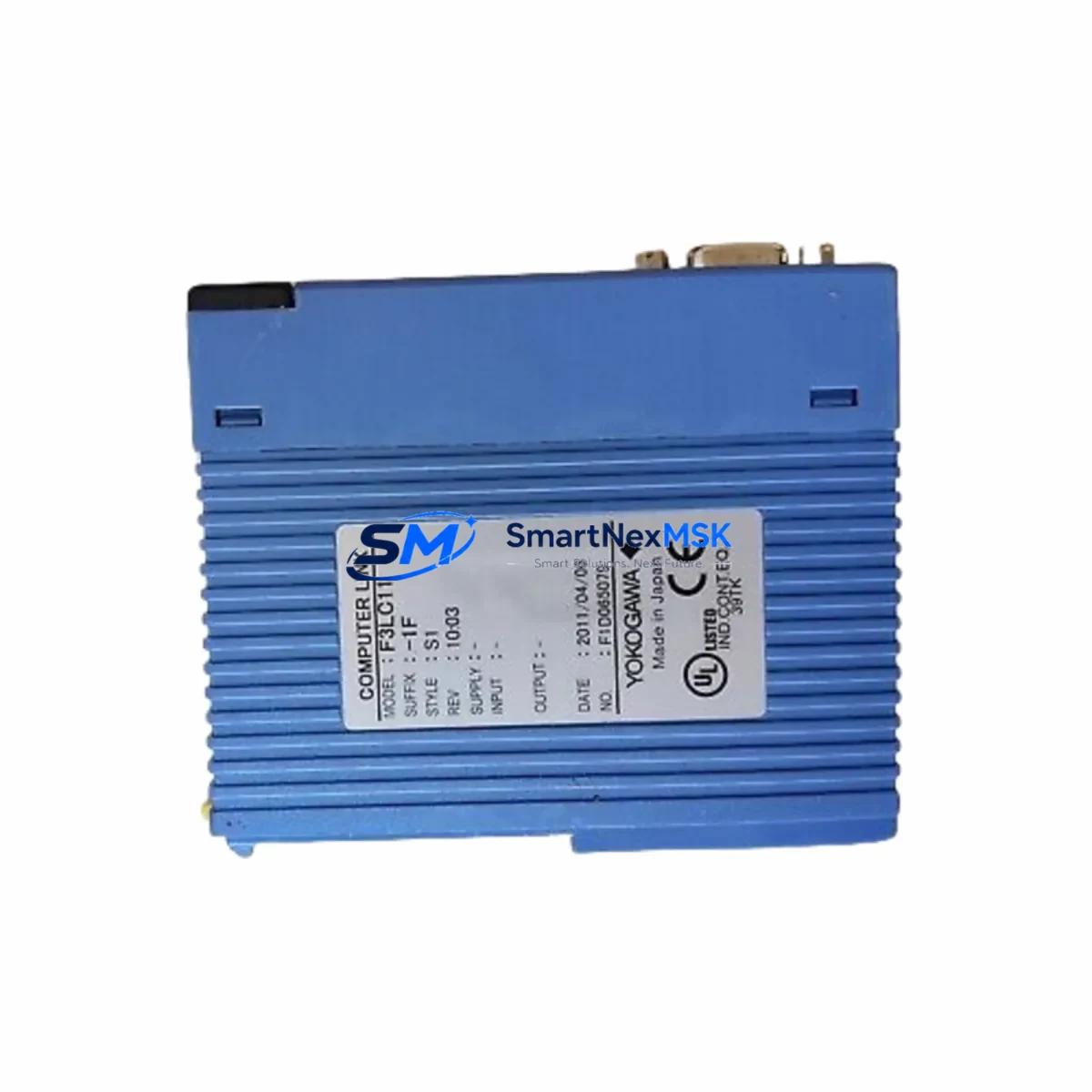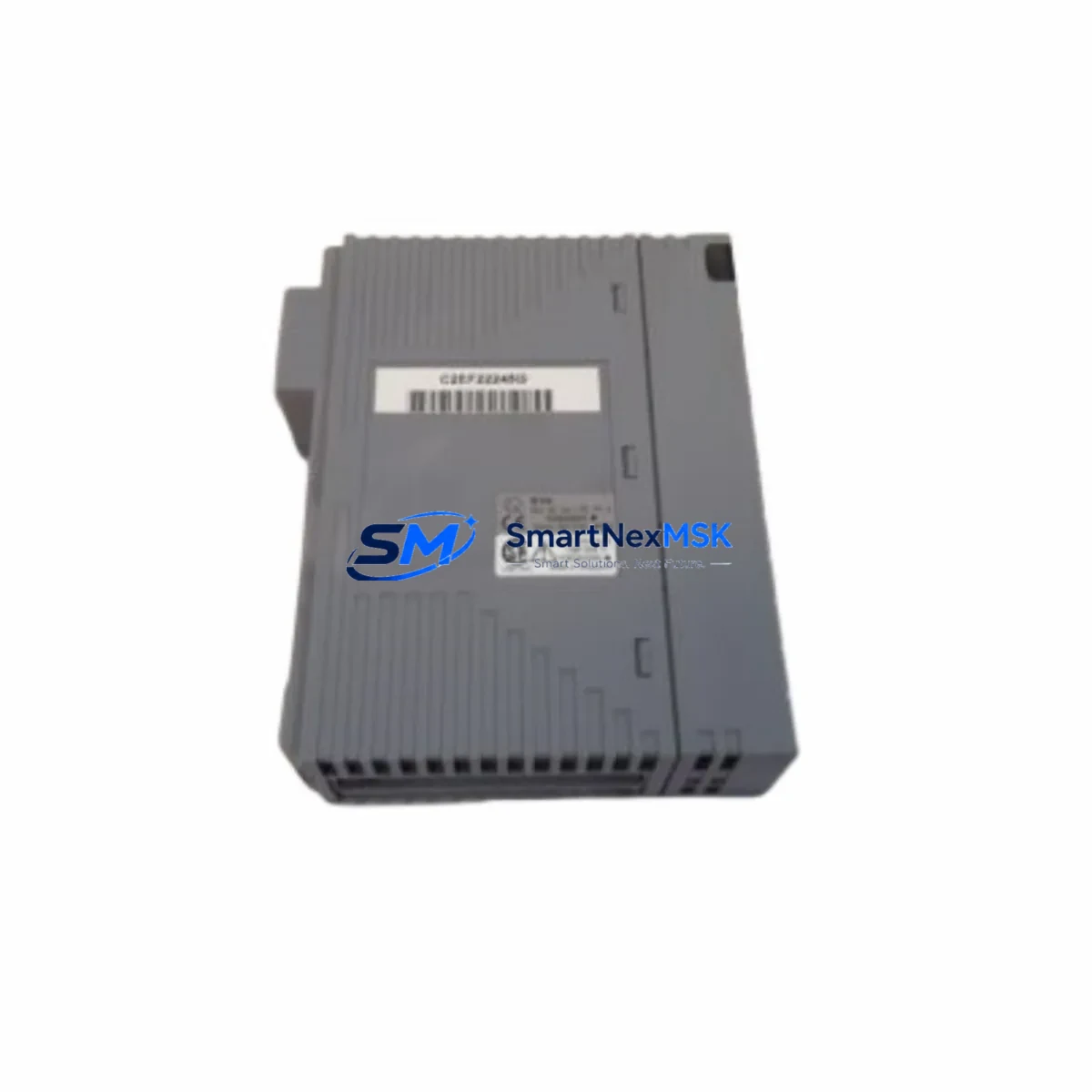
Yokogawa ALP121-S00 S2 Spare for CENTUM Automation: Spare Replacement & Industrial Downtime Risk Control
The Yokogawa ALP121-S00 S2 is an original field bus communication module designed for deployment within Yokogawa CENTUM VP and CENTUM CS 3000 distributed control systems. In process industries — including oil & gas, petrochemical, power generation, and advanced manufacturing — the ALP121-S00 S2 serves as a critical link between the control domain and field instrumentation networks. When this module degrades or fails, the consequences extend beyond a single I/O point: entire field bus segments can go offline, triggering cascading alarms, loss of process visibility, and unplanned production shutdowns.
Sourced as an original Yokogawa spare, each ALP121-S00 S2 unit supplied by SMARTNEXMSK undergoes pre-shipment functional verification to confirm communication integrity, firmware revision compatibility, and physical condition. Our inventory is maintained specifically to support maintenance engineers and procurement teams who require fast, reliable access to genuine DCS components — without the lead times associated with OEM channels or the risk profile of uncertified aftermarket substitutes.
Spare Maintenance Table
| Parameter | Specification / Detail |
|---|---|
| SKU / Part Number | ALP121-S00 S2 |
| Brand | Yokogawa Electric Corporation |
| Module Type | Field Bus Communication Module (DCS) |
| Compatible Systems | CENTUM VP, CENTUM CS 3000 |
| Series | CENTUM (VP / CS 3000) |
| Communication Protocol | Yokogawa Field Bus (proprietary), compatible with CENTUM bus architecture |
| Installation Environment | Control cabinet / DCS node unit; industrial environment, IEC 61010 compliant |
| Operating Temperature | 0°C to 55°C (standard DCS cabinet conditions) |
| Weight | 220 g |
| Country of Origin | Japan |
| Firmware / Revision | S2 (hardware suffix; verify against existing node configuration) |
| Maintenance Recommendation | Inspect every 12–24 months; replace proactively if communication error counters are rising |
| Warranty | 12 Months — covers manufacturing defects and functional failure under normal operating conditions |
| Pre-Shipment Test | Yes — communication function and physical integrity verified before dispatch |
| Lead Time | In stock — typically ships within 1–3 business days |
Maintenance Planning for Continuous Operation
Replacing the ALP121-S00 S2 in a live CENTUM system is rarely an isolated task. Maintenance engineers conducting a planned or corrective replacement should treat the module swap as an opportunity to audit the surrounding control cabinet and field bus segment. Communication faults in DCS environments are frequently symptomatic of broader issues — degraded power supply rails, loose terminal connections, or aging I/O modules that are approaching end-of-life.
Before or during an ALP121-S00 S2 replacement, the following components and subsystems warrant inspection or parallel procurement:
- CENTUM VP Node Power Supply Units (e.g., Yokogawa PW481 or equivalent node PSU): Verify output voltage stability under load. A marginal power supply is a common root cause of intermittent communication module faults.
- Field Control Station (FCS) Backplane / Bus Coupler: Inspect the backplane connector seating and bus termination resistors. A corroded or loose backplane connection can cause the ALP121-S00 S2 to report communication errors even when the module itself is healthy.
- I/O Modules (e.g., AAI141, AAI543, ADV151): Field bus communication faults often surface first at the I/O layer. Check adjacent analog input/output and digital I/O modules for error flags or degraded signal quality.
- Relay Output Modules and Interposing Relays: In control cabinets where the ALP121-S00 S2 supports discrete output loops, inspect relay coil resistance and contact condition. Relay chatter or coil degradation can introduce noise on shared power rails.
- Communication Cables and Field Bus Wiring: Inspect shielded twisted-pair field bus cables for insulation damage, improper termination, or ground loops. Cable integrity is critical for sustained communication reliability.
- Terminal Blocks and Wiring Ferrules: Loose or oxidized terminal connections are a leading cause of intermittent faults in aging control cabinets. Re-torque and inspect all terminals in the affected node.
- Signal Isolators and Barriers: Where the field bus segment interfaces with hazardous area instrumentation, verify that Zener barriers or galvanic isolators are within specification and have not drifted.
- HMI Communication Interface Cards: If the CENTUM system uses a dedicated HMI communication card (e.g., for FAST/TOOLS or Exaopc historian integration), confirm that the HMI link remains stable after the module replacement and that no address conflicts exist.
- Fuses and Circuit Protection: Check cabinet fuse ratings and condition for all circuits associated with the replaced node. A blown or weakened fuse on the 24 VDC instrument bus can cause the ALP121-S00 S2 to power cycle intermittently.
- Yokogawa CENTUM VP Engineering Station (EWS): After replacement, use the EWS to perform a communication test, confirm module recognition, and verify that all field bus addresses are correctly assigned and error-free.
Procurement engineers should consider holding at least one ALP121-S00 S2 as a cold standby spare, particularly for CENTUM systems operating in continuous-process environments where unplanned downtime carries significant financial and safety consequences. Long-term supply continuity for legacy CENTUM CS 3000 components is not guaranteed through OEM channels; maintaining a verified spare in your local inventory is the most reliable downtime mitigation strategy.
Site Replacement Workflow
The ALP121-S00 S2 is designed for hot-swap or cold-swap replacement depending on the CENTUM system configuration and site safety procedures. The following workflow is recommended for maintenance teams executing a field replacement:
- Pre-Replacement Verification: Confirm the replacement unit’s hardware suffix (S2) matches the installed module. Mismatched hardware revisions can cause initialization failures or reduced functionality. Cross-reference the CENTUM VP engineering database for the node’s configured module type.
- System State Assessment: Determine whether the affected field bus segment can be taken offline without process impact, or whether a hot-swap procedure is required. Coordinate with the control room operator before proceeding.
- Physical Replacement: Follow Yokogawa’s standard ESD precautions. Remove the faulty ALP121-S00 S2 by releasing the module latch, disconnect any field bus connectors, and seat the replacement module firmly until the latch engages.
- Communication Restoration: Power up the node and monitor the CENTUM VP system display for module recognition. The replacement module should auto-configure from the FCS database within the standard initialization window.
- Post-Replacement Functional Test: Verify all field bus devices on the segment are communicating correctly. Check I/O values against field readings and confirm no residual alarms remain active.
- Documentation: Record the replacement in the site maintenance log, including the old module’s serial number, fault symptoms, and the date of replacement. Update the spare parts inventory accordingly.
This workflow applies equally to planned maintenance replacements and emergency corrective actions. Having a pre-tested ALP121-S00 S2 spare on hand reduces the critical-path duration of this procedure from days (OEM procurement) to hours (local spare deployment).
Spare Parts Support FAQ
Q1: Is the ALP121-S00 S2 supplied by SMARTNEXMSK an original Yokogawa component?
Yes. All ALP121-S00 S2 units are original Yokogawa Electric Corporation components. We do not supply remanufactured, cloned, or third-party substitute modules. Each unit is inspected and functionally tested prior to shipment to confirm communication integrity and physical condition.
Q2: What is the warranty coverage and what does it include?
Every ALP121-S00 S2 is covered by a 12-month warranty from the date of shipment. The warranty covers manufacturing defects and functional failure under normal DCS operating conditions. It does not cover damage resulting from incorrect installation, overvoltage events, or physical mishandling. Warranty claims are processed promptly with replacement or refund options.
Q3: How do I confirm compatibility with my existing CENTUM VP or CS 3000 system before ordering?
Provide your system’s FCS model number, existing module hardware suffix, and CENTUM software version to our technical team at [email protected]. We will cross-reference your configuration and confirm compatibility before the order is processed. For CS 3000 systems, hardware suffix matching (S2) is particularly important and should be verified against the engineering database.
Q4: What is your typical lead time and do you support emergency orders?
The ALP121-S00 S2 is maintained in stock for immediate dispatch. Standard orders ship within 1–3 business days. For emergency downtime situations, contact us directly at +86 18259474341 to arrange priority processing and expedited freight. We understand that every hour of unplanned DCS downtime has measurable production and safety implications, and we structure our fulfillment operations accordingly.
© 2026 SMARTNEXMSK. All rights reserved.
Original Source: https://smartnexmsk.com
Contact: [email protected] | +86 18259474341