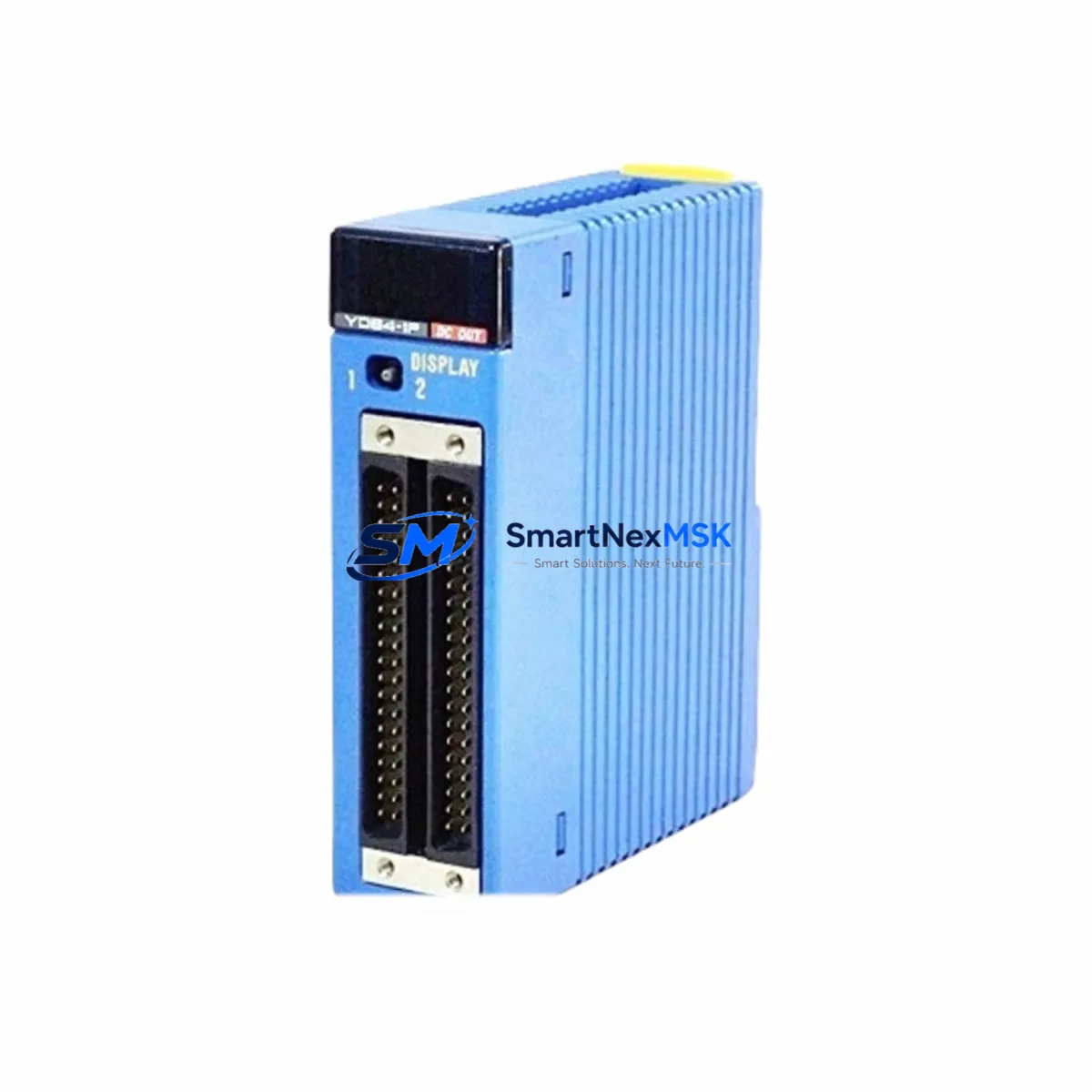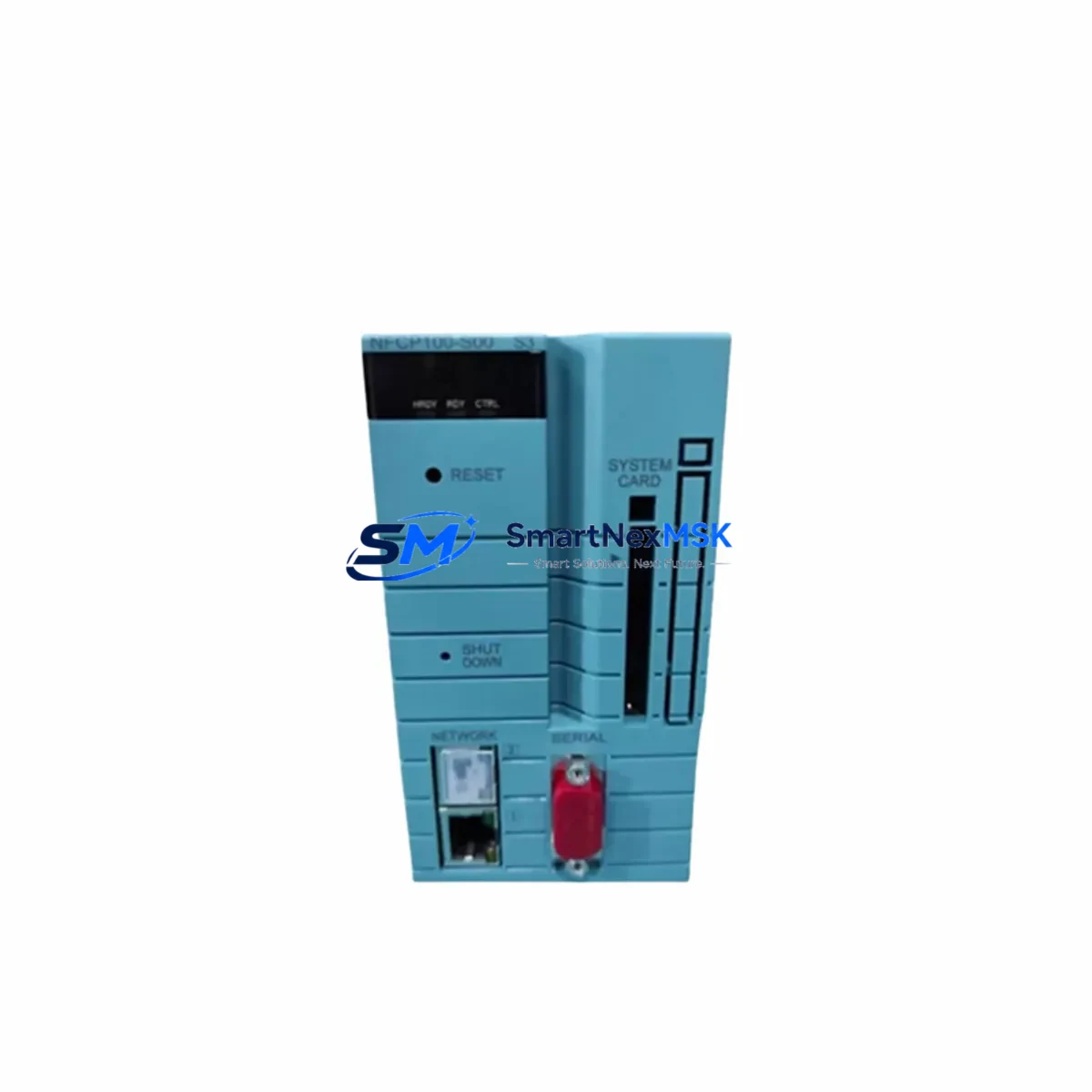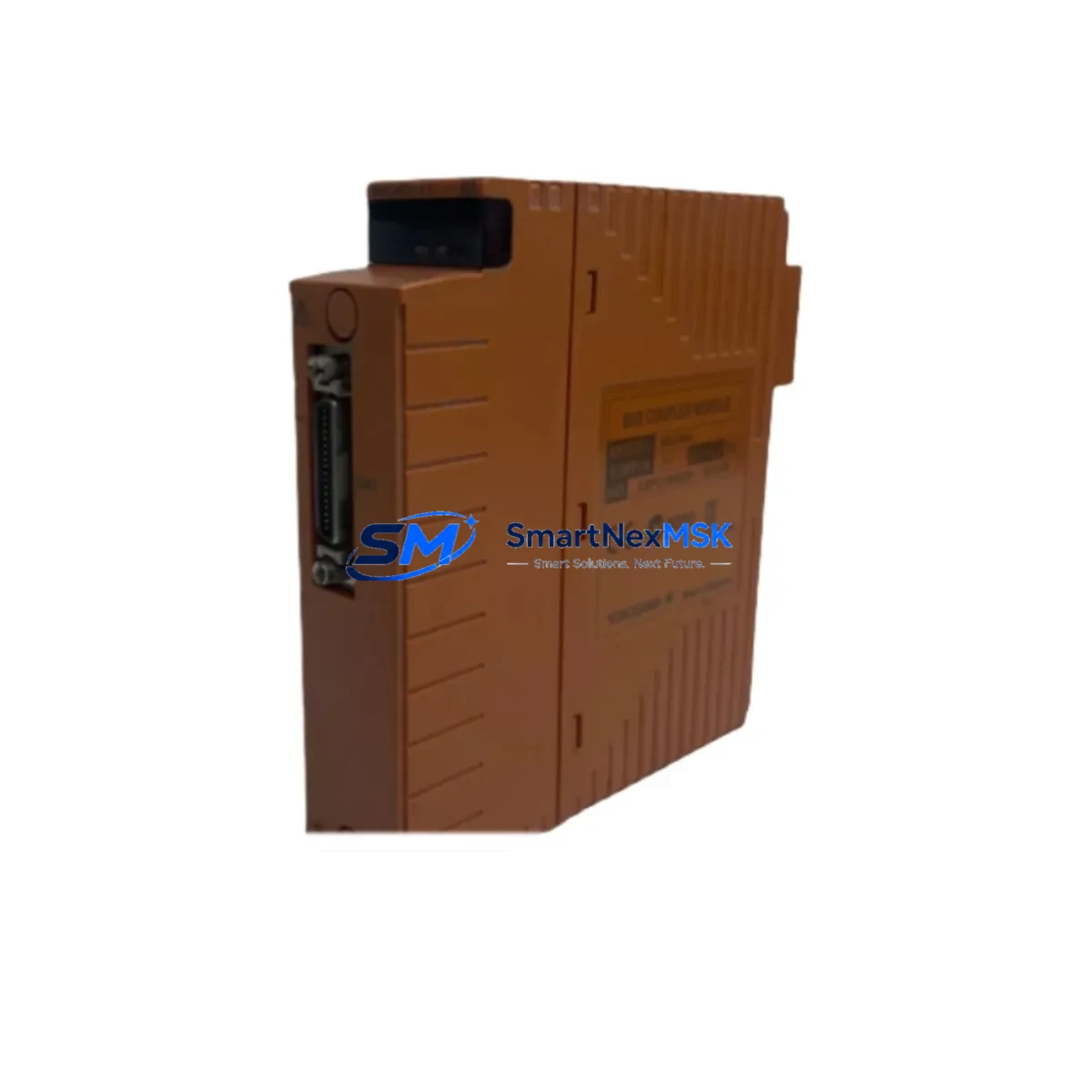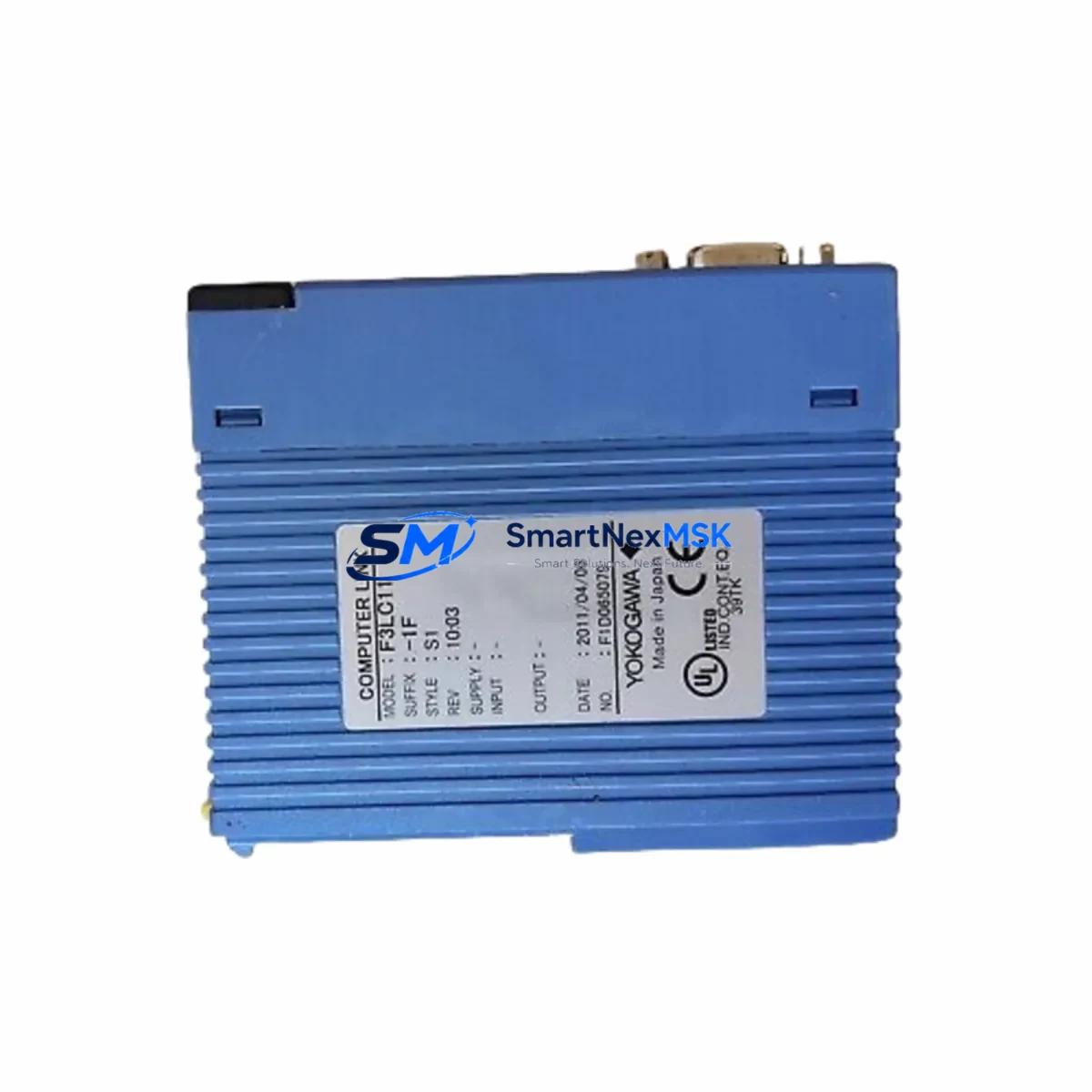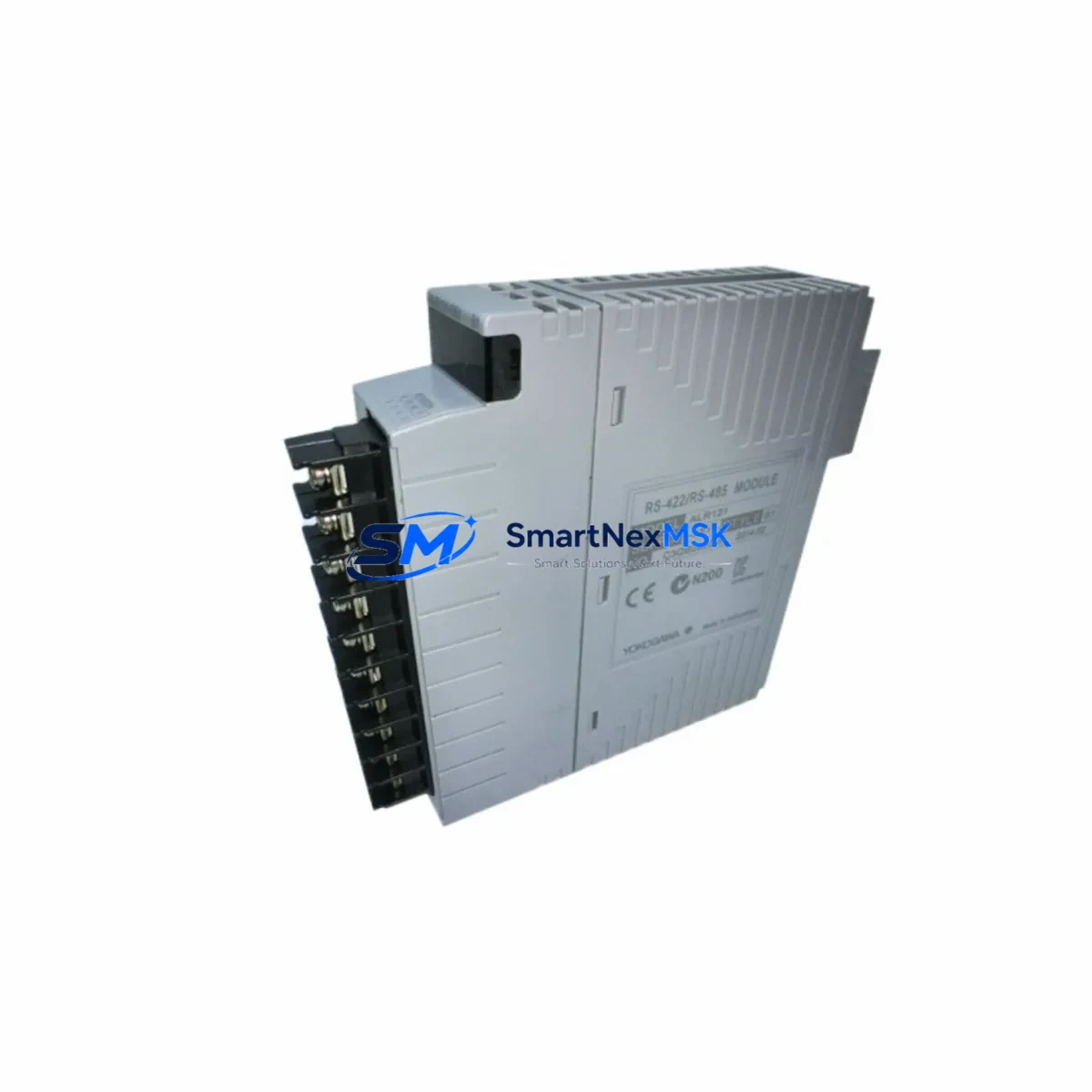
YOKOGAWA ALR121-S51 Retrofit-Ready Link Module for CENTUM VP Control Systems
The YOKOGAWA ALR121-S51 is a high-reliability communication link module designed for integration within CENTUM VP distributed control system architectures. As legacy CENTUM CS 3000 and earlier CENTUM VP subsystems approach end-of-life, the ALR121-S51 has become a critical retrofit component for engineers tasked with modernizing control infrastructure without full system replacement. This module supports seamless migration from older Vnet/IP backbone configurations, enabling plants to extend operational life while preserving existing field wiring, I/O mapping, and HMI display logic.
Whether you are replacing a failed unit in an active production environment or executing a planned upgrade of a legacy control cabinet, the ALR121-S51 provides the electrical and protocol compatibility required to maintain system continuity. Its compact form factor fits standard YOKOGAWA node unit racks, and its Vnet/IP communication interface ensures backward compatibility with existing FCS (Field Control Station) configurations. Engineers replacing older ALR111 or ALR121 variants will find the S51 suffix designation indicates a specific hardware revision optimized for enhanced noise immunity and extended temperature tolerance — both critical in heavy industrial environments such as petrochemical, power generation, and pulp and paper facilities.
Procurement teams sourcing ALR121-S51 as a spare or retrofit unit should verify the current firmware revision of the target FCS node before installation. In most CENTUM VP R5 and R6 environments, the module is recognized automatically upon rack insertion, but older R3 installations may require a manual address assignment via the CENTUM VP Engineering Environment (ENG) workstation. Confirm that the node unit’s power supply module — typically an ESB Bus interface card paired with a dedicated 24VDC power supply — can support the additional load introduced by the ALR121-S51 before committing to installation.
Terminal wiring compatibility is a key consideration during retrofit planning. The ALR121-S51 connects via the ESB Bus backplane rather than direct field wiring, so terminal block reassignment is generally not required. However, if the retrofit involves migrating from a CENTUM CS 3000 node to a CENTUM VP node unit, engineers must audit the existing I/O module assignments — including AAI141, AAI543, and ADV151 analog I/O modules — to ensure address continuity in the new rack configuration. Any address conflict will require a corresponding update in the FCS control logic and may trigger alarm suppression procedures during the cutover window.
HMI screen compatibility is another area requiring pre-migration validation. CENTUM VP HIS (Human Interface Station) displays referencing the communication link status of the ALR121-S51 node must be reviewed in CENTUM VP’s graphic builder to confirm that tag references remain valid after module replacement. In most cases, tag names are preserved if the FCS domain and station number remain unchanged, but any rack slot reassignment will require a corresponding update in the HIS project database.
For plants operating mixed-generation YOKOGAWA systems — for example, a CENTUM VP FCS communicating with a legacy STARDOM FCN/FCJ controller or a ProSafe-RS safety instrumented system — the ALR121-S51’s Vnet/IP interface supports coexistence on the same control network segment, provided VLAN segmentation and network switch configurations comply with YOKOGAWA’s recommended network architecture. Coordination with the site’s network infrastructure team is advised before any live cutover.
SMARTNEXMSK maintains verified stock of the ALR121-S51 and ships with full functional testing documentation. Each unit is covered by a 12-month warranty against manufacturing defects. Expedited shipping is available for emergency breakdown situations.
Upgrade Compatibility Table
| Parameter | ALR121-S51 Specification | Retrofit Notes |
|---|---|---|
| Communication Interface | Vnet/IP (100BASE-TX) | Compatible with CENTUM VP R3–R6; verify switch port speed settings |
| Rack / Backplane | ESB Bus (YOKOGAWA Node Unit) | Direct replacement for ALR111, ALR121 in same rack slot |
| Power Consumption | Approx. 3.5W (24VDC via backplane) | Verify node power supply capacity before installation |
| Module Address Assignment | Auto (R5/R6) / Manual (R3) | Use ENG workstation for manual address config on older FCS |
| I/O Module Compatibility | AAI141, AAI543, ADV151, ADA141, AAT141 | Audit slot assignments before rack migration |
| HMI Tag Compatibility | Preserved if FCS domain/station unchanged | Review HIS graphic builder after any slot reassignment |
| Safety System Coexistence | ProSafe-RS via Vnet/IP segment | VLAN segmentation required per YOKOGAWA network guidelines |
| Operating Temperature | 0°C to 60°C | S51 revision: enhanced noise immunity vs. earlier revisions |
| Warranty | 12 Months | Covers manufacturing defects; functional test report included |
| Replacement Path | ALR111 → ALR121 → ALR121-S51 | S51 is the current recommended revision for new retrofits |
Retrofit Planning for Existing Automation Systems
A successful ALR121-S51 retrofit begins with a thorough audit of the existing node unit rack. In a typical CENTUM VP cabinet, the node unit houses the ESB Bus interface alongside a mix of analog and digital I/O modules. Common co-installed modules include the AAI141 4-channel analog input, the ADV151 16-channel digital input, and the ADA141 analog output module. Before removing the legacy communication link module, document all slot assignments and verify that the FCS control logic does not reference any slot-specific hardware addresses that would be invalidated by the swap.
The node unit’s power supply — often a dedicated 24VDC rail fed through a terminal block assembly within the control cabinet — must be confirmed to have sufficient headroom for the ALR121-S51’s power draw. In cabinets where multiple node units share a common power bus, a load calculation should be performed before proceeding. If the existing power supply is marginal, a parallel power supply module may need to be added to the cabinet before the retrofit can proceed safely.
For sites migrating from CENTUM CS 3000 to CENTUM VP, the process typically involves installing a new CENTUM VP FCS node unit in parallel with the legacy system, transferring I/O module assignments progressively, and using the CENTUM VP ENG workstation to download the migrated control logic. The ALR121-S51 serves as the communication backbone for the new node, linking it to the Vnet/IP control network where the CENTUM VP HIS and the plant historian — often a Exaquantum server — reside. Programming cables such as the KS1-USB or equivalent are used during the initial FCS commissioning phase to establish the engineering connection before the Vnet/IP link is live.
Sites operating STARDOM FCN/FCJ remote I/O nodes connected to the CENTUM VP domain should verify that the Vnet/IP network switch configuration supports the additional node introduced by the ALR121-S51 retrofit. Managed switches with IGMP snooping enabled are recommended to prevent multicast flooding on the control network segment. Coordination with the site’s DCS network administrator is essential before any live cutover.
Downtime Control During System Migration
Minimizing unplanned downtime during an ALR121-S51 retrofit requires a structured cutover plan. The recommended approach is to pre-configure the replacement module offline using the CENTUM VP ENG workstation, download the FCS project to the new node unit in a bench environment, and verify communication link status before the module is installed in the live cabinet. This offline pre-commissioning step eliminates the majority of configuration-related delays during the actual cutover window.
During the live cutover, the sequence should follow a defined procedure: place the affected FCS in manual control mode, notify the HIS operators to suppress relevant alarms, remove the legacy communication link module, install the ALR121-S51, and restore automatic control mode once the Vnet/IP link status indicator confirms successful network registration. In most CENTUM VP R5 and R6 environments, the entire hot-swap sequence can be completed within a 15–30 minute maintenance window, provided the pre-commissioning steps have been completed correctly.
Original FCS control logic — including PID loop parameters, interlock conditions, and sequence control tables — is preserved in the FCS project database and is not affected by the communication link module replacement. HMI display continuity is maintained as long as the FCS domain number and station number remain unchanged. If the retrofit involves a station number change, a full HIS project rebuild and download will be required, which should be scheduled as a separate maintenance activity to avoid extending the cutover window.
Retrofit Support FAQ
Q: Is the ALR121-S51 a direct drop-in replacement for the ALR121 and ALR111?
A: Yes, the ALR121-S51 is backward compatible with the ALR121 and ALR111 in the same ESB Bus rack slot. The S51 hardware revision introduces enhanced noise immunity and is the current recommended replacement for both discontinued variants. No rack modification is required for a like-for-like slot swap.
Q: What commissioning steps are required after installing the ALR121-S51?
A: In CENTUM VP R5 and R6 environments, the module is recognized automatically upon rack insertion and the Vnet/IP link is established without manual intervention. In R3 environments, a manual module address assignment is required via the ENG workstation. After installation, verify the link status LED on the module front panel and confirm the FCS node appears online in the CENTUM VP System View before returning the loop to automatic control.
Q: How do I verify wiring and terminal compatibility before installation?
A: The ALR121-S51 connects via the ESB Bus backplane and does not require direct field terminal wiring. Terminal block compatibility checks are only required if the retrofit involves migrating I/O modules to a new rack, in which case the existing terminal block assemblies and marshalling wiring should be audited against the new slot assignments documented in the FCS project.
Q: What does the 12-month warranty cover, and is a functional test report included?
A: The 12-month warranty covers manufacturing defects and component failures under normal operating conditions. Each ALR121-S51 unit shipped by SMARTNEXMSK includes a functional test report confirming communication link initialization, backplane interface integrity, and Vnet/IP registration. Units are tested prior to dispatch to minimize the risk of DOA failures in critical retrofit applications.
© 2026 SMARTNEXMSK. All rights reserved.
Original Source: https://smartnexmsk.com
Contact: [email protected] | +86 18259474341