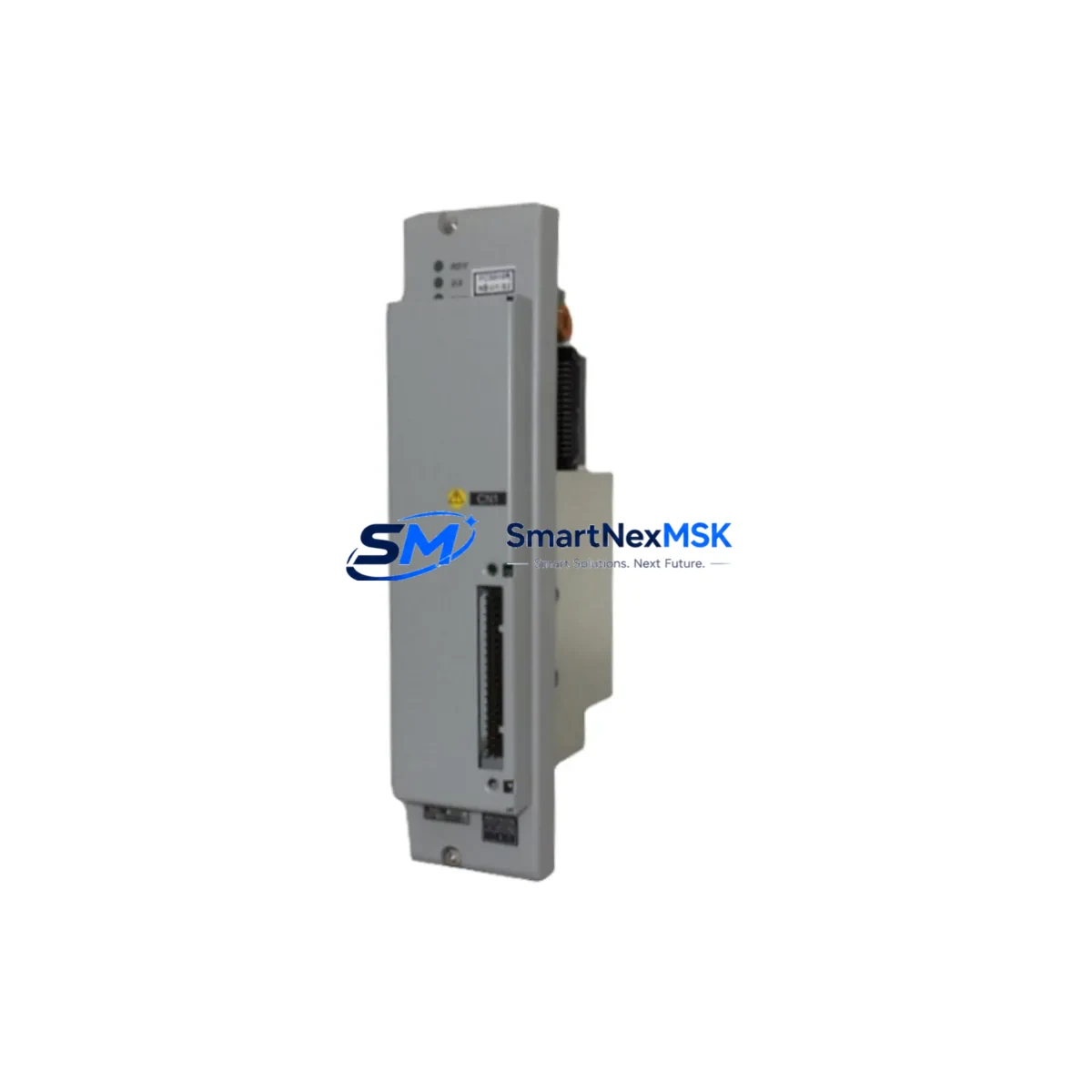
Yokogawa AMC80 S1 Maintenance-Ready Spare for CENTUM VP Automation
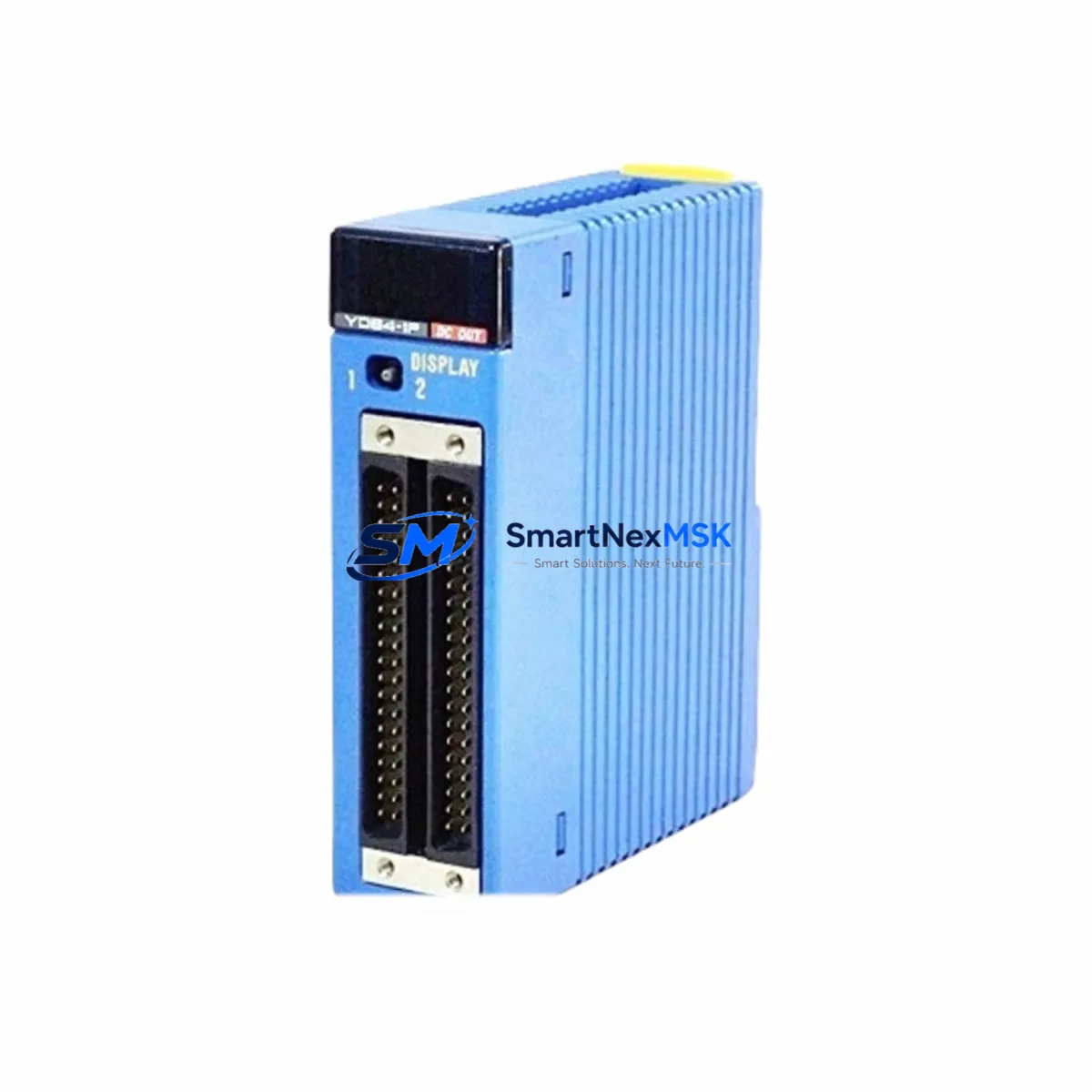
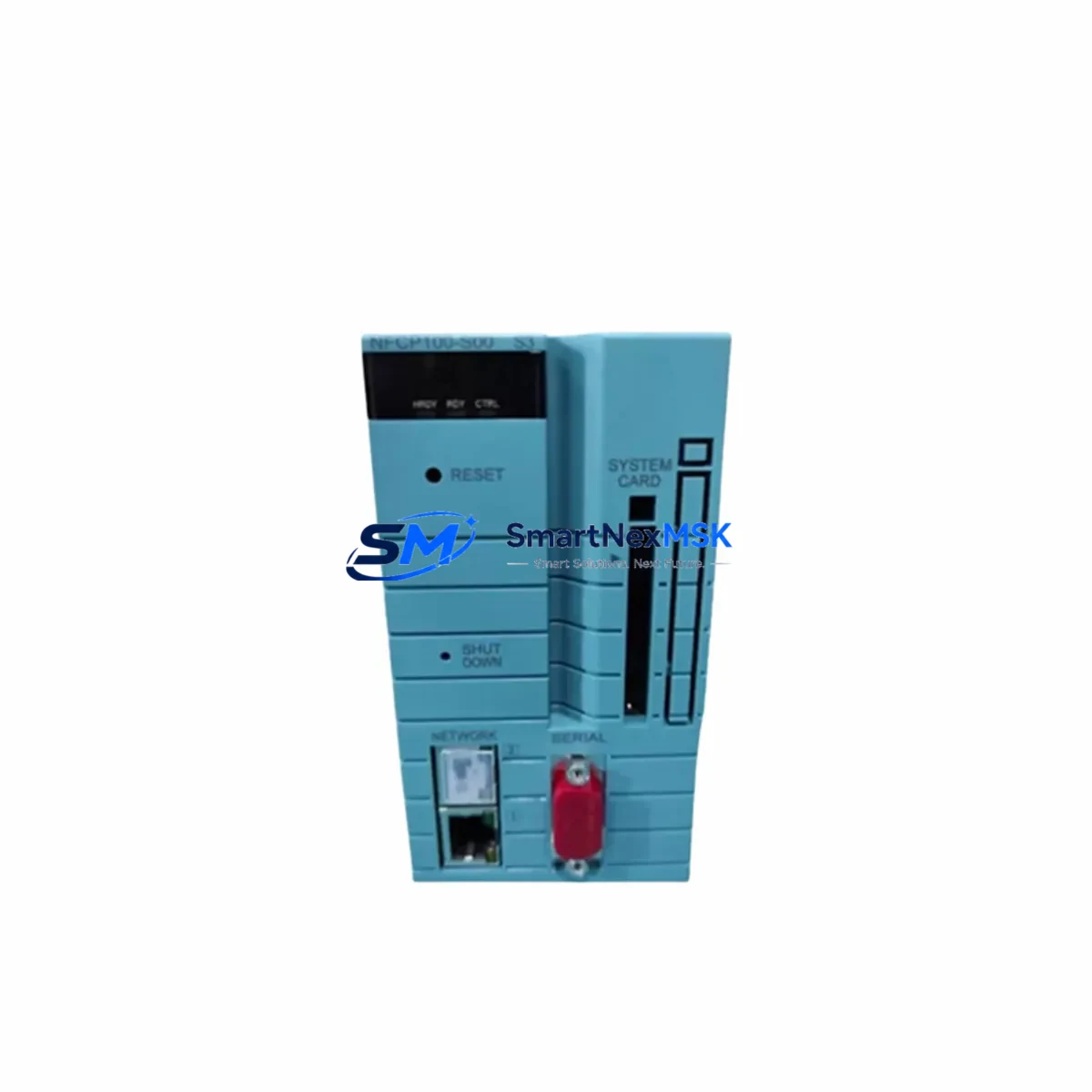
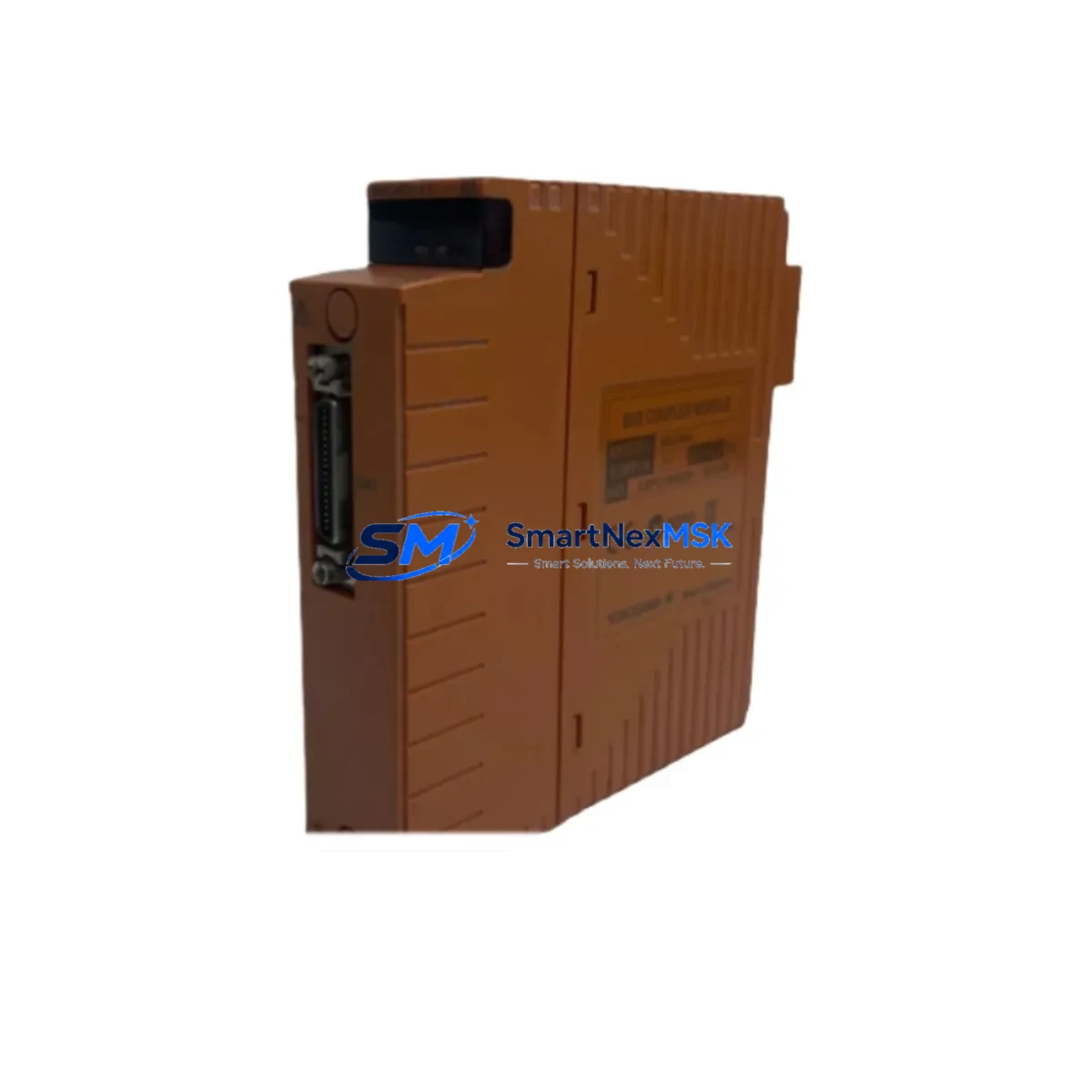
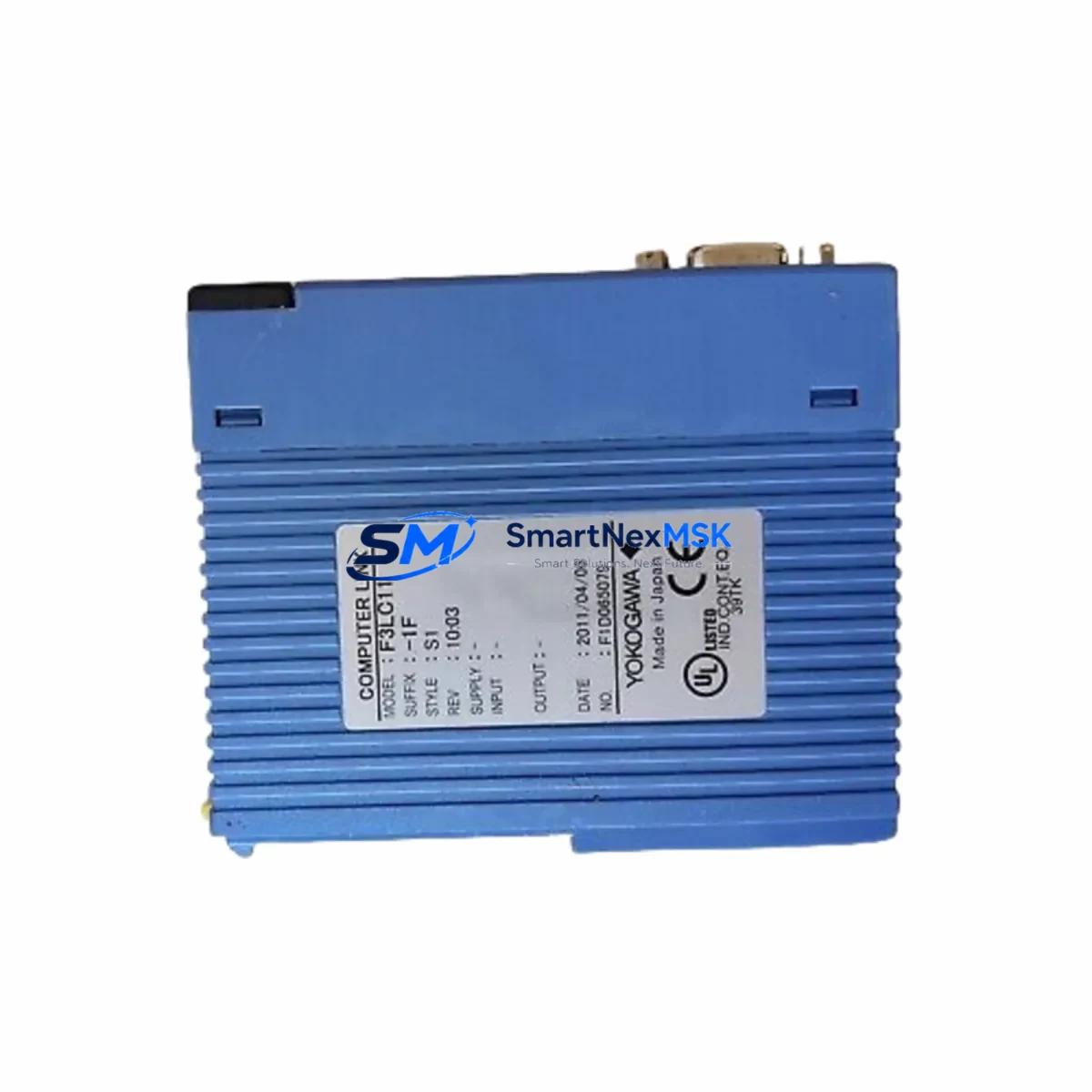
The Yokogawa AMC80 S1 is an original analog I/O module engineered for the CENTUM VP and CS 3000 distributed control systems — two of the most widely deployed DCS platforms in refining, petrochemical, power generation, and continuous process industries. As a maintenance-ready spare, the AMC80 S1 is sourced, inspected, and dispatched to support rapid field replacement, minimizing unplanned downtime and protecting process continuity in critical automation environments.
For maintenance engineers managing aging CENTUM VP or CS 3000 control systems, the AMC80 S1 represents a direct-fit, drop-in replacement that eliminates the need for firmware reconfiguration or hardware adaptation. Each unit is tested prior to shipment and backed by a 12-month warranty, giving procurement and reliability teams the confidence to hold this module as a strategic spare in their MRO inventory.
Whether you are responding to an unplanned I/O failure, executing a scheduled shutdown replacement, or building out a minimum viable spare parts kit for a legacy CENTUM system, the AMC80 S1 delivers the compatibility, traceability, and supply reliability that industrial maintenance operations demand.
Spare Maintenance Table
| Parameter | Specification / Detail |
|---|---|
| Part Number / SKU | AMC80 S1 |
| Brand | YOKOGAWA |
| Series / Platform | CENTUM VP / CS 3000 |
| Module Type | DCS Analog I/O Module |
| Signal Type | Analog Input / Output (4–20 mA, 1–5 V typical) |
| Channel Configuration | Multi-channel analog I/O (per CENTUM VP field bus architecture) |
| Communication Interface | CENTUM VP internal field bus / ESB bus |
| Power Supply Compatibility | Supplied via CENTUM VP node unit backplane (24 VDC bus) |
| Mounting | Direct slot insertion into CENTUM VP / CS 3000 node unit |
| Operating Temperature | 0°C to 55°C (standard industrial environment) |
| Country of Origin | Japan |
| Compatibility | CENTUM VP, CS 3000 (backward compatible node units) |
| Condition | Original / New-surplus / Tested |
| Pre-shipment Testing | Functional test performed before dispatch |
| Warranty | 12 Months |
| Lead Time | In-stock: ships within 1–3 business days |
| Long-term Supply | Available for repeat orders and blanket purchase agreements |
Maintenance Planning for Continuous Operation
When a CENTUM VP or CS 3000 system experiences an analog I/O fault traced to the AMC80 S1, the failure rarely occurs in isolation. A thorough maintenance response requires inspecting the surrounding electrical environment to prevent recurrence and confirm system integrity before returning the loop to service.
Begin with the node unit power supply module — typically the PW481 or equivalent CENTUM VP power card — to verify that the backplane bus voltage is stable and within specification. A degraded power supply is a common root cause of premature I/O module failure. Next, inspect the ESB bus coupler and field control station (FCS) communication cards such as the CP451 or CP461 processor modules, which coordinate data exchange between the AMC80 S1 and the control network.
On the field wiring side, check the terminal assembly (TA) and marshalling cabinet terminal blocks connected to the AMC80 S1 channel outputs. Corroded terminals, loose ferrules, or incorrect shielding on signal cables can introduce noise that degrades analog accuracy and accelerates module wear. If the plant uses signal isolators or loop-powered barriers between field instruments and the I/O module, these should be tested for drift or insulation breakdown.
For plants running HART-enabled field devices through the AMC80 S1, verify that the HART multiplexer or HART pass-through configuration in the FCS is correctly mapped after module replacement. Failure to re-validate HART device addresses is a common cause of post-replacement commissioning delays.
Maintenance planners should also review the status of adjacent modules in the same node unit — including digital I/O modules (ADM, ADV series), pulse input modules, and any communication interface modules (ALR, ALE series) — as shared backplane faults can affect multiple slots simultaneously. Where the control cabinet also houses Vnet/IP network switches or optical fiber interface cards, inspect these for firmware currency and physical connector integrity.
Finally, if the AMC80 S1 is part of a redundant I/O pair, confirm that the redundant module partner is healthy and that automatic switchover was functioning correctly prior to the fault event. Documenting this as part of your corrective maintenance record supports future reliability analysis and spare parts forecasting.
Site Replacement Workflow
Step 1 — Isolation and Permit: Obtain a work permit and isolate the affected analog loop at the field junction box. Confirm loop isolation with a multimeter before opening the node unit door.
Step 2 — Module Identification: Confirm the slot address and module tag in the CENTUM VP Engineering Environment (ENG) or CS 3000 System View. Record the current I/O assignment and any HART device mapping before removal.
Step 3 — Hot-swap or Cold-swap: The AMC80 S1 supports hot-swap replacement in most CENTUM VP configurations. Slide the faulty module out of its slot and insert the replacement AMC80 S1 firmly until the locking tab engages. The FCS will automatically detect the new module and restore I/O mapping within seconds in a properly configured system.
Step 4 — Verification: In the CENTUM VP HIS (Human Interface Station) or equivalent operator console, confirm that the replaced channel returns to normal status. Verify analog signal values against field instrument readings. For HART devices, re-run device recognition if required.
Step 5 — Documentation: Update the maintenance management system (CMMS) with the replacement date, module serial number, and post-replacement test results. Replenish the spare parts inventory to maintain minimum stock levels.
This workflow is applicable to both planned shutdown replacements and emergency corrective maintenance scenarios, and is designed to minimize mean time to repair (MTTR) for CENTUM VP and CS 3000 installations.
Spare Parts Support FAQ
Q1: Is the AMC80 S1 compatible with both CENTUM VP and CS 3000 systems?
Yes. The AMC80 S1 is designed for the CENTUM VP platform and is backward compatible with CS 3000 node units that share the same backplane architecture. Always verify the node unit generation and slot type against your system’s hardware configuration document (HCD) before installation.
Q2: What pre-shipment testing is performed on each AMC80 S1 unit?
Each unit undergoes functional verification prior to dispatch, including power-on testing and I/O channel continuity checks. Units are packaged in anti-static protective materials and shipped with a test record. The 12-month warranty covers manufacturing defects and functional failures under normal operating conditions.
Q3: Can I order multiple units for long-term spare parts inventory?
Yes. We support blanket purchase orders and repeat supply agreements for the AMC80 S1 and related CENTUM VP spare modules. Holding a minimum of one to two units on-site is recommended for critical process loops where unplanned downtime carries significant operational risk.
Q4: What is the lead time if the AMC80 S1 is not in stock?
In-stock units ship within 1–3 business days. For out-of-stock situations, our sourcing team will provide a confirmed lead time and can recommend functionally equivalent alternatives within the CENTUM VP module family to minimize your exposure during the interim period.
© 2026 SMARTNEXMSK. All rights reserved.
Original Source: https://smartnexmsk.com
Contact: [email protected] | +86 18259474341