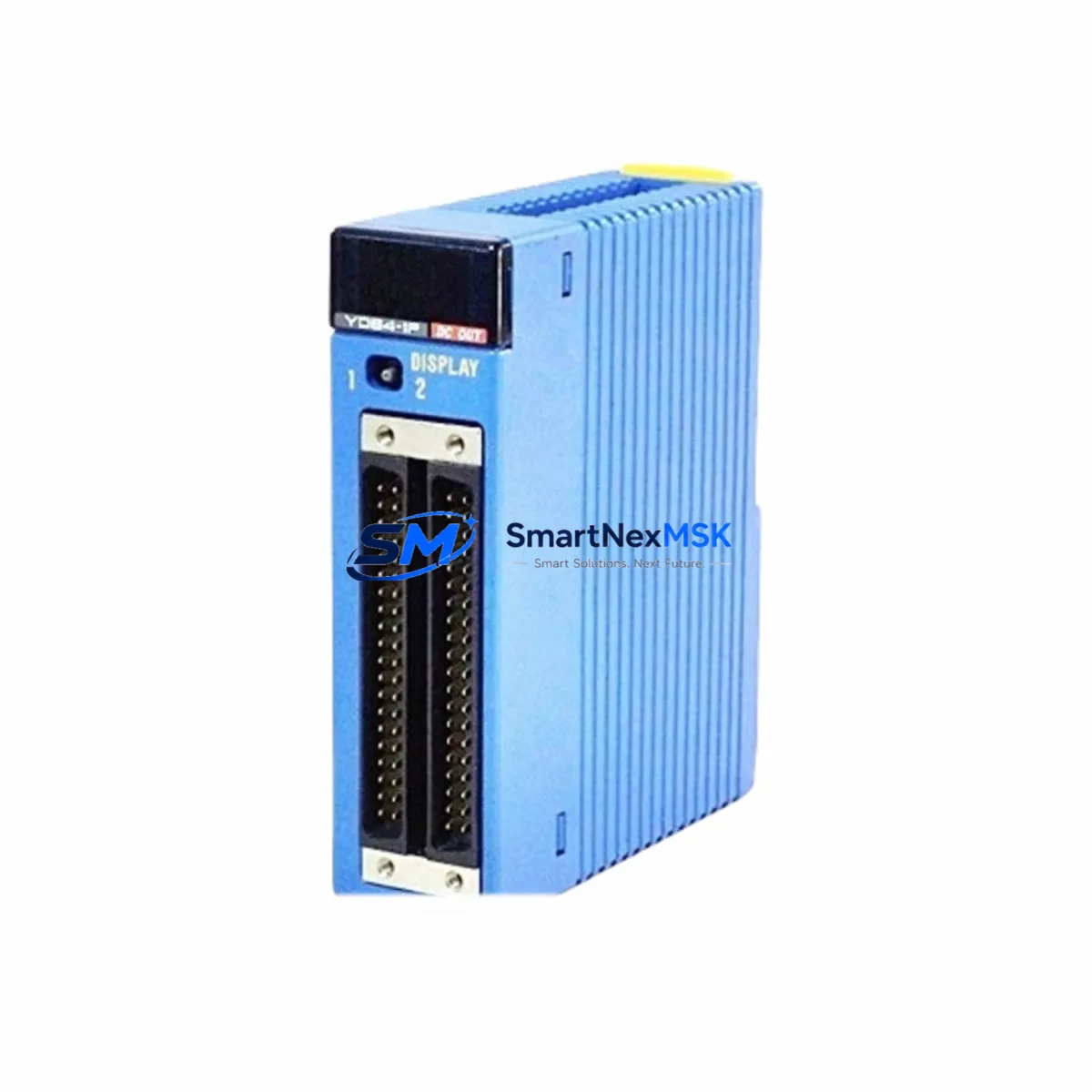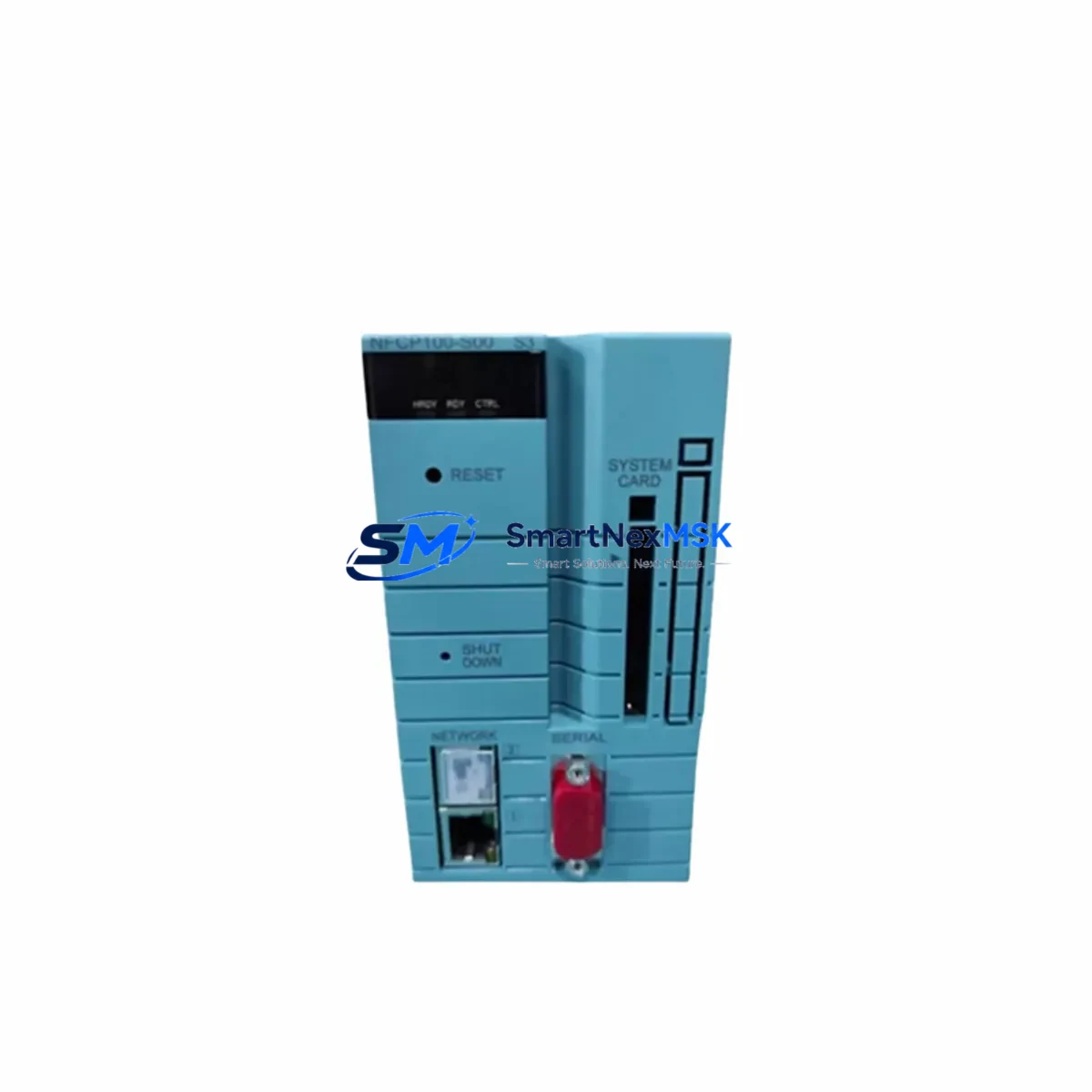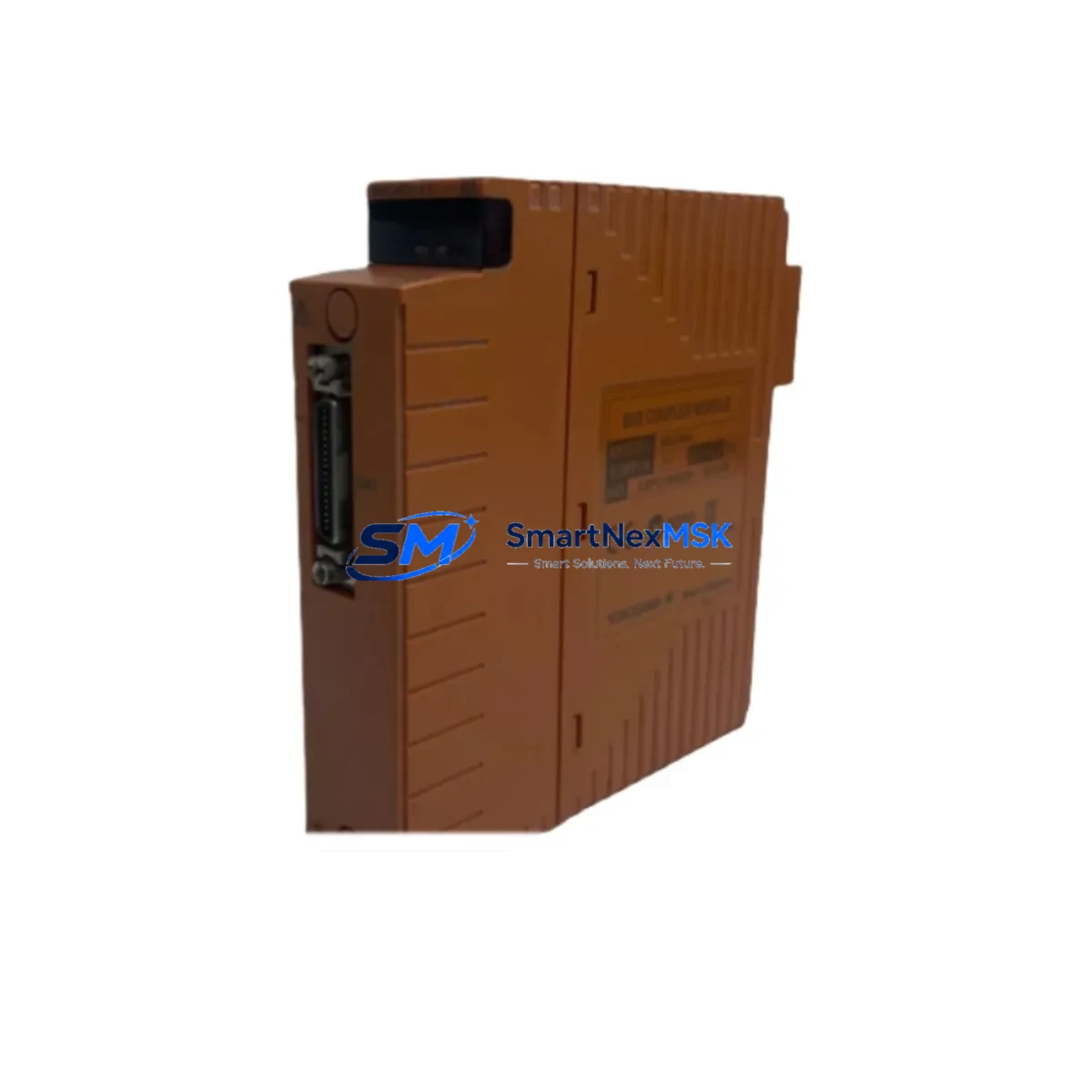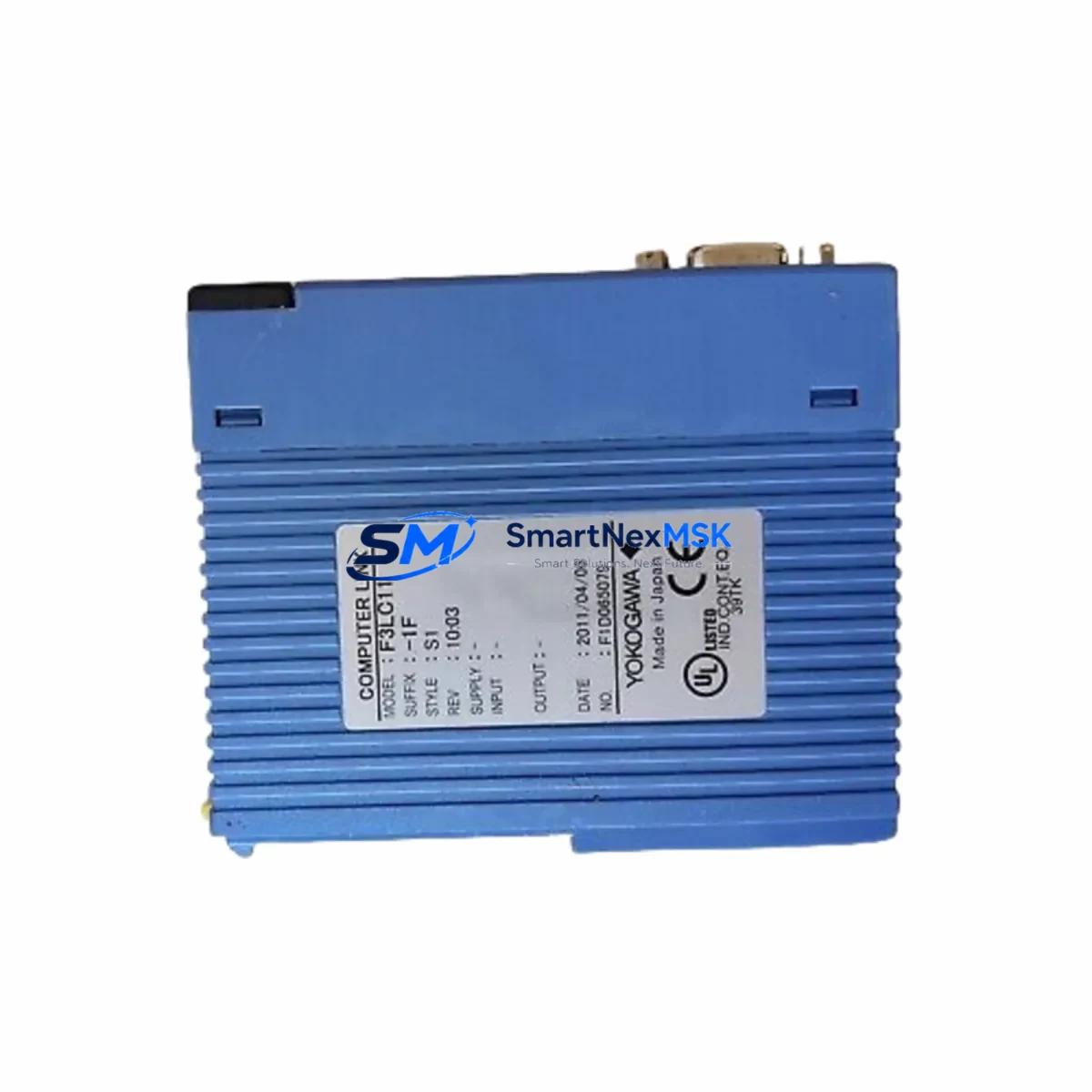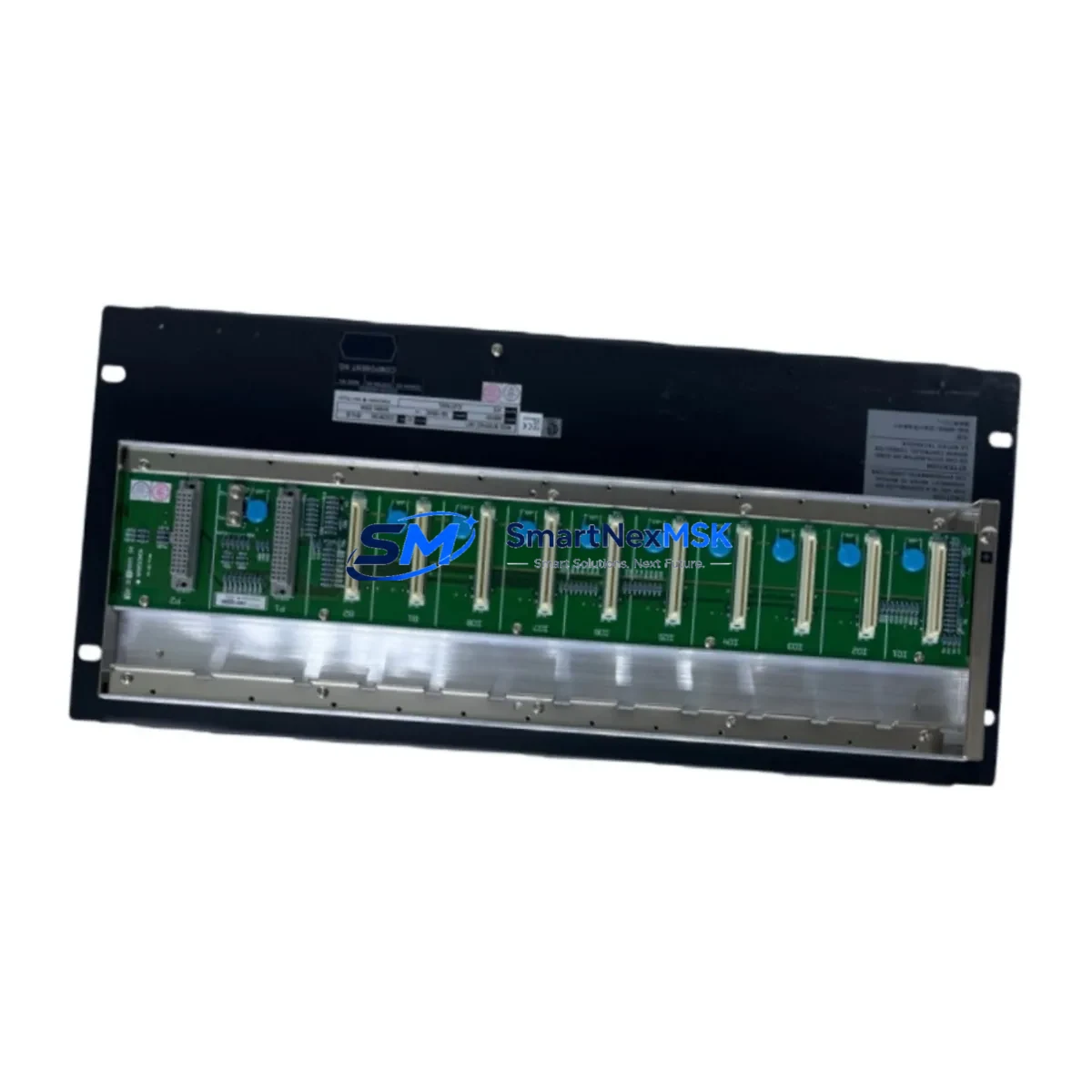
Yokogawa ANB10D-415/CU2N Retrofit-Ready ESB Bus Node for CENTUM CS3000 Control Systems
The Yokogawa ANB10D-415/CU2N is an ESB (Enhanced Signal Bus) Bus Node Module designed for integration within the CENTUM CS3000 Distributed Control System platform. As legacy CENTUM CS3000 installations continue to operate across petrochemical, power generation, pulp and paper, and pharmaceutical facilities worldwide, the ANB10D-415/CU2N has become a critical spare and retrofit component for engineers managing aging control infrastructure. Whether you are replacing a failed node, expanding an existing ESB segment, or executing a phased modernization of your control cabinet, this module provides the verified compatibility and field-proven reliability your project demands.
The ANB10D-415/CU2N connects field I/O stations to the CENTUM CS3000 control bus architecture via the ESB highway, enabling communication between the Field Control Station (FCS) and remote I/O nodes. It supports the standard ESB coaxial cable topology and is fully compatible with the existing node address configuration scheme used across CENTUM CS3000 installations. Engineers replacing a failed ANB10D-415/CU2N should verify the existing node address DIP switch settings before installation to ensure seamless re-integration without requiring HMI screen reconfiguration or FCS program modification.
Upgrade Compatibility Table
| Parameter | Details |
|---|---|
| Compatible Platform | Yokogawa CENTUM CS3000 DCS |
| Bus Interface | ESB (Enhanced Signal Bus) Highway |
| Installation | Mounts in standard CENTUM CS3000 node cabinet / ESB segment rack |
| Communication Protocol | ESB proprietary protocol (Yokogawa) |
| Replacement Compatibility | Direct drop-in for ANB10D-415/CU2N; verify node address and cable termination |
| Commissioning Notes | Confirm DIP switch node address, ESB cable continuity, and FCS recognition before go-live |
| Warranty | 12 Months — covers manufacturing defects and functional failure under normal operating conditions |
Retrofit Planning for Existing Automation Systems
Successful retrofit of the ANB10D-415/CU2N within an operating CENTUM CS3000 system requires careful pre-planning across several interdependent subsystems. Before removing the failed or end-of-life node, engineers should document the existing ESB segment topology, including the positions of all active bus nodes and the cable termination resistors at each segment end. The ESB highway uses coaxial cable with 75-ohm termination, and improper termination after module swap can cause communication errors across the entire segment, affecting multiple I/O stations simultaneously.
Power supply capacity is a key consideration. The ANB10D-415/CU2N draws power from the node cabinet’s internal power bus, typically supplied by a Yokogawa PW301 or PW302 power supply module. Before adding a replacement or additional node, verify that the existing power supply has sufficient headroom. In cabinets running near capacity, a supplementary power supply may be required before the new node can be commissioned safely.
Terminal wiring at the associated I/O modules — such as the AAI141-S, AAI543-H, or ADV151-P analog and digital I/O cards — should be inspected during the retrofit window. Loose or corroded terminal connections are a common source of intermittent faults in aging CENTUM CS3000 installations and should be addressed while the segment is offline. Similarly, the backplane connectors on the node module slot should be cleaned and inspected before inserting the replacement ANB10D-415/CU2N.
For sites migrating from CENTUM CS3000 toward CENTUM VP, the ANB10D-415/CU2N can serve as a bridging component during phased migration, maintaining ESB-connected I/O stations in service while the FCS is upgraded incrementally. In this scenario, communication link integrity between the legacy ESB nodes and the new CENTUM VP FCS must be validated using Yokogawa’s engineering tools, and HMI tag mappings in the CENTUM VP HIS (Human Interface Station) should be verified against the original CS3000 builder database to prevent display discrepancies during cutover.
Other components commonly involved in the same retrofit scope include the BCV0403 ESB cable assembly, the AIP588 node terminator, the ACM12 communication module for Vnet/IP integration, the ALR111 alarm module, and the RIO (Remote I/O) node enclosures used in field junction boxes. Ensuring all these components are accounted for in the bill of materials before the maintenance window begins is essential for minimizing unplanned downtime.
Downtime Control During System Migration
Minimizing control system downtime during an ANB10D-415/CU2N replacement requires a structured hot-swap or cold-swap procedure depending on the redundancy configuration of the affected ESB segment. In redundant ESB configurations, the standby bus can maintain I/O communication while the primary node is replaced, allowing the swap to proceed without interrupting field control. In simplex ESB configurations, the replacement must be executed during a planned shutdown window, with all affected control loops placed in manual mode and field operators stationed at critical control points before the node is removed.
Prior to the swap, a full backup of the FCS program — including all function block definitions, loop parameters, and interlock logic — should be exported from the CENTUM CS3000 engineering workstation. This backup protects against accidental configuration loss and provides a reference for post-swap verification. After installing the ANB10D-415/CU2N, the FCS should automatically recognize the node once the correct address is confirmed, and I/O communication should resume within the normal ESB initialization cycle. Field engineers should verify all analog input and output values against the DCS faceplate readings before returning loops to automatic mode.
HMI screens on the CENTUM CS3000 HIS do not require modification when replacing a like-for-like ANB10D-415/CU2N, as the node address and I/O tag assignments remain unchanged. However, if the retrofit involves reassigning I/O points to a different node address or expanding the ESB segment with additional nodes, HMI tag re-mapping and FCS program modification will be required, and a full functional acceptance test should be conducted before returning the system to production.
Retrofit Support FAQ
Q: Is the ANB10D-415/CU2N a direct replacement for the original module in my CENTUM CS3000 system?
A: Yes. The ANB10D-415/CU2N is a direct drop-in replacement for the same part number in CENTUM CS3000 installations. Verify the node address DIP switch configuration matches the original before powering up the replacement module.
Q: What commissioning steps are required after installing the replacement module?
A: After installation, confirm ESB cable continuity and termination resistance, verify the node address matches the FCS configuration, power up the node cabinet, and confirm FCS recognition of the node in the CENTUM CS3000 system status display. Validate all I/O channel readings before returning to automatic control.
Q: Can this module be used in a CENTUM VP system during a phased migration from CS3000?
A: The ANB10D-415/CU2N is designed for the CENTUM CS3000 ESB architecture. Compatibility with CENTUM VP depends on the specific migration path and whether ESB I/O stations are being retained during the transition. Consult your Yokogawa system integrator for migration-specific validation.
Q: What does the 12-month warranty cover?
A: The 12-month warranty covers manufacturing defects and functional failure under normal operating conditions from the date of shipment. Modules are tested prior to dispatch. Warranty claims are supported via our technical team at [email protected].
© 2026 SMARTNEXMSK. All rights reserved.
Original Source: https://smartnexmsk.com
Contact: [email protected] | +86 18259474341