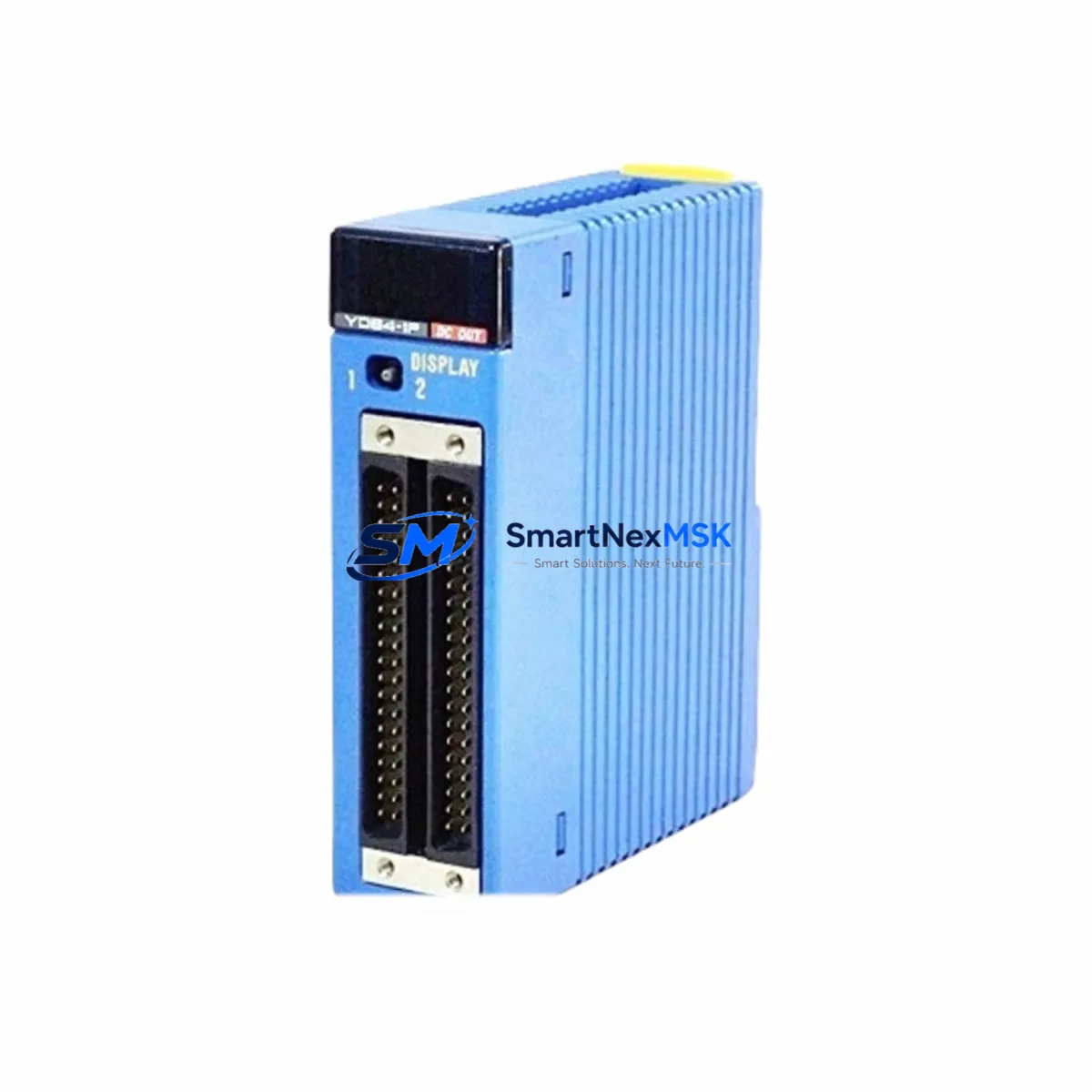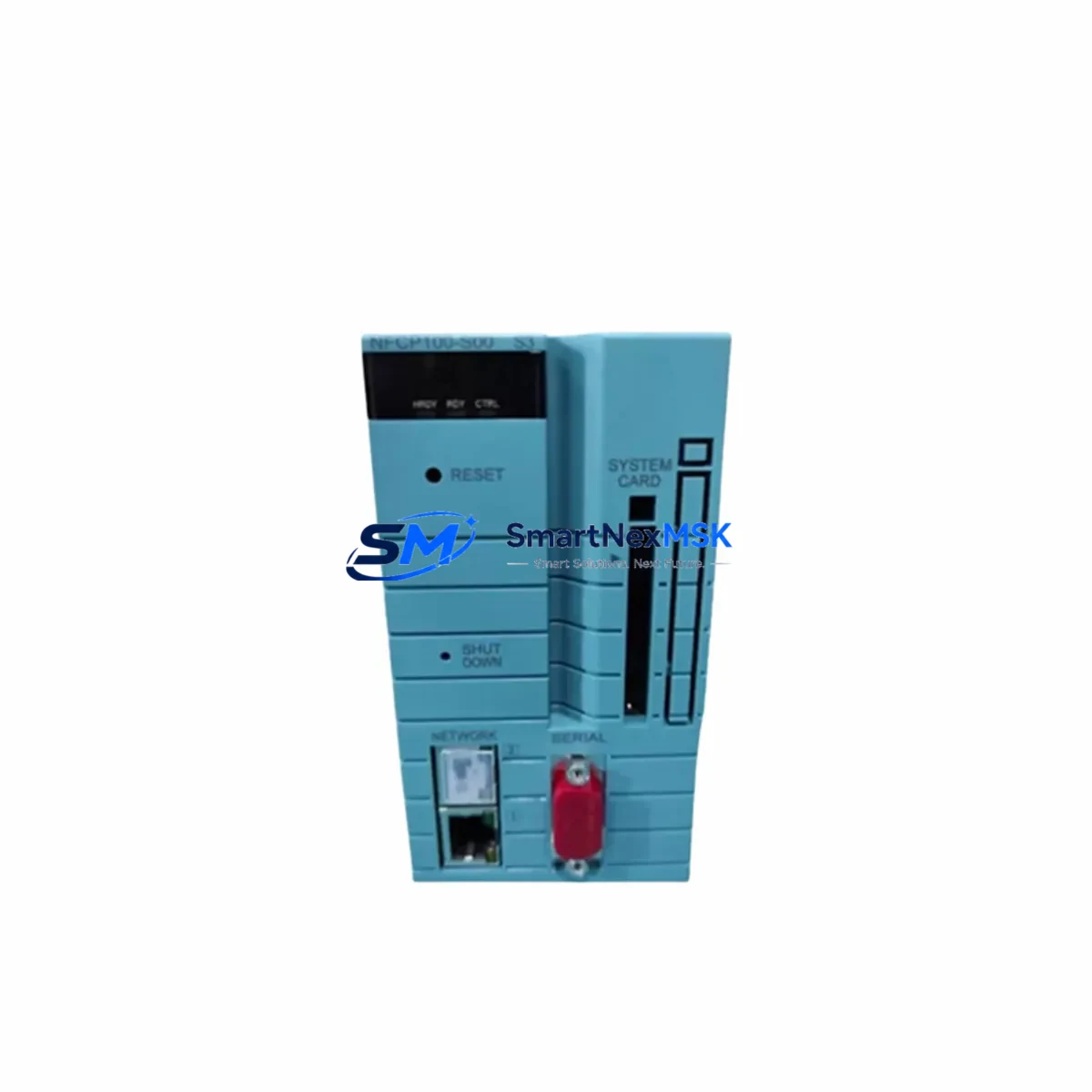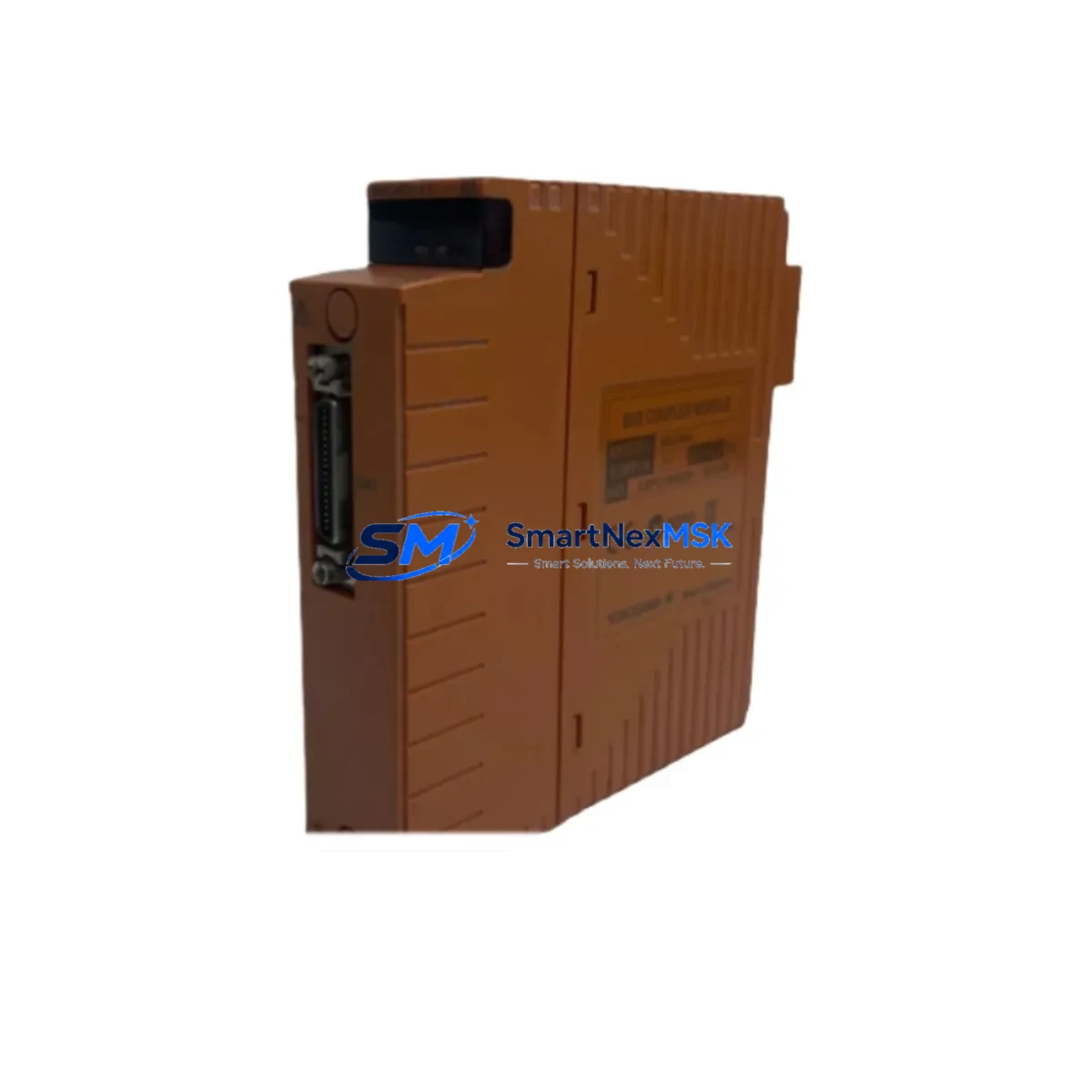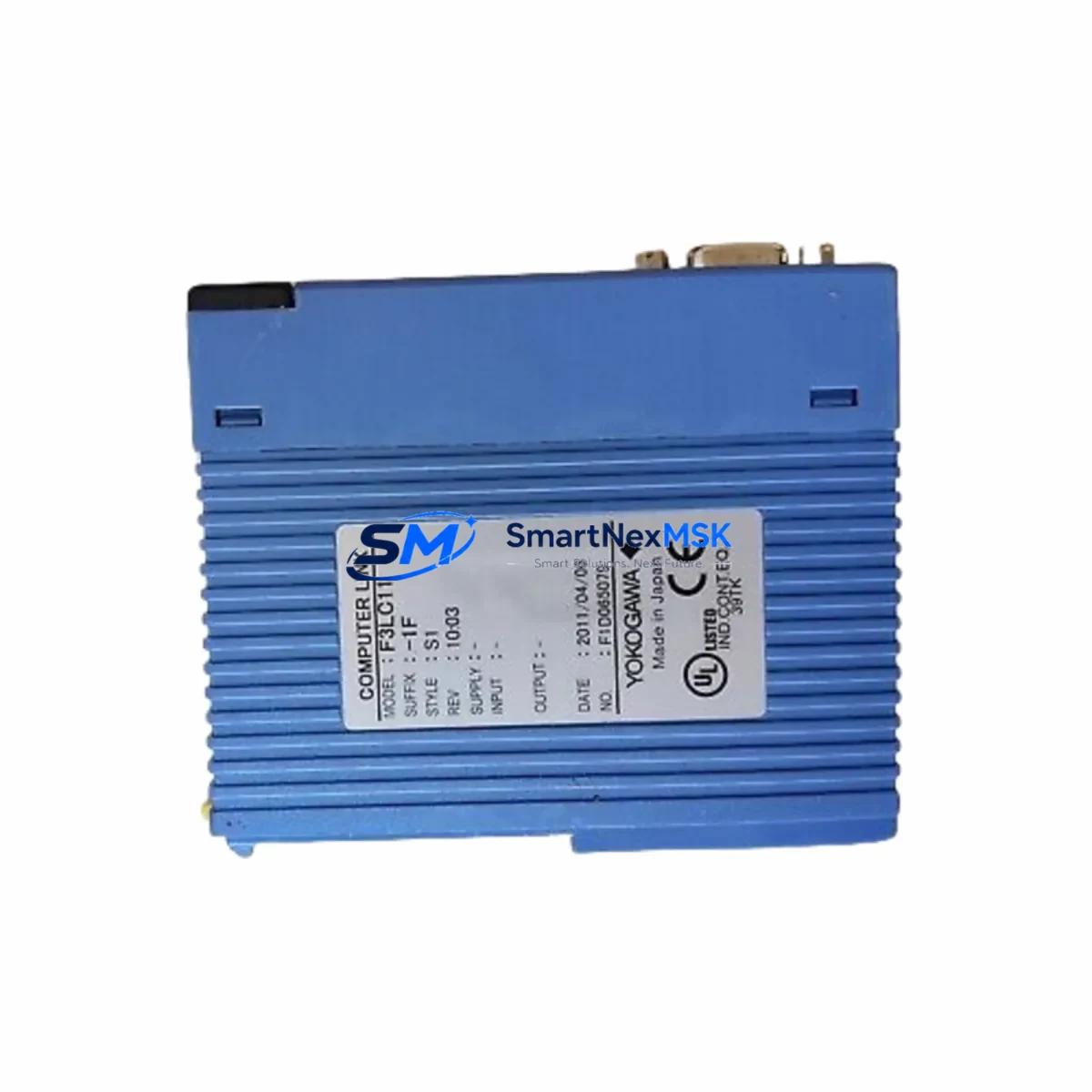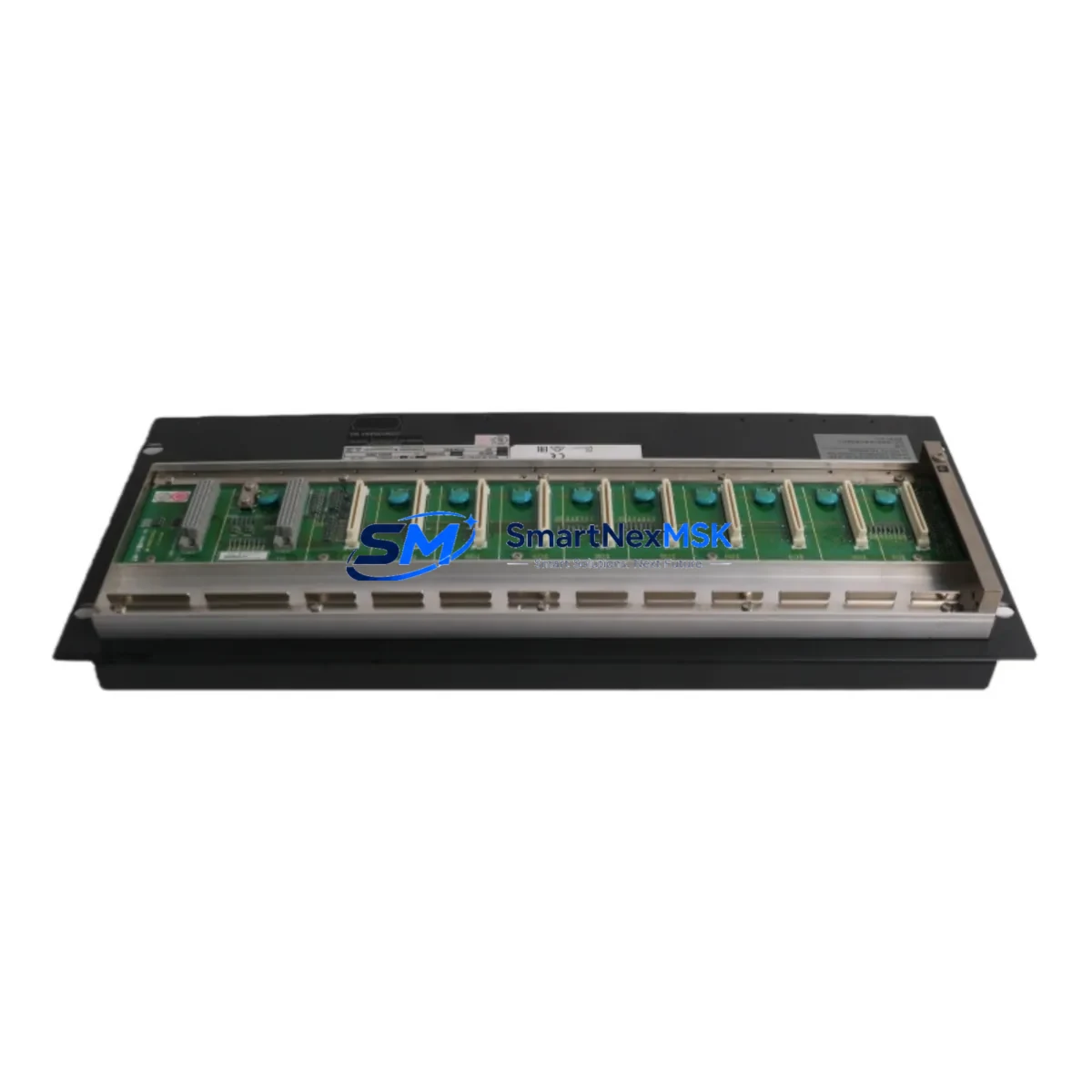
Yokogawa ANB10D-425/CU2N/NDEL Maintenance-Ready Spare for CENTUM VP Automation
The Yokogawa ANB10D-425/CU2N/NDEL is an original ESB (Enhanced Signal Bus) Bus Node Unit designed for the CENTUM VP Distributed Control System (DCS) platform. In process automation environments — including oil & gas, petrochemical, power generation, and pharmaceutical plants — the ESB Bus Node Unit serves as a critical communication bridge between field I/O modules and the control network. An unplanned failure of this component can result in complete loss of I/O communication across an entire ESB segment, triggering emergency shutdowns and extended unplanned downtime.
Sourced directly from Yokogawa-authorized supply chains, this unit is tested before shipment, covered by a 12-month warranty, and available for fast worldwide delivery. Whether you are building a proactive spare parts inventory, executing a planned turnaround, or responding to an emergency fault, the ANB10D-425/CU2N/NDEL is ready for immediate deployment.
Spare Maintenance Table
| Parameter | Specification |
|---|---|
| Part Number / SKU | ANB10D-425/CU2N/NDEL |
| Brand | Yokogawa |
| Series / Platform | CENTUM VP DCS |
| Module Type | ESB Bus Node Unit |
| Bus Interface | ESB (Enhanced Signal Bus) |
| Communication Protocol | Yokogawa ESB proprietary protocol |
| Power Supply Compatibility | 24 VDC (via ESB backplane) |
| Mounting | ESB Node Baseplate / Nest |
| Operating Temperature | 0°C to 55°C |
| Humidity | 10% to 90% RH (non-condensing) |
| Origin | Japan |
| Weight | Approx. 2,480 g (with packaging) |
| Compatibility | CENTUM VP R4.x / R5.x / R6.x; backward compatible with CENTUM CS 3000 ESB segments (verify firmware revision) |
| Condition | Original, new or refurbished-to-spec; tested before shipment |
| Warranty | 12 Months |
| Delivery | Worldwide express shipping available |
Maintenance Planning for Continuous Operation
When a maintenance or reliability engineer identifies a fault or degraded performance on the ANB10D-425/CU2N/NDEL ESB Bus Node Unit, the scope of inspection should never be limited to the node unit alone. The ESB segment is an integrated communication chain, and adjacent components are subject to the same thermal cycling, vibration, and electrical stress.
During a planned inspection or emergency replacement, engineers should simultaneously verify the condition of the ESB Node Baseplate (ANB10B series) for cracked connectors or oxidized bus contacts. The ESB Power Supply Unit (APW series) feeding the node segment should be load-tested, as an aging power supply with marginal output voltage is a common root cause of intermittent bus communication errors that are often misdiagnosed as node unit failures.
All I/O modules seated in the ESB nest — including analog input modules such as the AAI141 or AAI543, analog output modules such as the AAO141, and digital I/O modules such as the ADV151 or ADV161 — should be reseated and their terminal blocks inspected for loose wiring or corrosion. Field signal integrity depends on the health of the entire I/O chain from the terminal block through the module to the bus node.
The ESB communication cable connecting node units across the segment should be inspected for physical damage, proper shielding continuity, and correct termination resistance. A degraded cable can cause intermittent CRC errors that appear as node faults in the CENTUM VP system alarm log. Additionally, the Field Control Station (FCS) processor card — typically an FCU (Field Control Unit) such as the AFV10D or AFV30D — should be checked for firmware currency and diagnostic alarm history related to ESB segment communication.
For control cabinets housing CENTUM VP systems, a complete巡检 (inspection) should also cover the 24 VDC bus power distribution fuses, surge protection devices on field signal inputs, and any signal isolators or barriers used in hazardous area installations. These passive components are frequently overlooked during corrective maintenance but are critical to long-term system reliability.
Maintaining a minimum of one spare ANB10D-425/CU2N/NDEL unit per ESB segment in your on-site spare parts inventory is strongly recommended for plants operating continuous processes where a 24-hour or longer lead time for emergency procurement is unacceptable.
Site Replacement Workflow
Step 1 — Fault Confirmation: Use the CENTUM VP HIS (Human Interface Station) engineering console to confirm the ESB Bus Node Unit alarm. Navigate to the FCS diagnostic screen and identify the specific node address reporting the fault. Cross-reference with the system hardware configuration (SCS/FCS hardware tag list) to confirm the physical location of the ANB10D-425/CU2N/NDEL in the control cabinet.
Step 2 — Safe Isolation: Follow your site’s Management of Change (MOC) and Permit to Work (PTW) procedures. For hot-swap capable configurations, verify whether the specific ESB segment supports online replacement without requiring a full FCS shutdown. Consult the CENTUM VP hardware engineering guide for your firmware revision before proceeding.
Step 3 — Physical Replacement: Power down the ESB segment if required. Remove the faulty ANB10D-425/CU2N/NDEL by releasing the module locking lever and sliding it clear of the baseplate connector. Insert the replacement unit, ensuring full seating on the ESB bus connector. Restore power and observe the node status LED sequence — a solid green status LED confirms successful bus initialization.
Step 4 — System Verification: From the CENTUM VP HIS, confirm that all I/O modules on the restored ESB segment are communicating normally. Verify that all field signals are reading within expected ranges and that no residual alarms remain active. Document the replacement in your CMMS (Computerized Maintenance Management System) with the serial number of the replaced unit and the new spare.
Step 5 — Spare Replenishment: Immediately initiate procurement of a replacement spare to restore your on-site inventory buffer. Long-term supply continuity for legacy CENTUM VP components requires proactive sourcing, as Yokogawa’s official production lifecycle for older ESB hardware may be in the extended support or end-of-life phase.
Spare Parts Support FAQ
Q1: Is the ANB10D-425/CU2N/NDEL compatible with both CENTUM VP and CENTUM CS 3000?
The ANB10D-425/CU2N/NDEL is primarily designed for CENTUM VP ESB architecture. Compatibility with CENTUM CS 3000 ESB segments depends on the specific hardware revision and firmware version of your FCS. We recommend providing your FCS model number and firmware revision for compatibility verification before ordering.
Q2: What testing is performed before shipment?
Each unit undergoes functional power-on testing and communication interface verification prior to shipment. Units are inspected for physical integrity, connector condition, and firmware version. A test report is available upon request. All units are shipped with ESD-protective packaging to prevent transit damage.
Q3: What does the 12-month warranty cover?
The 12-month warranty covers manufacturing defects and functional failures under normal operating conditions as specified in the Yokogawa CENTUM VP hardware documentation. It does not cover damage resulting from incorrect installation, overvoltage events, or operation outside specified environmental parameters. Warranty claims are processed with return shipping support.
Q4: Can you support long-term or blanket purchase orders for ongoing spare parts inventory programs?
Yes. We support long-term supply agreements, blanket POs, and scheduled delivery programs for maintenance teams managing aging CENTUM VP installations. Contact our technical sales team to discuss volume pricing, lead time commitments, and inventory reservation options tailored to your plant’s maintenance schedule.
© 2026 SMARTNEXMSK. All rights reserved.
Original Source: https://smartnexmsk.com
Contact: [email protected] | +86 18259474341