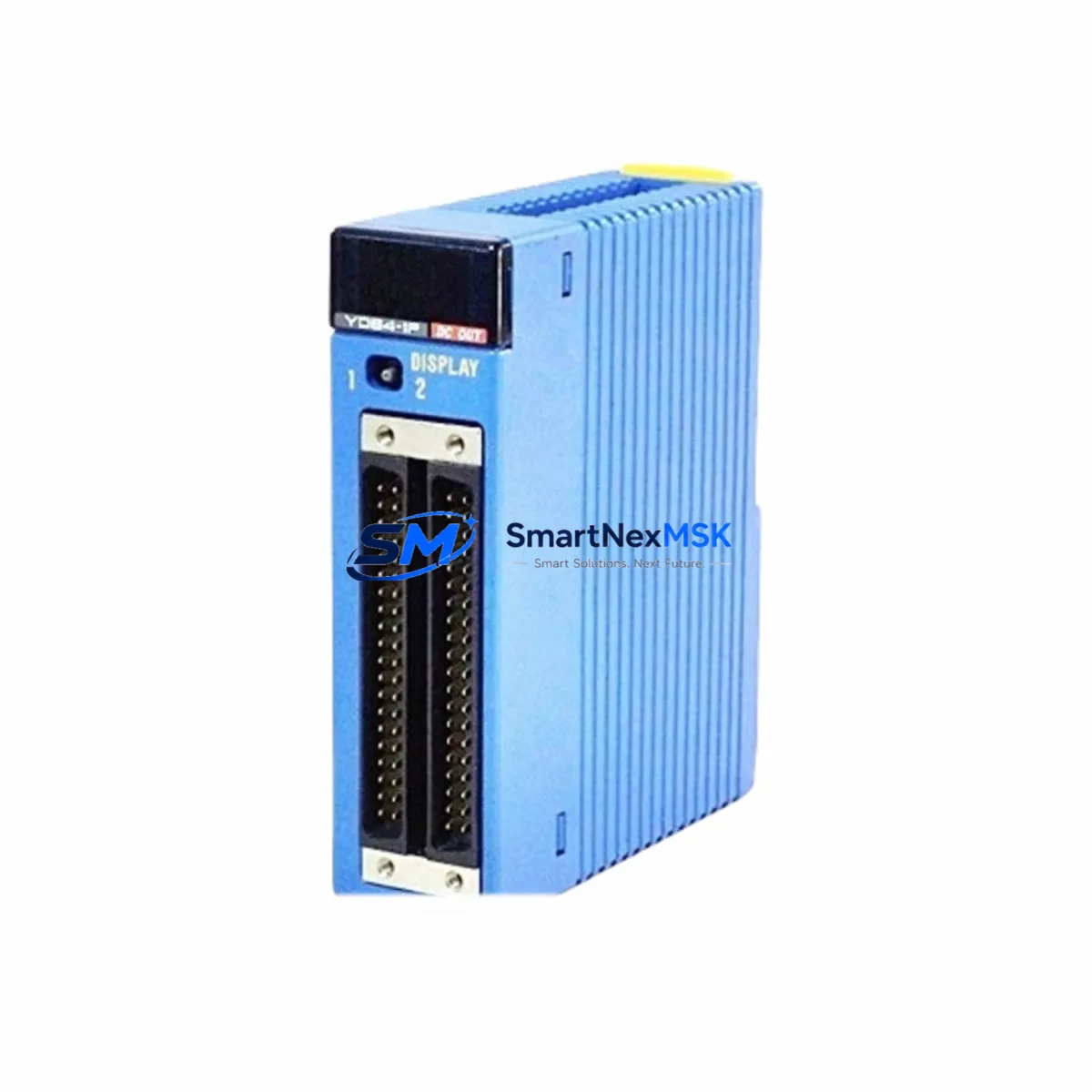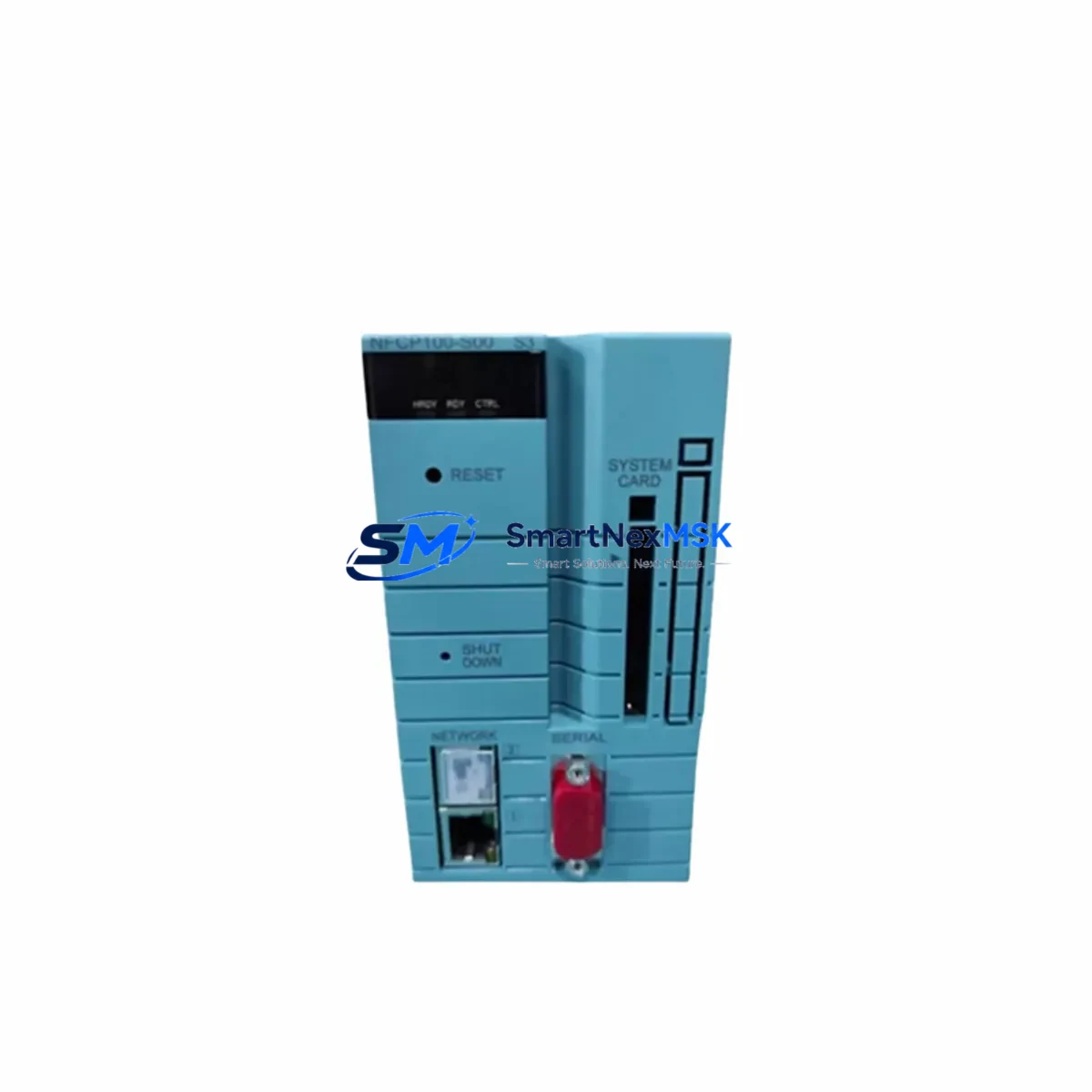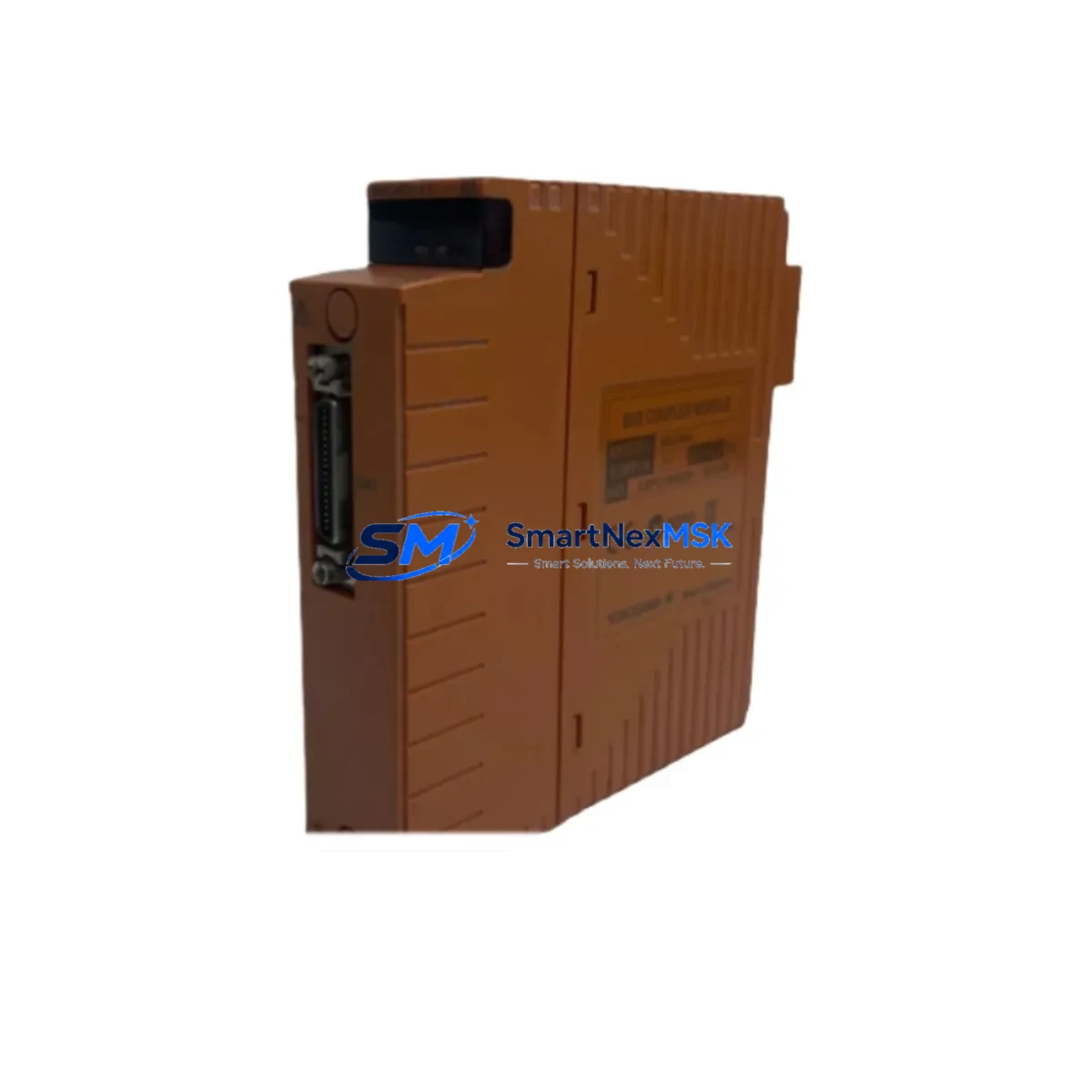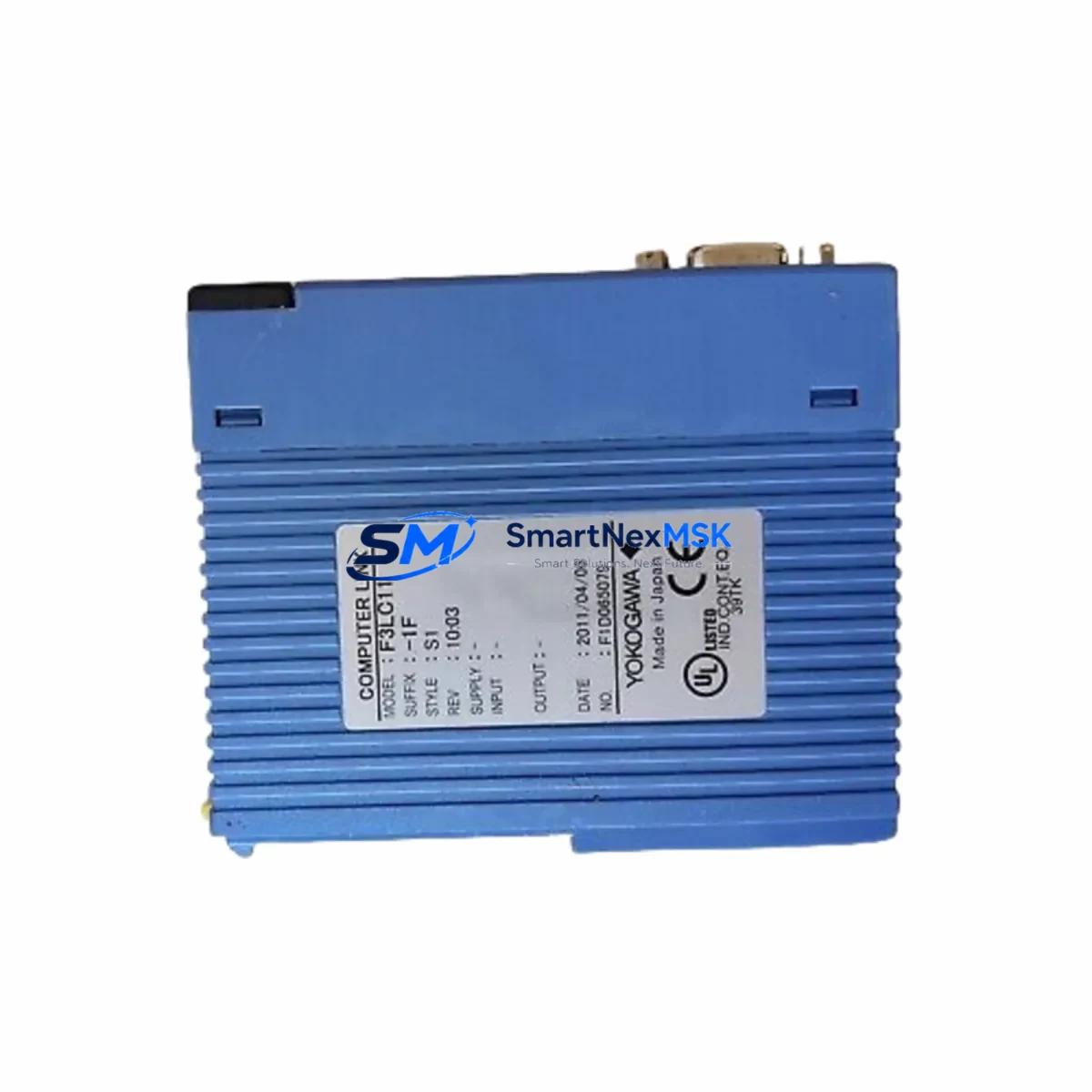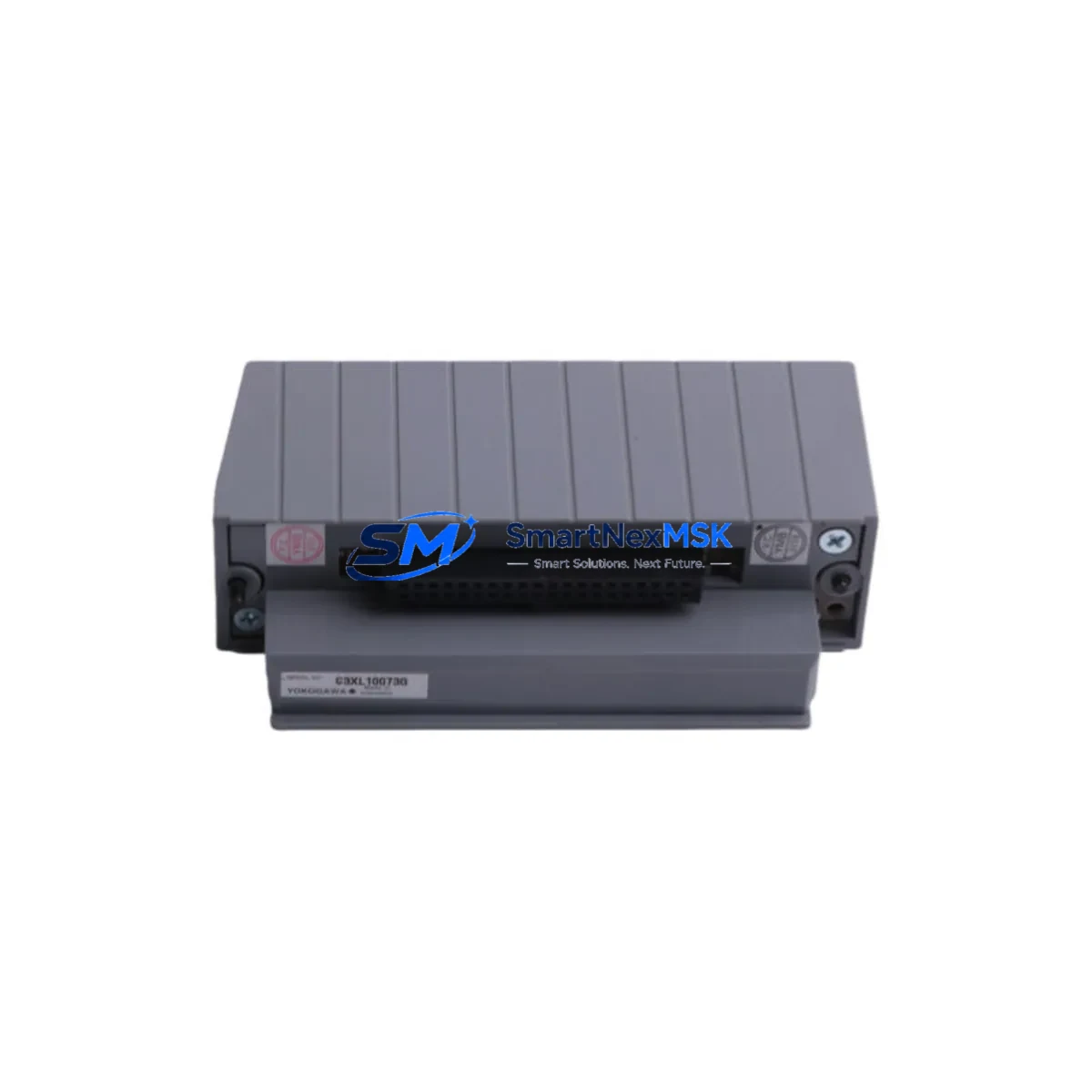
Yokogawa ATI3S-00-S2 Maintenance-Ready Spare for CENTUM VP Automation
The Yokogawa ATI3S-00-S2 is an original field wiring terminal block engineered for CENTUM VP distributed control systems. In process industries where unplanned downtime translates directly into production loss, having a verified, ready-to-install spare on the shelf is not optional — it is a core element of any credible maintenance strategy. This unit ships tested, inspected, and backed by a 12-month warranty, giving maintenance engineers and procurement teams the confidence to act decisively when a fault is isolated.
The ATI3S-00-S2 serves as the critical interface between field instrument wiring and the CENTUM VP I/O subsystem. Its role in signal integrity, loop continuity, and safe isolation makes it one of the highest-priority components to stock in any CENTUM VP-based control cabinet. Whether you are executing a planned turnaround, responding to an emergency shutdown, or conducting a routine control cabinet inspection, a pre-verified ATI3S-00-S2 spare eliminates the lead-time risk that often extends outages from hours into days.
Spare Maintenance Table
| Part Number / SKU | ATI3S-00-S2 |
| Brand | Yokogawa |
| Compatible System | CENTUM VP DCS |
| Component Type | Field Wiring Terminal Block |
| Series | CENTUM VP — ATI / Node Unit Series |
| Origin | Japan |
| Signal Interface | Analog / Digital field wiring termination |
| Installation | DIN rail / panel mount, plug-in to I/O node unit |
| Application Environment | Process control rooms, DCS marshalling cabinets, field junction panels |
| Compatibility Verification | Confirmed for CENTUM VP node unit I/O architecture |
| Condition | Original — new or refurbished-to-spec with full functional test |
| Maintenance Recommendation | Inspect terminal screws, wiring insulation, and connector seating at every scheduled cabinet inspection |
| Warranty | 12 Months |
Maintenance Planning for Continuous Operation
When a CENTUM VP system flags a field wiring fault or an I/O channel goes offline, the ATI3S-00-S2 terminal block is frequently the first component a maintenance engineer will inspect and swap. However, a disciplined maintenance plan extends well beyond the terminal block itself. During any replacement event, the surrounding electrical environment must be evaluated to prevent repeat failures and to confirm that the restored loop meets original design specifications.
Start with the CENTUM VP I/O node unit — such as the ANT1S or ANT2S series — that the ATI3S-00-S2 plugs into. Verify that the node unit backplane connectors are clean and undamaged before re-seating the new terminal block. Check the field cable marshalling: inspect each conductor for insulation breakdown, moisture ingress, and correct termination torque. Loose or corroded terminals are a leading cause of intermittent signal faults that are often misdiagnosed as module failures.
Review the 24 VDC field power supply feeding the I/O loop. If the cabinet houses a Yokogawa PW481 or PW482 power supply module, confirm output voltage is within tolerance and that redundant supply switchover is functioning correctly. Alongside the terminal block, inspect any signal isolators or HART-compatible barriers in the loop — a failing isolator can produce symptoms identical to a faulty terminal block, leading to unnecessary component swaps and extended downtime.
For cabinets running mixed analog and digital I/O, verify the CENTUM VP communication bus cables — Vnet/IP or ESB bus connections — are properly seated and free of EMI interference. Check relay output modules adjacent to the ATI3S-00-S2 position for contact wear, especially in high-cycle applications. Inspect fuse holders and miniature circuit breakers protecting the field loop; a nuisance trip from an undersized or aged fuse can be the root cause of what appears to be a terminal block fault.
For aging CENTUM VP installations approaching end-of-support, consider stocking complementary spares including Yokogawa AAI141 or AAI143 analog input modules, ADV151 digital input modules, and AOM150 analog output modules alongside ATI3S-00-S2 terminal blocks. This multi-component spare kit approach ensures that when a cabinet fault is isolated, the maintenance team can restore the loop in a single intervention rather than waiting for sequential part deliveries — a critical advantage in facilities operating with minimal maintenance windows.
Site Replacement Workflow
Step 1 — Fault Isolation: Use the CENTUM VP HIS (Human Interface Station) alarm summary and field device diagnostics to confirm the ATI3S-00-S2 terminal block as the fault source. Cross-reference with loop drawings to identify all field wiring connected to the affected terminal block.
Step 2 — Safe Isolation: Follow site LOTO (Lockout/Tagout) procedures. De-energize the field loop at the marshalling cabinet. For live-maintenance scenarios permitted by site procedures, confirm intrinsic safety or isolation barrier ratings before proceeding.
Step 3 — Documentation: Photograph the existing wiring layout before disconnection. Record terminal numbers, wire labels, and signal types. This step is critical for multi-conductor terminal blocks where wiring sequence directly affects loop integrity.
Step 4 — Removal and Inspection: Unplug the ATI3S-00-S2 from the node unit. Inspect the mating connector on the node unit for bent pins, corrosion, or debris. Clean with approved contact cleaner if necessary.
Step 5 — Installation: Seat the replacement ATI3S-00-S2 firmly until the connector locks. Re-terminate field wiring per the documented layout, applying correct torque to each terminal screw. Verify wire labels match loop drawings.
Step 6 — Loop Test and Commissioning: Re-energize the field loop. Confirm signal values at the CENTUM VP HIS match expected engineering units. Perform a full-range signal check (4–20 mA or digital state verification) before returning the loop to automatic control.
Step 7 — Documentation Closure: Update the maintenance management system (CMMS) with the replacement record, including the new part serial number, installation date, and technician ID. Flag the removed unit for failure analysis if root cause has not been established.
This workflow minimizes mean time to repair (MTTR) and ensures the restored loop meets the original CENTUM VP system design intent, preserving both process safety and regulatory compliance.
Spare Parts Support FAQ
Q1: What is the expected service life of the ATI3S-00-S2, and when should it be proactively replaced?
The ATI3S-00-S2 is designed for long-term industrial service, but terminal blocks in high-vibration or high-humidity environments should be inspected every 12–24 months. Proactive replacement is recommended when visual inspection reveals discoloration, connector wear, or when the host node unit is being replaced as part of a system upgrade. Stocking one spare per active node unit is a widely adopted practice in CENTUM VP maintenance programs.
Q2: Is the ATI3S-00-S2 compatible with both older CENTUM VP releases and current system versions?
The ATI3S-00-S2 is designed for the CENTUM VP I/O architecture and maintains backward compatibility across multiple CENTUM VP software releases. For installations running legacy CENTUM CS 3000 hardware in a hybrid configuration, compatibility should be verified against the specific node unit model. Our technical team can confirm compatibility based on your system’s hardware revision before shipment.
Q3: What pre-shipment testing is performed on each ATI3S-00-S2 unit?
Every ATI3S-00-S2 unit undergoes functional verification prior to dispatch, including connector integrity checks, insulation resistance testing, and visual inspection against Yokogawa OEM specifications. Units are packaged in anti-static, moisture-resistant packaging suitable for international air freight. A test report is available upon request for quality-critical procurement processes.
Q4: What does the 12-month warranty cover, and what is the support process if a fault occurs after installation?
The 12-month warranty covers manufacturing defects and functional failures under normal operating conditions as specified in the CENTUM VP system documentation. If a fault is identified post-installation, contact our technical support team with the unit serial number, installation date, and fault description. We will arrange priority replacement dispatch to minimize any impact on your production continuity. Warranty claims are processed within 3 business days of fault confirmation.
© 2026 SMARTNEXMSK. All rights reserved.
Original Source: https://smartnexmsk.com
Contact: [email protected] | +86 18259474341