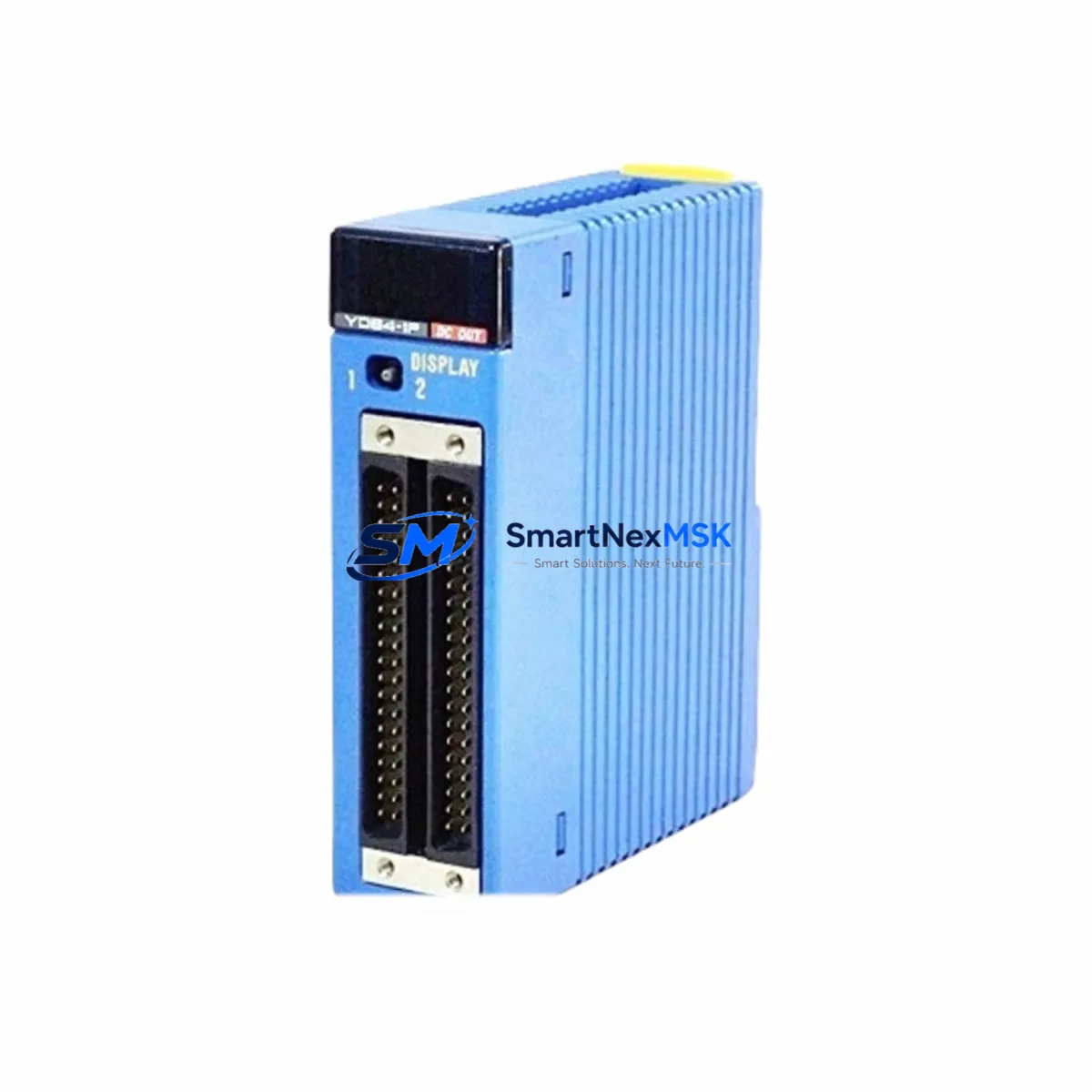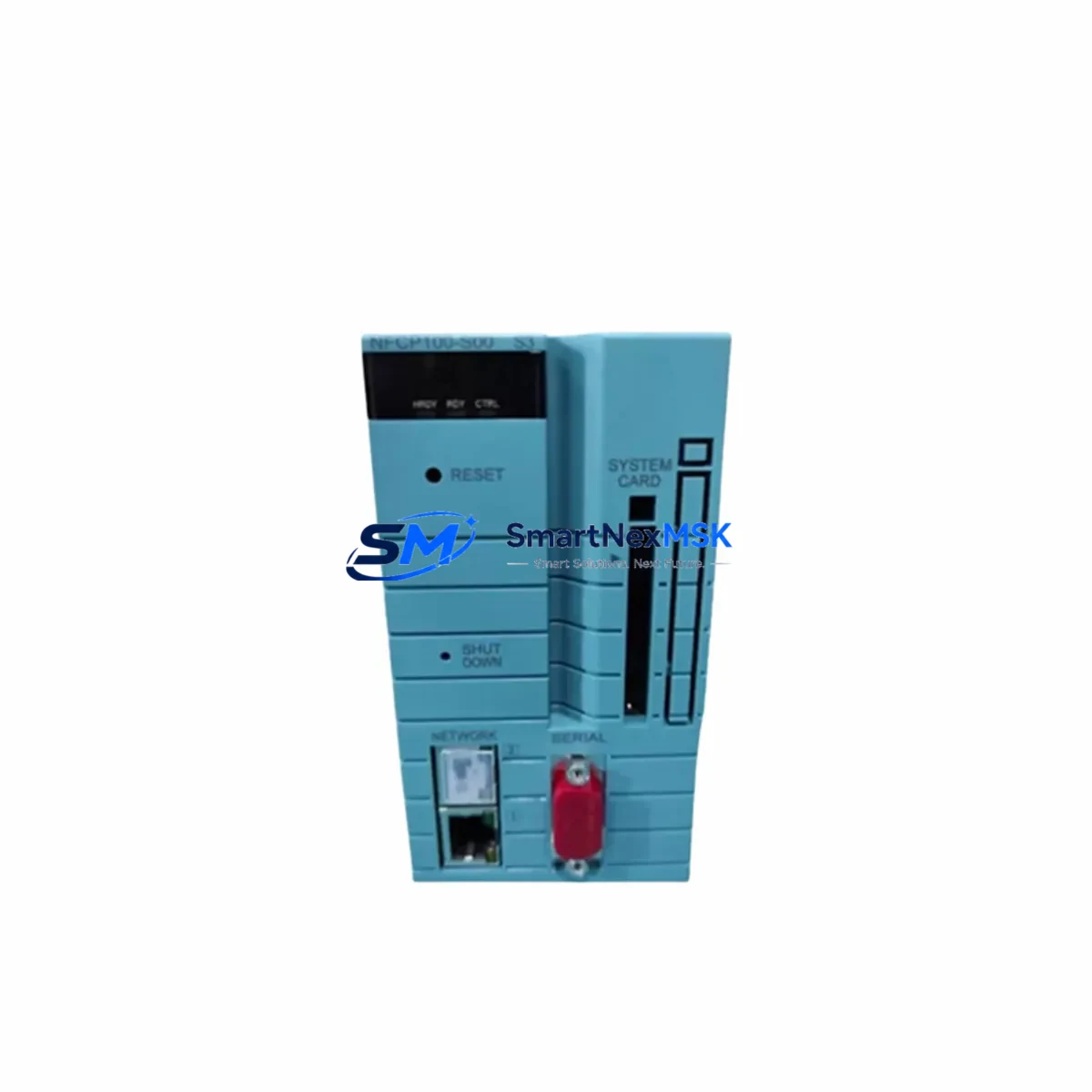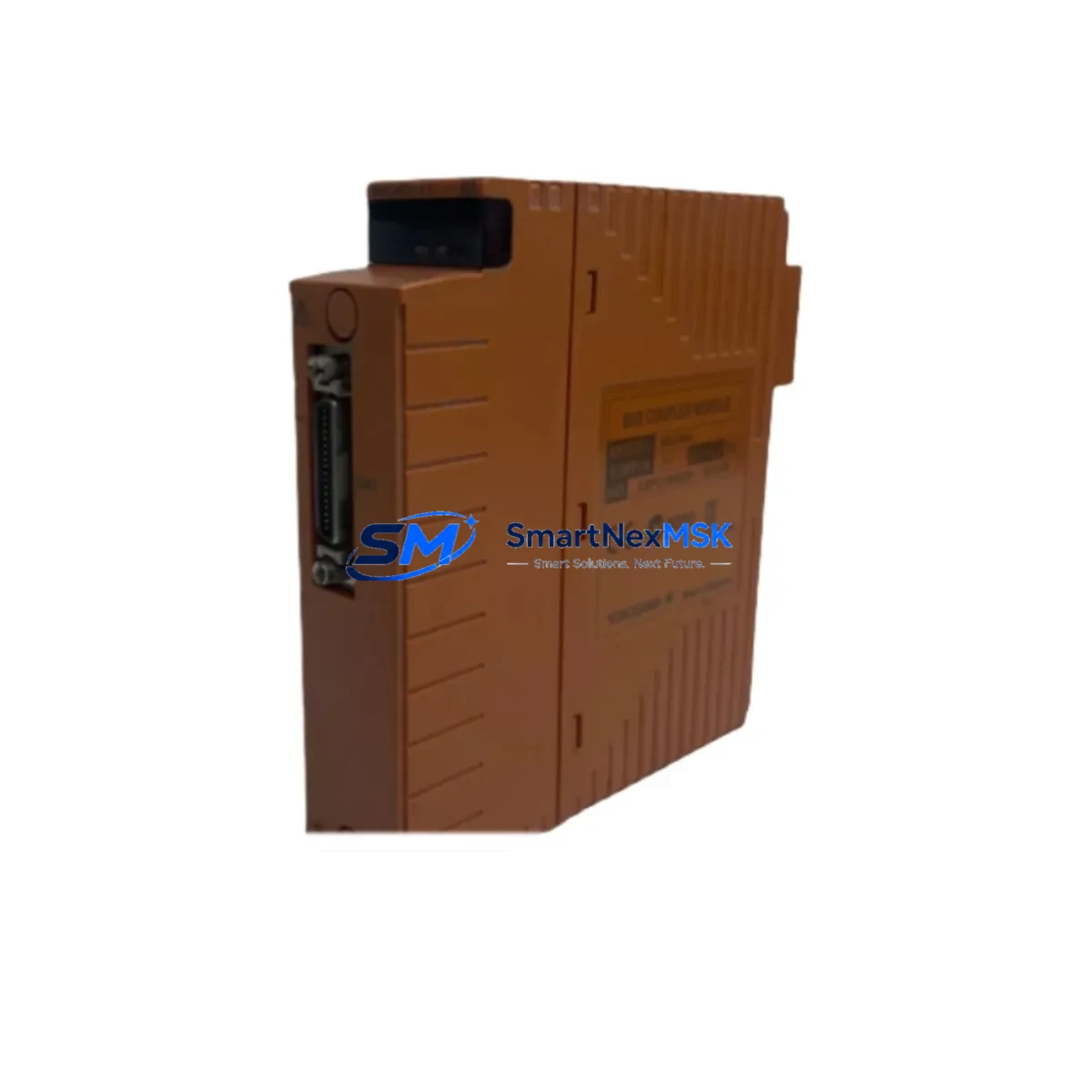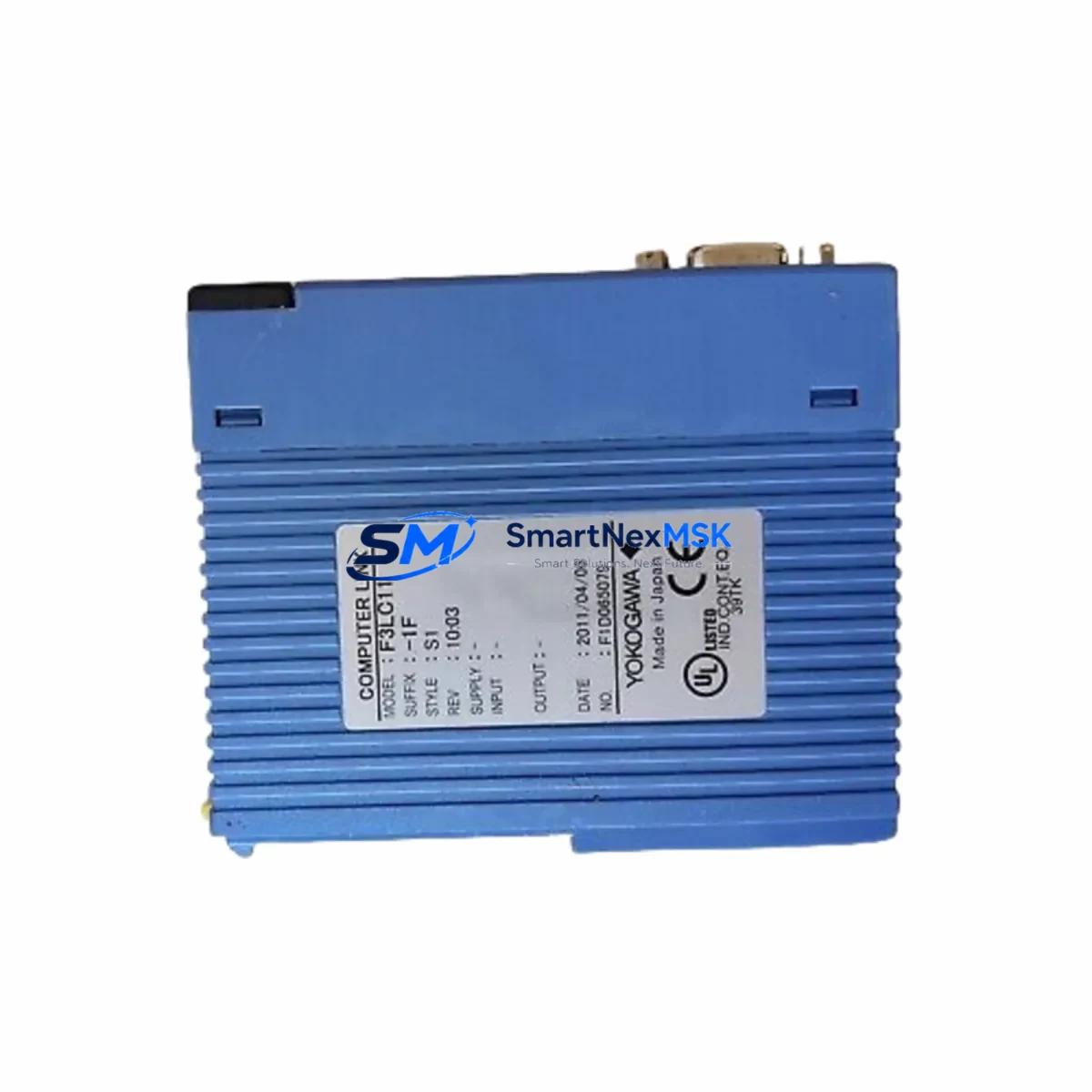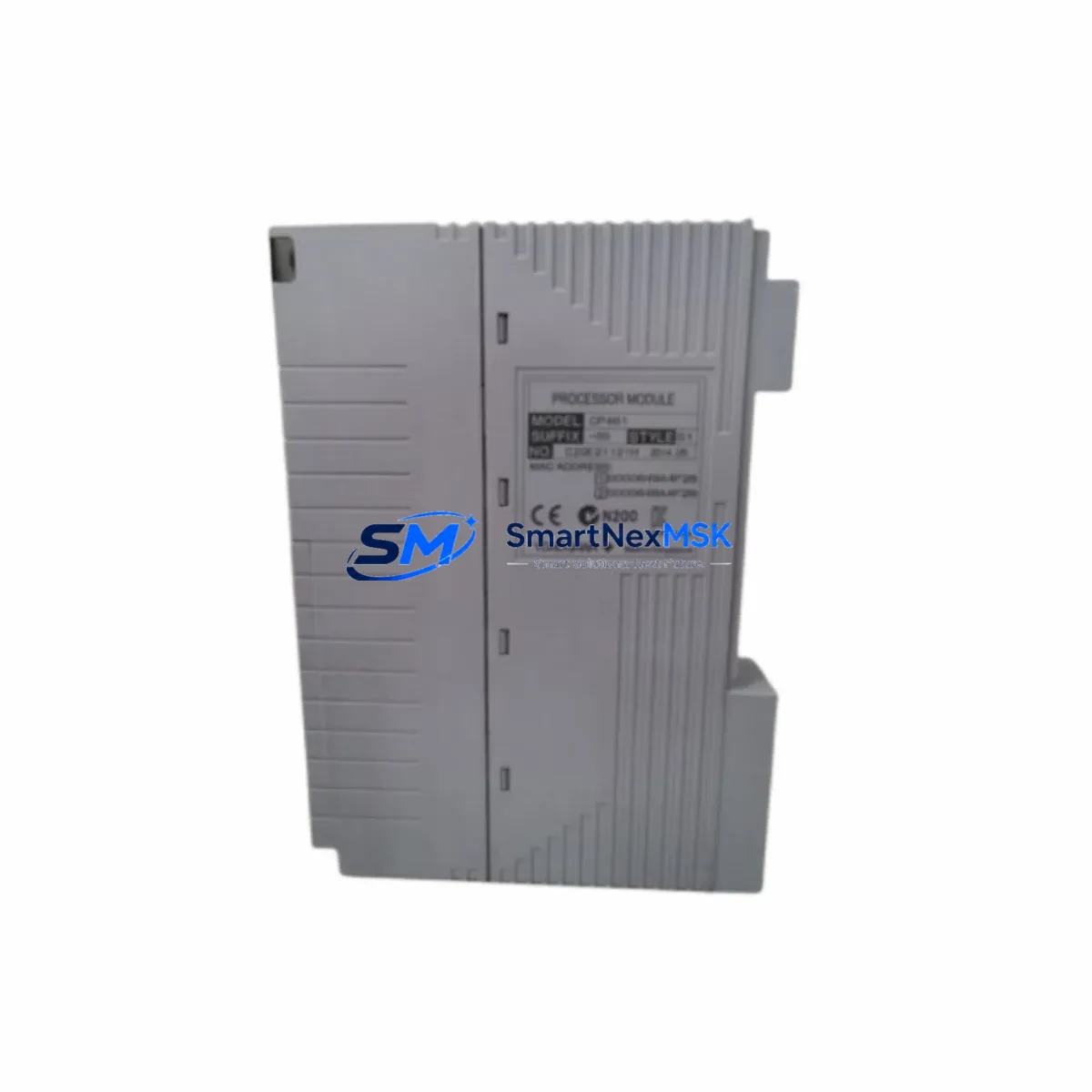
YOKOGAWA CP461-50 S1 Retrofit-Ready FCS Processor for CENTUM CS 3000 Control Systems
The YOKOGAWA CP461-50 S1 is a Field Control Station (FCS) processor module engineered for the CENTUM CS 3000 distributed control system platform. As legacy CENTUM CS 3000 installations approach end-of-life support cycles, the CP461-50 S1 remains a critical component for facilities seeking to extend operational continuity, replace failed processors, or execute a phased modernization without full system replacement. This module is sourced from verified supply channels, fully tested prior to shipment, and backed by a 12-month warranty covering hardware defects under normal operating conditions.
Industrial facilities running CENTUM CS 3000 across refining, petrochemical, power generation, and pharmaceutical applications rely on the CP461-50 S1 as the computational core of their FCS nodes. When a processor fails or reaches end-of-life, the replacement process demands careful attention to hardware revision compatibility, firmware version alignment, and backplane slot addressing. The CP461-50 S1 installs into the standard CENTUM CS 3000 field control unit chassis and interfaces directly with the existing ESB bus backplane, preserving the original I/O wiring and tag database without requiring re-engineering of the control strategy.
Upgrade Compatibility Table
| Parameter | Details |
|---|---|
| Compatible Platform | YOKOGAWA CENTUM CS 3000 (R3.xx and above) |
| Module Type | FCS Processor (Field Control Station CPU) |
| Backplane Interface | ESB Bus — standard CS 3000 field control unit chassis |
| Installation Slot | Processor slot of FCU (Field Control Unit) chassis |
| Communication Compatibility | Vnet/IP, ESB Bus, RS-232C engineering port |
| Replacement Scope | Direct replacement for CP461-50 S1; verify hardware suffix before ordering |
| Firmware Alignment | Must match existing FCS firmware revision; confirm via Engineering Workstation |
| Commissioning Requirement | Download control application from Engineering Workstation after hardware swap |
| Warranty | 12 months from shipment date, covering hardware defects under normal use |
| Pre-shipment Testing | Power-on functional test performed on every unit before dispatch |
Retrofit Planning for Existing Automation Systems
A successful CP461-50 S1 retrofit begins well before the module arrives on site. Engineers should audit the existing FCU chassis to confirm the backplane revision and available power budget. The CP461-50 S1 draws its operating power from the FCU power supply unit — typically a PW481 or PW482 series power module — and the total load across all installed cards, including AI143, AO143, DI141, and DO141 I/O modules, must remain within the rated capacity of the power supply. If the power budget is marginal, replacing the power supply unit in the same maintenance window is strongly recommended to avoid nuisance trips after the processor swap.
The ESB bus backplane within the FCU chassis carries both power and communication signals to every installed module. Before removing the CP461-50 S1, engineers should document the physical slot assignments of all I/O modules and verify that the module address settings — typically configured via DIP switches or rotary encoders on each card — match the tag assignments in the CENTUM CS 3000 database. Mismatched addresses after reinstallation will cause the FCS to report I/O communication faults and may trigger process alarms or safety interlocks.
Communication continuity is equally critical. The CP461-50 S1 connects to the plant-wide Vnet/IP control network through the FCU’s network interface. Before the swap, engineers should record the FCS node address, domain number, and network segment configuration from the Engineering Workstation running CENTUM CS 3000 Builder. After installing the replacement CP461-50 S1, the control application — including all function blocks, sequence tables, and PID loop parameters — must be downloaded from the Engineering Workstation. If the facility also operates YOKOGAWA STARDOM FCN/FCJ controllers or Exaopc OPC server nodes on the same Vnet/IP segment, those connections should be verified post-download to confirm that data acquisition and historian feeds are intact.
HMI screens built in CENTUM CS 3000 HIS (Human Interface Station) reference tag names rather than hardware addresses, so the operator display will recover automatically once the FCS comes online with the correct application loaded. However, if the site uses a third-party SCADA system connected via Modbus TCP or OPC DA through an Exaopc gateway, the communication link should be tested explicitly during the commissioning window. Facilities that have integrated the CS 3000 with a YOKOGAWA Exaquantum plant information management system should also confirm that the historian subscription list is re-established after the FCS restart.
Downtime Control During System Migration
Minimizing unplanned downtime during a CP461-50 S1 replacement requires a structured cold-swap procedure. The recommended approach is to schedule the replacement during a planned maintenance window, place the affected FCS in manual mode from the HIS operator station, and verify that all critical control loops have been handed off to local panel controllers or that process conditions are stable before de-energizing the FCU chassis. The original control application should be archived from the Engineering Workstation immediately before the swap to ensure the most current version — including any recent tuning changes to PID parameters or sequence logic — is available for download to the replacement module.
Once the CP461-50 S1 is seated and the FCU is powered, the FCS will initialize and request an application download. The download process via the Engineering Workstation typically completes within a few minutes for standard-sized control applications. After download, engineers should perform a systematic I/O check: verify analog input readings against field transmitters, confirm digital output states match process equipment status, and cycle through any interlock logic in test mode before returning loops to automatic. This structured commissioning sequence protects the original program logic and ensures field control continuity is restored without introducing new faults.
Retrofit Support FAQ
Q1: Is the CP461-50 S1 a direct drop-in replacement for all CENTUM CS 3000 FCS processor variants?
The CP461-50 S1 is compatible with CENTUM CS 3000 FCU chassis running R3.xx firmware and above. Hardware suffix variants (e.g., S1 vs. S2) may differ in memory capacity or supported I/O count. Always confirm the hardware suffix of the installed module before ordering to ensure a like-for-like replacement.
Q2: What commissioning steps are required after installing the replacement module?
After physical installation, the control application must be downloaded from the CENTUM CS 3000 Engineering Workstation. Engineers should then verify FCS node address, Vnet/IP communication status, I/O module recognition, and loop operation in manual mode before returning to automatic control. A full I/O check and interlock test is recommended before resuming normal production.
Q3: Can the existing field wiring and terminal blocks be reused?
Yes. The CP461-50 S1 replacement does not require changes to field wiring. All I/O signals connect through the existing terminal units and marshalling panels associated with the FCU chassis. Only the processor module itself is replaced; the I/O modules, power supply, and backplane remain in place.
Q4: What does the 12-month warranty cover?
The 12-month warranty covers hardware defects arising under normal operating conditions from the date of shipment. Each unit undergoes a power-on functional test before dispatch. Warranty claims are supported by our technical team; contact [email protected] with the order reference and fault description to initiate a return or replacement.
© 2026 SMARTNEXMSK. All rights reserved.
Original Source: https://smartnexmsk.com
Contact: [email protected] | +86 18259474341