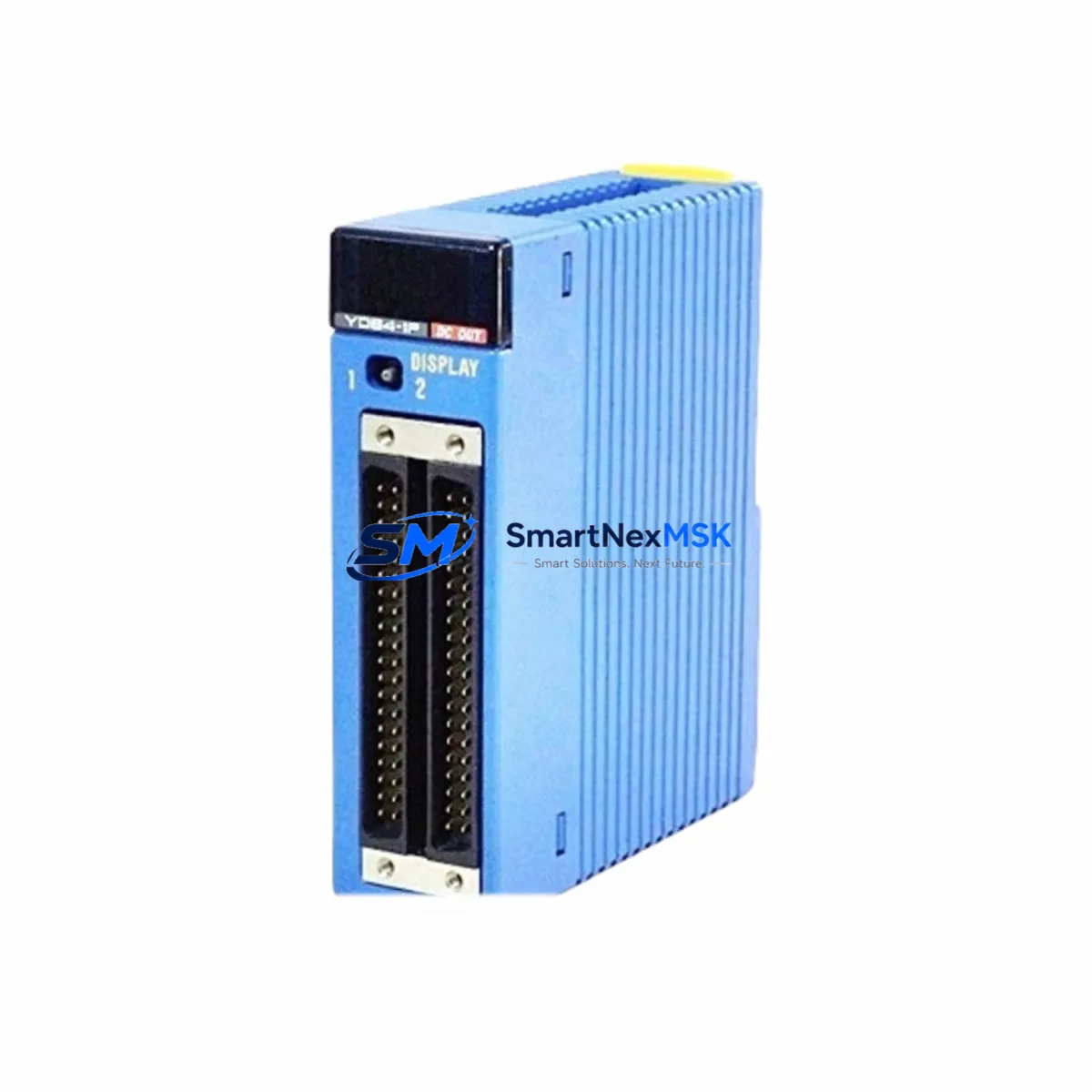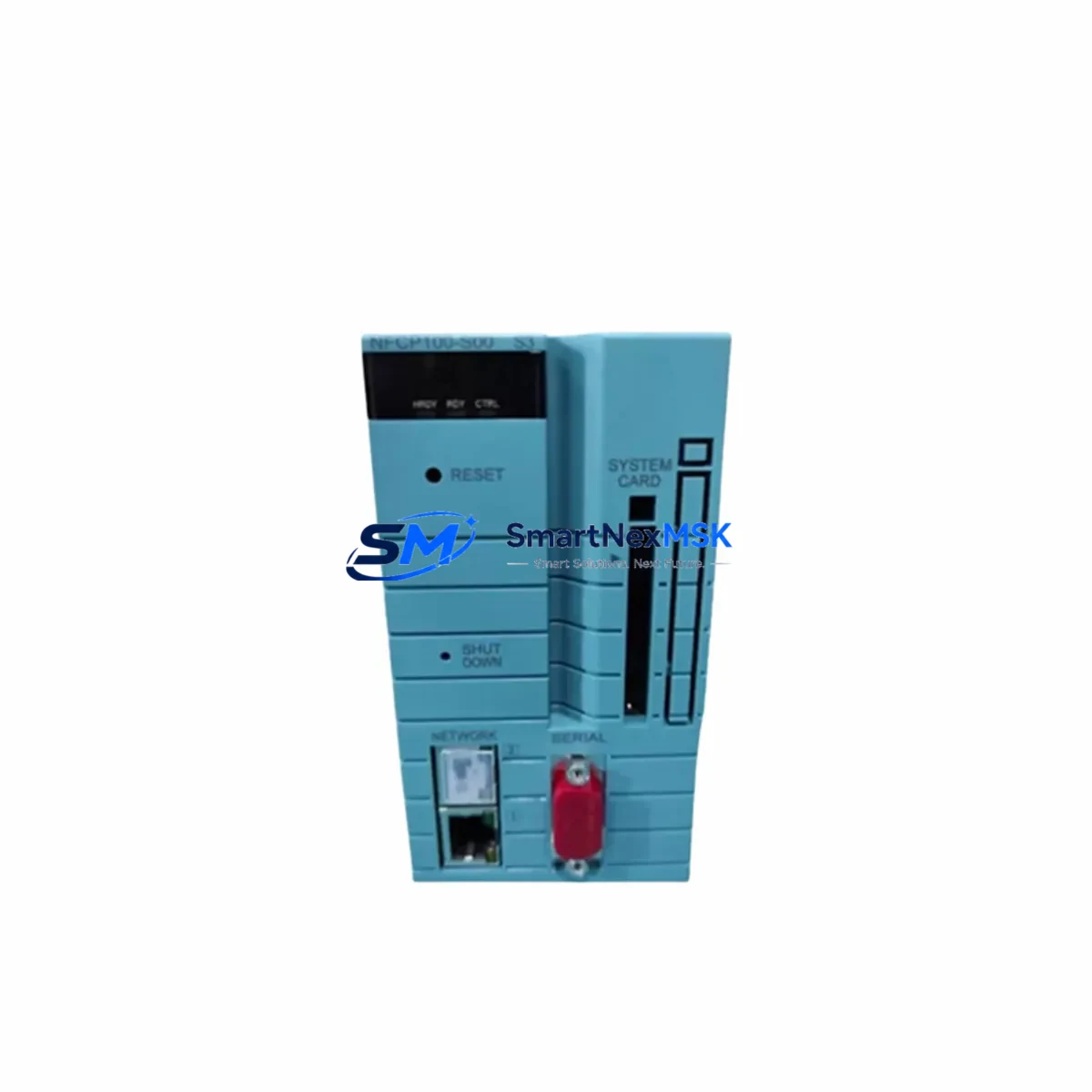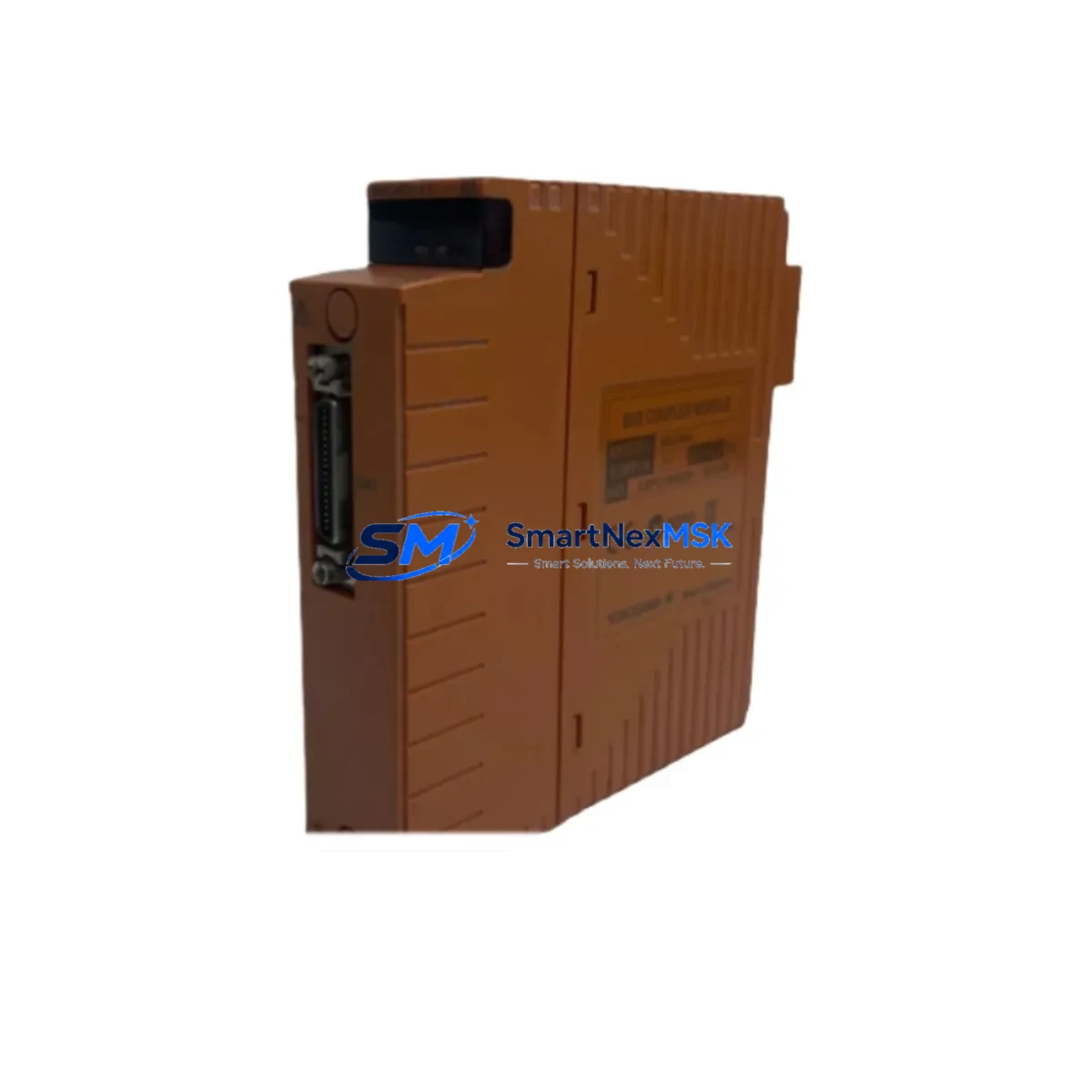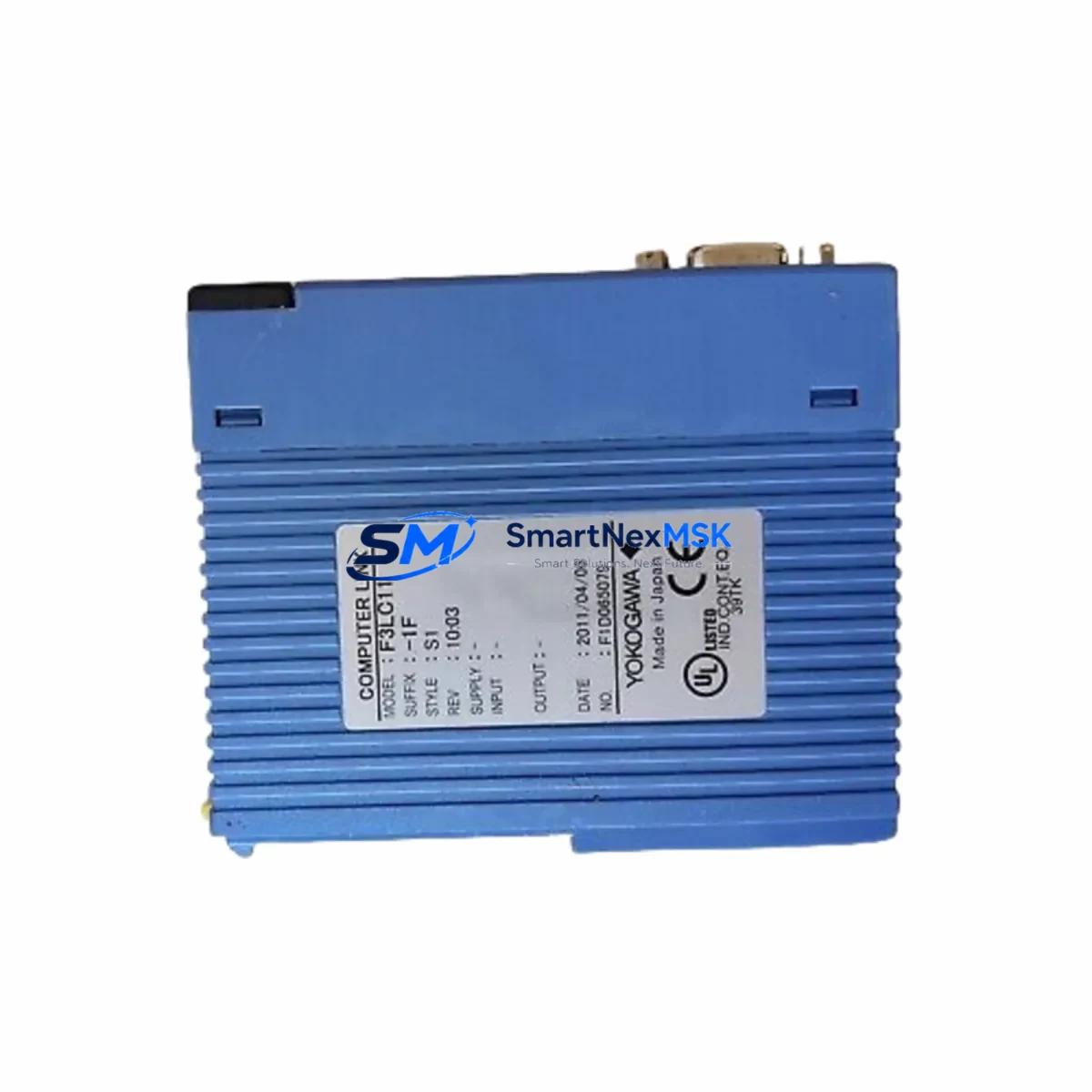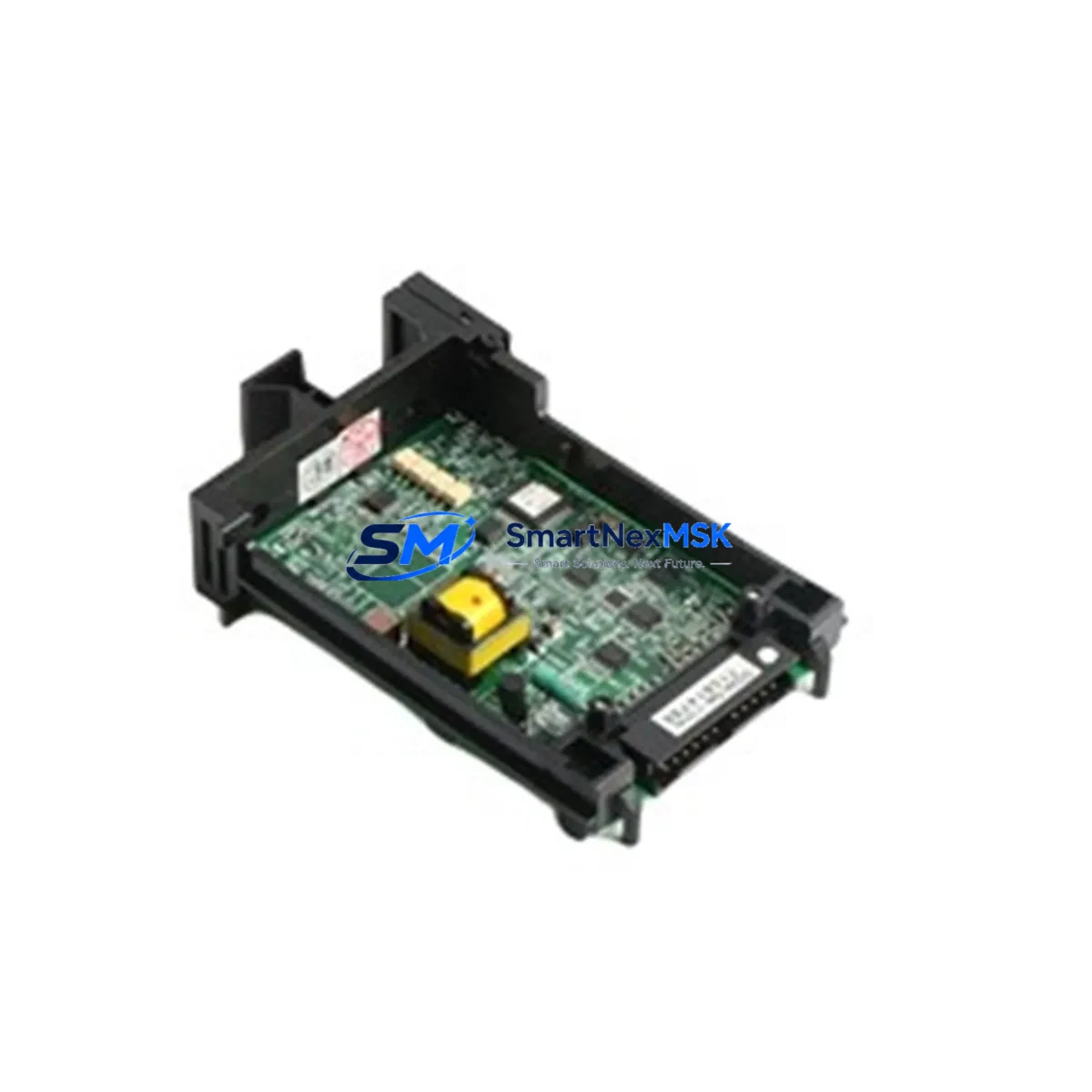
YOKOGAWA ER5*C Maintenance-Ready Spare for CENTUM Automation
Unplanned downtime in a CENTUM VP or CENTUM CS 3000 distributed control system is one of the most costly events a process plant can face. The YOKOGAWA ER5*C RTD Input Module is a critical signal-acquisition component that converts resistance temperature detector signals into digital process values consumed by the controller. When this module degrades or fails, the affected control loop goes blind — triggering alarms, forcing manual override, and halting production. Stocking a verified original ER5*C spare is the single most effective measure a maintenance team can take to compress mean-time-to-repair and restore normal operation within a single shift.
Every ER5*C unit supplied by SMARTNEXMSK is sourced as a genuine YOKOGAWA original, individually bench-tested against factory electrical specifications before shipment, and covered by a 12-month warranty. Units are dispatched from bonded stock with full traceability documentation, supporting both planned turnaround maintenance and emergency call-out scenarios.
Spare Maintenance Table
| Parameter | Specification / Value |
|---|---|
| Part Number / SKU | ER5*C |
| Brand | YOKOGAWA |
| Module Type | RTD Input Module |
| Compatible System | YOKOGAWA CENTUM VP, CENTUM CS 3000 |
| Input Signal Type | Resistance Temperature Detector (RTD) — Pt100, Pt1000, JPt100 |
| Number of Input Channels | 8 channels (typical for ER5 series) |
| Measurement Range | –200 °C to +850 °C (Pt100); application-dependent |
| Accuracy | ±0.1 °C (reference conditions) |
| Power Supply | Supplied via CENTUM I/O bus backplane (no external PSU required) |
| Mounting | CENTUM I/O nest / node unit — hot-swap capable |
| Communication Interface | CENTUM internal V-net / Vnet/IP bus |
| Operating Temperature | 0 °C to +55 °C |
| Humidity | 10 % to 90 % RH (non-condensing) |
| Origin | Japan |
| Condition | Original New / Tested Surplus |
| Warranty | 12 Months from date of shipment |
| Pre-shipment Test | Full electrical bench test — pass certificate included |
| Lead Time | In stock — ships within 2 business days |
Maintenance Planning for Continuous Operation
A disciplined spare-parts strategy for a CENTUM-based control system extends well beyond holding a single ER5*C module. During a scheduled inspection or corrective replacement of the ER5*C, maintenance engineers should simultaneously audit the surrounding electrical environment to prevent repeat failures and maximise the value of each planned outage.
Begin at the I/O nest and backplane: inspect the node unit bus connectors for oxidation or mechanical damage, and verify that the adjacent ER5*C companion modules — such as the EB401 or EB501 bus interface units — are seated correctly and showing healthy status LEDs. A loose backplane connection is a common root cause of intermittent RTD channel faults that are misdiagnosed as module failure.
Move to the field wiring terminal block. CENTUM RTD inputs typically land on dedicated marshalling terminals; confirm that the three-wire or four-wire RTD connections are tight, that shield grounds are continuous, and that no terminal has discoloured from heat. If the plant uses signal isolators between the field RTD and the I/O module — a common practice in high-noise petrochemical environments — inspect those isolators for drift or output saturation before assuming the ER5*C itself is at fault.
At the power distribution level, verify that the 24 VDC bus feeding the I/O node is within tolerance. A sagging supply caused by an ageing PW481 or PW482 power supply module can manifest as erratic RTD readings across multiple channels. Replacing the ER5*C without addressing a marginal power supply will result in a repeat call-out within weeks.
For systems running Vnet/IP communication, check the ACG10S or ACG30S communication gateway event logs for any bus error counts that coincide with the RTD fault history. Elevated error counts indicate a network-layer issue that will persist after the I/O module swap. Similarly, if the CENTUM system includes FCS (Field Control Station) redundancy, confirm that the standby FCS is synchronised and ready before taking the primary offline for module replacement.
Finally, review the HMI historian trend for the affected tag over the preceding 30 days. A gradual drift pattern points to RTD element degradation in the field; a sudden step change is more consistent with module or wiring failure. This distinction determines whether the field instrument — thermowell, RTD element, or transmitter — also needs to be scheduled for replacement during the same outage window.
Site Replacement Workflow
Step 1 — Preparation: Obtain the ER5*C module, confirm the firmware revision label matches the installed base (or is a compatible successor revision per YOKOGAWA TI document), and gather the CENTUM engineering tool laptop with the current project database backed up.
Step 2 — Loop inhibit: In the CENTUM HIS (Human Interface Station), place all control loops associated with the affected I/O node into manual mode and acknowledge any generated alarms. Notify the process operator and obtain a permit-to-work if required by site safety procedures.
Step 3 — Hot-swap extraction: The ER5*C supports hot insertion and removal within the CENTUM I/O nest. Unlock the module latch, slide the module out, and immediately insert the replacement unit. The CENTUM FCS will detect the new module and begin automatic configuration download within seconds.
Step 4 — Verification: Confirm that all channel status indicators on the new module show green. In the CENTUM engineering tool, verify that each RTD channel is reading a plausible process value. Apply a known-resistance calibration source to at least one channel to validate measurement accuracy before returning loops to automatic.
Step 5 — Documentation: Record the replaced module serial number, installation date, and post-replacement readings in the plant CMMS. Retain the removed module for failure analysis if the fault was not clearly attributable to external causes.
This workflow is equally applicable when upgrading from an obsolete ER5*B or earlier ER5-series variant, ensuring backward compatibility is confirmed in the CENTUM project database before the outage begins.
Spare Parts Support FAQ
Q1: Is the ER5*C you supply a genuine YOKOGAWA original, and how is it tested?
Yes. Every unit is a genuine YOKOGAWA original — not a clone or third-party equivalent. Before shipment, each module undergoes a full electrical bench test covering channel accuracy, bus communication handshake, and power consumption. A test pass certificate is included with the delivery documentation.
Q2: What is the warranty coverage and what does it include?
All ER5*C modules carry a 12-month warranty from the date of shipment. The warranty covers manufacturing defects and electrical failure under normal operating conditions. It does not cover damage caused by incorrect installation, overvoltage, or physical impact. Warranty claims are processed with a replacement unit dispatched within 5 business days of fault confirmation.
Q3: Can the ER5*C replace an older ER5*B or ER5*A module without reprogramming the CENTUM project?
In most cases, yes — the ER5 series maintains backward hardware compatibility within the same I/O nest generation. However, SMARTNEXMSK recommends verifying the specific revision compatibility in the YOKOGAWA CENTUM release notes or contacting our technical team before committing to a cross-revision swap in a live production environment.
Q4: How quickly can you ship, and do you support emergency procurement?
Standard orders ship within 2 business days from bonded stock. For emergency plant-down situations, contact us directly at [email protected] or +86 18259474341 to arrange priority dispatch. We support DHL Express, FedEx Priority, and air freight consolidation for international destinations.
© 2026 SMARTNEXMSK. All rights reserved.
Original Source: https://smartnexmsk.com
Contact: [email protected] | +86 18259474341