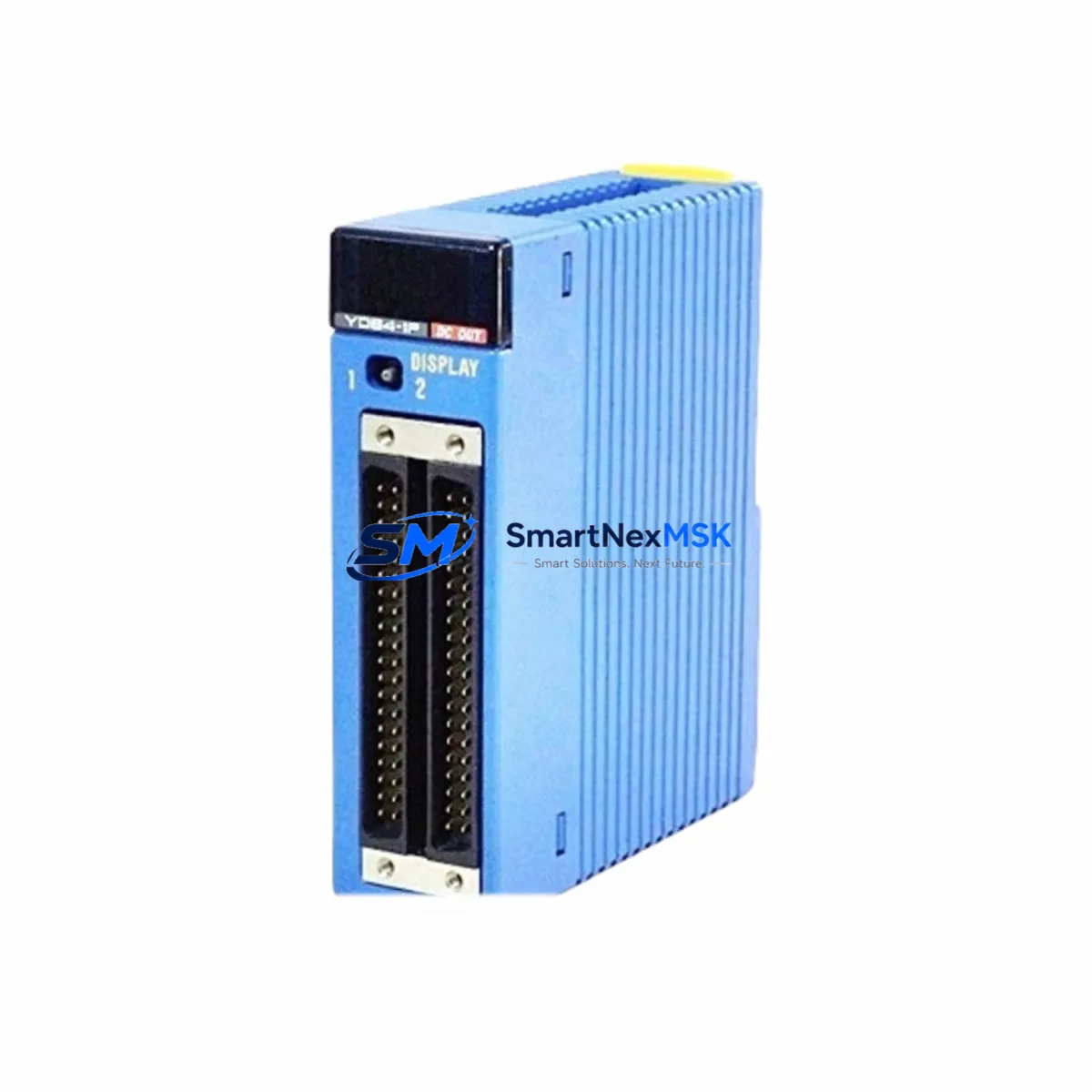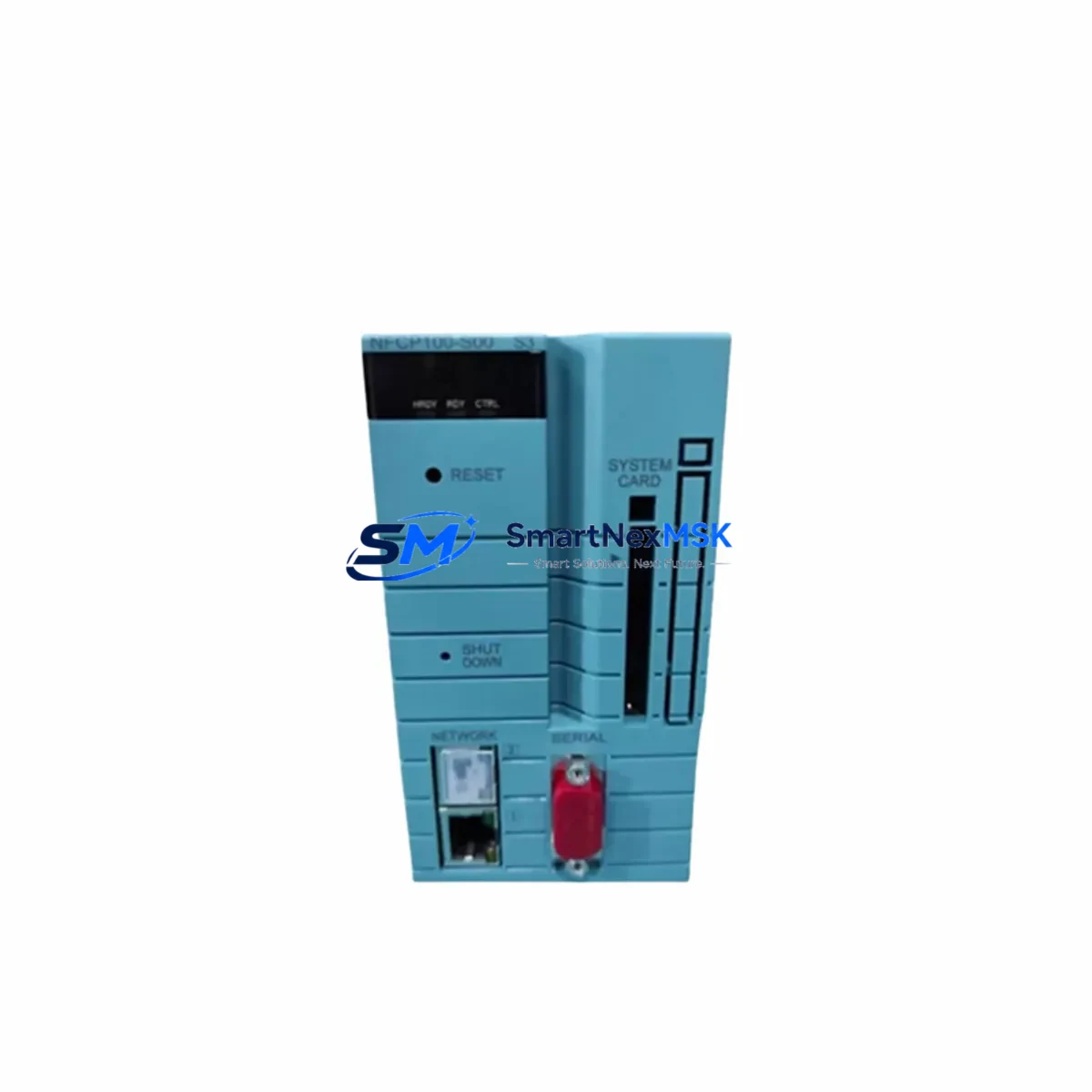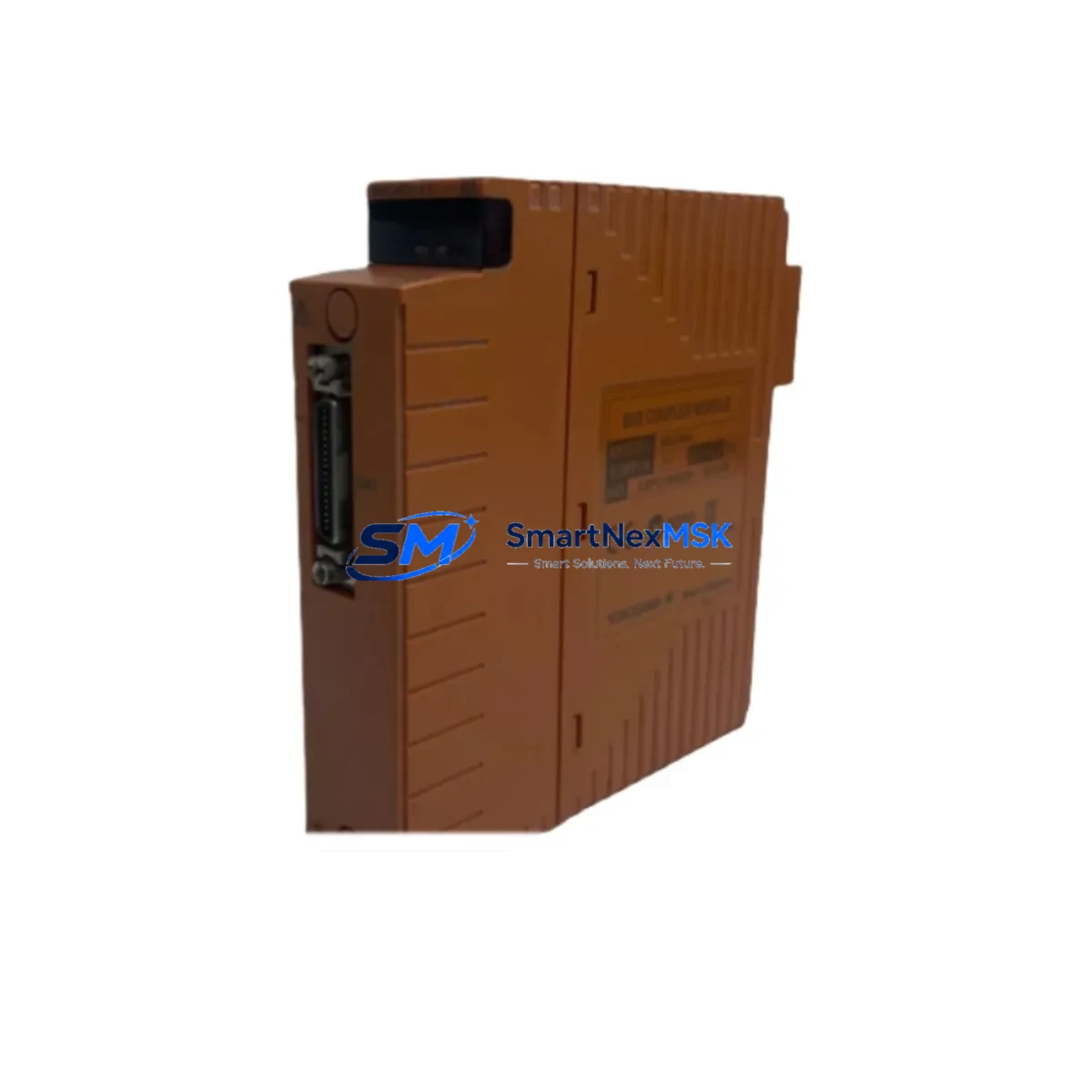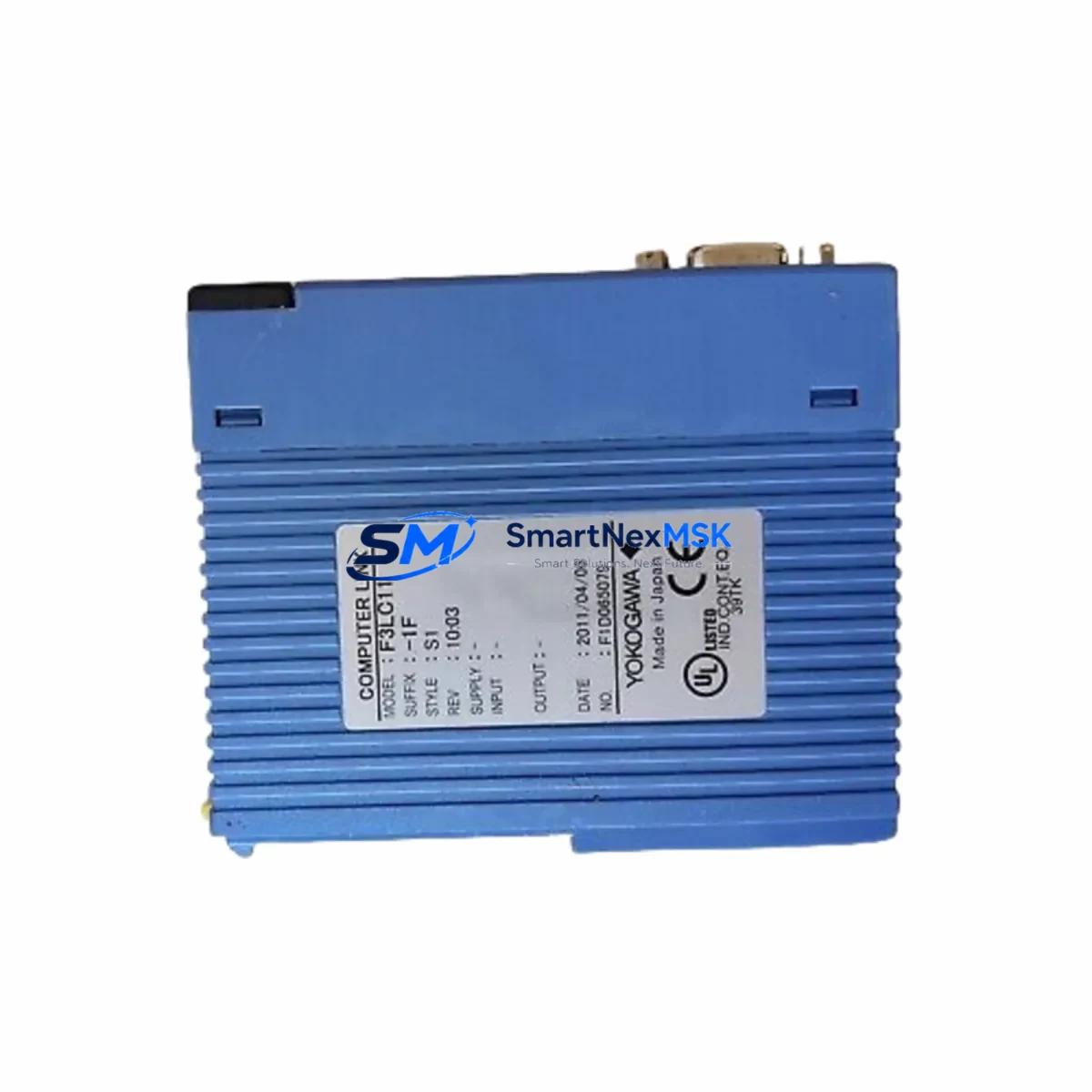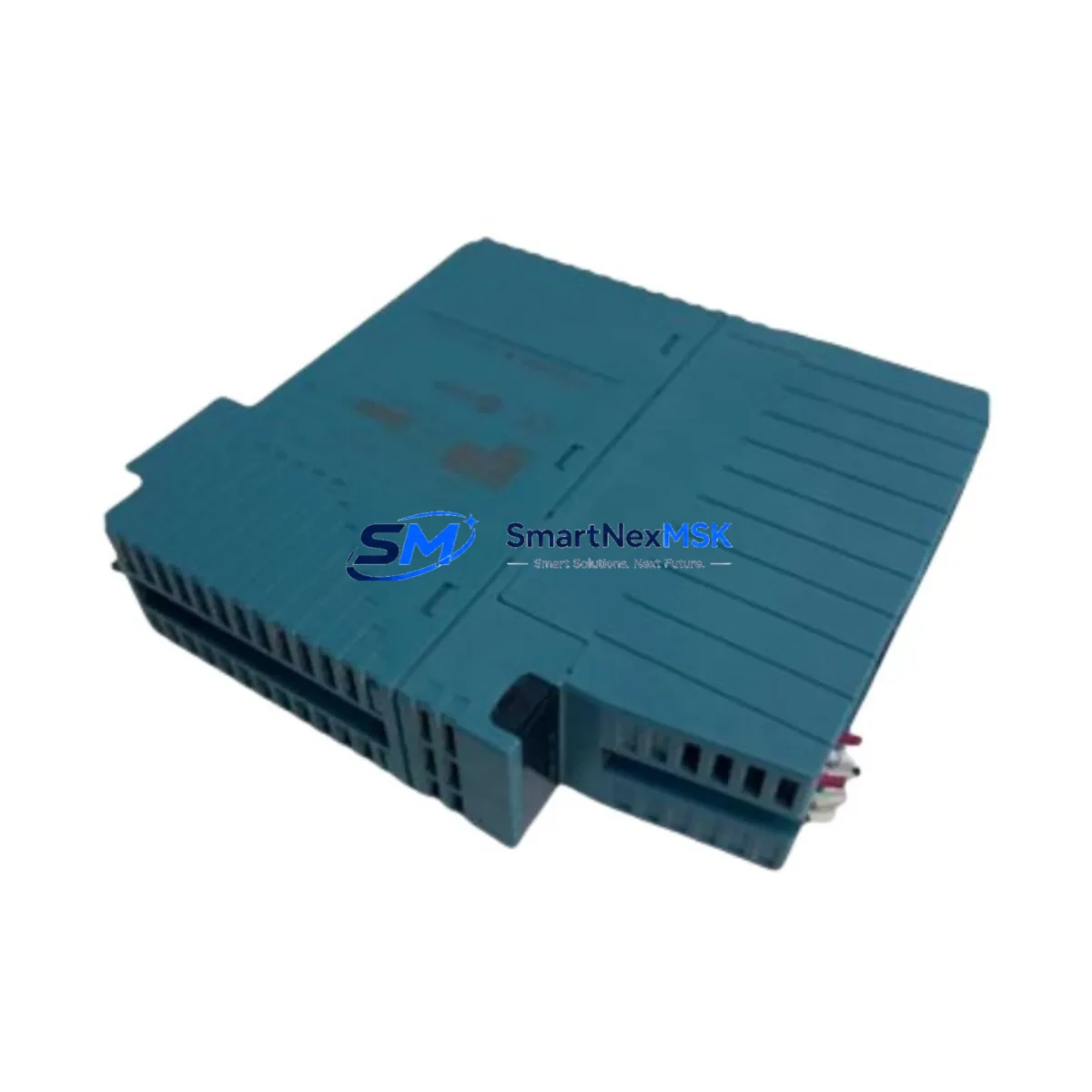
Yokogawa NFAR181-S00 Spare for ProSafe-RS Automation
The Yokogawa NFAR181-S00 is an original RTD (Resistance Temperature Detector) input module designed for the ProSafe-RS Safety Instrumented System (SIS). As a critical field-proven component in process safety architectures, this module handles temperature signal acquisition with SIL-certified integrity. For maintenance engineers managing aging SIS infrastructure or executing planned turnaround maintenance, having a verified spare of the NFAR181-S00 on hand is essential to minimizing unplanned downtime and sustaining functional safety loop performance.
Whether you are responding to a module fault alarm, executing a scheduled I/O card replacement, or building a strategic spare parts inventory for a ProSafe-RS-based safety system, this original Yokogawa unit ships tested and ready for immediate installation. Each unit undergoes pre-shipment functional verification and is backed by a 12-month warranty covering manufacturing defects and operational failures under normal service conditions.
Spare Maintenance Table
| Parameter | Specification |
|---|---|
| Part Number / SKU | NFAR181-S00 |
| Manufacturer | Yokogawa Electric Corporation |
| Series | ProSafe-RS Safety Instrumented System |
| Module Type | RTD (Resistance Temperature Detector) Input Module |
| Product Category | Safety I/O Module / SIS Field I/O |
| Input Channels | 8-channel RTD input (Pt100, Pt1000, Ni100 compatible) |
| Safety Integrity Level | SIL 2 capable (per IEC 61508) |
| Communication Interface | ProSafe-RS internal bus (backplane-mounted) |
| Power Supply | Supplied via ProSafe-RS I/O backplane (no external power required) |
| Operating Temperature | 0°C to +60°C |
| Mounting | ProSafe-RS I/O chassis / backplane slot |
| Origin | Japan |
| Compatibility | ProSafe-RS R3.xx / R4.xx controller environments |
| Condition | Original, new or refurbished-to-spec; tested before shipment |
| Warranty | 12 Months — covers manufacturing defects and operational failure |
| Typical Application | SIS temperature loop monitoring in oil & gas, chemical, and power generation plants |
Maintenance Planning for Continuous Operation
When a ProSafe-RS system requires NFAR181-S00 replacement, experienced maintenance engineers know that a single-module swap rarely tells the full story. A thorough site inspection should accompany any RTD input module replacement to prevent repeat failures and ensure the safety loop is fully restored.
Begin by inspecting the ProSafe-RS I/O backplane (e.g., NFBU100 or NFBU200 series) for signs of corrosion, bent connector pins, or thermal stress — a damaged backplane can cause intermittent faults even after a new NFAR181-S00 is installed. Check the ProSafe-RS controller module (such as the NFLC100 or NFLC200) for firmware version compatibility with the replacement I/O card, as mismatched firmware can prevent proper module recognition.
Verify the field wiring terminal blocks connected to the RTD inputs — loose or corroded terminals are a common root cause of signal drift that is often misdiagnosed as module failure. If the system uses signal isolators or RTD transmitters upstream of the I/O module, inspect those units for calibration drift or power supply degradation. Yokogawa NFAI135 analog input modules installed in adjacent slots should also be checked for cross-channel interference or shared power rail issues.
For systems with redundant safety loops, confirm that the NFAR181-S00 redundancy partner module (if configured) is operating within specification. Review the ProSafe-RS engineering station (Yokogawa ProSafe-RS Builder software) for any latched diagnostic alarms that may persist after hardware replacement. Additionally, inspect the 24VDC power distribution modules feeding the I/O chassis — under-voltage conditions accelerate module aging and can cause false SIL diagnostics.
For plants running extended maintenance intervals, consider stocking companion spares including the NFAI141 thermocouple input module, NFDO581 digital output module, and NFDI141 digital input module — all of which share the same ProSafe-RS chassis form factor and are subject to similar aging profiles in high-temperature process environments.
Site Replacement Workflow
Step 1 — Pre-Replacement Verification: Confirm the replacement NFAR181-S00 part number and hardware revision match the installed unit. Cross-reference the ProSafe-RS system configuration database to verify slot assignment and channel mapping before removal.
Step 2 — Safety Bypass Procedure: Follow your site’s Management of Change (MOC) and Safety Bypass Authorization procedures. Place the affected safety loop in bypass mode via the ProSafe-RS engineering station before removing the module to prevent spurious trips.
Step 3 — Module Removal: Power down the I/O slot if hot-swap is not supported in your ProSafe-RS revision. Remove the NFAR181-S00 by releasing the front-panel locking lever and sliding the module out of the backplane slot. Inspect the backplane connector for damage before inserting the replacement.
Step 4 — Installation and Configuration: Insert the new NFAR181-S00 into the designated slot. The ProSafe-RS controller will automatically detect and configure the module based on the stored system database. Verify that the module status LED indicates normal operation (green) within 60 seconds of insertion.
Step 5 — Loop Test and Bypass Release: Perform a channel-by-channel RTD input verification using a calibrated RTD simulator. Confirm all 8 channels read within ±0.5°C of the reference signal. Once verified, release the safety bypass and restore the loop to automatic SIS control. Document the replacement in your site CMMS and update the spare parts inventory accordingly.
This workflow supports rapid downtime recovery — typically achievable within 2–4 hours for a planned replacement — and ensures full SIL integrity is restored before returning the safety loop to service.
Spare Parts Support FAQ
Q1: Is this NFAR181-S00 an original Yokogawa unit or a third-party compatible replacement?
This is an original Yokogawa NFAR181-S00 module sourced through authorized industrial supply channels. It is not a third-party clone or compatible substitute. Original units are required for SIL-certified safety loops to maintain functional safety compliance under IEC 61511.
Q2: How is the module tested before shipment?
Each NFAR181-S00 undergoes pre-shipment functional testing including power-on verification, channel continuity checks, and communication bus handshake validation. A test report is available upon request. Units that do not pass full functional verification are not shipped.
Q3: What is the recommended spare parts stocking strategy for ProSafe-RS RTD input modules?
For plants with 10 or more NFAR181-S00 modules installed, a minimum of 2 spare units is recommended to cover both emergency replacement and planned maintenance cycles. For critical SIS applications in continuous process industries, a 10–15% spare ratio relative to installed quantity is considered best practice. Long lead times on original Yokogawa I/O modules (often 8–20 weeks from factory) make local stocking essential for downtime risk management.
Q4: Does the 12-month warranty cover field installation failures?
The 12-month warranty covers manufacturing defects and component failures under normal operating conditions. It does not cover damage resulting from incorrect installation, overvoltage events, or use outside the specified environmental range. Warranty claims are supported with RMA processing and replacement shipment within 5 business days of fault confirmation.
© 2026 SMARTNEXMSK. All rights reserved.
Original Source: https://smartnexmsk.com
Contact: [email protected] | +86 18259474341