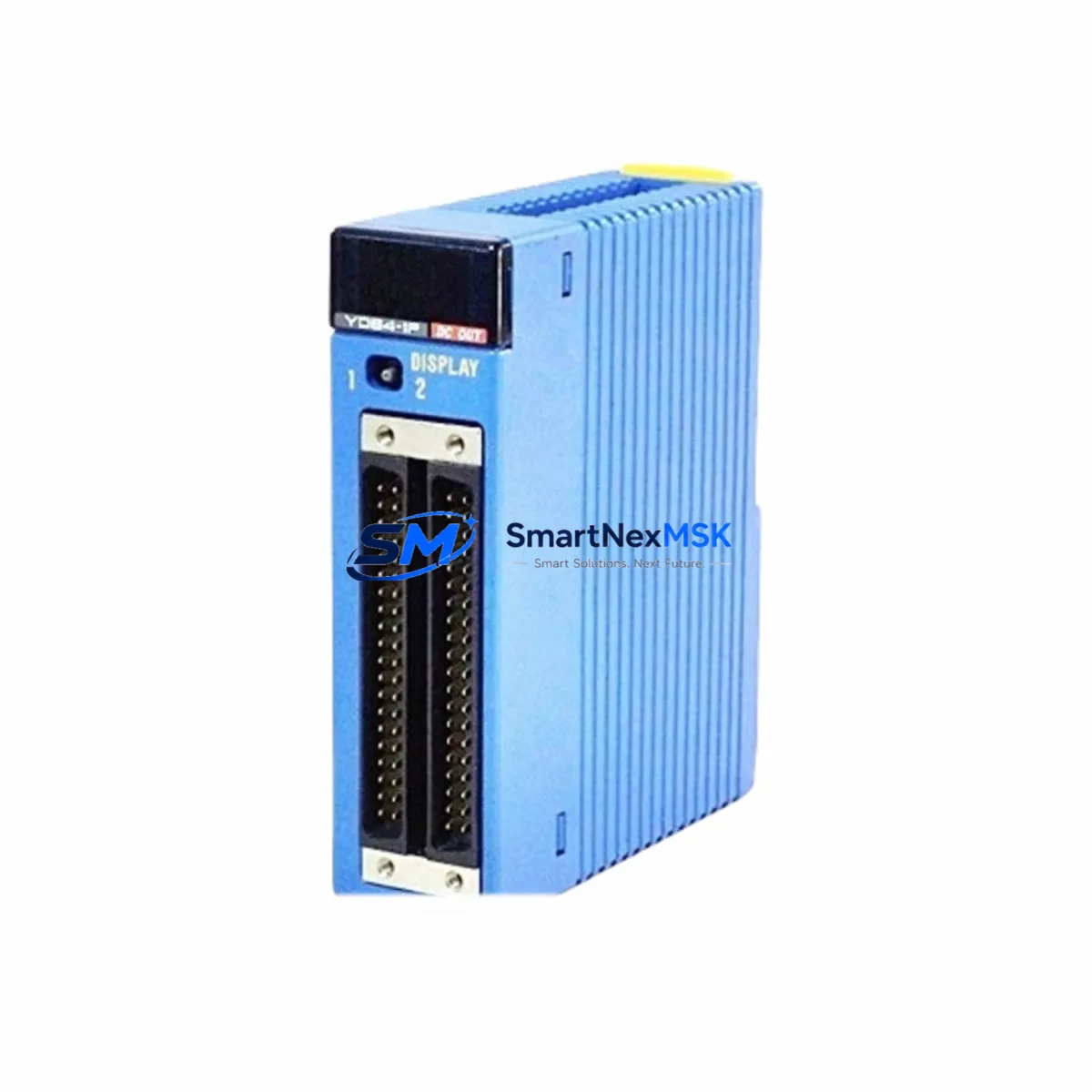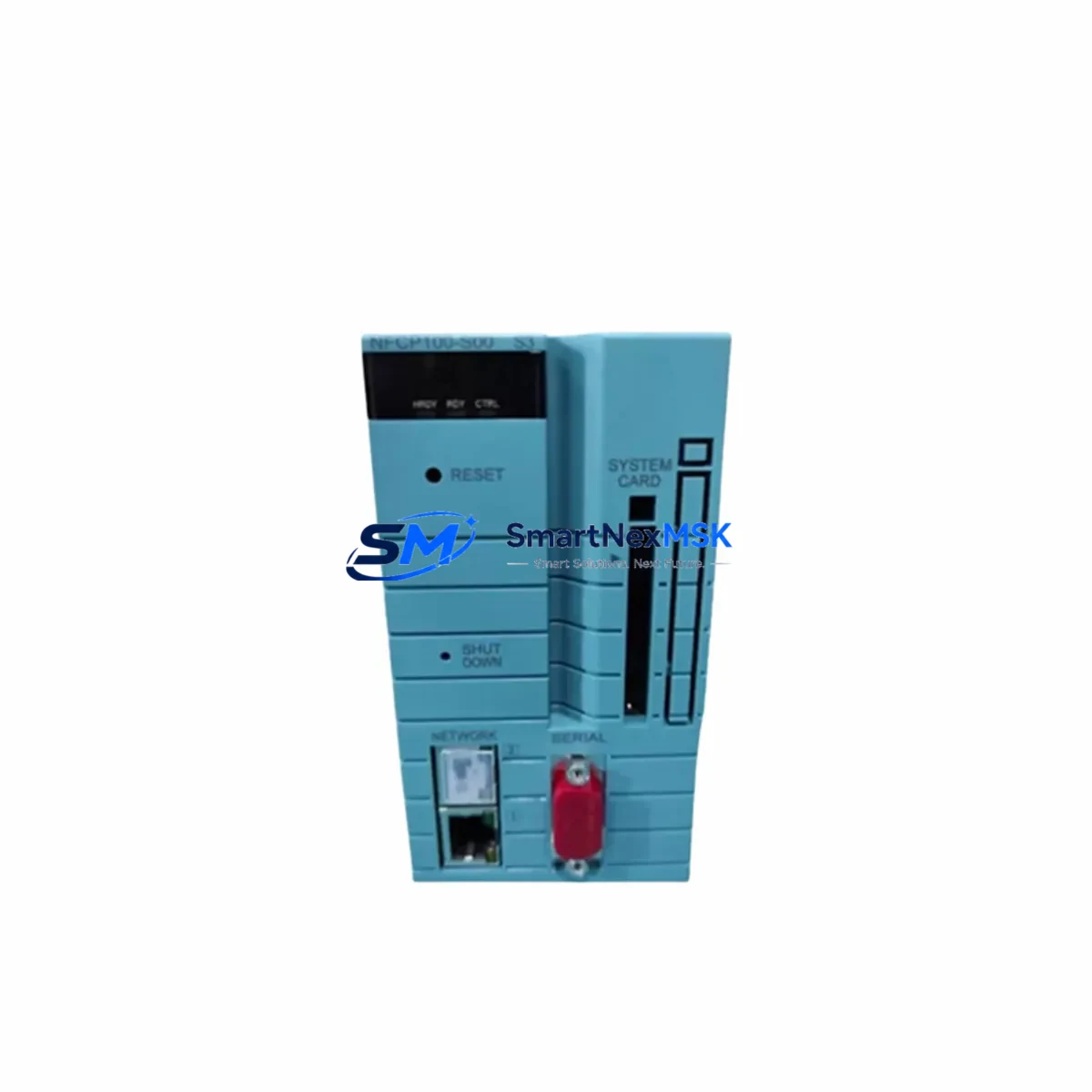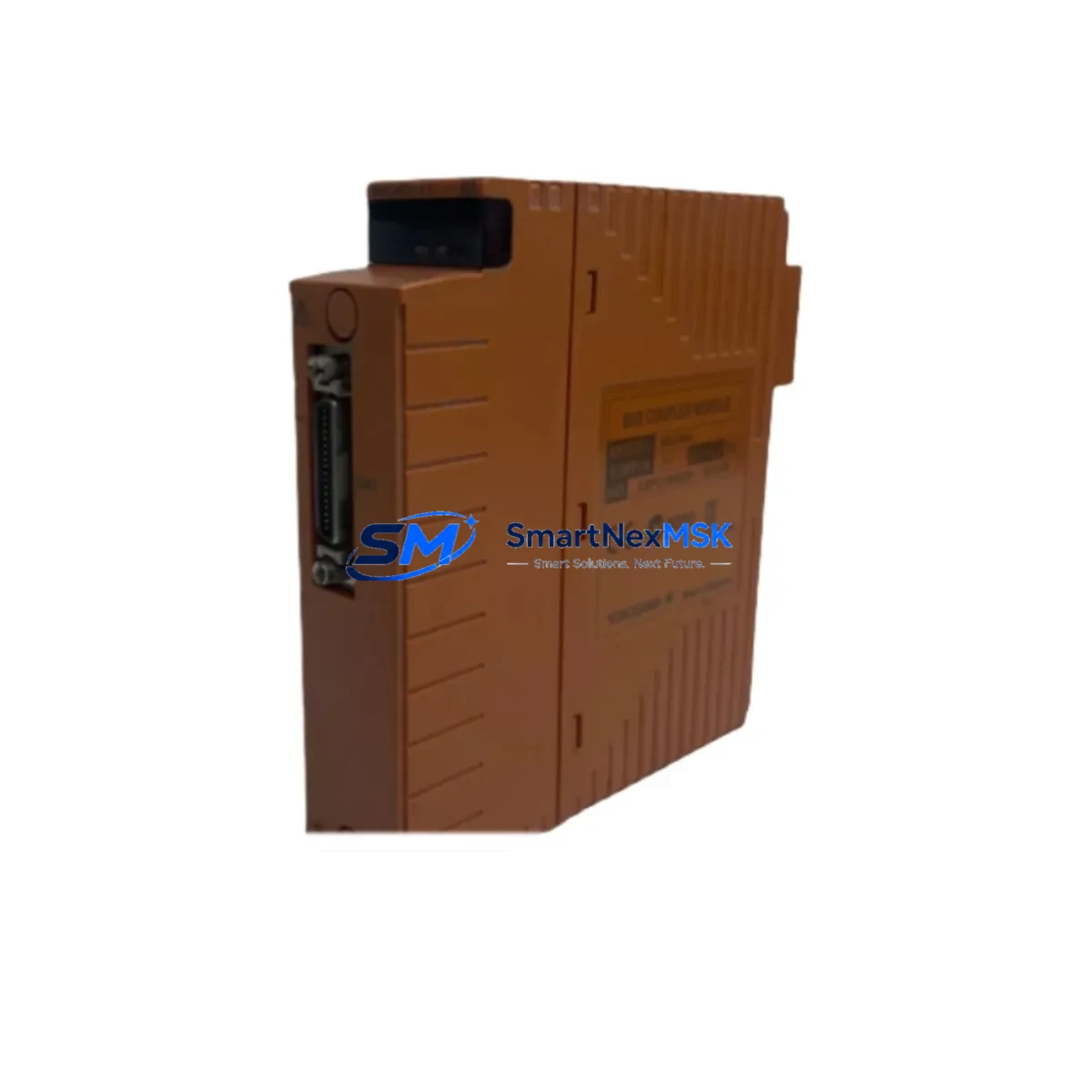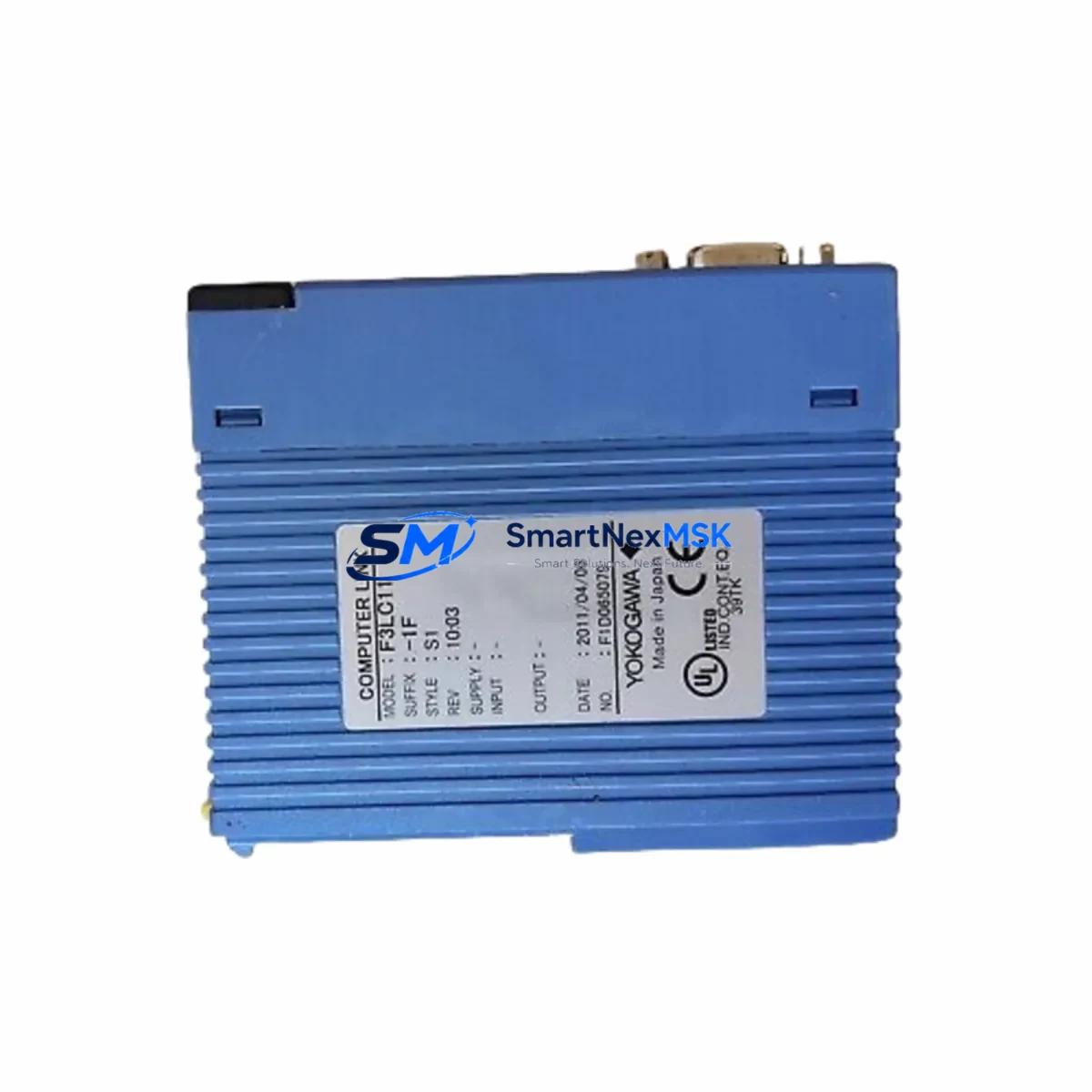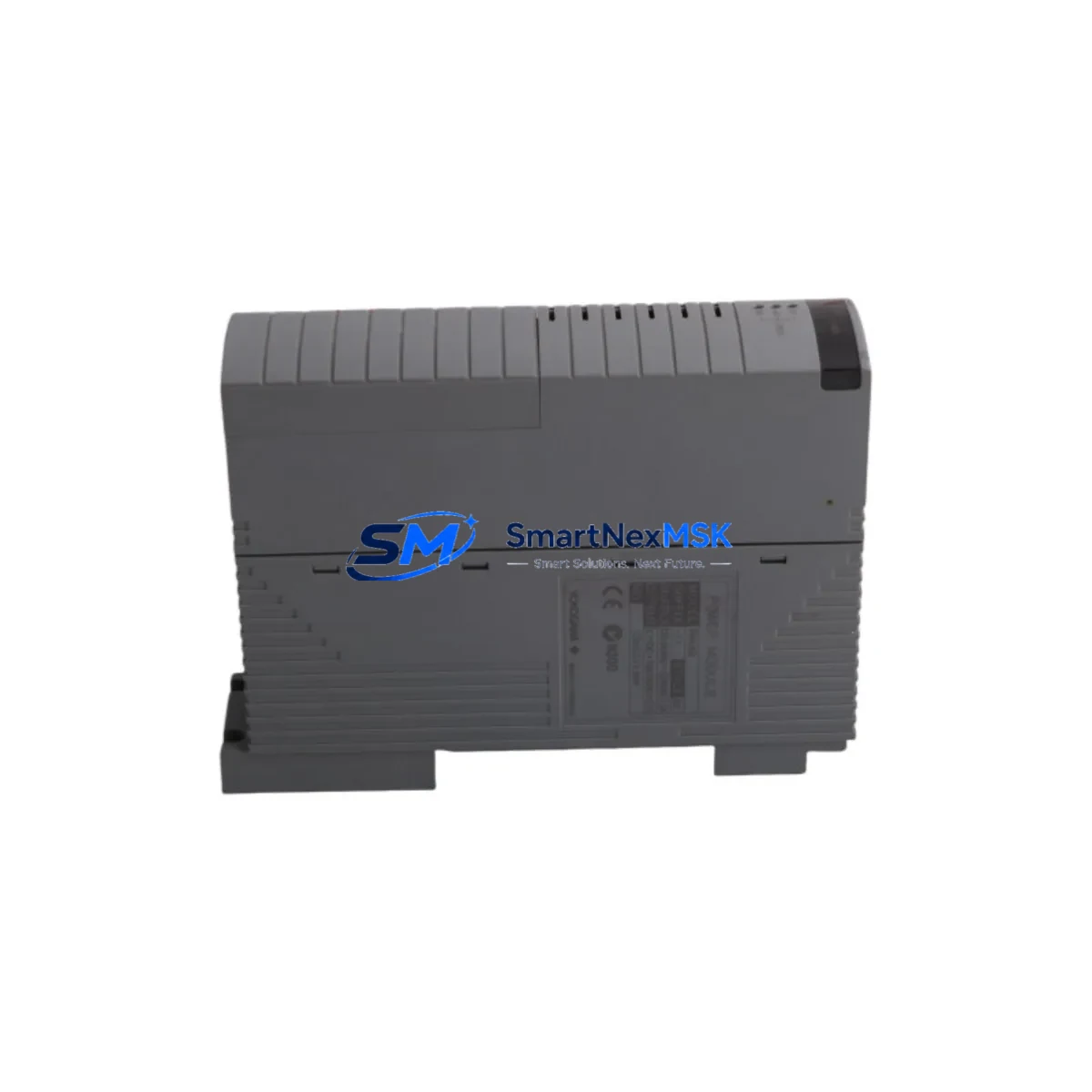
YOKOGAWA PW482-11 S2: Retrofit-Ready FCS Nest Power Supply for CENTUM VP & CS 3000 Control Systems
The YOKOGAWA PW482-11 S2 is a DC power supply module engineered for the Field Control Station (FCS) Nest within YOKOGAWA’s CENTUM VP and CS 3000 Distributed Control Systems. As legacy DCS installations age and OEM support windows narrow, the PW482-11 S2 has become one of the most sought-after retrofit components for plants seeking to extend operational life without committing to a full platform migration. Whether you are replacing a failed unit on an emergency basis or executing a planned control-cabinet upgrade, this module delivers the electrical stability and form-factor compatibility that mission-critical process environments demand.
Our inventory is sourced, inspected, and function-tested prior to shipment. Each unit ships with a 12-month warranty covering manufacturing defects and functional failures under normal operating conditions. Global logistics from our Xiamen warehouse ensures lead times that align with plant maintenance windows, minimizing unplanned downtime exposure.
Upgrade Compatibility Table
| Parameter | PW482-11 S2 Specification | Retrofit Notes |
|---|---|---|
| Compatible Platforms | CENTUM VP, CENTUM CS 3000 | Verify FCS generation (R3 / R4 / R5) before ordering |
| Installation Location | FCS Nest (power supply slot) | Direct drop-in; no bracket modification required |
| Output Voltage | 24 V DC regulated | Confirm nest bus voltage tolerance with existing I/O modules |
| Backplane Interface | YOKOGAWA proprietary FCS bus connector | Pin-compatible with original PW482-11 footprint |
| Communication Compatibility | Passive power role; no protocol dependency | No Vnet/IP or ESB reconfiguration required |
| Redundancy Support | Supports dual-PSU redundant nest configuration | Pair with second PW482-11 S2 for N+1 redundancy |
| Replacement Candidates | PW482-11, PW482-11 S1 | S2 revision includes enhanced surge protection |
| Commissioning Requirement | No firmware flashing required | Hot-swap capable in redundant configurations |
| Warranty | 12 Months | Covers functional failure under normal operating conditions |
Retrofit Planning for Existing Automation Systems
A successful PW482-11 S2 retrofit begins well before the module arrives on site. Engineers should start by auditing the existing FCS Nest configuration: document the current power draw of all installed I/O modules — including AI143, AO143, DI141, and DO141 cards — to confirm the replacement PSU’s capacity margin is adequate. In aging CENTUM CS 3000 installations, it is common to find that additional I/O expansion over the years has pushed the original power supply close to its rated ceiling. The PW482-11 S2’s regulated 24 V DC output provides the headroom needed to support expanded I/O counts without nest instability.
Next, inspect the FCS Nest backplane and the ESB (Extended Station Bus) cabling. Corroded or intermittently connected ESB cables between the FCS and RIO (Remote I/O) units are frequently misdiagnosed as power supply failures. Replacing the PW482-11 S2 while leaving degraded ESB cables in place will not resolve communication faults between the FCS and remote I/O nodes. Confirm that the Vnet/IP network cards — such as the CP451 or CP461 controller modules — are reporting clean communication status in the CENTUM VP HIS (Human Interface Station) before attributing faults solely to the power supply.
For plants running CENTUM CS 3000 R3 or earlier, the retrofit is also an appropriate moment to evaluate whether the FCS processor module (e.g., CP345 or CP451) is approaching end-of-support. Pairing a new PW482-11 S2 with a refreshed CP451 controller and updated ESB-S or ESB-T bus modules creates a substantially more reliable FCS node without requiring a full migration to CENTUM VP. If the HMI layer is running on legacy CENTUM CS 3000 HIS workstations, the existing HMI faceplates and trend displays will continue to function without modification, since the power supply replacement is transparent to the application layer.
Terminal wiring at the FCS Nest power input should be inspected and re-torqued to manufacturer specification during the replacement. Loose 24 V DC input terminals are a leading cause of intermittent PSU trips in high-vibration or high-humidity process environments. If the plant uses a YOKOGAWA UPS module or an external 24 V DC bus bar to feed multiple FCS Nests, verify that the upstream supply voltage is within the PW482-11 S2’s input tolerance range before energizing the replacement unit.
Where the retrofit scope extends to communication protocol migration — for example, moving from legacy RS-485 BRAIN field instruments to FOUNDATION Fieldbus or HART over the ALF111 or AAI141 interface modules — the power budget calculation must account for the higher per-channel current draw of fieldbus segments. The PW482-11 S2 supports these expanded configurations, but the nest load analysis must be completed before sign-off.
Downtime Control During System Migration
Minimizing process interruption during a PW482-11 S2 replacement requires a structured pre-outage preparation protocol. In redundant PSU configurations, the failed or degraded unit can be swapped while the nest remains energized via the healthy partner supply — confirm this capability is active in your specific nest revision before attempting a live swap. For single-PSU nests, coordinate the replacement with a planned process hold or a scheduled maintenance window.
Before de-energizing the FCS Nest, export a full FCS database backup from the CENTUM VP or CS 3000 engineering workstation. This preserves all function block configurations, loop tuning parameters, interlock logic, and sequence table definitions. The backup ensures that if the FCS processor loses its volatile state during the power interruption, restoration is a matter of minutes rather than hours. Store the backup on both the engineering workstation and an offline medium.
During the physical swap, label and photograph all terminal connections at the PSU input before disconnection. Re-verify polarity on the 24 V DC input terminals after installation — reversed polarity will trigger the module’s protection circuit and may generate a misleading fault code on the HIS alarm summary. After re-energizing, allow the FCS approximately 60–90 seconds to complete its self-diagnostic cycle before releasing process control back to automatic mode. Monitor the HIS for any residual I/O communication alarms that may indicate ESB or Vnet/IP issues unrelated to the power supply itself.
For multi-nest FCS architectures, stagger the replacement of PW482-11 S2 units across nests to avoid simultaneous power interruptions to multiple control domains. This approach preserves partial plant controllability throughout the maintenance campaign and reduces the risk of a single-point outage cascading across interconnected process units.
Retrofit Support FAQ
Q1: Is the PW482-11 S2 a direct drop-in replacement for the original PW482-11 and PW482-11 S1?
Yes. The S2 revision maintains full mechanical and electrical compatibility with the PW482-11 and PW482-11 S1. The S2 designation reflects an internal design revision that improves surge protection and thermal management. No wiring changes, bracket modifications, or software updates are required when substituting the S2 for earlier revisions.
Q2: Does replacing the PW482-11 S2 require any changes to the CENTUM VP or CS 3000 application program?
No. The PW482-11 S2 is a passive power supply module with no programmable firmware or address configuration. The FCS application program, function block assignments, and HMI faceplates are entirely unaffected by the power supply replacement. No re-download or re-compilation of the FCS database is required.
Q3: What pre-shipment testing is performed on each PW482-11 S2 unit?
Each unit undergoes output voltage regulation testing, load stability verification, and visual inspection for connector integrity and PCB condition before shipment. Units that do not meet specification are quarantined and not offered for sale. A 12-month warranty is included with every shipment, covering functional failures under normal operating conditions.
Q4: Can the PW482-11 S2 support a nest that has been expanded with additional I/O modules beyond the original design?
In most cases, yes — provided the total nest load remains within the module’s rated output capacity. We recommend performing a nest power budget calculation that accounts for all installed I/O cards (AI, AO, DI, DO, and communication modules) before confirming compatibility. If your nest load is close to the rated ceiling, contact our technical team with your nest configuration details for a pre-order assessment.
© 2026 SMARTNEXMSK. All rights reserved.
Original Source: https://smartnexmsk.com
Contact: [email protected] | +86 18259474341