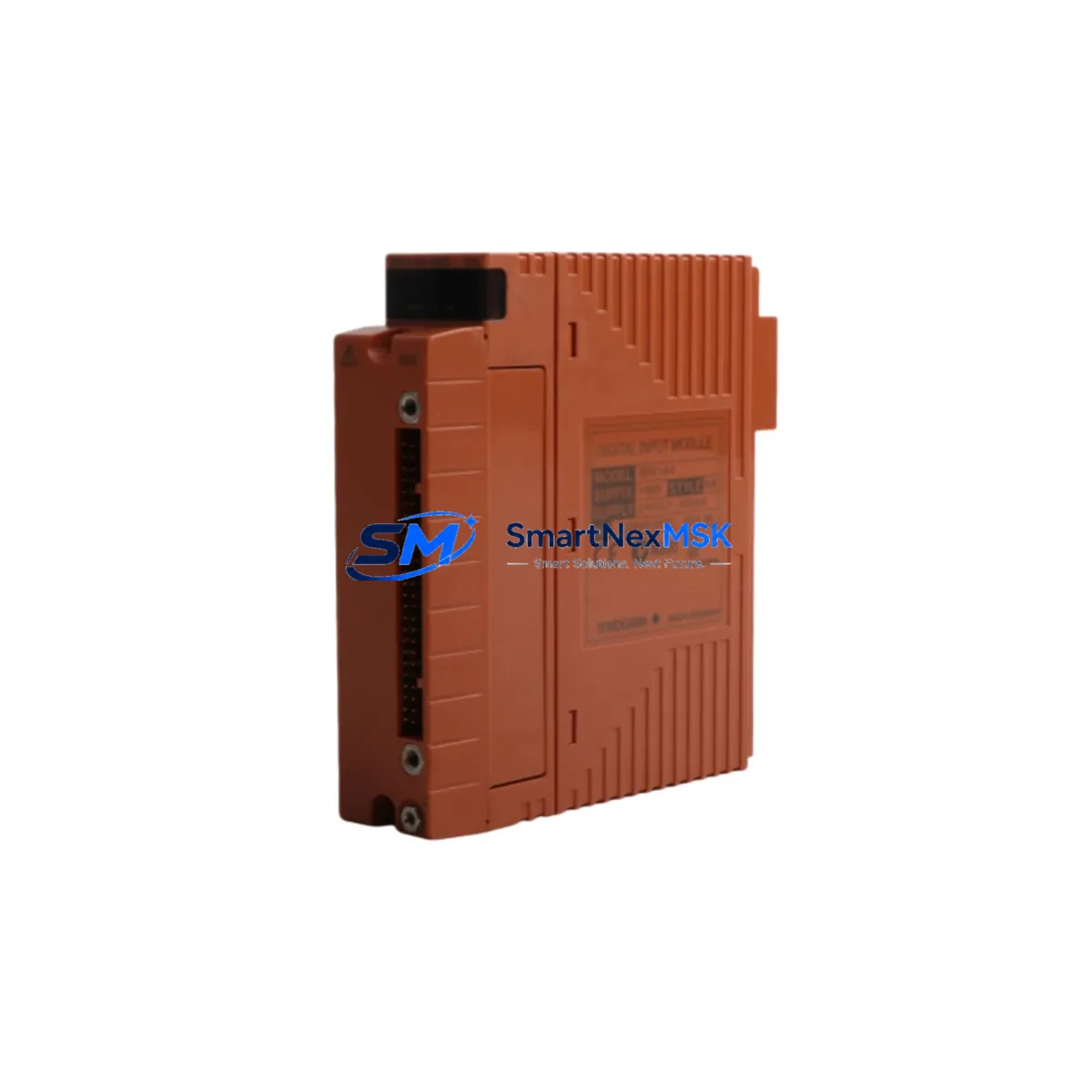
YOKOGAWA SDV531-S53 S4 Maintenance-Ready Spare CENTUM VP: Spare Replacement & Industrial Downtime Risk Control
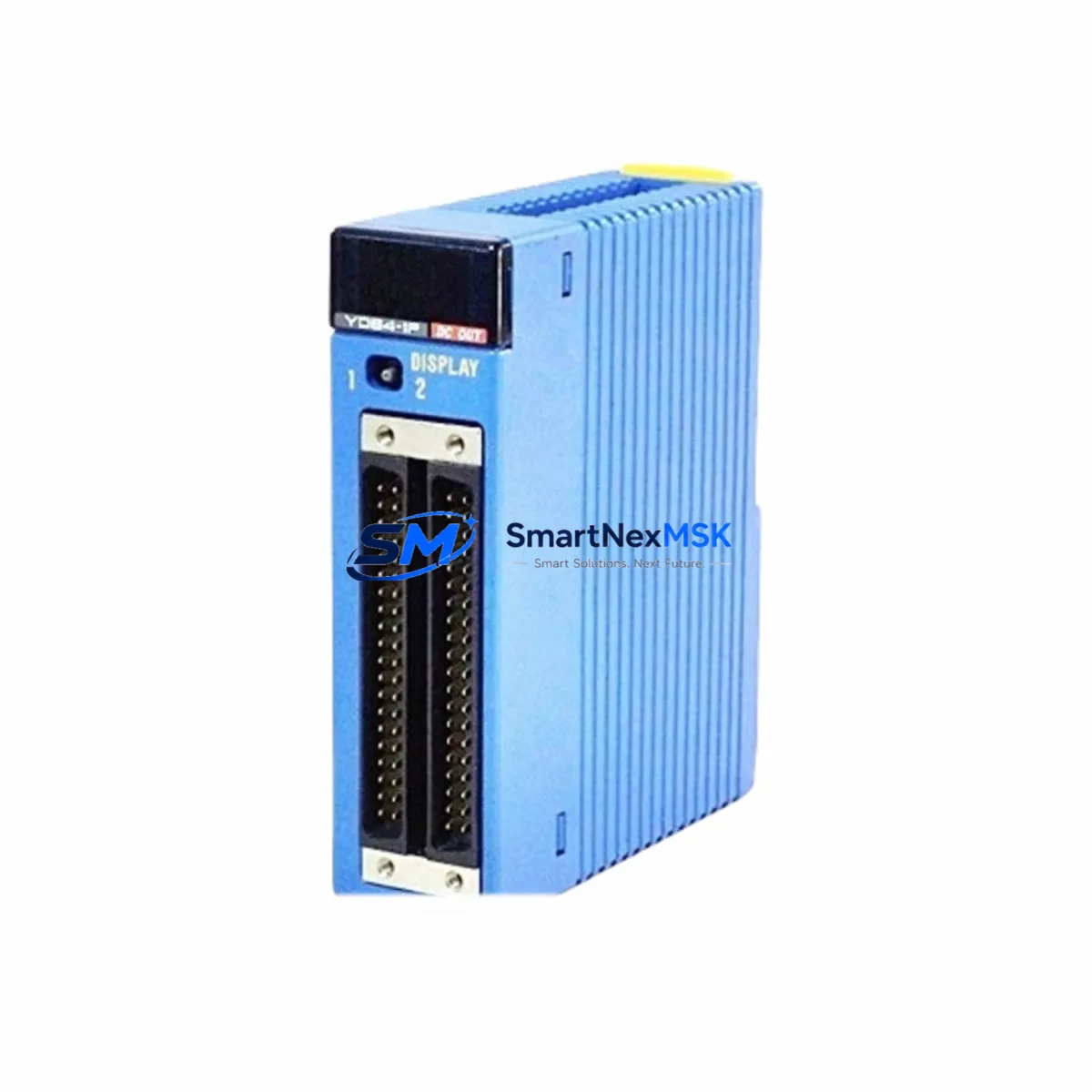
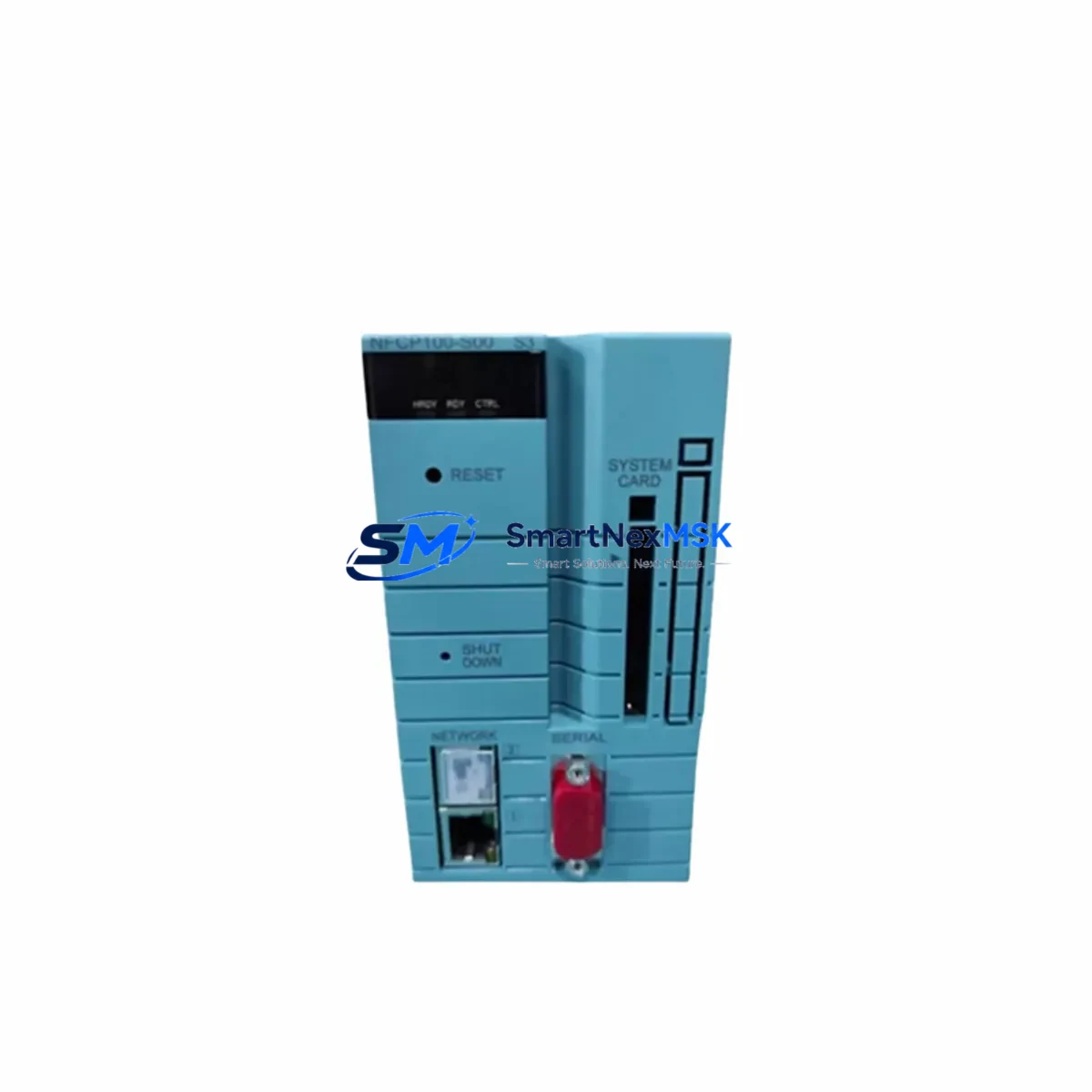
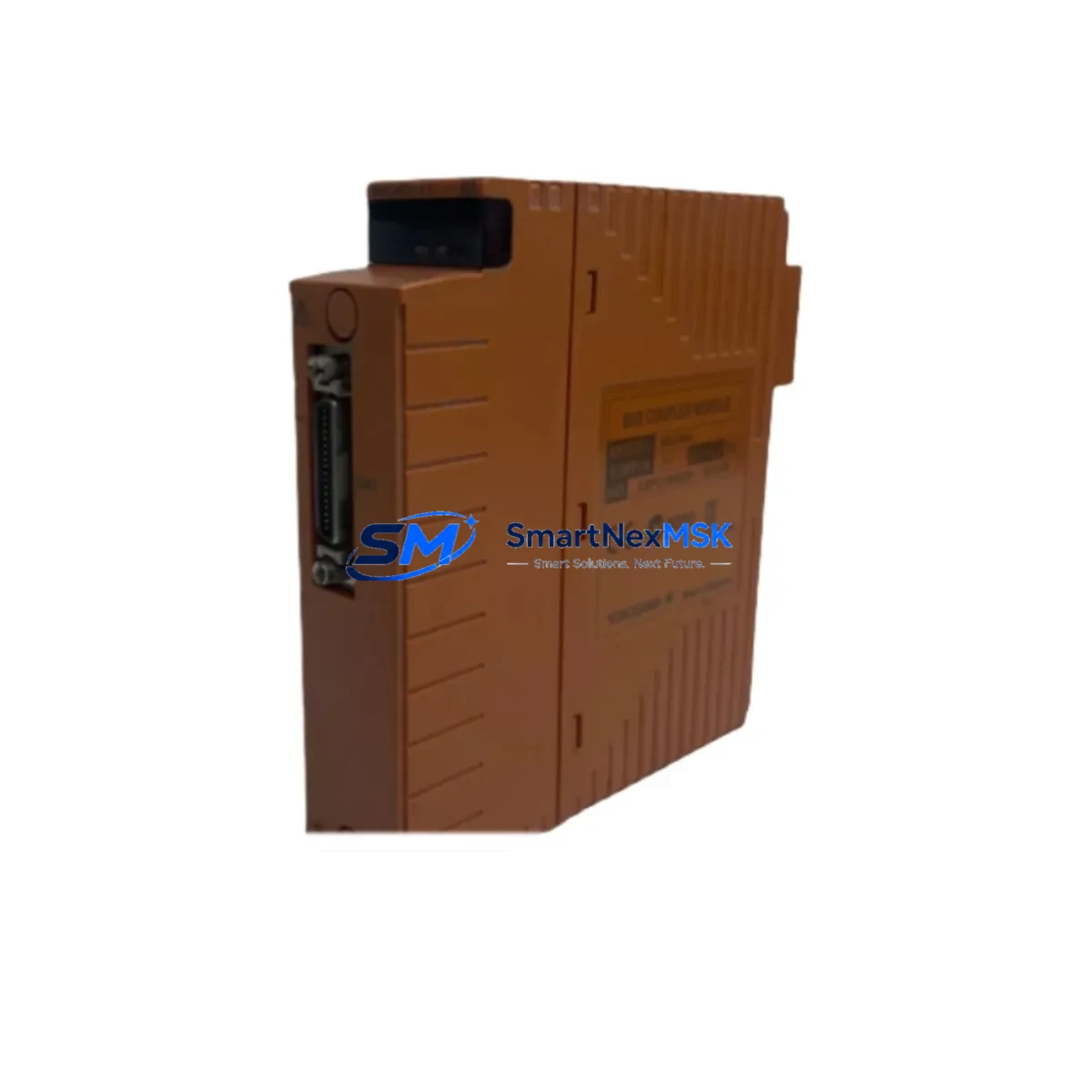
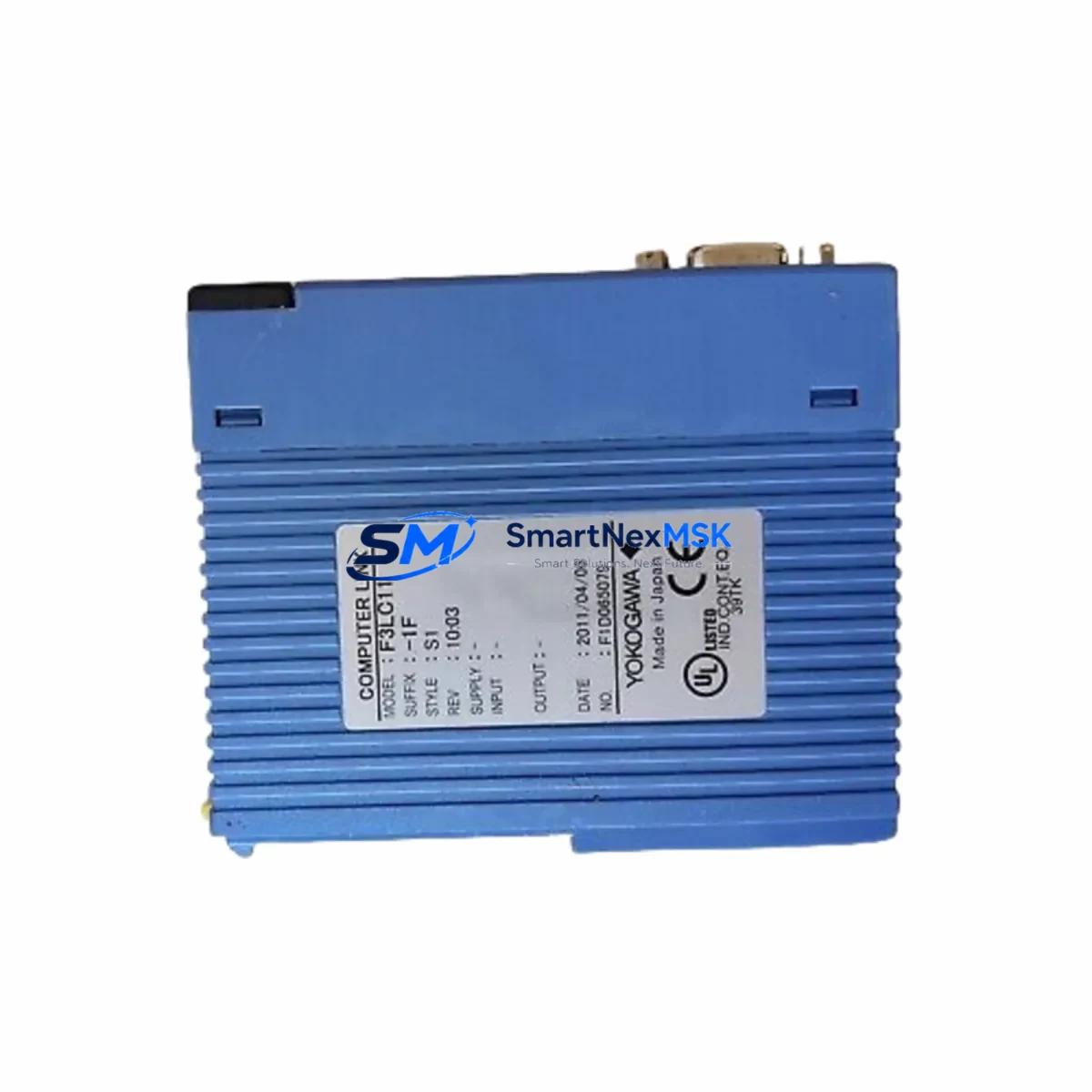
The YOKOGAWA SDV531-S53 S4 is a 32-channel Safety Digital Input (DI) module designed for the CENTUM VP Distributed Control System (DCS) platform. As a critical component within safety-instrumented loops and process shutdown circuits, this module plays a central role in plant-wide safety integrity. When a fault is detected or a scheduled replacement is due, having a verified original spare on hand is the single most effective measure to minimize unplanned downtime and maintain SIL-rated system performance.
This listing supplies the SDV531-S53 S4 as a maintenance-ready original spare — inspected, function-tested prior to dispatch, and backed by a 12-month warranty. Each unit is sourced to match the original hardware revision and firmware compatibility requirements of the CENTUM VP architecture, ensuring drop-in replacement without reconfiguration overhead.
Spare Maintenance Table
| Parameter | Specification |
|---|---|
| Model / SKU | SDV531-S53 S4 |
| Brand | YOKOGAWA |
| Series / Platform | CENTUM VP DCS |
| Module Type | 32-Channel Safety Digital Input (DI) Module |
| Safety Integrity Level | SIL 2 capable (IEC 61508 compliant) |
| Input Channels | 32 DI channels, dry contact / wet contact configurable |
| Input Voltage Range | 24 VDC nominal (field side) |
| Communication Interface | Internal CENTUM VP ESB bus (backplane) |
| Mounting | Node Unit / I/O Unit backplane slot, hot-swap capable |
| Operating Temperature | 0°C to 55°C |
| Relative Humidity | 10% to 90% RH (non-condensing) |
| Origin | Japan (Original YOKOGAWA manufacture) |
| Compatibility | CENTUM VP R4.x / R5.x / R6.x; CENTUM CS 3000 (verify revision) |
| Replacement for | SDV531-S53 S3, SDV531-S53 S2 (confirm firmware compatibility) |
| Pre-shipment Testing | Function-tested, channel continuity verified |
| Warranty | 12 Months from date of shipment |
| Typical Lead Time | In stock — ships within 2 business days |
Maintenance Planning for Continuous Operation
Replacing the SDV531-S53 S4 in a live CENTUM VP system is rarely an isolated task. Maintenance engineers and procurement teams should treat this module swap as an opportunity to audit the surrounding safety loop and control cabinet for latent faults. A structured inspection at the time of replacement significantly reduces the probability of a secondary failure within the same maintenance window.
Begin with the field wiring termination. The SDV531-S53 S4 interfaces with field devices through terminal blocks — typically YOKOGAWA TB series or equivalent marshalling terminals. Inspect each terminal for corrosion, loose crimps, and insulation degradation, particularly in high-humidity or chemically aggressive environments. Verify that cable shields are properly grounded at one end only to prevent ground loops that can introduce noise into safety-critical DI signals.
Next, confirm the integrity of the 24 VDC field power supply feeding the DI circuits. A failing or under-spec power supply — such as the YOKOGAWA PW481 or equivalent DIN-rail PSU — can cause intermittent input misreads that mimic module faults. Check output voltage under load and inspect the power supply’s capacitor health if the unit has been in service for more than five years.
The ESB bus backplane connector on the Node Unit should be inspected for pin contamination or mechanical wear. If the SDV531-S53 S4 was removed due to communication errors rather than channel faults, the backplane itself or the adjacent SCP401 / SCP451 safety controller module may be the root cause. Swap the module into a known-good slot before concluding the backplane is healthy.
For plants running CENTUM VP with redundant safety controllers, verify that the partner SCP module — often an SCP401-S53 or SCP451-S53 — is synchronized and fault-free after the DI module replacement. A mismatch in module revision between primary and redundant nodes can trigger diagnostic alarms that delay return-to-service.
Signal isolators and barriers in the marshalling cabinet deserve attention as well. Zener barriers or galvanic isolators protecting the DI inputs from field-side transients — such as YOKOGAWA MTL or equivalent units — should be tested for correct clamping voltage and isolation resistance. A degraded isolator can pass transient spikes that damage the new module’s input circuitry within weeks of installation.
If the plant uses HART-enabled field devices connected through the safety DI loop, confirm that the HART multiplexer or HART interface module (e.g., YOKOGAWA HIS or third-party HART modem) is still communicating correctly after the module swap. HART pass-through behavior can change if the new module revision has updated firmware handling.
Finally, update the spare parts register to reflect the installed revision (S4) and log the replacement in the CMMS. Procurement engineers should consider maintaining at least one additional SDV531-S53 S4 in the on-site critical spares inventory, given the module’s role in safety shutdown circuits and the potential for extended lead times on original YOKOGAWA hardware during peak demand periods.
Site Replacement Workflow
Step 1 — Pre-replacement verification: Confirm the replacement module SKU (SDV531-S53 S4) matches the installed revision. Check the CENTUM VP engineering station for any active alarms on the target node before initiating the swap. Download and archive the current I/O assignment configuration from the CENTUM VP Builder as a backup.
Step 2 — Safe isolation: Follow the plant’s Management of Change (MOC) and Permit to Work (PTW) procedures. For SIL-rated loops, coordinate with the safety engineer to place the affected safety function in bypass or manual override mode per IEC 61511 bypass management requirements. Do not remove the module while the safety function is active and unmonitored.
Step 3 — Module removal and inspection: Release the module locking lever and extract the SDV531-S53 S4 from its backplane slot. Inspect the ejected module’s connector pins and front-panel LEDs for signs of burn marks, corrosion, or physical damage that may indicate a root cause beyond normal wear.
Step 4 — Installation of replacement unit: Insert the new SDV531-S53 S4 firmly until the locking lever engages. The CENTUM VP system will automatically detect the new module and begin self-diagnostics. Monitor the engineering station for module recognition and channel status restoration — this typically completes within 30–60 seconds for hot-swap capable nodes.
Step 5 — Functional verification: Perform a channel-by-channel input verification using the CENTUM VP diagnostic tools or by actuating field devices. Confirm that all 32 DI channels report correct status. For safety loops, conduct a partial stroke test or proof test as required by the plant’s safety management system before releasing the bypass.
Step 6 — Documentation and close-out: Record the replacement in the CMMS, update the as-built drawing with the new module revision, and replenish the critical spares inventory. Notify the procurement team to reorder a replacement SDV531-S53 S4 to restore the on-site buffer stock.
Spare Parts Support FAQ
Q1: Is the SDV531-S53 S4 a direct drop-in replacement for earlier revisions such as S3 or S2?
In most CENTUM VP installations, the S4 revision is backward compatible with S3 and S2 slots at the hardware level. However, firmware version dependencies exist in some system releases. We recommend verifying the CENTUM VP system software version against YOKOGAWA’s compatibility matrix before installation. Our technical team can assist with revision cross-referencing prior to shipment.
Q2: What pre-shipment testing is performed on each SDV531-S53 S4 unit?
Every unit undergoes a functional test covering power-on self-diagnostics, channel continuity verification across all 32 DI inputs, and backplane communication interface checks. Units that fail any test stage are quarantined and not dispatched. A test report is available upon request for quality-critical procurement processes.
Q3: What does the 12-month warranty cover, and how is a warranty claim initiated?
The 12-month warranty covers manufacturing defects and functional failures under normal operating conditions as specified in the YOKOGAWA SDV531 datasheet. It does not cover damage resulting from incorrect installation, overvoltage events, or environmental conditions outside the rated operating range. To initiate a warranty claim, contact [email protected] with the order reference, failure description, and photographic evidence of the fault condition.
Q4: Can you support long-term or blanket purchase orders for SDV531-S53 S4 to maintain our critical spares program?
Yes. We support scheduled delivery agreements and blanket PO arrangements for maintenance teams managing multi-site CENTUM VP installations. Long-term supply commitments allow us to prioritize stock allocation and provide price stability over a 12–24 month horizon. Contact our sales team to discuss volume requirements and delivery scheduling.
© 2026 SMARTNEXMSK. All rights reserved.
Original Source: https://smartnexmsk.com
Contact: [email protected] | +86 18259474341