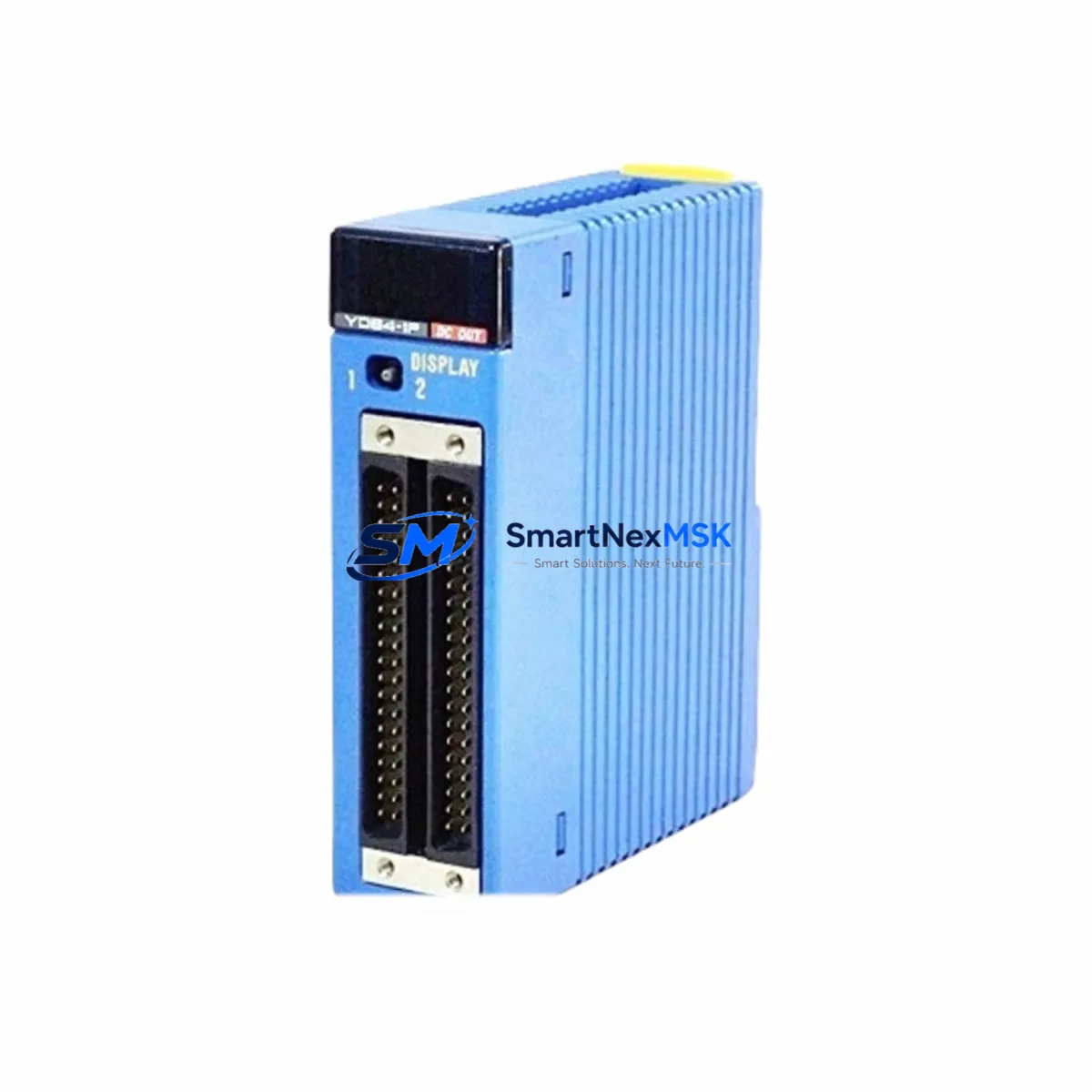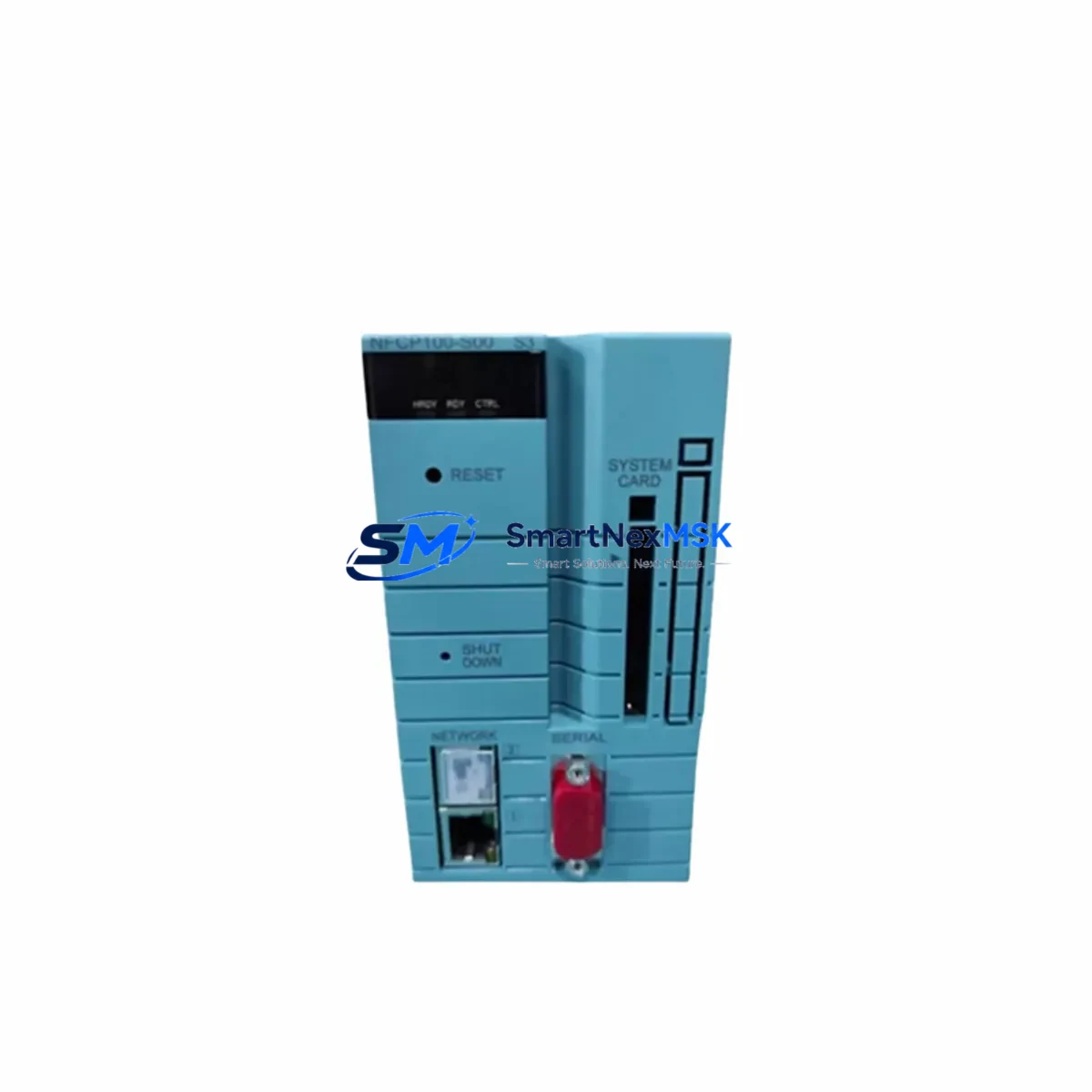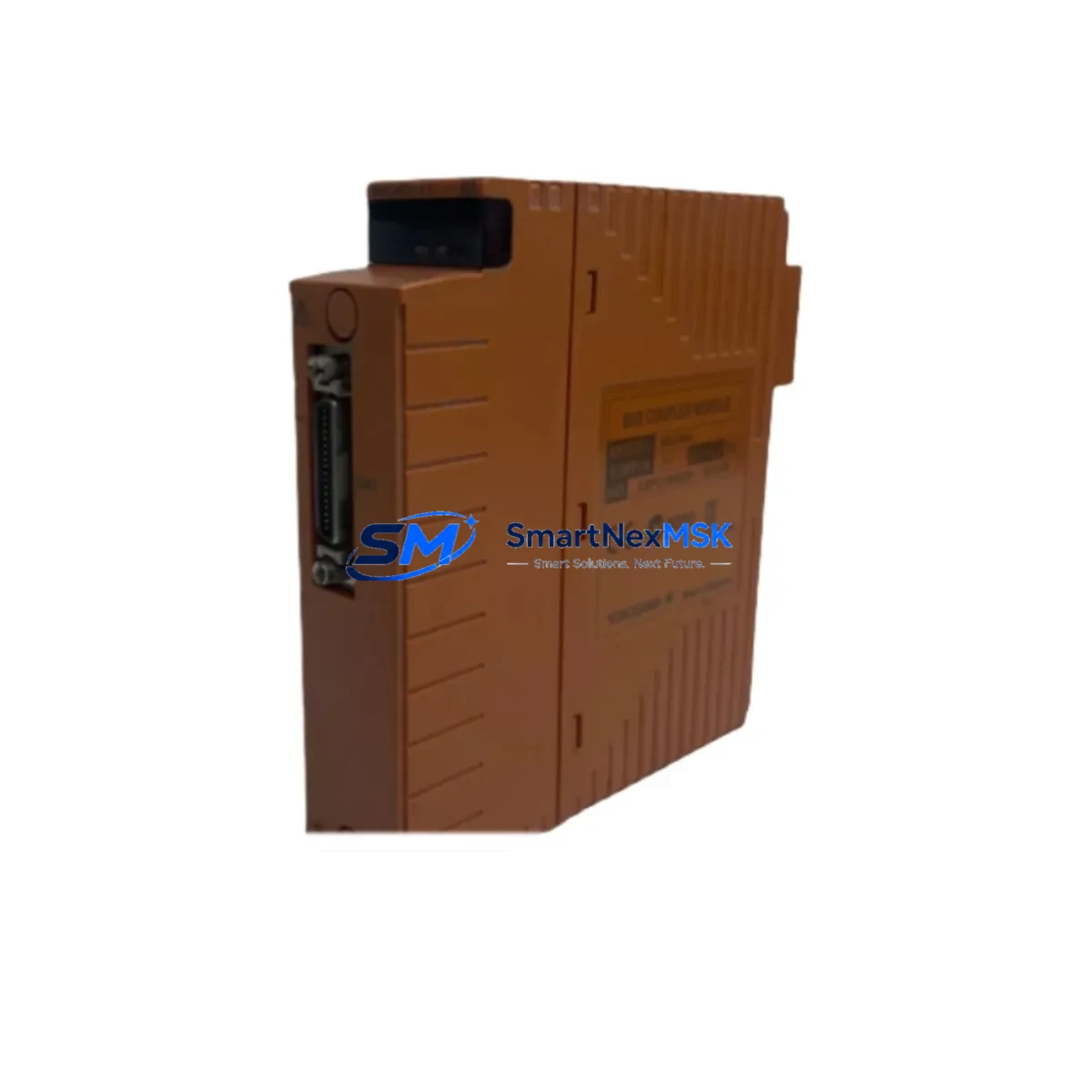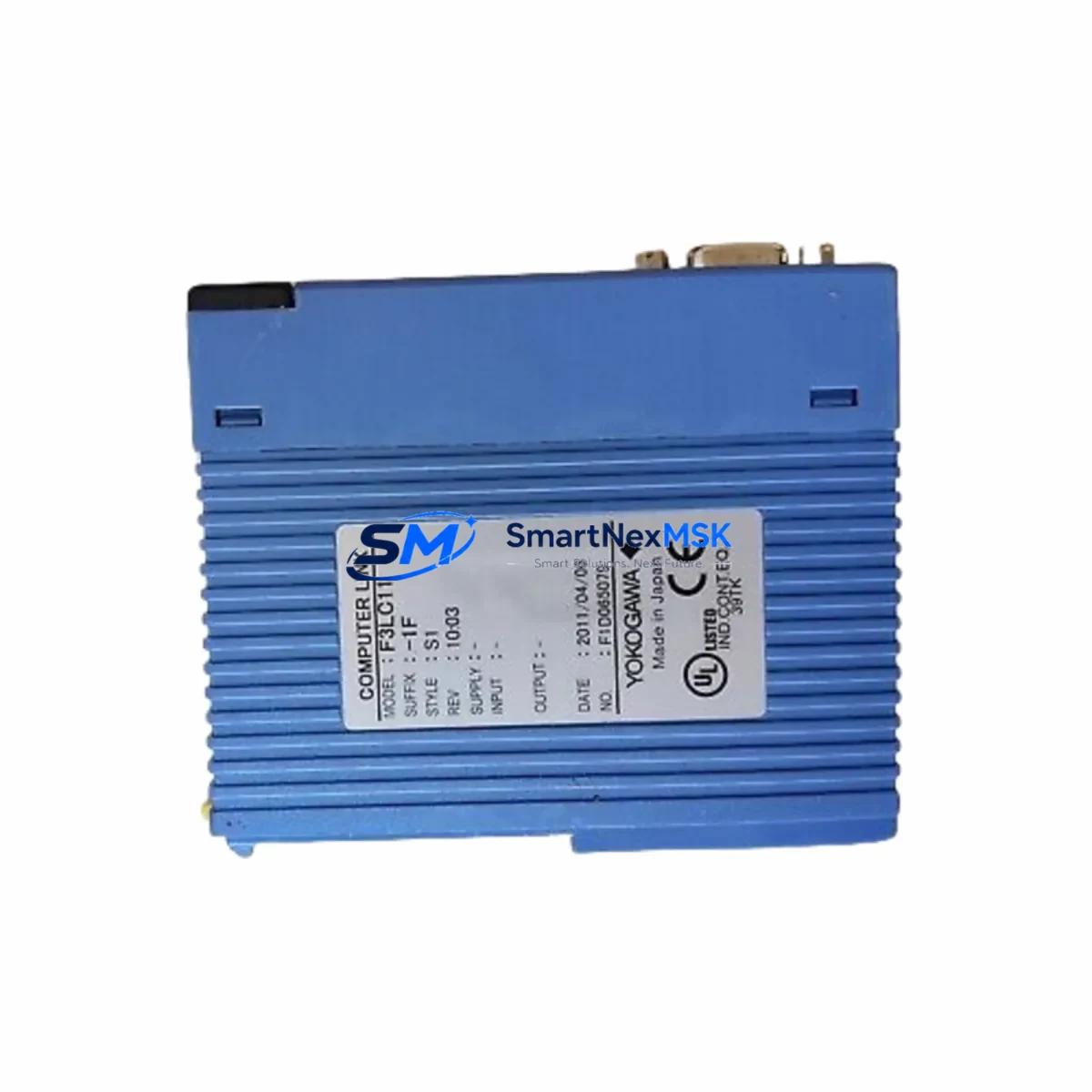
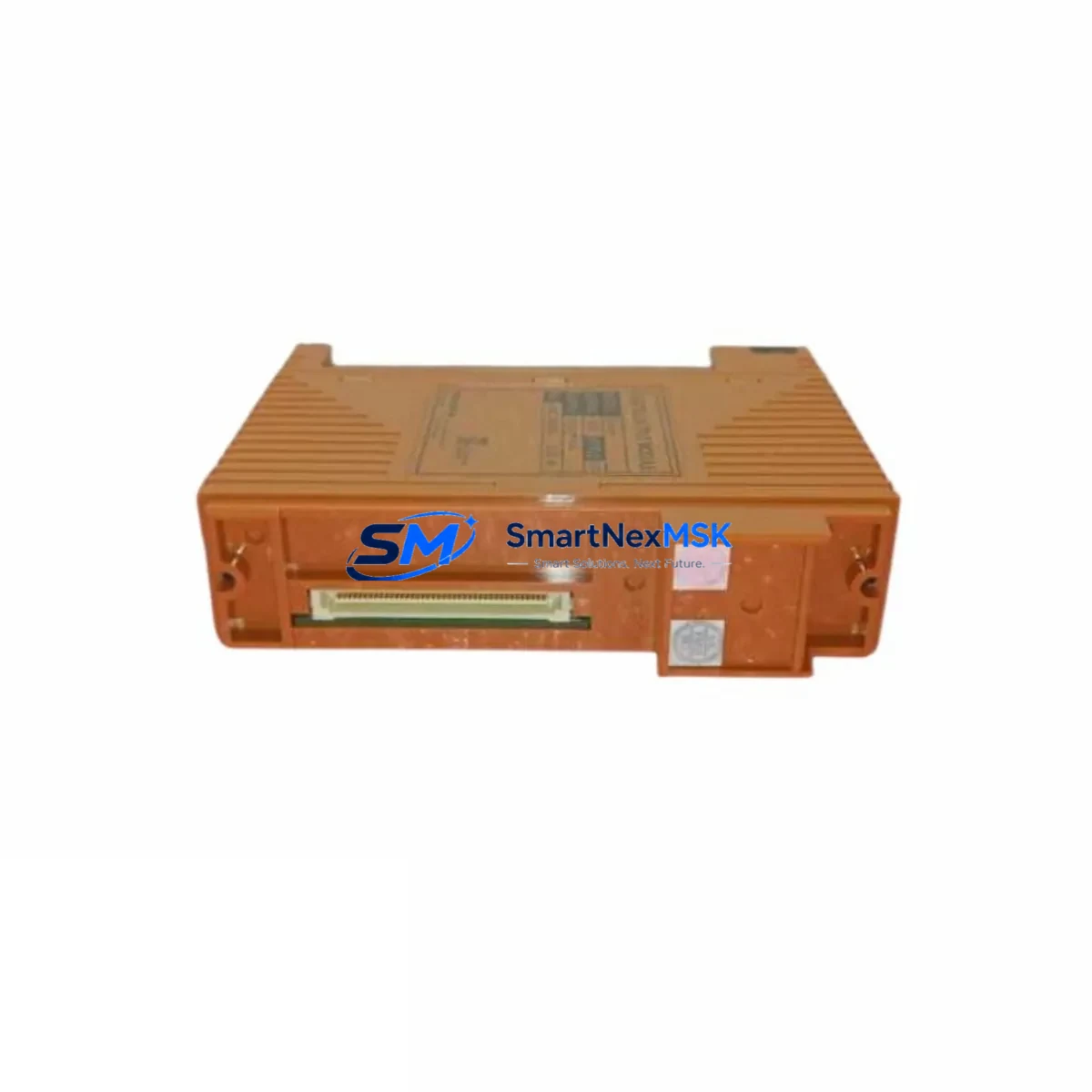
Yokogawa SDV541-S53 S3 Retrofit-Ready Digital Output for CENTUM VP Control Systems
The Yokogawa SDV541-S53 S3 is a high-reliability digital output module engineered for seamless integration into CENTUM VP and CS 3000 distributed control systems. As legacy DCS installations age and OEM support windows close, the SDV541-S53 S3 has become a critical retrofit component for process plants, chemical facilities, power generation sites, and manufacturing operations seeking to extend the operational life of their existing control infrastructure without committing to a full platform migration.
This module delivers 32-channel digital output capability with field-proven compatibility across the CENTUM VP FCU (Field Control Unit) architecture. Whether you are replacing a failed unit on an active production line, building a spare-parts inventory for a remote facility, or executing a phased upgrade from CS 3000 to CENTUM VP, the SDV541-S53 S3 provides the electrical and logical compatibility required to maintain control continuity with minimal engineering rework.
Upgrade Compatibility Table
| Parameter | SDV541-S53 S3 Specification | Retrofit Notes |
|---|---|---|
| Module Type | 32-Channel Digital Output (DO) | Direct slot-compatible replacement for SDV541 series |
| Compatible Platform | CENTUM VP, CS 3000 | Verify FCU firmware version before installation |
| Backplane Interface | Yokogawa FCU Node Bus | Confirm node address assignment matches original module |
| Output Signal | 24 VDC Transistor Output | Verify field terminal wiring polarity and load current ratings |
| Terminal Block | Compatible with existing field wiring harness | No re-termination required in most installations |
| Communication Protocol | Yokogawa Vnet/IP (CENTUM VP) / V-net (CS 3000) | Protocol migration may require ESB (Engineering Support Bus) reconfiguration |
| Module Address | Configurable via HIS (Human Interface Station) | Restore original IOM address from project database backup |
| Installation Type | Hot-swap capable (with FCU redundancy enabled) | Confirm redundancy mode before live swap |
| Diagnostics | LED status indicators + HIS alarm integration | Verify alarm tag mapping in HIS after replacement |
| Warranty | 12-Month Warranty | Covers manufacturing defects; includes pre-shipment functional test |
Retrofit Planning for Existing Automation Systems
A successful SDV541-S53 S3 retrofit begins well before the module arrives on site. Engineers should retrieve the original CENTUM VP project database or CS 3000 builder file to confirm the IOM (I/O Module) slot assignment, node number, and tag list associated with the failed or aging unit. The SDV541-S53 S3 occupies a standard FCU I/O slot and connects to the node bus via the rear backplane connector — no additional adapter or transition module is required in most standard rack configurations.
When planning the retrofit, it is essential to audit the associated Yokogawa AFV10D or AFV30D field control unit to confirm available power budget. Each digital output channel draws load current from the FCU power supply, and adding a replacement module to a rack that is already near its power ceiling can trigger nuisance alarms or cause intermittent output faults. If the existing PW481 or PW482 power supply module is approaching end-of-life, it is advisable to replace it concurrently to avoid a secondary failure shortly after the DO module swap.
Terminal wiring should be verified against the original loop drawings before the new module is energized. The SDV541-S53 S3 uses the same terminal block footprint as its predecessors, but field cables should be inspected for insulation degradation, especially in installations that have been in service for more than ten years. If the plant is also migrating from CS 3000 V-net to CENTUM VP Vnet/IP, the ESB10D or ESB20D communication bus coupler configuration must be updated to reflect the new network topology before the replacement module is commissioned.
For facilities running Yokogawa FAST/TOOLS SCADA or third-party HMI systems connected via OPC-DA or OPC-UA, the tag database should be exported and validated before the swap. HMI faceplate graphics referencing the original DO module tags will continue to function without modification if the IOM address and tag names are preserved in the project rebuild. If the plant uses a Yokogawa Exaopc OPC server, verify that the server’s tag cache is refreshed after the module replacement to prevent stale output status from being reported to the supervisory layer.
Rack and backplane integrity should also be assessed during the retrofit window. The EB401 or EB501 node interface unit connecting the FCU to the field I/O bus is a common wear item in long-running installations. Inspecting the backplane connector pins for oxidation or mechanical damage before inserting the new SDV541-S53 S3 can prevent contact resistance issues that would otherwise be difficult to diagnose after the module is installed and the system is returned to service.
Downtime Control During System Migration
Minimizing unplanned downtime is the primary concern for any control system retrofit. When replacing the SDV541-S53 S3 in a live CENTUM VP environment with FCU redundancy enabled, the module can be swapped without shutting down the associated process loop — provided the redundant FCU is healthy and the node bus is operating normally. Before initiating the swap, the control engineer should force all outputs associated with the affected module to their safe-state values using the HIS (Human Interface Station) manual override function, and confirm that the field devices (solenoid valves, motor starters, or relay outputs) have responded correctly.
The original program logic stored in the FCU does not need to be reloaded after a module replacement. The CENTUM VP FCU retains its function block database in non-volatile memory, and the replacement SDV541-S53 S3 will be recognized automatically once it is seated and the node bus re-establishes communication. However, the engineer should monitor the HIS alarm summary for any IOM communication fault alarms in the first 15 minutes after the swap to confirm that the module address has been correctly recognized and that all 32 output channels are reporting healthy status.
For CS 3000 installations without FCU redundancy, a controlled shutdown of the affected FCU node is required. The recommended procedure is to coordinate with the operations team to place the associated process unit in manual control, document all current output states, perform the module swap, and then restore outputs to their pre-shutdown values in a defined sequence. This approach protects the original program logic, avoids unintended process upsets, and keeps the total outage window to under 30 minutes in most cases. All units supplied by SMARTNEXMSK are pre-tested prior to shipment and covered by a 12-month warranty, reducing the risk of a repeat failure during the critical post-retrofit period.
Retrofit Support FAQ
Q1: Is the SDV541-S53 S3 a direct drop-in replacement for the SDV541-S53 without the S3 suffix?
A: The S3 suffix denotes a hardware revision with updated component specifications for improved long-term reliability. It is electrically and mechanically compatible with the original SDV541-S53 slot position and wiring harness. No changes to the project database or IOM address are required. Confirm the FCU firmware version is at the recommended level for S3 hardware recognition — refer to the Yokogawa FCU release notes for your installed firmware build.
Q2: What pre-shipment testing is performed on the SDV541-S53 S3?
A: Each unit undergoes a functional output channel test, power-on self-diagnostic verification, and visual inspection for connector and PCB integrity before shipment. A test report is available upon request. All units are covered by a 12-month warranty from the date of shipment.
Q3: Can the SDV541-S53 S3 be used in a CS 3000 rack alongside legacy SDV541 modules?
A: Yes. Mixed-revision installations are supported within the same FCU rack. The CS 3000 builder software recognizes the SDV541-S53 S3 using the same IOM type definition as the original SDV541-S53. Ensure that the rack’s total power consumption remains within the PW481 or PW482 power supply rating after adding the replacement module.
Q4: What information should I provide when ordering to ensure compatibility?
A: Please provide the FCU model number (e.g., AFV10D, AFV30D), the DCS platform (CENTUM VP or CS 3000), the firmware version if known, and the slot position of the module being replaced. This allows our technical team to confirm compatibility and advise on any firmware or configuration prerequisites before the unit is dispatched.
© 2026 SMARTNEXMSK. All rights reserved.
Original Source: https://smartnexmsk.com
Contact: [email protected] | +86 18259474341