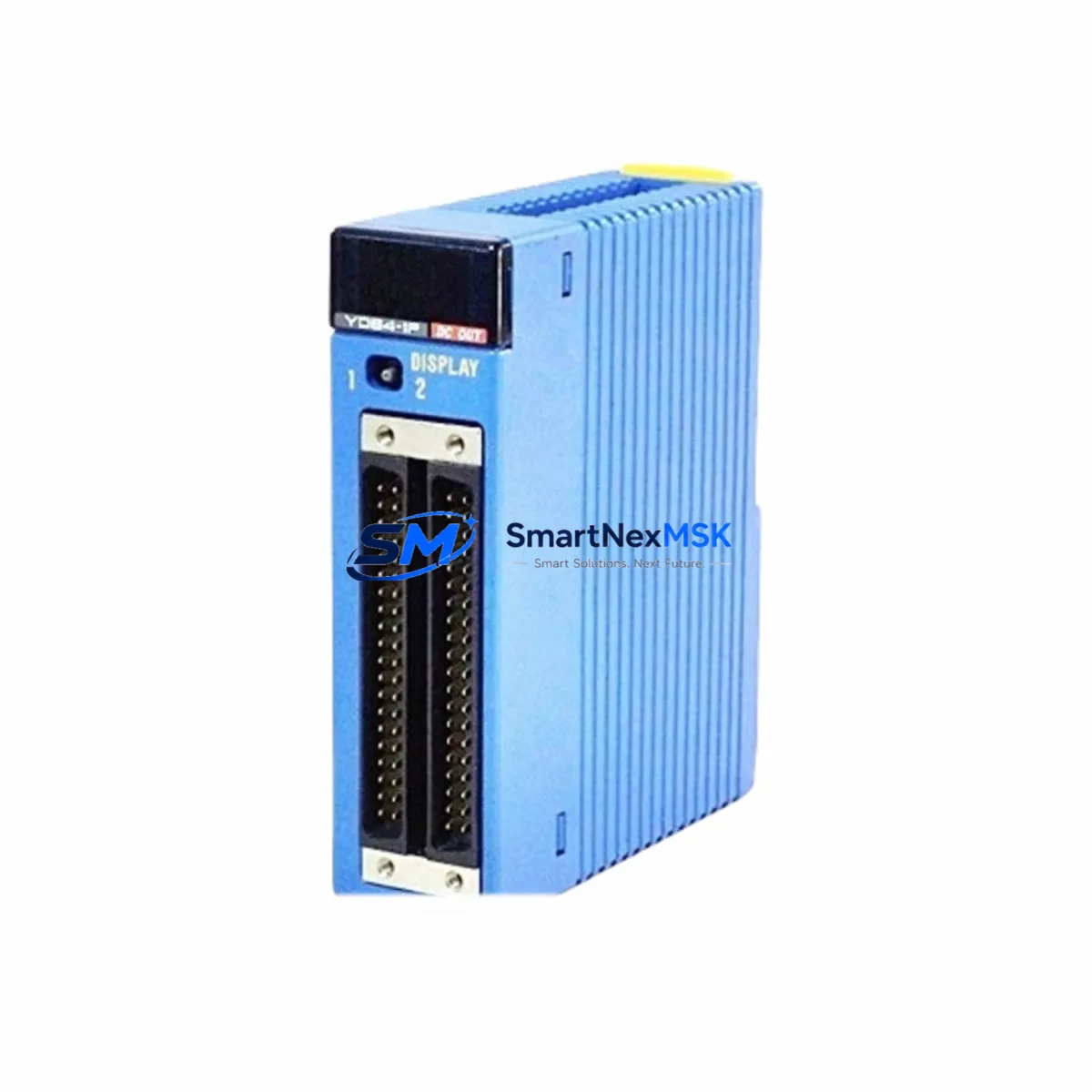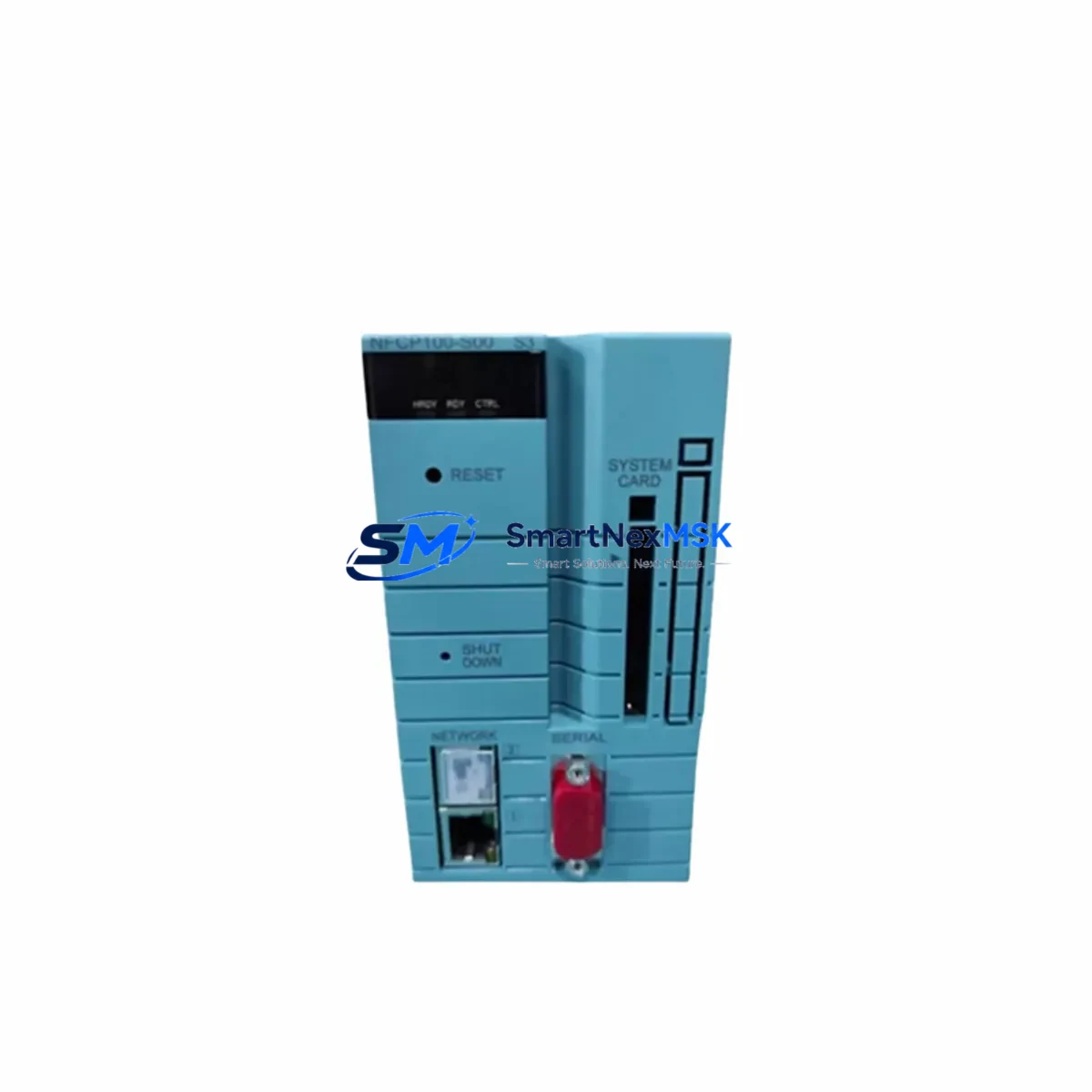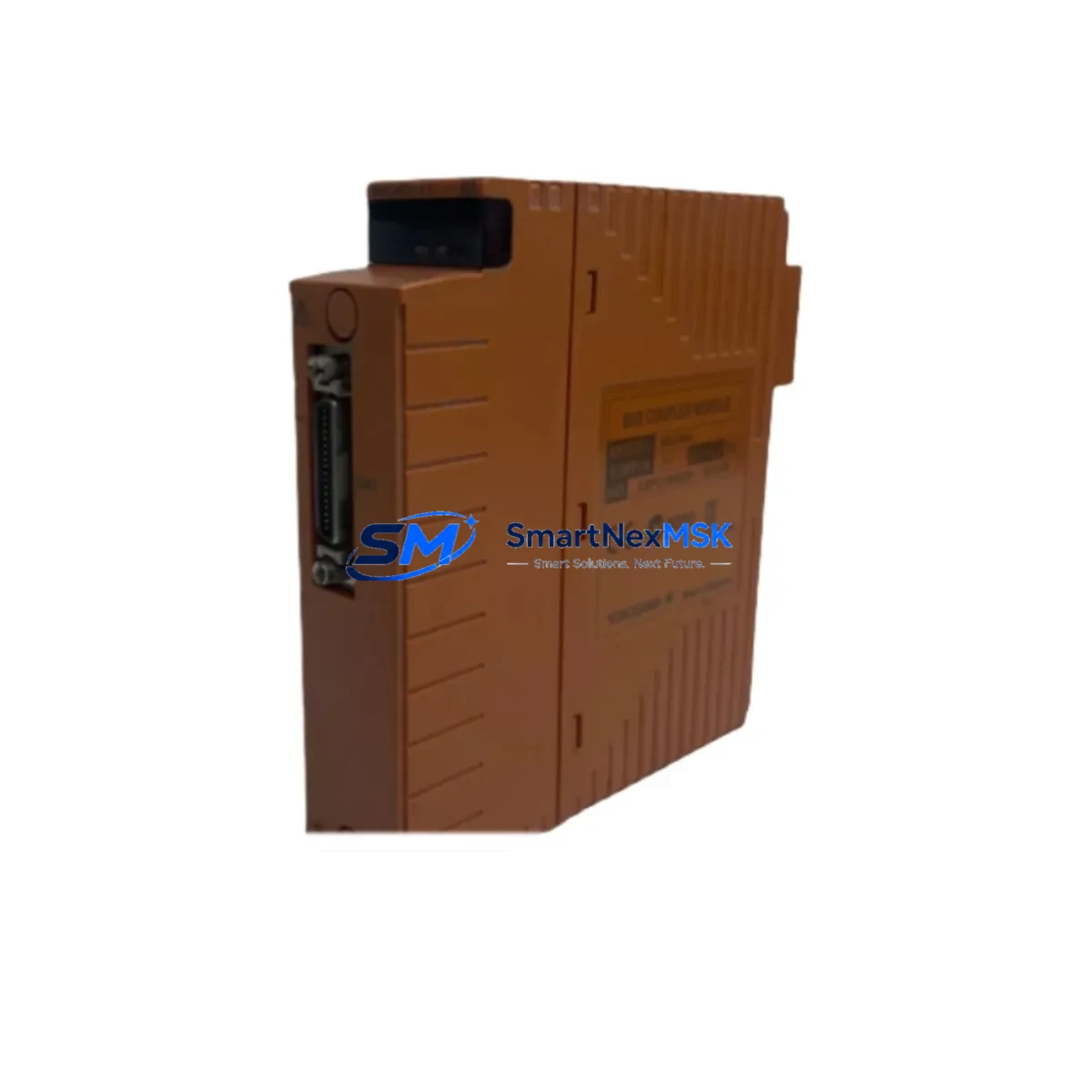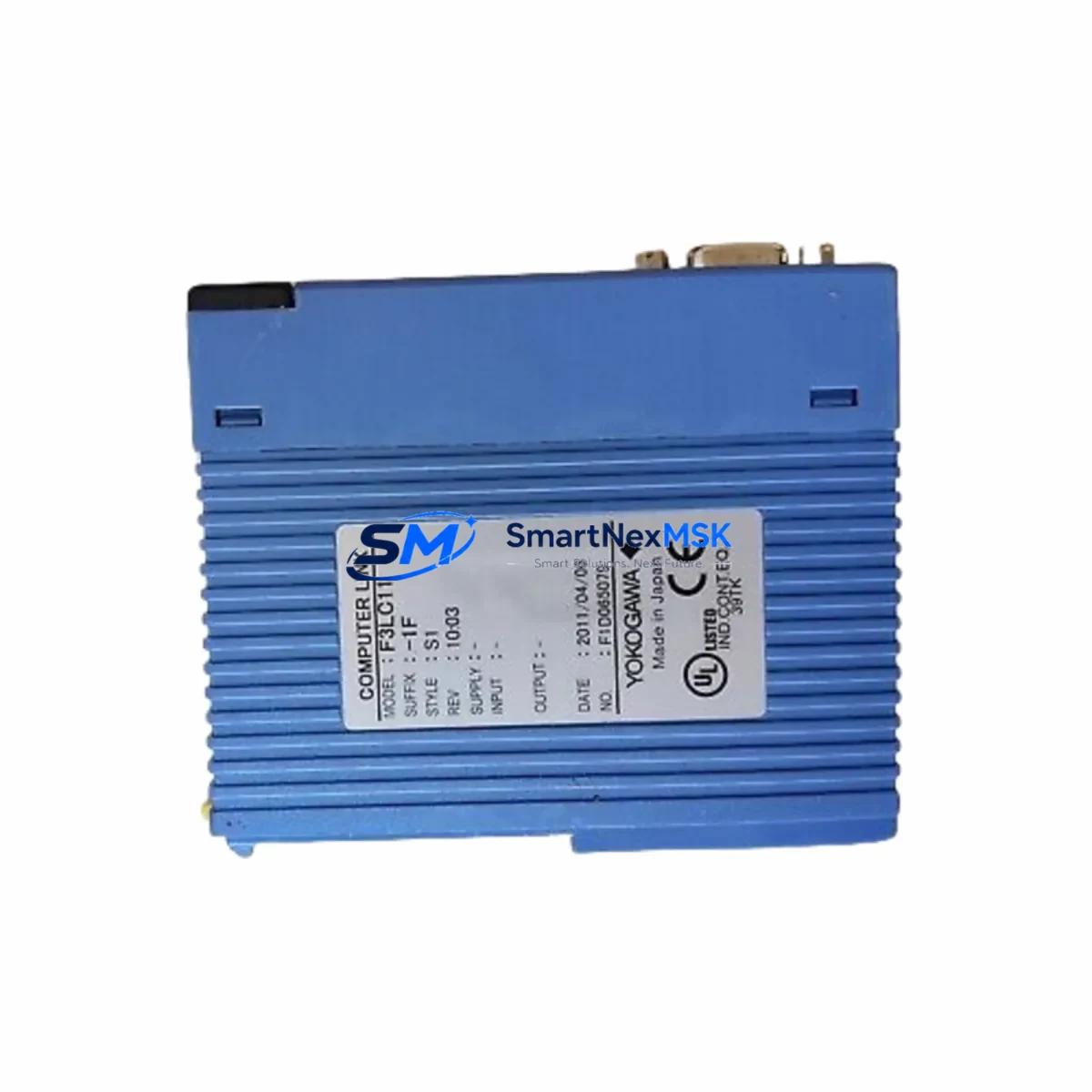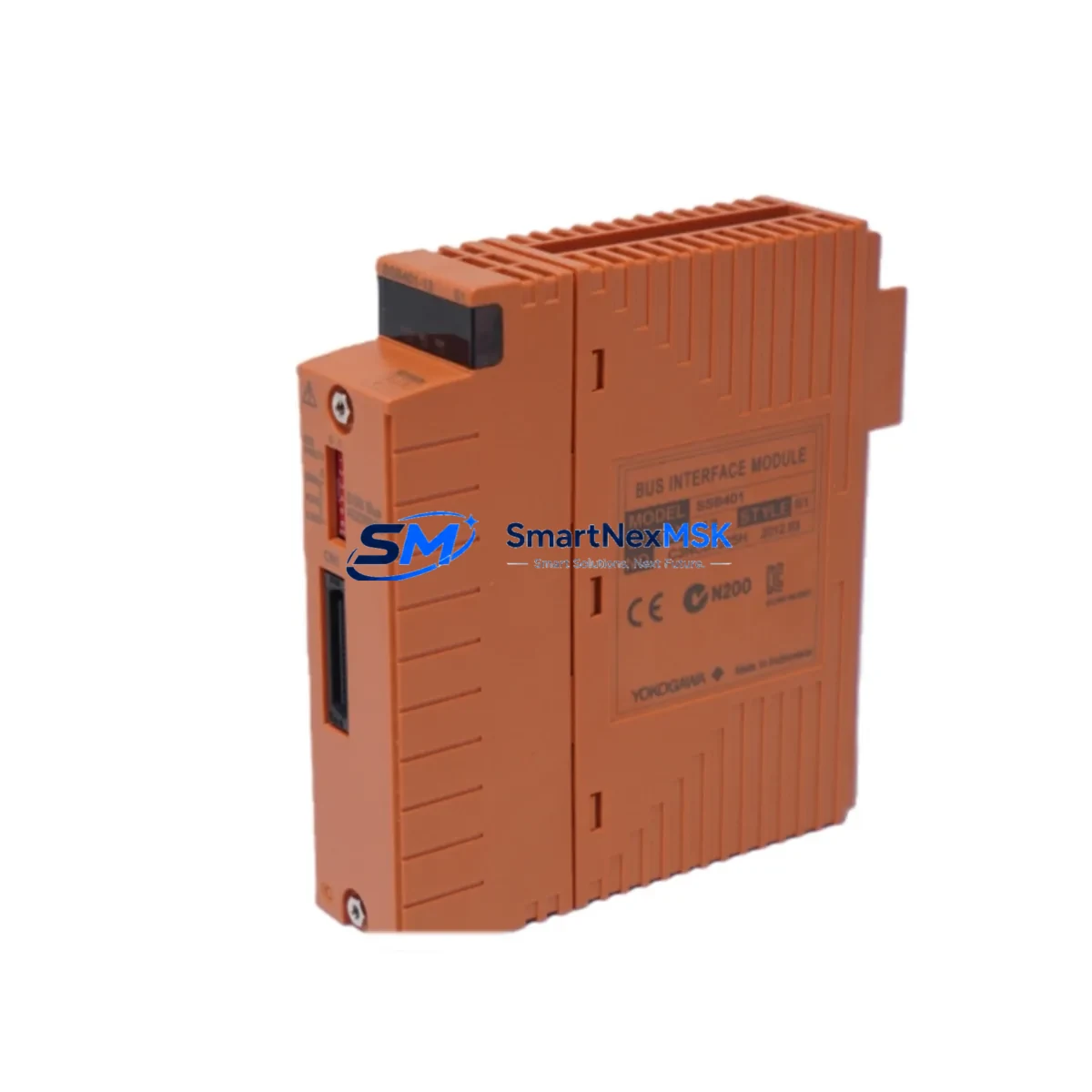
Yokogawa SSB401-13-S1 Maintenance-Ready Spare for CENTUM VP Automation
The Yokogawa SSB401-13-S1 is an original bus interface module designed for the CENTUM VP and CS 3000 distributed control systems — two of the most widely deployed DCS platforms in the refining, petrochemical, power generation, and continuous process industries. As a critical communication bridge between field I/O stations and the control network, the SSB401-13-S1 plays a central role in maintaining real-time data exchange across the entire control architecture. When this module fails or degrades, the consequences extend far beyond a single I/O card: supervisory visibility is lost, alarm management is compromised, and unplanned downtime can cascade across multiple process units.
SMARTNEXMSK maintains verified stock of the SSB401-13-S1 to support maintenance engineers and procurement teams who cannot afford extended lead times on critical DCS components. Every unit is inspected and function-tested prior to shipment, backed by a 12-month warranty, and dispatched with full traceability documentation to support your site acceptance procedures.
Spare Maintenance Table
| Part Number | SSB401-13-S1 |
| Manufacturer | Yokogawa Electric Corporation |
| Compatible Systems | CENTUM VP, CENTUM CS 3000 |
| Module Function | Bus Interface Module — V-net / ER Bus communication |
| Installation | Mounts in Yokogawa FCS (Field Control Station) node unit |
| Power Supply | Supplied via backplane from node power module (e.g. PW481, PW482 series) |
| Communication | V-net optical or coaxial bus; redundant configuration supported |
| Operating Temperature | 0°C to 55°C (32°F to 131°F) |
| Humidity | 10% to 90% RH, non-condensing |
| Origin | Japan |
| Weight | Approx. 180 g |
| Condition | Original, unused or refurbished-to-spec; function-tested before shipment |
| Warranty | 12 Months — covers functional defects under normal operating conditions |
| Delivery | Worldwide; DHL / FedEx priority available |
Maintenance Planning for Continuous Operation
Replacing the SSB401-13-S1 in a live CENTUM VP or CS 3000 system is rarely an isolated task. Experienced maintenance engineers know that a bus interface failure is often a symptom of broader stress in the control node — and that a thorough replacement procedure must account for the surrounding electrical and communication environment.
Before and during replacement of the SSB401-13-S1, the following components and subsystems should be inspected or verified:
- Node Power Modules (PW481 / PW482): Confirm stable DC output voltage and check for capacitor aging. A degraded power module is a common root cause of intermittent bus interface faults.
- V-net Bus Cables and Optical Connectors: Inspect coaxial or fiber-optic bus cables for physical damage, contamination, or connector oxidation. Signal integrity on the V-net directly affects SSB401-13-S1 communication reliability.
- Redundant Bus Interface Module (SSB401 partner unit): In redundant configurations, verify that the standby SSB401 module is healthy and that automatic switchover is functioning correctly before taking the primary offline.
- I/O Module Slots (AAI141, AAI143, ADV151 series): After bus restoration, confirm that all analog and digital I/O modules in the node are communicating correctly and that no latent faults were masked during the bus outage.
- FCS Node Unit Backplane: Inspect the backplane connector for corrosion, bent pins, or thermal stress marks. A damaged backplane can cause recurring module failures regardless of the replacement part quality.
- Communication Coupler Modules (SB401, SB811): Verify coupler module status on both ends of the V-net segment. Coupler degradation can cause asymmetric bus errors that are difficult to distinguish from interface module faults.
- HIS (Human Interface Station) Alarm Logs: Review the CENTUM VP HIS for historical bus error codes, communication timeout alarms, and node offline events in the 30–90 days preceding the failure. This data helps distinguish a sudden hardware failure from a gradual degradation pattern.
- Grounding and Cabinet Earthing: Measure cabinet earth resistance and verify that the FCS node unit is properly bonded. Ground loops and floating earth conditions are a known cause of bus communication instability in older CENTUM CS 3000 installations.
- Terminal Blocks and Field Wiring Terminations: Inspect I/O terminal blocks for loose connections, corrosion, or insulation breakdown, particularly in high-humidity or chemically aggressive environments.
- Fuses and Circuit Protection: Check all fuse holders and miniature circuit breakers in the control cabinet power distribution panel. A blown fuse on the node power rail can cause the SSB401-13-S1 to appear faulty when the root cause is upstream.
Maintaining a minimum of one spare SSB401-13-S1 per CENTUM VP or CS 3000 node cluster is strongly recommended for any facility operating a continuous process. For plants with multiple FCS nodes, a tiered sparing strategy — with on-site fast-access stock and a secondary off-site reserve — provides the most robust protection against extended downtime.
Site Replacement Workflow
The SSB401-13-S1 is a direct replacement for earlier bus interface variants used in the CS 3000 platform, making it a practical upgrade path for aging systems that are no longer supported under Yokogawa’s standard service contracts. The replacement procedure follows a structured sequence to minimize process disruption:
- Pre-replacement verification: Confirm the replacement SSB401-13-S1 part number and hardware revision against the installed unit. Check the CENTUM VP engineering environment for any node-specific configuration parameters that must be preserved.
- Redundancy check: If the node operates in redundant bus mode, verify that the standby bus is healthy and that the control system will maintain process continuity during the swap.
- Safe removal: Follow Yokogawa’s hot-swap procedure where applicable. In non-redundant configurations, coordinate with the control room to place affected loops in manual mode before removal.
- Module installation and seating: Insert the replacement SSB401-13-S1 firmly into the node slot, ensuring full backplane engagement. Secure the module latch and verify LED status indicators for normal bus communication.
- Post-installation validation: Confirm all I/O modules in the node are communicating, verify process variable readings against field instruments, and clear any residual alarms in the HIS. Document the replacement in the site maintenance log with the new module serial number.
- System monitoring: Monitor the node for a minimum of 24 hours post-replacement to confirm stable bus communication before returning to fully automatic operation.
This workflow applies equally to planned maintenance windows and emergency replacement scenarios. SMARTNEXMSK can support urgent requirements with same-day dispatch for in-stock units, reducing the gap between fault identification and system restoration.
Spare Parts Support FAQ
Q: How long is the SSB401-13-S1 covered under warranty?
A: Every SSB401-13-S1 supplied by SMARTNEXMSK carries a 12-month warranty from the date of shipment. The warranty covers functional defects arising under normal operating conditions and includes technical support for installation and commissioning queries.
Q: Is the SSB401-13-S1 compatible with both CENTUM VP and CS 3000 systems?
A: Yes. The SSB401-13-S1 is designed for use across the CENTUM VP and CS 3000 DCS platforms. Compatibility should always be confirmed against your specific node unit model and hardware revision. Our technical team can assist with compatibility verification prior to order placement.
Q: What testing is performed before shipment?
A: Each unit undergoes functional inspection and communication interface testing before dispatch. Units are shipped with traceability documentation. For critical applications, we can provide additional test reports on request.
Q: How should I manage SSB401-13-S1 inventory for a multi-node CENTUM VP installation?
A: For facilities with three or more FCS nodes, we recommend maintaining at least two SSB401-13-S1 units on-site. For larger installations or remote sites with limited logistics access, a standing replenishment agreement ensures that replacement stock is available before the next planned maintenance cycle without tying up excessive capital in slow-moving spares.
© 2026 SMARTNEXMSK. All rights reserved.
Original Source: https://smartnexmsk.com
Contact: [email protected] | +86 18259474341