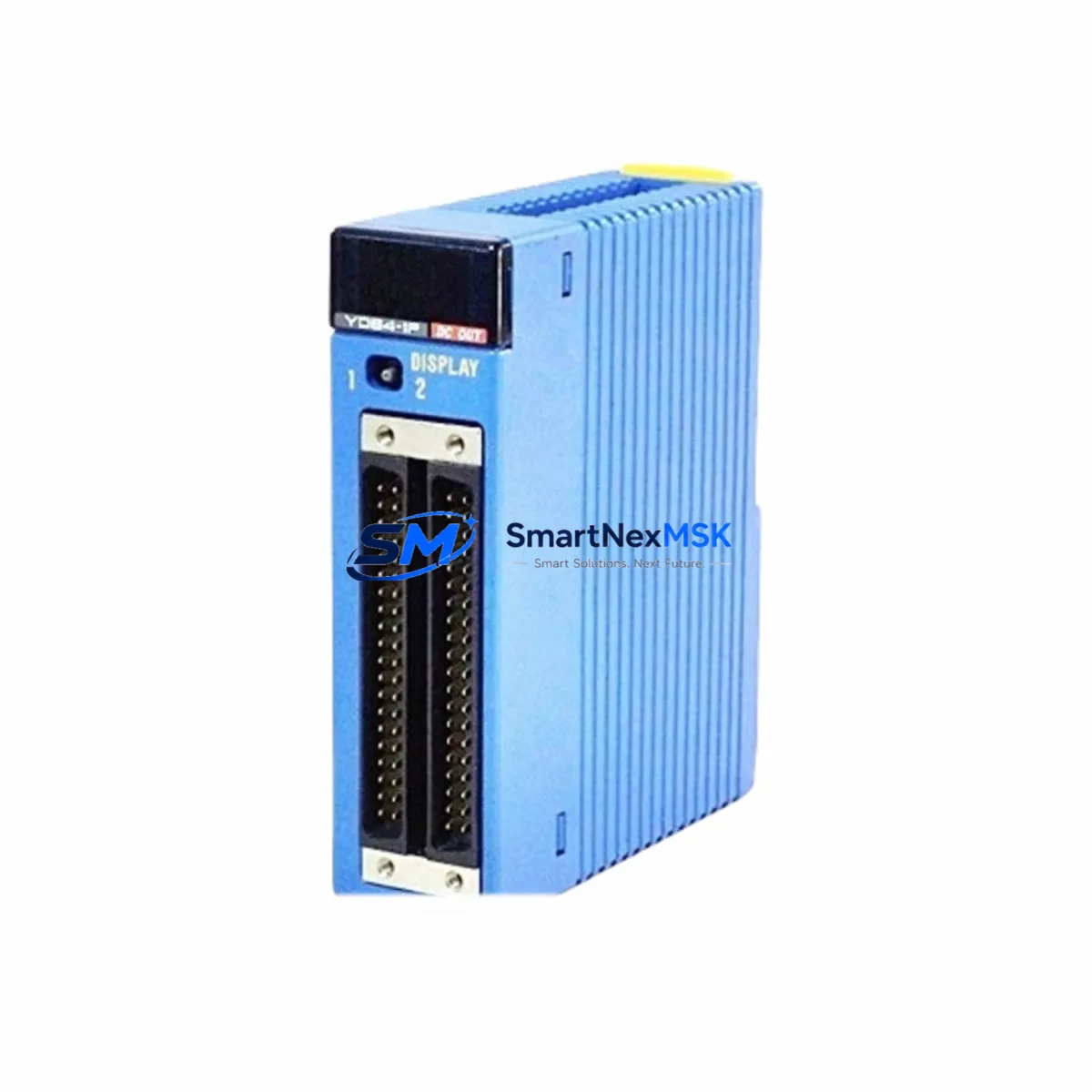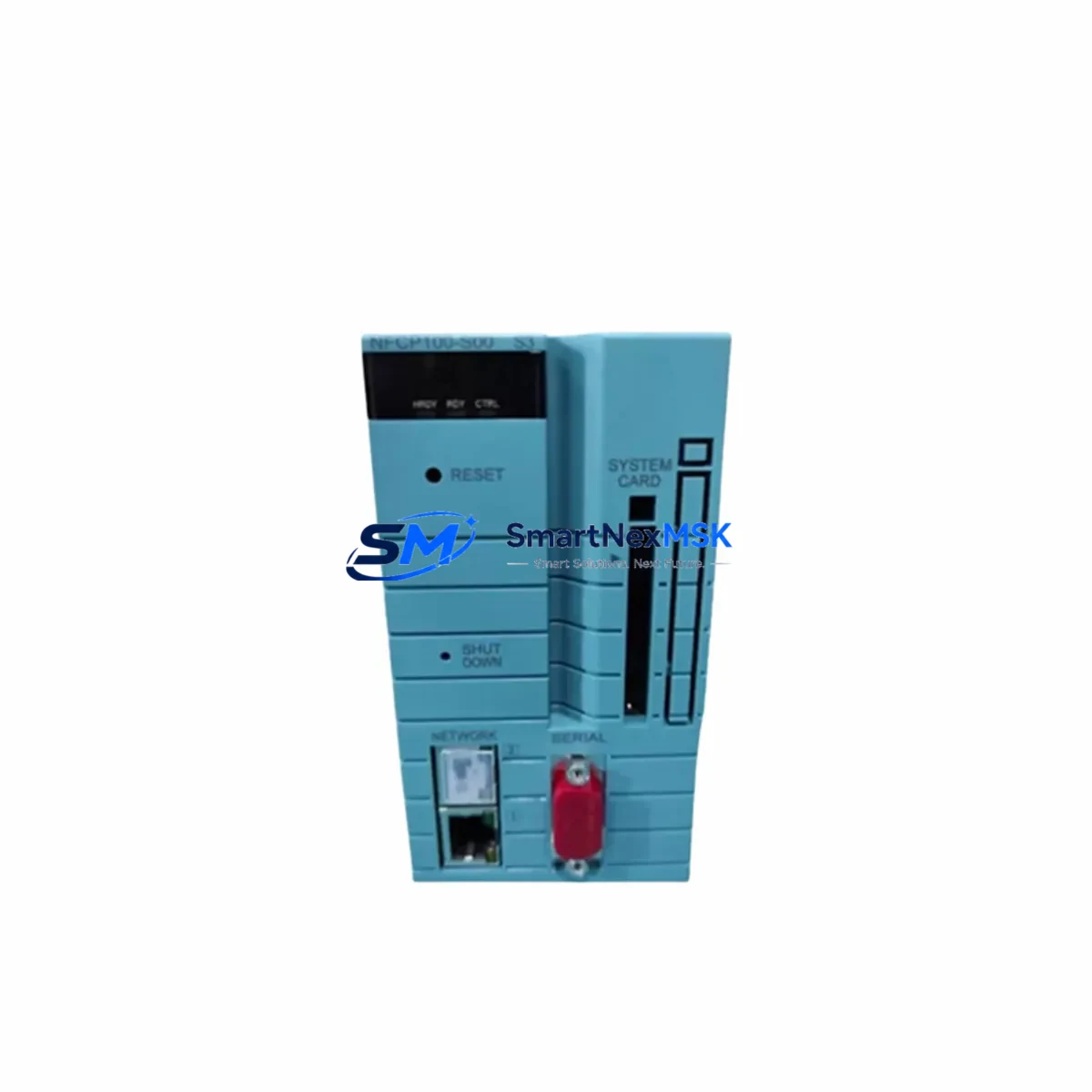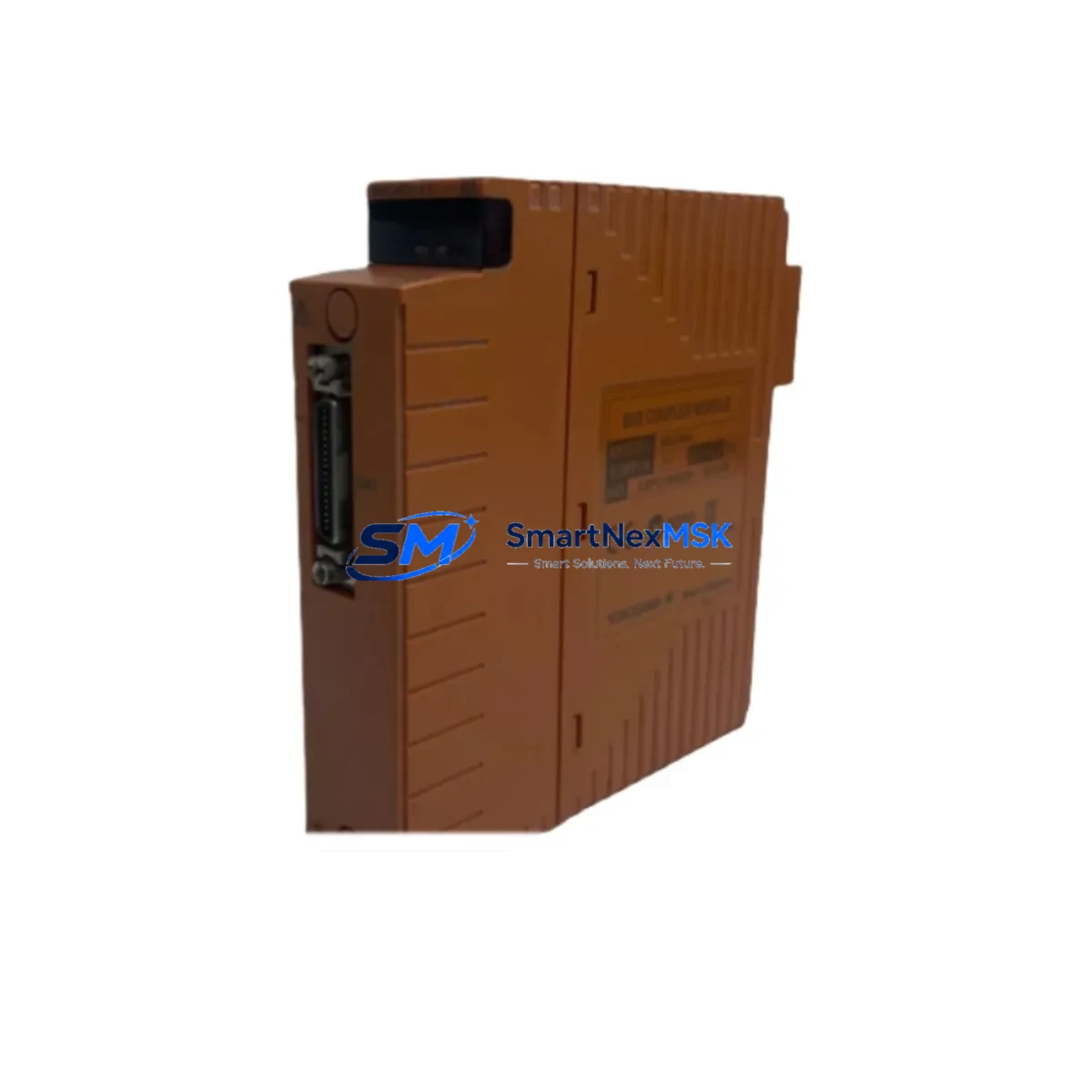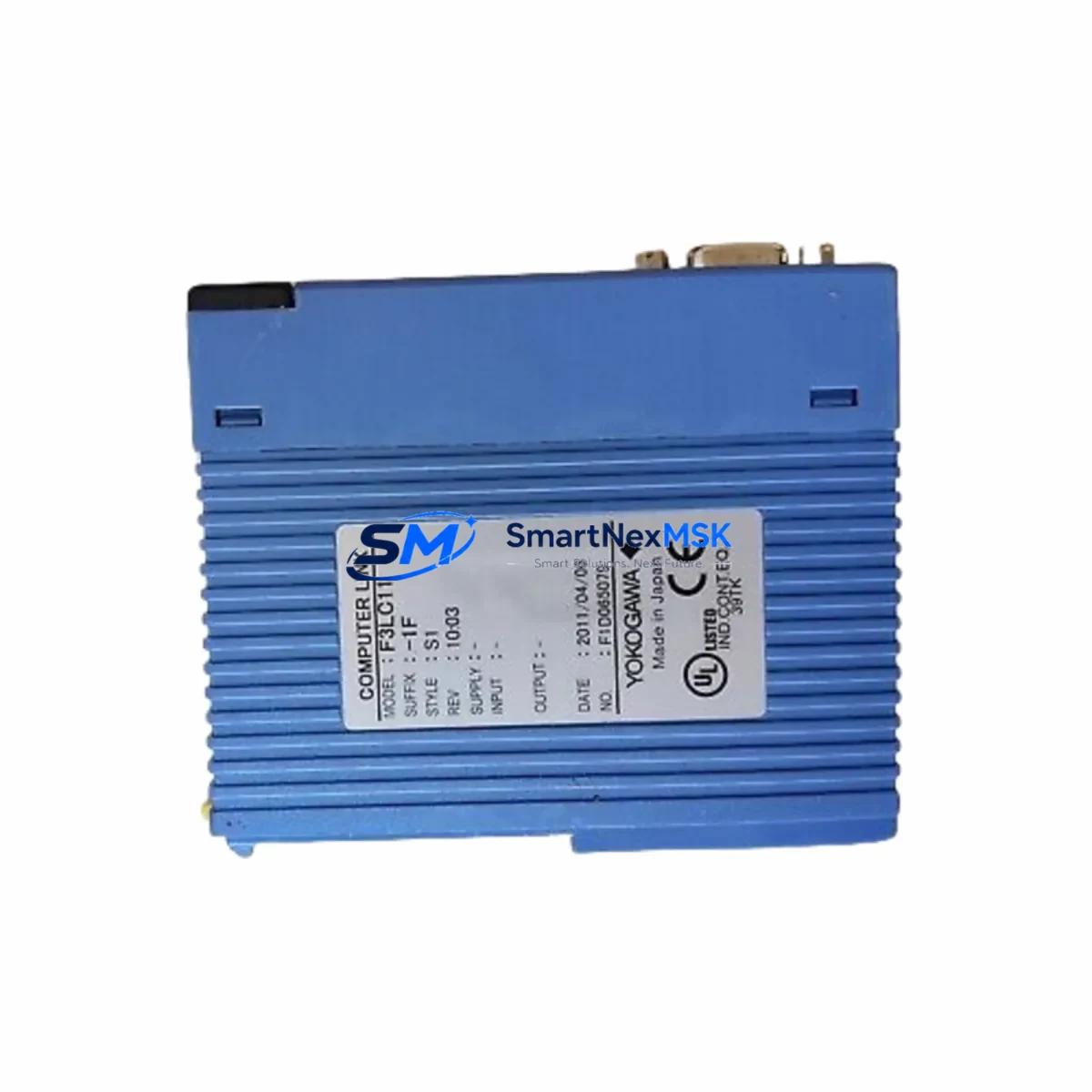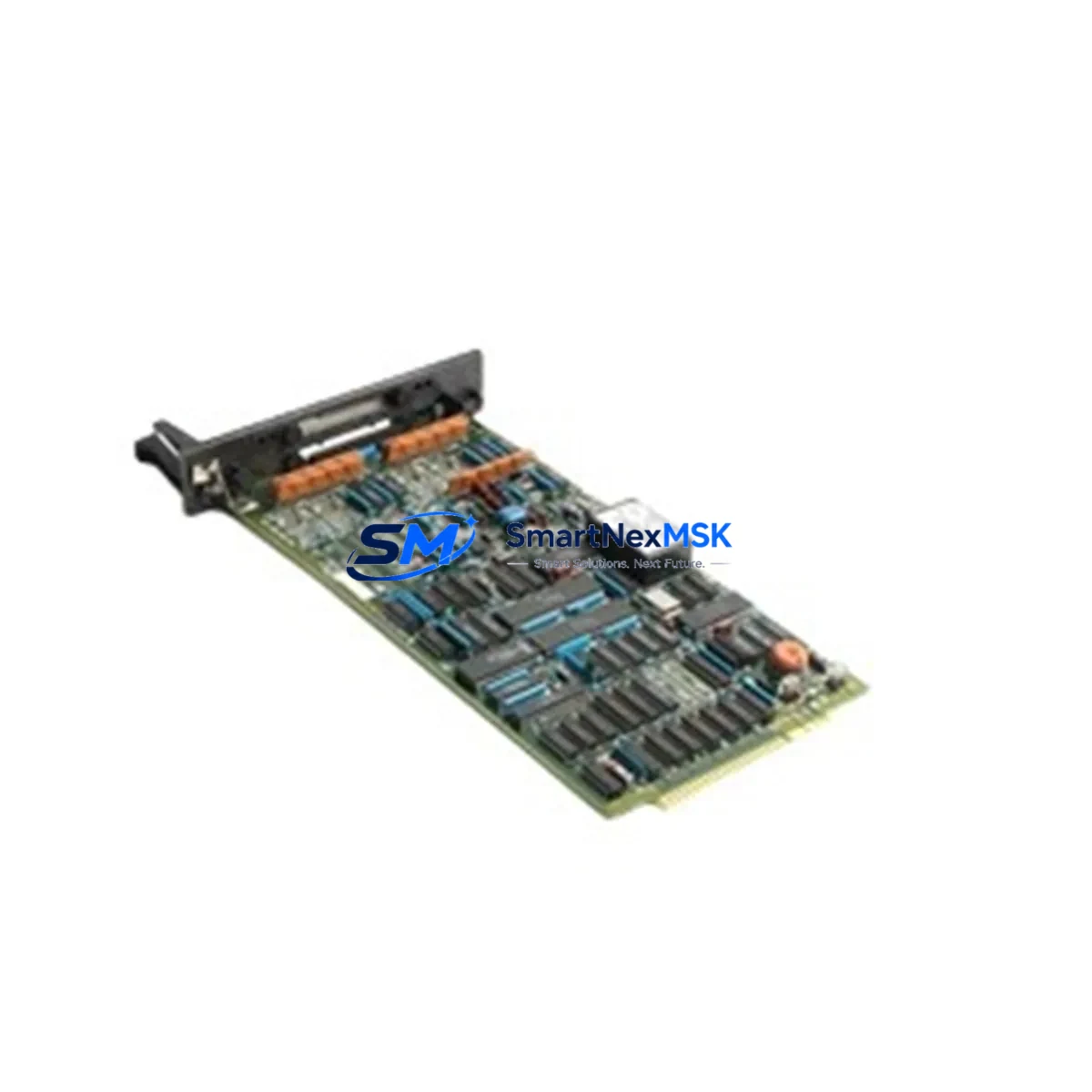
YOKOGAWA VM1*D S9210AQ-03 Maintenance-Ready Spare for CENTUM VP Automation
Unplanned downtime in a DCS-controlled process plant is one of the most costly events a maintenance team can face. The YOKOGAWA VM1*D S9210AQ-03 is an original analog I/O module designed for the CENTUM VP distributed control system platform — a backbone of continuous-process industries including oil & gas, petrochemical, power generation, and pharmaceutical manufacturing. Holding a verified replacement unit in your spare parts inventory is the single most effective step toward rapid fault recovery and sustained system availability.
Whether you are executing a planned turnaround, responding to an unscheduled fault alarm, or conducting a routine control-cabinet inspection, the VM1*D S9210AQ-03 delivers the signal accuracy, channel density, and firmware compatibility that CENTUM VP field-bus architectures demand. This listing covers an original YOKOGAWA spare — not a third-party substitute — sourced, inspected, and dispatched with full traceability documentation.
Spare Maintenance Table
| Parameter | Specification / Value |
|---|---|
| Part Number (SKU) | VM1*D S9210AQ-03 |
| Manufacturer | YOKOGAWA Electric Corporation |
| Module Type | Analog I/O Module (DCS) |
| Compatible Platform | CENTUM VP (all sub-series) |
| Signal Type | 4–20 mA / 1–5 V analog input & output |
| Channel Configuration | Multi-channel analog I/O (per VM1 series standard) |
| Isolation | Channel-to-channel and channel-to-bus isolation |
| Operating Temperature | 0 °C to +55 °C |
| Humidity | 5 % to 95 % RH (non-condensing) |
| Mounting | CENTUM VP I/O nest / backplane slot |
| Country of Origin | Japan |
| Condition | Original New / Tested Surplus |
| Warranty | 12 Months from dispatch date |
| Lead Time | In-stock: same-day / next-day dispatch |
| Documentation | Datasheet, test report, packing list available on request |
| Maintenance Recommendation | Inspect connector pins, verify firmware revision, perform loop calibration after installation |
Maintenance Planning for Continuous Operation
A VM1*D S9210AQ-03 replacement is rarely an isolated event. Experienced maintenance engineers know that when an analog I/O module shows drift, channel failure, or communication faults on the CENTUM VP engineering station, the surrounding components in the same I/O nest and field loop deserve equal scrutiny. A disciplined inspection sequence reduces the risk of repeat failures and shortens the overall restoration window.
Begin at the power supply module feeding the I/O nest — a marginal 24 VDC rail is a common root cause of intermittent analog errors. Verify output voltage and ripple against YOKOGAWA’s tolerance specification. Next, inspect the field terminal unit (FTU) and its wiring harness: corroded screw terminals, loose ferrules, or reversed polarity on a 4–20 mA loop will cause the replacement module to exhibit the same symptoms as the failed unit. Check the CENTUM VP node unit (NUxx series) that hosts the I/O nest — firmware version compatibility between the node and the VM1*D module must be confirmed before hot-insertion.
In the same cabinet sweep, inspect the YOKOGAWA ESB bus coupler and any RIO (Remote I/O) communication cables for continuity and shielding integrity. Signal noise on the bus can corrupt analog readings across multiple modules simultaneously. If the process loop includes a HART-capable transmitter, verify that the HART pass-through configuration on the replacement module matches the original. For loops that feed safety instrumented functions, coordinate with the SIS team before restoring the channel to service.
Maintenance planners should also review the status of adjacent digital I/O modules (e.g., VM1*D DI/DO variants), pulse input modules, and any signal conditioners or isolators installed between field devices and the I/O nest. Aging isolators can introduce offset errors that are incorrectly attributed to the analog module itself. Finally, confirm that the CENTUM VP HMI (FAST/TOOLS or Exaopc OPC server) tag database reflects the correct engineering unit range and alarm limits for the restored channel before returning the loop to automatic control.
Site Replacement Workflow
Step 1 — Fault Isolation: Use the CENTUM VP engineering station to identify the faulted module address. Cross-reference the hardware fault LED on the I/O nest faceplate. Capture a screenshot of the alarm summary for maintenance records.
Step 2 — Safe Isolation: Place the affected control loop in manual mode at the DCS operator station. Notify the field operator. Follow site LOTO (Lock-Out / Tag-Out) procedures for the associated field device if required.
Step 3 — Module Removal: The VM1*D S9210AQ-03 supports hot-swap on CENTUM VP platforms (confirm with site engineering). If hot-swap is not permitted, initiate a controlled shutdown of the I/O nest. Remove the module by releasing the front-panel latch and sliding it clear of the backplane connector.
Step 4 — Replacement Installation: Inspect the backplane connector pins for damage or contamination. Insert the VM1*D S9210AQ-03 replacement until the latch clicks. The CENTUM VP node unit will automatically download the module configuration from its resident database — no manual parameter entry is required for a like-for-like replacement.
Step 5 — Loop Verification: Restore the field device signal and perform a live loop check: inject a 4 mA and 20 mA reference signal and confirm the DCS reads 0 % and 100 % respectively. Check HART communication if applicable. Return the loop to automatic control and monitor for 15 minutes before closing the work order.
Step 6 — Documentation: Record the replaced module serial number, firmware revision, installation date, and technician ID in the CMMS. Update the spare parts inventory to trigger a replenishment order — maintaining at least one VM1*D S9210AQ-03 in stock is recommended for any facility running CENTUM VP as its primary DCS platform.
Spare Parts Support FAQ
Q1: Is the VM1*D S9210AQ-03 compatible with all CENTUM VP sub-series, including CENTUM VP R6?
A: The VM1*D S9210AQ-03 is designed for the CENTUM VP platform. Compatibility with specific firmware revisions (R5, R6, etc.) should be confirmed against the YOKOGAWA hardware compatibility matrix or by contacting our technical team before ordering. We provide pre-shipment compatibility verification on request.
Q2: What testing is performed before dispatch?
A: Each unit undergoes visual inspection, connector integrity check, and functional power-on verification. A test report is available upon request. Units are packed in anti-static ESD bags with foam cushioning to prevent transit damage.
Q3: What is the warranty coverage and what does it include?
A: All units carry a 12-month warranty from the date of dispatch. The warranty covers manufacturing defects and functional failure under normal operating conditions. It does not cover damage caused by incorrect installation, overvoltage, or environmental conditions outside the specified range. Warranty claims are processed within 5 business days of receipt of the returned unit.
Q4: Can you support long-term or blanket purchase orders for CENTUM VP spare parts?
A: Yes. We support scheduled delivery agreements, consignment stock arrangements, and multi-SKU spare parts kits for CENTUM VP maintenance programs. Contact our sales team to discuss volume pricing, lead-time guarantees, and custom kitting options aligned with your planned maintenance intervals.
© 2026 SMARTNEXMSK. All rights reserved.
Original Source: https://smartnexmsk.com
Contact: [email protected] | +86 18259474341