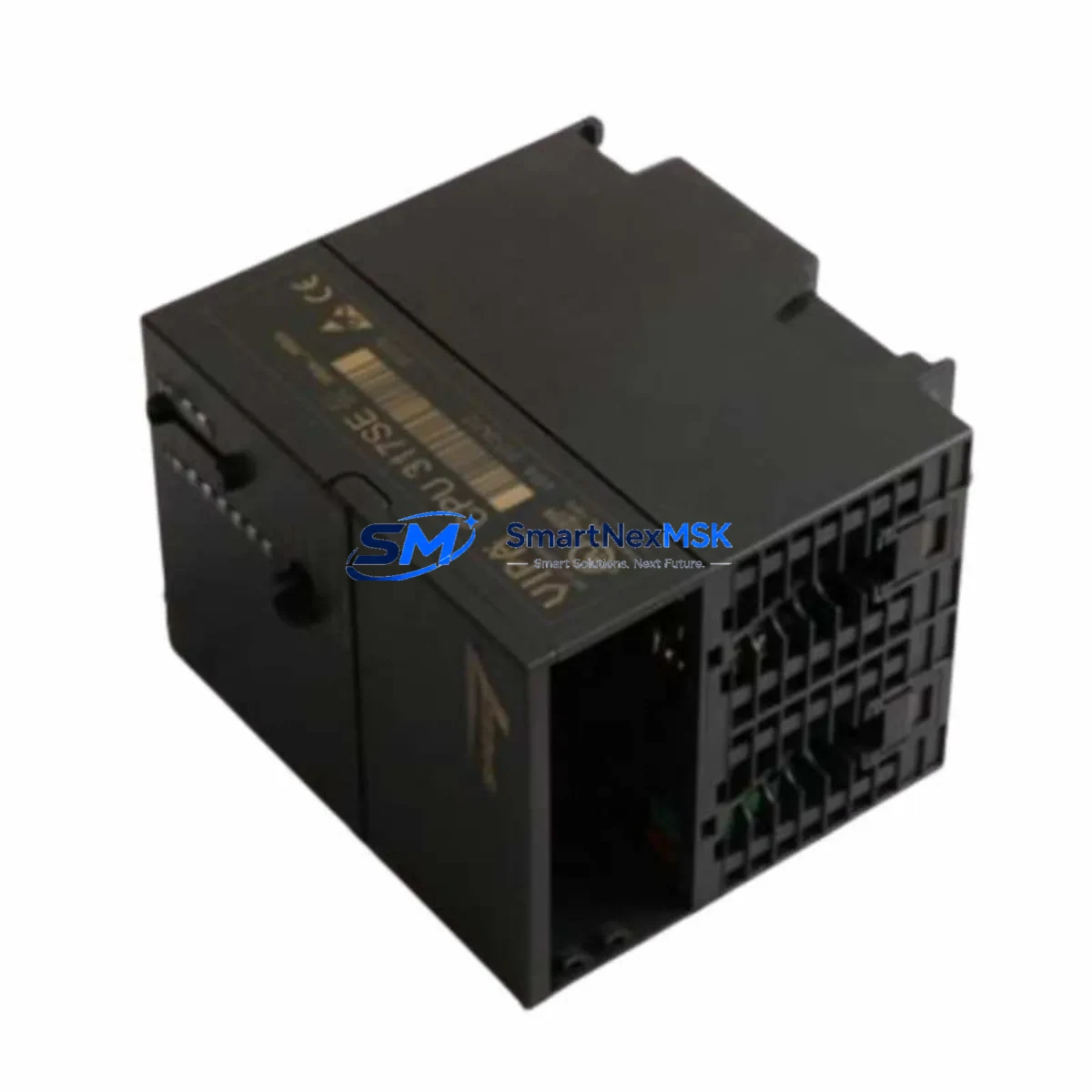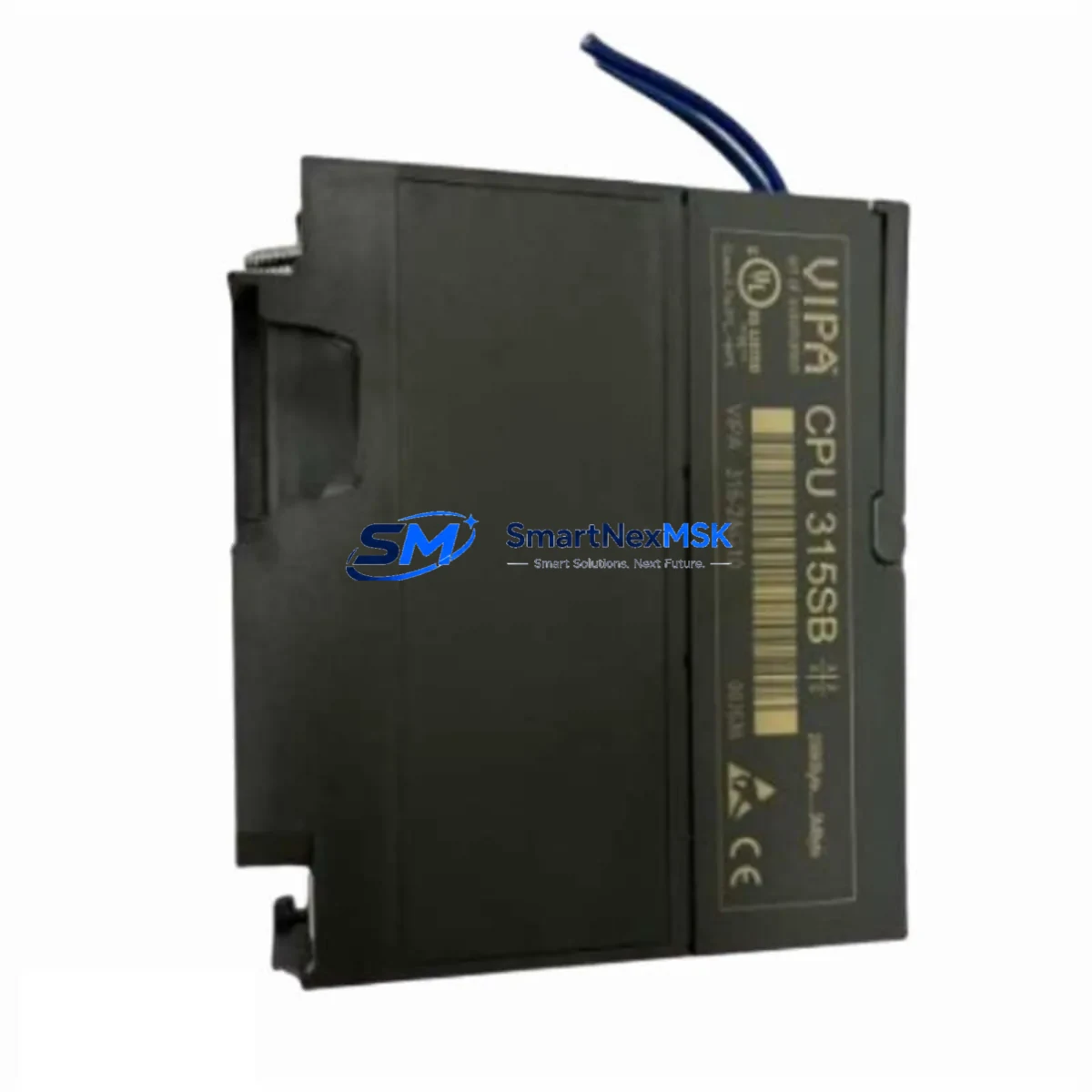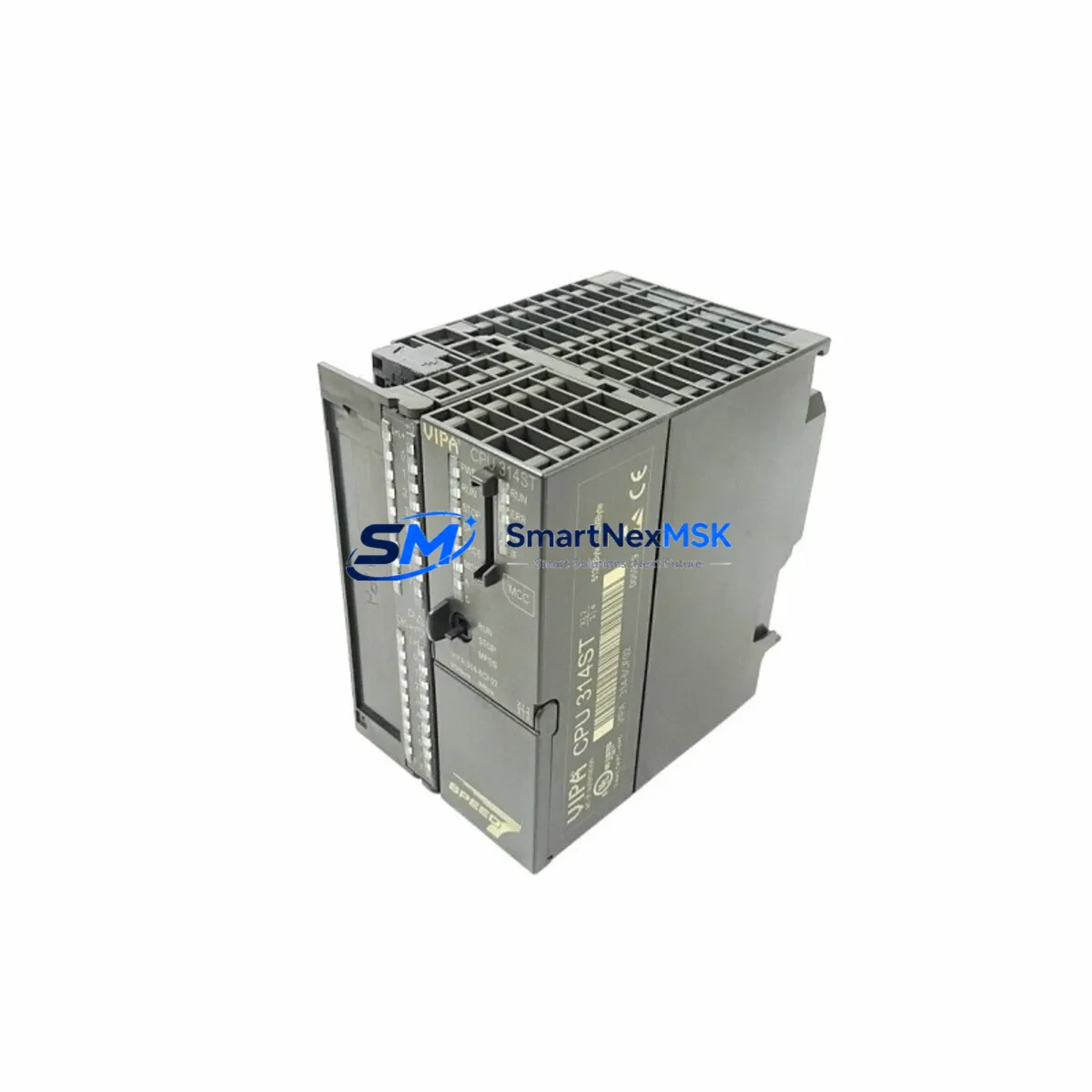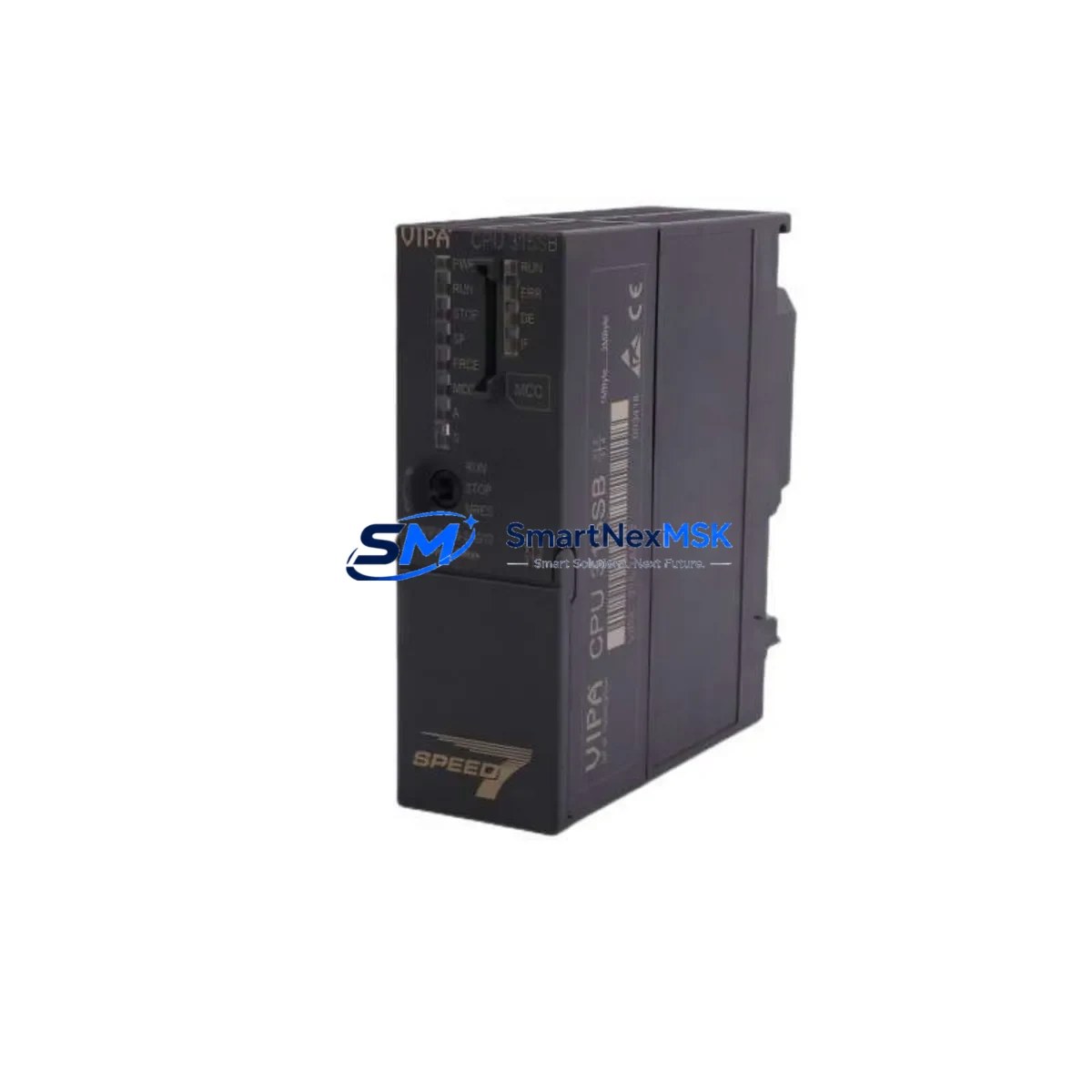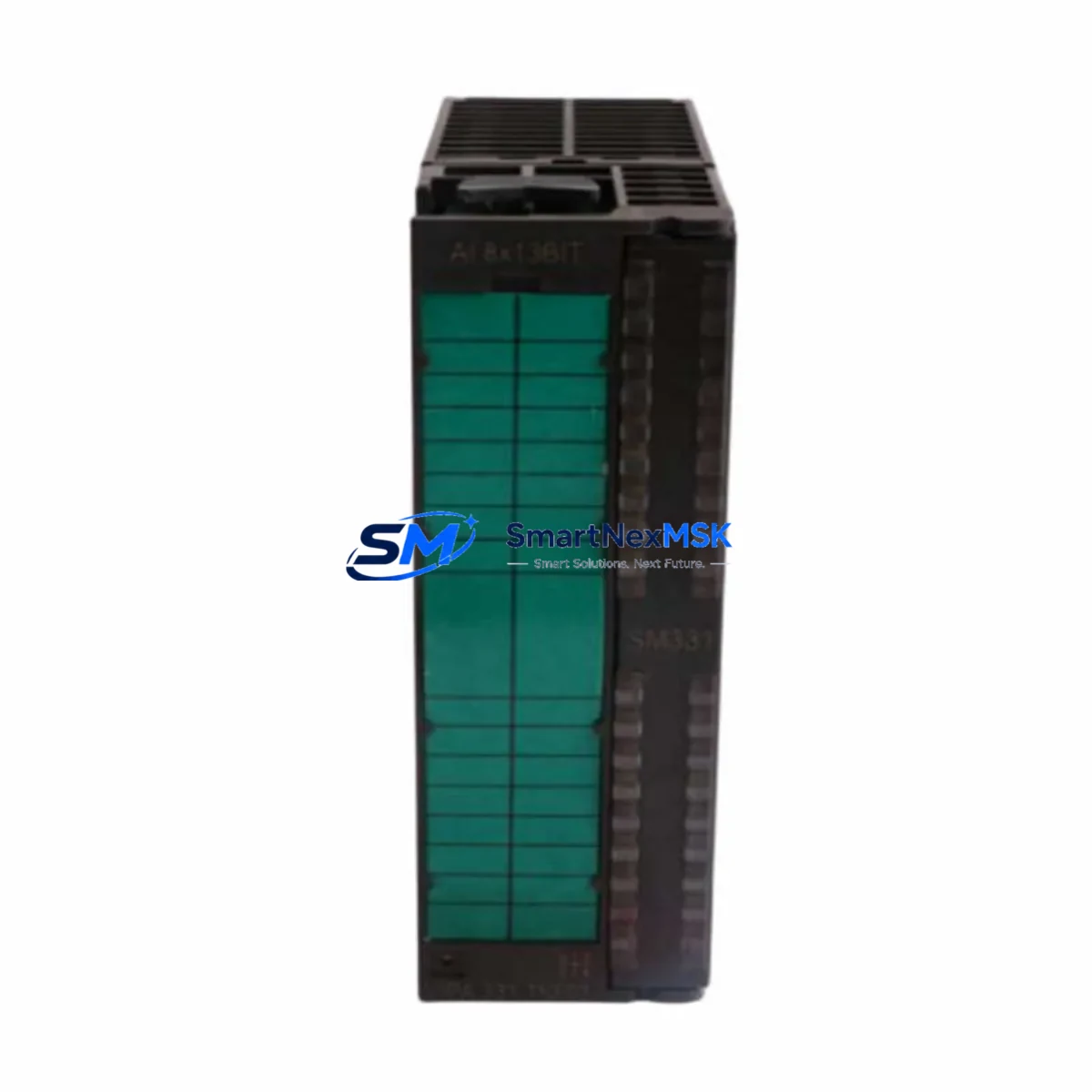
VIPA SSN-BG89A Maintenance-Ready Spare for SLIO Automation
The VIPA SSN-BG89A is an original Ethernet communication module designed for the VIPA SLIO (Slim Line I/O) modular I/O system. For maintenance engineers managing aging automation infrastructure, this module represents a critical spare component — one whose failure can immediately disrupt network-based I/O communication, halt production data exchange, and trigger unplanned downtime across an entire control cabinet. Keeping a verified SSN-BG89A in your spare parts inventory is a proactive measure that directly reduces mean time to repair (MTTR) and protects continuous operation in PROFINET or Industrial Ethernet environments.
The SSN-BG89A serves as the network head station for SLIO I/O slices, managing all Ethernet-based communication between the field I/O layer and the upstream PLC or DCS controller. When this module degrades — often signaled by intermittent communication faults, LED error codes, or loss of cyclic data exchange — the entire SLIO bus segment it governs becomes unreachable. Procurement engineers sourcing this part should confirm the firmware revision and bus coupler compatibility with their installed SLIO slice configuration before dispatch.
Spare Maintenance Table
| Parameter | Specification |
|---|---|
| SKU / Part Number | SSN-BG89A |
| Brand | VIPA (Yaskawa) |
| Series | SLIO (Slim Line I/O) |
| Module Type | Ethernet Communication / Bus Head Station |
| Communication Protocol | Industrial Ethernet / PROFINET-compatible |
| Supply Voltage | 24 V DC (via SLIO power module) |
| Mounting | DIN rail, SLIO bus connector |
| Operating Temperature | 0 °C to +60 °C |
| Protection Class | IP20 |
| Country of Origin | Germany |
| Weight | 500 g (approx.) |
| Compatibility | VIPA SLIO I/O slice modules; VIPA SPEED7 and third-party Ethernet controllers |
| Warranty | 12 Months — all units tested before shipment |
Maintenance Planning for Continuous Operation
When replacing the SSN-BG89A in a live control cabinet, a disciplined maintenance workflow requires inspecting all adjacent components that share the same power rail, communication bus, or I/O backplane. Begin with the VIPA SLIO power module (VIPA 007-1AB10) — the 24 V DC supply feeding the SLIO bus must be within tolerance before the new head station is energized. A degraded power module is a common root cause of repeated communication module failures and is frequently overlooked during fault isolation.
Next, inspect the SLIO I/O slice modules installed downstream of the SSN-BG89A. Digital input slices (e.g., VIPA 021-1BF00) and digital output slices (e.g., VIPA 022-1BF00) should be checked for bus connector integrity and correct seating. A loose or corroded bus connector between slices can generate the same communication fault symptoms as a failed head station, leading to misdiagnosis and unnecessary module replacement.
For systems where the SSN-BG89A interfaces with a VIPA SPEED7 CPU (such as the 315-2AG23 or 317-4NE12), verify that the Ethernet port configuration and IP address assignment on the CPU side remain consistent after module swap. If the control system also uses a VIPA IM 053-1IP00 interface module for distributed I/O expansion, confirm that the rack addressing is not disrupted during the replacement procedure.
Maintenance teams should also inspect the 24 V DC fuse protection on the cabinet’s terminal strip — blown fuses on the SLIO supply rail are a silent failure mode that can damage replacement modules if not cleared before reinsertion. Check shielded Ethernet patch cables (Cat5e or Cat6, industrial-grade) connecting the SSN-BG89A to the managed switch or PLC Ethernet port; cable degradation from repeated flexing or heat exposure is a common cause of intermittent communication errors that mimic module failure.
If the cabinet includes a VIPA HMI panel (such as the TP 62M or CP 04M series) communicating over the same Ethernet segment, verify HMI connectivity independently after the module swap to confirm network restoration. For systems with signal isolators on analog I/O channels feeding into the SLIO analog slices, check isolator output levels post-replacement to ensure signal integrity has not been affected by the maintenance event.
Site Replacement Workflow
Step 1 — Pre-replacement verification: Document the existing SSN-BG89A IP address, subnet mask, and gateway settings. Export or photograph the current SLIO configuration from the engineering software (VIPA SPEED7 Studio or compatible tool) before powering down the segment.
Step 2 — Safe isolation: De-energize the SLIO bus power supply. Confirm 0 V on the bus power rail using a calibrated multimeter before touching any module. Do not rely solely on the cabinet’s main isolator — verify locally.
Step 3 — Module extraction: Release the DIN rail locking tab and slide the SSN-BG89A out of the bus connector. Inspect the bus connector pins on both the module and the adjacent slice for corrosion or mechanical damage before inserting the replacement unit.
Step 4 — Replacement insertion: Seat the new SSN-BG89A firmly onto the SLIO bus connector. Restore power and observe the module’s status LEDs. A solid green RUN LED with no BF (Bus Fault) indication confirms successful hardware recognition.
Step 5 — Network configuration restore: Re-apply the IP address and network parameters. Perform a cyclic data exchange test from the PLC to confirm all downstream I/O slices are communicating correctly. Log the replacement event in the maintenance record with the new module’s serial number and date.
This workflow minimizes downtime to under 30 minutes for a prepared maintenance team and eliminates the risk of configuration loss that can extend outages by hours in undocumented systems.
Spare Parts Support FAQ
Q: Is the SSN-BG89A compatible with all VIPA SLIO slice configurations?
A: The SSN-BG89A is the Ethernet head station for the VIPA SLIO system and is compatible with standard SLIO digital, analog, and specialty I/O slices. Compatibility with specific firmware revisions or extended slice types should be confirmed against your installed SLIO configuration. We recommend providing your existing module’s firmware label when ordering to ensure a matched replacement.
Q: How is the SSN-BG89A tested before shipment?
A: Every unit undergoes functional power-on testing and communication port verification before dispatch. Units are inspected for physical integrity, connector condition, and LED response. A test report is available upon request. All units are covered by a 12-month warranty from the date of shipment.
Q: Can the SSN-BG89A replace an older or discontinued VIPA SLIO Ethernet head station?
A: In most cases, yes — the SSN-BG89A is a direct form-fit-function replacement for earlier VIPA SLIO Ethernet bus couplers. However, firmware compatibility with legacy VIPA engineering tools should be verified. Our technical team can assist with cross-reference confirmation before order placement.
Q: What is your lead time and long-term supply commitment for the SSN-BG89A?
A: We maintain stock of the SSN-BG89A to support urgent maintenance and planned procurement cycles. Standard lead time is 3–7 business days for in-stock units, with expedited options available for emergency downtime situations. Long-term supply agreements are available for customers managing multi-site SLIO installations.
© 2026 SMARTNEXMSK. All rights reserved.
Original Source: https://smartnexmsk.com
Contact: [email protected] | +86 18259474341